How to Maximize Nutritional Supplements Benefits for Wellness


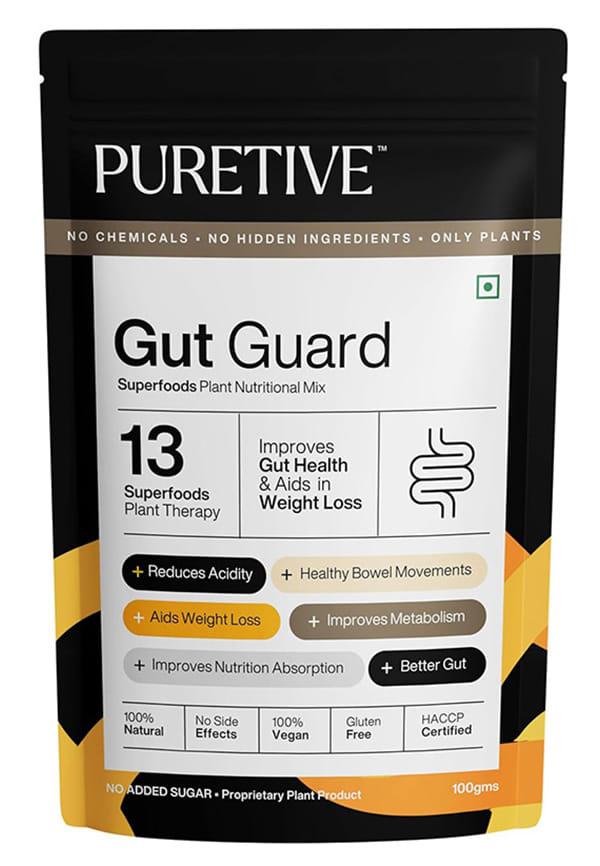
Gut Health Superfoods Nutritional Mix
Let's be real—navigating the world of nutritional supplements can feel like trying to solve a puzzle with missing pieces. One day you're reading about vitamin D deficiency, the next you're wondering if that protein powder is actually worth it. With so many options and conflicting advice, it's easy to feel overwhelmed. But here's the thing: when done right, nutritional supplements benefits can genuinely support your wellness journey. The key is understanding what works, when it works, and how to make smart choices that actually move the needle on your health goals.
Think of nutritional supplements as your wellness safety net. They're not magic pills that'll transform your health overnight, but they can fill those pesky gaps that even the most balanced diet sometimes leaves behind. Real talk: even if you're eating your greens and hitting your protein goals, modern life can make it tricky to get everything your body needs.
The supplement benefits become clearer when you consider that our soil isn't as nutrient-dense as it used to be, our busy schedules don't always allow for perfect meal planning, and some nutrients are just plain difficult to get from food alone. Take vitamin D, for instance—unless you're spending hours in the sun daily (which isn't realistic for most of us), you're probably not getting enough.
Here's where things get interesting. National nutrition surveys consistently show that most people fall short on key nutrients like magnesium, vitamin D, and omega-3 fatty acids. That's not because we're all terrible at eating—it's just that modern life presents some unique challenges.
The FDA views dietary supplements as products intended to supplement the diet, not replace healthy eating habits. They're meant to bridge gaps, not become your primary source of nutrition. This perspective helps frame how to think about incorporating them into your routine.
Now let's dive into the good stuff—what these essential nutrients actually do for you. Understanding the specific roles different vitamins and minerals play can help you make more targeted choices rather than just grabbing whatever's trending on social media.
The vitamins benefits span everything from energy production to immune function, whilst minerals benefits support everything from bone health to muscle function. It's like having a well-orchestrated team where each player has a specific role.
Vitamin D is probably the most talked-about nutrient for good reason—it supports bone health, immune function, and mood regulation. Most of us living in urban environments or spending lots of time indoors are likely running low.
B-complex vitamins are your energy production team. They help convert food into fuel and support nervous system function. If you're feeling constantly drained, this might be worth exploring.
Vitamin C isn't just for when you're feeling under the weather—it supports collagen production, iron absorption, and acts as a powerful antioxidant.
Magnesium is involved in over 300 enzymatic reactions in your body. It supports muscle function, sleep quality, and stress management—basically everything you need to feel human.
Iron carries oxygen throughout your body. Without enough, you'll feel tired no matter how much sleep you get.
Zinc supports immune function, wound healing, and protein synthesis. It's particularly important if you're active or dealing with stress.

Wellbeing Nutrition Skin Fuel Pro+| Strawberry Flavour, 28 Servings
Omega-3 fatty acids support heart health, brain function, and help manage inflammation. Unless you're eating fatty fish multiple times per week, you're probably not getting enough.
Fiber supplements can support digestive health when whole food sources aren't cutting it, though food sources are always preferable when possible.
The beauty of understanding health supplements lies in recognising that different people have different needs. What works brilliantly for your mate might not be what your body requires. The dietary supplement advantages become most apparent when they're matched to your specific situation.
Let's break this down into categories that actually make sense for real life.
If you've been diagnosed with a deficiency, supplements can be genuinely life-changing. Low B12 can leave you feeling exhausted and foggy-headed. Insufficient vitamin D might affect your mood and bone health. Iron deficiency can make even simple tasks feel overwhelming.
Some supplements shine in the prevention game. Folic acid for women of childbearing age, calcium and vitamin D for bone health as we age, and omega-3s for heart health are all backed by solid research.
For those into fitness, sports nutrition benefits can include faster recovery, better endurance, and improved muscle protein synthesis. Think creatine for strength training, protein powder for muscle recovery, and electrolytes for hydration.
Your supplement needs aren't one-size-fits-all, and that's perfectly normal. Different life stages, dietary choices, and health conditions create unique nutritional landscapes. Understanding these differences helps you make choices that actually support your specific situation rather than following generic advice.
This nutritional supplement guide approach recognises that what works for a 25-year-old athlete won't necessarily suit a 55-year-old vegetarian or someone managing a chronic condition.
If you're following a vegan or vegetarian lifestyle, certain nutrients become particularly important. B12 is the big one—it's nearly impossible to get adequate amounts from plant foods alone. Iron from plant sources isn't absorbed as easily as from meat, so pairing it with vitamin C can help. Omega-3s from algae-based supplements offer a plant-friendly alternative to fish oil.
As we get older, our bodies become less efficient at absorbing certain nutrients. B12 absorption decreases, vitamin D synthesis slows down, and calcium needs increase. It's not about accepting decline—it's about adapting smartly.
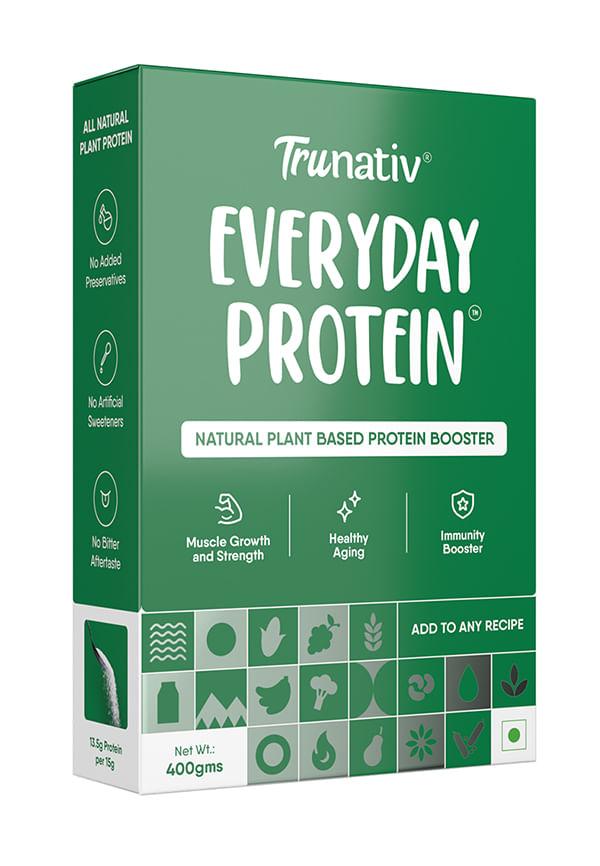
Everyday Plant Protein| 13.5g Protein| Soy, Pea & Brown Rice Protein
Regular exercise increases your need for certain nutrients. Sports nutrition benefits extend beyond just protein shakes—think about electrolyte balance, antioxidants for recovery, and nutrients that support energy production.
Here's where we need to have an honest conversation about supplement safety. Whilst wellness supplements can offer genuine benefits, they're not without considerations. The goal is to maximise the good stuff whilst being smart about potential risks.
Think of this as your practical supplement guide for wellness—because being informed is always better than crossing your fingers and hoping for the best.
Before starting any new supplement routine, especially if you're taking medications or managing health conditions, chatting with a healthcare professional is worth the time. Some supplements can interact with medications or aren't suitable for certain conditions.
Not all supplements are created equal. Look for third-party testing, reputable brands, and clear labelling. The cheapest option isn't always the best value if it doesn't contain what it claims or includes unwanted additives.
Your body can only use so much of any nutrient at once. Megadoses often just create expensive urine and can sometimes cause problems. Stick to recommended dosages unless specifically advised otherwise by a healthcare professional.
Now for the practical stuff—how to actually incorporate supplement benefits into your routine without turning it into a second job. The key is creating a system that's sustainable and actually fits into your real life, not some idealised version of it.
This practical approach to maximising nutritional supplements benefits focuses on consistency over perfection and smart choices over following every trend.
Understanding what you're actually buying is crucial. Look for the active ingredient amounts, not just the total weight. Check for unnecessary fillers or additives. Pay attention to the form of nutrients—some are absorbed better than others.
Some nutrients are best taken with food, others on an empty stomach. Fat-soluble vitamins (A, D, E, K) need some dietary fat for absorption. Iron is better absorbed away from calcium. These details can make a real difference in effectiveness.
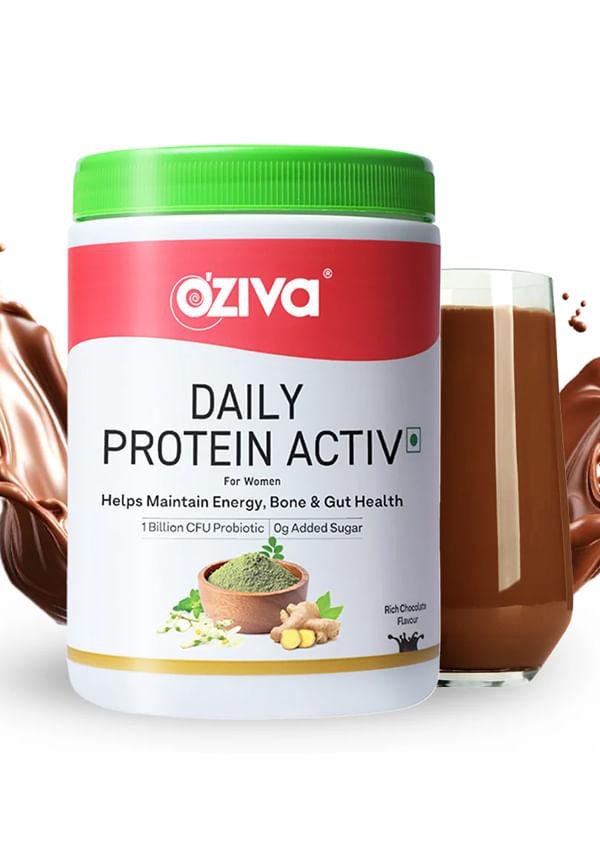
Daily Protein Activ For Women, Chocolate
Start simple. Pick one or two supplements that address your specific needs rather than trying to overhaul everything at once. Track how you feel and adjust accordingly. Remember, consistency beats perfection every time.
Platforms like Smytten make exploring wellness supplements more accessible by offering trial sizes of various health and wellness products. With over 1,500 trusted brands available, you can discover what works for your body before committing to full-size purchases. This approach aligns perfectly with making informed supplement choices—try before you buy, and find what genuinely supports your wellness goals.
Omega-3 fatty acids, potassium, magnesium, and CoQ10 have research supporting their role in cardiovascular health. However, these should complement, not replace, other heart-healthy lifestyle choices and medical treatment when needed.
Folate, B12, vitamins A and C, and zinc all play roles in immune system function and white blood cell production. A balanced approach focusing on overall nutrition usually works better than targeting individual nutrients.
B12, vitamin D, magnesium, and alpha-lipoic acid are often discussed in relation to nerve health. However, neuropathy has many causes, so working with a healthcare provider to address underlying issues is crucial.
It varies widely depending on the nutrient and your starting point. Some people notice energy improvements within days, whilst others might need weeks or months to see changes in things like hair, skin, or bone health.
Some nutrients compete for absorption, whilst others work better together. Generally, it's fine to take most supplements together, but spacing out iron and calcium, for example, can improve absorption.
Not necessarily. Price doesn't always correlate with quality or effectiveness. Focus on reputable brands with third-party testing rather than just the price tag.
Maximising nutritional supplements benefits isn't about finding the perfect combination or following the latest wellness trend. It's about understanding your body's needs, making informed choices, and creating sustainable habits that support your long-term health goals.
The most effective supplement routine is one that fits seamlessly into your life and addresses your specific needs rather than trying to cover every possible base. Whether you're looking to fill nutritional gaps, support an active lifestyle, or manage specific health concerns, the key is taking a thoughtful, personalised approach.
Remember, supplements work best as part of a broader wellness strategy that includes balanced nutrition, regular movement, adequate sleep, and stress management. They're tools in your wellness toolkit, not magic solutions. With Smytten's trial-friendly approach to wellness products, you can explore different options and find what genuinely works for your unique situation—because your health journey should be as individual as you are.
