How to Master Holistic Stress Relief Methods Naturally


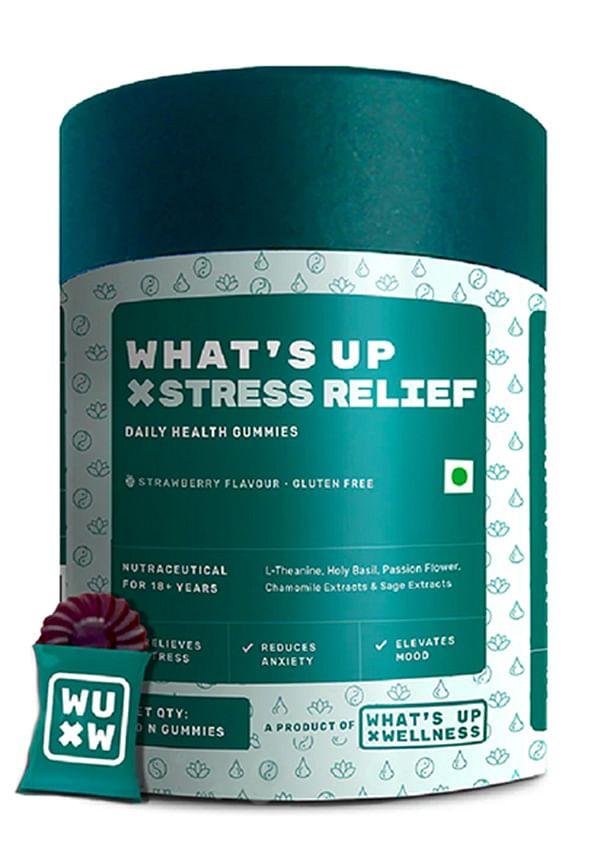
Stress Relief Gummies
Stress feels like it's everywhere these days, doesn't it? Between work deadlines, family responsibilities, and the constant buzz of notifications, finding genuine peace can feel impossible. But here's the thing—your body and mind are naturally equipped with incredible stress-busting abilities. Holistic stress relief methods tap into this innate wisdom, offering natural pathways to calm that don't rely on quick fixes or temporary solutions. Unlike popping a pill or scrolling through social media for distraction, these approaches work with your whole self—mind, body, and spirit. Real talk: when you understand how to work with your natural stress response rather than against it, everything changes. Let's explore how you can master these gentle yet powerful techniques that bring lasting relief right from your own home.
Let's be real—stress isn't just in your head. When you're overwhelmed, your entire system responds. Your shoulders tense up, your breathing gets shallow, your thoughts race, and sometimes you might even feel disconnected from yourself. Holistic stress relief methods recognise this interconnectedness, addressing stress as a whole-person experience rather than just a mental challenge.
Traditional stress management often focuses on symptoms—take this, do that, push through. But holistic health approaches understand that lasting relief comes from supporting your body's natural ability to find balance. When stress hits, your nervous system triggers a cascade of responses designed to keep you safe. The problem? Modern stressors rarely require the fight-or-flight response, leaving you stuck in a state of chronic activation.
The science behind mind-body stress response is fascinating. Your thoughts directly influence your physical state, and your physical state affects your emotional well-being. This means that working with breathing patterns can calm racing thoughts, while addressing emotional patterns can release physical tension. Emotional wellness becomes the foundation for everything else—when you feel emotionally balanced, your body follows suit.
Natural interventions work differently than pharmaceutical options. Instead of masking symptoms, they support your body's inherent healing mechanisms. Think of it like tending a garden—you're creating conditions for natural flourishing rather than forcing artificial changes.
Sometimes you need relief right now, not after weeks of practice. These stress management techniques are your emergency toolkit—simple, effective, and available wherever you are. The beauty of these methods lies in their simplicity and immediate accessibility.
Your breath is your most powerful stress-relief tool, and it's always with you. The 4-7-8 technique works like magic: breathe in for 4 counts, hold for 7, exhale for 8. This pattern activates your parasympathetic nervous system, essentially telling your body it's safe to relax.
This technique helps you release physical tension you might not even realise you're holding. Start with your toes, tense them for 5 seconds, then release. Move up through each muscle group—calves, thighs, abdomen, shoulders, face. The contrast between tension and release teaches your body what true relaxation feels like.
When stress makes you feel scattered, grounding brings you back to the present moment. Try the 5-4-3-2-1 method: notice 5 things you can see, 4 you can touch, 3 you can hear, 2 you can smell, and 1 you can taste. This simple exercise anchors you in the here and now.
You don't need hours of meditation to feel benefits. A 3-minute stress reset can shift your entire day. Focus on your breath, notice when your mind wanders, and gently bring attention back. These relaxation exercises become more powerful with practice, but they work from day one.
Mindfulness for stress isn't about emptying your mind or achieving some zen-like state. It's about developing a different relationship with your thoughts and feelings—one where you observe rather than get swept away. This shift in perspective can transform how you experience stressful situations.
Creating a sustainable daily mindfulness routine doesn't require major lifestyle changes. Start with just 5 minutes each morning. Sit comfortably, focus on your breath, and when thoughts arise (they will), simply notice them without judgement. Think of thoughts like clouds passing through the sky of your awareness.
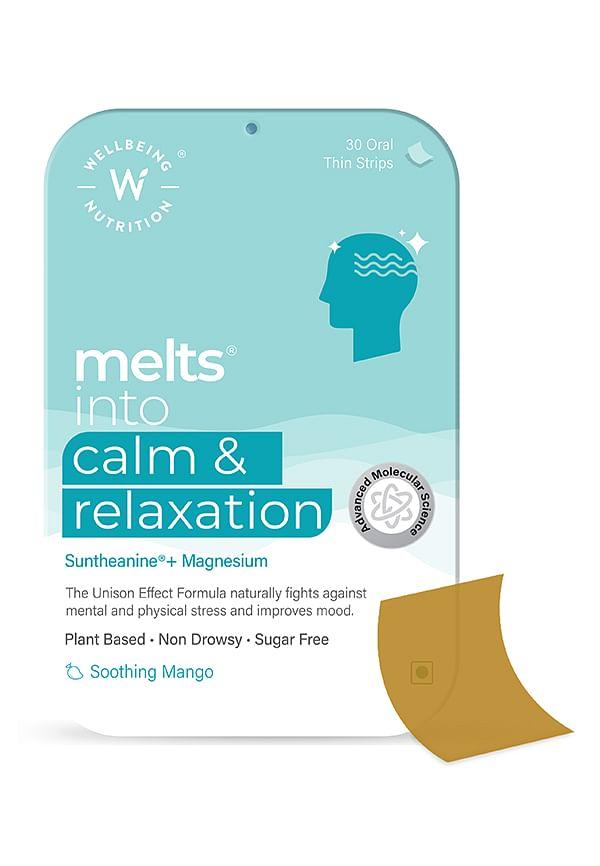
Melts Calm & Relaxation Plant Based Stress & Anxiety Reliever
Transform mealtime into a stress-relief opportunity. Eat slowly, notice flavours and textures, and pay attention to how food makes you feel. This practice not only reduces stress but often improves digestion and helps you make better food choices.
Combine movement with mindfulness by focusing on each step. Feel your feet connecting with the ground, notice your surroundings without trying to analyse them. This technique is perfect for those who find sitting meditation challenging.
While we're advocates for natural approaches, technology can support your practice. Apps like Insight Timer or Headspace offer guided meditations specifically for stress relief. Use them as training wheels while you develop your own practice.
Nature offers incredible allies in your stress-relief journey. Natural anxiety remedies work gently with your body's systems, often providing relief without the side effects of synthetic alternatives. However, natural doesn't automatically mean safe for everyone, so understanding proper usage is crucial.
Evidence-based herbs have been used for centuries to promote calm and relaxation. Chamomile acts like a gentle hug for your nervous system, while lavender's scent alone can lower cortisol levels. Passionflower and lemon balm work similarly, supporting your body's natural relaxation response.
Adaptogens are particularly fascinating—they help your body adapt to stress more effectively. Ashwagandha has been shown to reduce cortisol levels significantly, while rhodiola can improve your resilience to physical and mental stressors. Holy basil, often called "liquid yoga," promotes a sense of calm alertness.
Your diet plays a huge role in stress management. Magnesium-rich foods like dark chocolate and leafy greens support muscle relaxation. Omega-3 fatty acids from fish or flax seeds help regulate mood. B-vitamins, found in whole grains and legumes, support your nervous system during stressful periods.
Scent directly affects your limbic system—the emotional centre of your brain. Lavender, bergamot, and ylang-ylang can shift your mood within minutes. Add a few drops to a diffuser or apply diluted oil to your wrists for portable stress relief.
Your body holds stress in fascinating ways—tight shoulders from hunching over laptops, shallow breathing from anxiety, restless energy from unprocessed emotions. Physical stress reduction strategies work directly with these manifestations, often providing faster relief than mental techniques alone.
Exercise acts like medicine for stress, but you don't need intense workouts to see benefits. Gentle yoga stretches release physical tension while calming your mind. A 20-minute walk, especially in nature, can reset your entire nervous system. Swimming provides the added benefit of rhythmic breathing and full-body relaxation.
Professional massage is wonderful, but you can create similar benefits at home. Use a tennis ball against a wall to release shoulder knots, or try self-massage with gentle circular motions on your temples and neck. Even five minutes of self-care can make a significant difference.
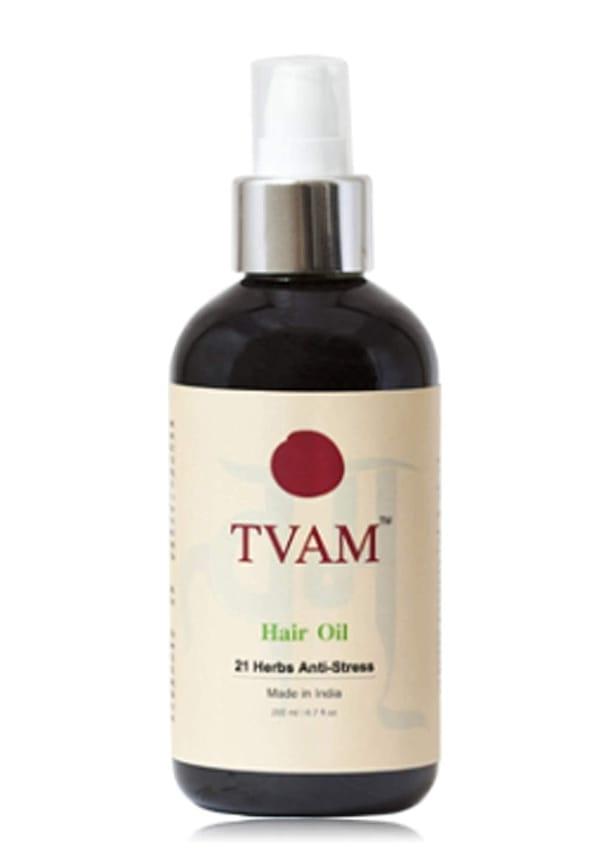
Hair Oil - 21 Herbs Anti-Stress
Quality sleep is non-negotiable for stress management. Create a wind-down routine that signals to your body it's time to rest. This might include dimming lights, avoiding screens, or practicing gentle stretches. Your bedroom should be cool, dark, and dedicated to rest.
Certain pressure points can provide instant stress relief. The point between your thumb and index finger, when pressed firmly for 30 seconds, can reduce overall tension. The spot at the top of your head, when gently massaged, promotes calm alertness.
Emotional wellness forms the foundation of lasting stress relief. When you develop healthy ways to process and express emotions, stress becomes more manageable. This isn't about positive thinking or suppressing difficult feelings—it's about building genuine resilience.
Journaling offers a powerful way to process stress and gain clarity. Try stream-of-consciousness writing for 10 minutes each morning, or use prompts like "What's causing me stress today?" and "How can I support myself through this?" The act of writing helps move emotions from your body onto paper, creating space for relief.
Your thoughts about stress often create more suffering than the actual stressor. Cognitive reframing helps you examine stress-inducing thoughts and find more balanced perspectives. Instead of "I can't handle this," try "This is challenging, and I'm learning to cope."
Humans are wired for connection, and isolation amplifies stress. Reach out to friends, join community groups, or even chat with neighbours. Sometimes just talking through your stress with someone who cares can provide immediate relief.
Art, music, dance, or any creative activity provides an outlet for emotions that words can't capture. You don't need to be talented—the process itself is healing. Colouring, singing in the shower, or dancing in your living room all count as stress relief.
The most effective holistic stress relief methods are the ones you'll actually use consistently. This means creating a personalised approach that fits your lifestyle, preferences, and specific stress patterns. One size definitely doesn't fit all when it comes to stress management.
Start with a honest self-assessment. What triggers your stress? When do you feel most overwhelmed? What time of day works best for stress-relief practices? Understanding your patterns helps you choose techniques that will actually work for your life.
Create a realistic weekly plan that includes both daily practices and longer sessions. Maybe 5 minutes of morning breathing exercises, a midday walk, and 15 minutes of evening journaling. Weekend might include longer yoga sessions or nature time.
Keep a simple stress journal noting your stress levels before and after using different techniques. This helps you identify what works best and builds motivation as you see improvement over time.
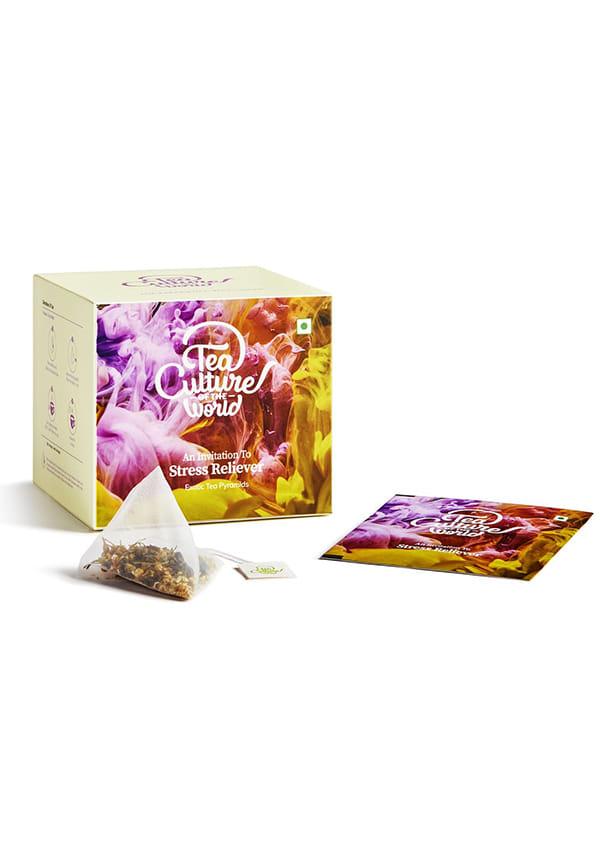
Stress Reliever Tea
Prepare for high-stress periods by having a go-to toolkit ready. This might include breathing exercises, calming music, essential oils, or a trusted friend's phone number. When stress peaks, decision-making becomes difficult, so having a plan removes that burden.
Just as you might explore different wellness products through platforms like Smytten—where you can try various options before committing to full-size purchases—finding your perfect stress-relief combination often requires experimentation. What works for your friend might not work for you, and that's perfectly normal.
Try the 4-7-8 breathing technique, do progressive muscle relaxation starting with your shoulders, or use the 5-4-3-2-1 grounding method. These techniques activate your body's relaxation response quickly and can be done anywhere.
The most effective approaches combine multiple techniques: regular mindfulness practice, physical movement, proper nutrition, adequate sleep, and emotional processing through journaling or therapy. Consistency matters more than perfection.
Some techniques like deep breathing provide immediate relief, while others like meditation or herbal supplements may take 2-4 weeks of consistent practice to show significant benefits. Building long-term resilience typically takes 2-3 months of regular practice.
Holistic methods can be incredibly effective, but they shouldn't replace prescribed medications without consulting your healthcare provider. Many people successfully combine both approaches for optimal results.
Stress relief focuses on reducing current stress symptoms, while stress management involves building long-term strategies to prevent and cope with stress more effectively. Both are important for overall well-being.
Absolutely! Dancing, singing, playing with pets, gardening, cooking, crafting, or playing games all provide stress relief while being enjoyable. The key is finding activities that make you lose track of time.
Mastering holistic stress relief methods isn't about perfection—it's about progress. Your stress-relief journey will be unique, filled with discoveries about what works best for your body, mind, and lifestyle. Some days you'll nail your morning meditation, other days you'll barely manage three deep breaths. Both count as success.
The beauty of natural stress management techniques lies in their accessibility and gentleness. Unlike quick fixes that often create dependency, these methods strengthen your innate ability to find calm and balance. As you practice, you'll likely notice that stress doesn't disappear entirely—instead, you develop a different relationship with it.
Remember, building resilience takes time, just like building physical fitness. Be patient with yourself as you explore different techniques and find your perfect combination. Whether it's morning mindfulness, evening herbal tea, weekend nature walks, or creative expression, your personalised approach will evolve as you do.
Just as Smytten allows you to discover and try products before committing to full sizes, approach stress relief with the same experimental mindset. Try different techniques, notice what resonates, and build your toolkit gradually. With over 25 million users trusting Smytten's curated approach to product discovery, you can trust your own ability to curate the perfect stress-relief methods for your unique needs. After all, why settle for stress when you can try it all and find what truly works for you?
