How to Master Easy Relaxation Techniques Today

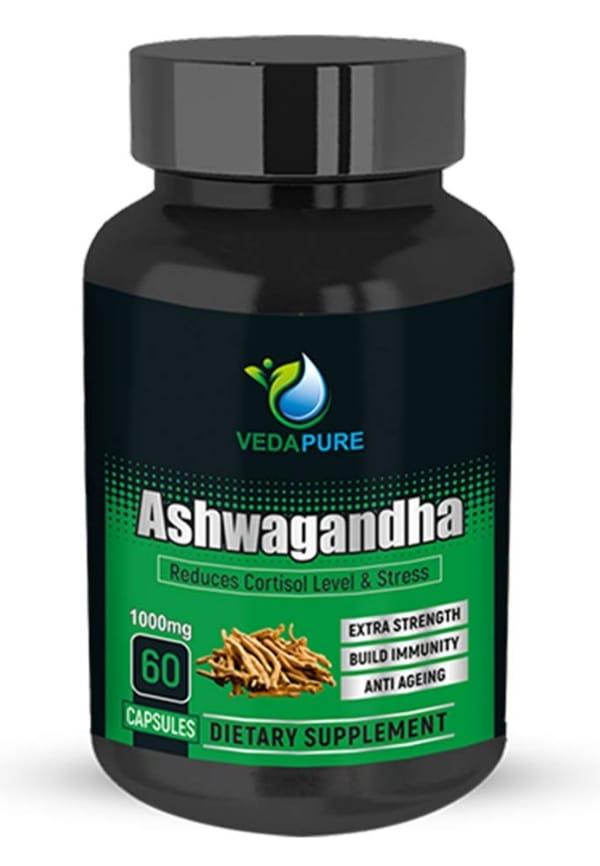
Ashwagandha Anxiety & Stress Relief
Life's moving fast, and stress feels like it's everywhere—work deadlines, endless notifications, that never-ending to-do list. But here's the thing: you don't need hours of meditation or expensive spa treatments to find your calm. Easy relaxation techniques are your secret weapon for instant stress relief, and they're simpler than you think. Whether you've got two minutes between meetings or need a proper wind-down routine, these science-backed methods can transform how you handle daily pressure. Let's dive into practical, doable ways to master relaxation that actually fit into your real life.
Easy relaxation techniques are simple, accessible methods designed to activate your body's natural relaxation response. Think of them as your personal reset button—quick ways to shift from stressed to centred without needing special equipment or hours of practice.
The science behind these techniques is pretty fascinating. When you're stressed, your sympathetic nervous system kicks into high gear, releasing cortisol and adrenaline. Relaxation techniques activate the parasympathetic nervous system, which does the opposite—it slows your heart rate, lowers blood pressure, and helps your body return to a calm state.
These stress relief methods offer benefits that go way beyond just feeling better in the moment:
What makes these techniques "easy" is their accessibility. Unlike complex self-care routines that require planning and preparation, effective relaxation can happen anywhere—your desk, the tube, even in a busy café. The key is finding methods that work for your lifestyle and stress patterns.
Ready to try something that works immediately? These anxiety reduction strategies are perfect for beginners and can be done virtually anywhere. Each one takes five minutes or less, making them ideal for busy schedules.
This is probably the most powerful quick fix in your relaxation toolkit. The 4-7-8 breathing pattern helps regulate your nervous system almost instantly.
Here's how to do it: Breathe in through your nose for 4 counts, hold for 7 counts, then exhale through your mouth for 8 counts. Repeat this cycle 3-4 times. The extended exhale is what triggers the relaxation response—it's like telling your body "we're safe now."
This technique involves tensing and then releasing different muscle groups. Start with your toes—clench them tight for 5 seconds, then let go completely. Notice the contrast between tension and relaxation. Work your way up through your legs, abdomen, arms, and face. The whole process takes about 5 minutes and leaves you feeling genuinely relaxed.
When anxiety hits, this grounding technique brings you back to the present moment. Look around and name 3 things you can see, 3 sounds you can hear, and move 3 parts of your body. It's simple but incredibly effective for breaking the cycle of anxious thoughts.
Close your eyes and imagine a place where you feel completely peaceful—maybe a beach, a cosy room, or a quiet garden. Spend 2-3 minutes really building the scene in your mind. What do you see, hear, smell? This mental escape gives your stress response a proper break.
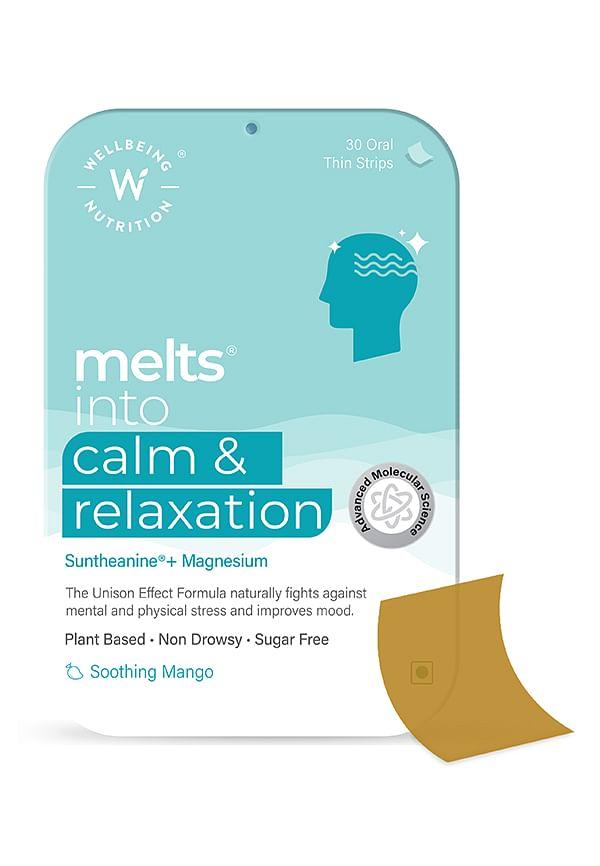
Melts Calm & Relaxation Plant Based Stress & Anxiety Reliever
Starting from the top of your head, mentally scan down through your body. Notice any areas of tension without trying to change anything—just observe. This mindfulness exercise helps you become aware of physical stress you might not have noticed.
Not all stressful moments are the same, so your relaxation approach shouldn't be either. Here's how to adapt these peaceful practices to fit whatever situation you're in.
Desk-friendly techniques are lifesavers during busy workdays. Try the "desk breathing" method—place one hand on your chest, one on your stomach, and focus on making the bottom hand move more than the top one. You can also do seated spinal twists or shoulder rolls to release physical tension.
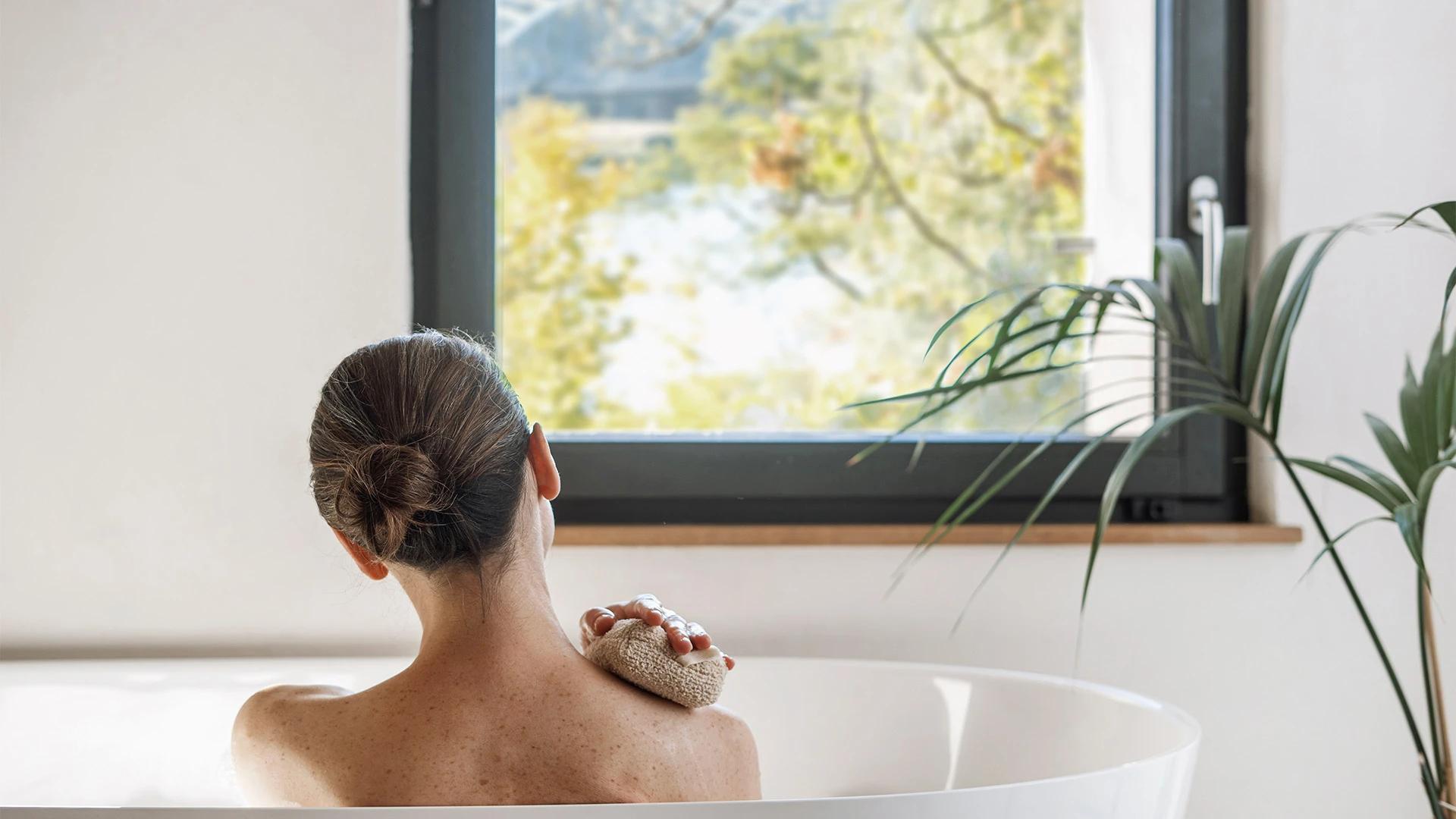
This is where you can really lean into comprehensive self-care routines. Create a calming environment with dim lighting, maybe some essential oils, and try longer practices like guided meditation or gentle yoga stretches. Even a warm bath with Epsom salts can be incredibly restorative.
Mobile stress management is all about techniques that don't draw attention. Practice mindful walking—focus on the sensation of your feet touching the ground. Or try the "5-4-3-2-1" technique: notice 5 things you can see, 4 you can touch, 3 you can hear, 2 you can smell, and 1 you can taste.
Evening relaxation tips focus on preparing your mind and body for rest. Try the "brain dump" technique—write down everything on your mind for tomorrow, then do some gentle stretching or listen to calming music. Progressive muscle relaxation works brilliantly here too.
Mindfulness isn't just about sitting in silence—it's about bringing awareness to everyday activities. These exercises help you build emotional wellbeing throughout your day without adding extra time to your schedule.
Morning mindfulness can set the tone for your entire day. Before checking your phone, spend 5 minutes doing gentle stretches while paying attention to how your body feels. This simple practice helps you start from a centred place rather than immediately jumping into reactive mode.
Turn one meal a day into a mindfulness practice. Eat slowly, notice flavours and textures, and put your phone away. This not only helps with stress management but often improves digestion too.
Whether you're walking to the shops or just around your neighbourhood, use this time for mindfulness. Focus on the rhythm of your steps, the feeling of air on your skin, or the sounds around you. It's meditation in motion.
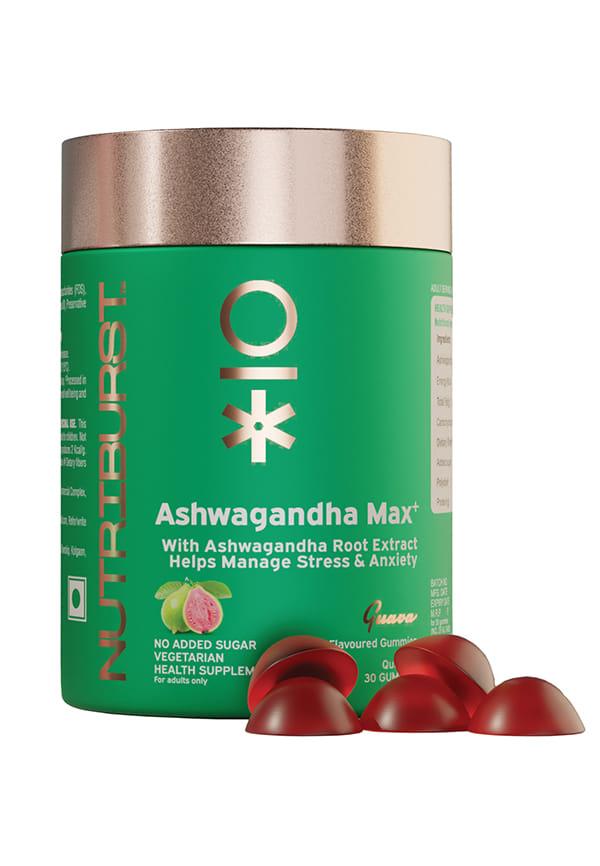
Ashwagandha Max Gummies for Stress Management
Set gentle reminders on your phone to check in with your breathing. Just three conscious breaths can shift your mental state and help maintain emotional balance.
While quick techniques are brilliant for immediate relief, building long-term mental wellness requires consistent practices. Research shows that regular relaxation practice actually changes your brain, making you more resilient to stress over time.
Studies in psychology journals consistently show that people who practice relaxation techniques regularly have lower cortisol levels, better immune function, and improved emotional regulation. The key is finding activities that you genuinely enjoy, so they don't feel like another chore.
These movement-based practices combine physical activity with mindfulness. Even 10-15 minutes of gentle yoga can significantly reduce stress hormones while improving flexibility and strength.
Creative activities activate different parts of your brain, providing a natural break from analytical thinking. Whether it's doodling, playing an instrument, or just listening to calming music, these activities promote emotional wellbeing.
Spending time outdoors, even just sitting in a park for 10 minutes, has measurable stress-reduction benefits. The Japanese practice of "forest bathing" involves simply being present in nature—no hiking required.
Certain scents like lavender, chamomile, and eucalyptus have been shown to activate relaxation responses. You might discover your perfect calming scent through trial-sized aromatherapy products, allowing you to find what works best for your stress management routine.
The most effective approach to relaxation isn't one-size-fits-all—it's about creating a personalised toolkit that works for your specific stress patterns and lifestyle. Think of it as building your own wellness arsenal.
Start by paying attention to your stress triggers and patterns. Do you feel most tense in the morning, during work, or at night? Are you someone who carries stress in your shoulders, or do you feel it more as racing thoughts? Understanding your unique stress signature helps you choose the most effective techniques.
A good toolkit includes techniques for different time frames and situations. You want quick 2-minute fixes for busy moments, 10-15 minute practices for regular maintenance, and longer 30+ minute sessions for deeper restoration. Mix physical techniques (like breathing and muscle relaxation) with mental ones (like visualisation and mindfulness).
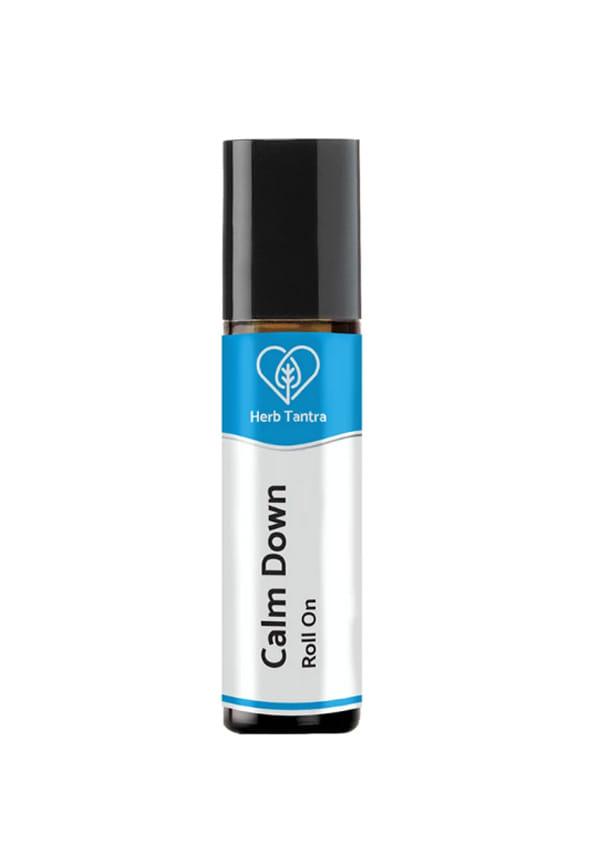
Calm Down Anxiety Relief Roll-On
This stress management framework helps you approach stressful situations strategically: Avoid unnecessary stressors when possible, Alter situations you can change, Accept what you can't control, and Adapt your response to reduce the impact.
Build relaxation into your routine at different levels. Daily might be 5 minutes of morning breathing or evening stretches. Weekly could include a longer yoga session or nature walk. Monthly might involve trying new relaxation techniques or reassessing what's working in your routine.
Just like discovering new beauty or wellness products, finding your ideal relaxation techniques often involves some experimentation. Smytten's approach to trying before committing applies perfectly here—you want to test different methods to see what genuinely works for your lifestyle and stress patterns.
The five core techniques are deep breathing exercises, progressive muscle relaxation, mindfulness meditation, visualisation, and gentle movement like yoga or tai chi. Each targets different aspects of the stress response and can be adapted for various situations.
Some techniques work immediately—deep breathing can calm your nervous system within minutes. However, the full benefits develop over time. Regular practice for 2-4 weeks typically leads to noticeable improvements in overall stress levels and emotional resilience.
Relaxation techniques are excellent complementary tools for managing anxiety, but they shouldn't replace professional medical treatment for clinical anxiety disorders. They work brilliantly alongside therapy or medication and can enhance overall treatment effectiveness.
Deep breathing is usually the most accessible starting point. It requires no special equipment, can be done anywhere, and provides immediate benefits. The 4-7-8 technique is particularly effective because it's simple to remember and works quickly.
For optimal mental wellness, aim for some form of relaxation practice daily, even if it's just 5 minutes. Consistency matters more than duration—regular short sessions are more beneficial than occasional long ones.
Mastering easy relaxation techniques isn't about perfection—it's about finding practical ways to manage stress that actually fit into your real life. Whether you've got 30 seconds for a few deep breaths or 30 minutes for a proper wind-down session, there's always something you can do to support your mental wellness.
The beauty of these techniques lies in their simplicity and accessibility. You don't need expensive equipment, special training, or hours of free time. What you need is the willingness to experiment and find what works for your unique stress patterns and lifestyle.
Remember, building a sustainable relaxation practice is a bit like discovering your perfect skincare routine—it takes some trial and testing to find what genuinely works for you. Smytten understands this journey of discovery, offering curated trial experiences across wellness and lifestyle categories. With over 25 million users exploring everything from aromatherapy products to wellness essentials through trial packs, the platform makes it easy to discover what supports your relaxation routine without the commitment of full-size purchases. After all, why settle for 'maybe' when you can try it all and find what truly helps you unwind?
