How to Manage Stress-Induced Skin Problems Naturally

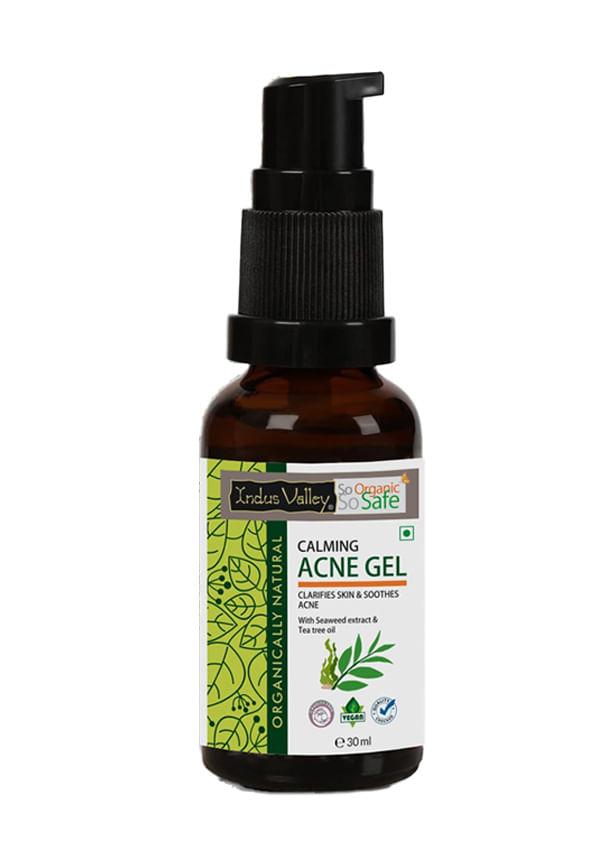
Calming Acne Gel with Seaweed Extract & Tea Tree Oil
Effective for acne, lightweight & calming
 4
4“help to reduce my acne.loved it..light weight and calming”
Let's be real—when life gets overwhelming, your skin often becomes the first to throw a tantrum. That connection between stress and skin problems isn't just in your head. Your skin literally wears your emotions, and when anxiety peaks, breakouts, rashes, and flare-ups often follow. The good news? Understanding this link is your first step towards naturally managing both your stress levels and achieving healthier skin. From stress acne that pops up before big presentations to stress eczema that flares during tough times, your skin is sending you signals worth listening to.
Your skin and brain are more connected than you might think. When you're stressed, your body releases cortisol—the primary stress hormone that can wreak havoc on your skin's natural balance. This isn't just surface-level drama; it's a complex biological response that affects everything from oil production to your skin's ability to heal itself. The science behind emotional stress skin reactions involves what researchers call the skin-brain axis. When your brain perceives stress, it sends signals through your nervous system that directly impact your skin cells. Cortisol increases oil production in your sebaceous glands, which can lead to clogged pores and breakouts. It also triggers inflammation throughout your body, making existing skin conditions stress-related worse. What's particularly fascinating is how this creates a cycle. Stress causes skin problems, which then cause more stress about your appearance, leading to even more skin issues. Studies show that up to 30% of dermatology patients report that stress significantly worsens their skin conditions. Your skin barrier—that protective layer that keeps moisture in and irritants out—becomes compromised when cortisol levels stay elevated for extended periods.
Recognising the specific ways stress shows up on your skin can help you address both the symptoms and the root cause. Different types of anxiety skin reactions have distinct patterns and characteristics that set them apart from other skin issues.
Stress acne typically appears in specific locations that differ from hormonal breakouts. You'll often notice these pimples along your jawline, temples, and forehead—areas where you might unconsciously touch your face when anxious. Unlike regular acne, stress-induced breakouts tend to be deeper, more inflamed, and take longer to heal.
Stress eczema flare-ups often appear as red, itchy patches that seem to come out of nowhere during particularly challenging periods. The skin becomes dry, scaly, and sometimes develops small blisters. Common areas include the hands, neck, and inner elbows—places where the skin is naturally more sensitive.
When chronic stress impacts your immune system, it can trigger stress psoriasis or worsen existing patches. These appear as thick, silvery scales over red, inflamed skin. The skin inflammation stress connection is particularly strong with psoriasis, as emotional stress can trigger flare-ups that last for weeks or months.
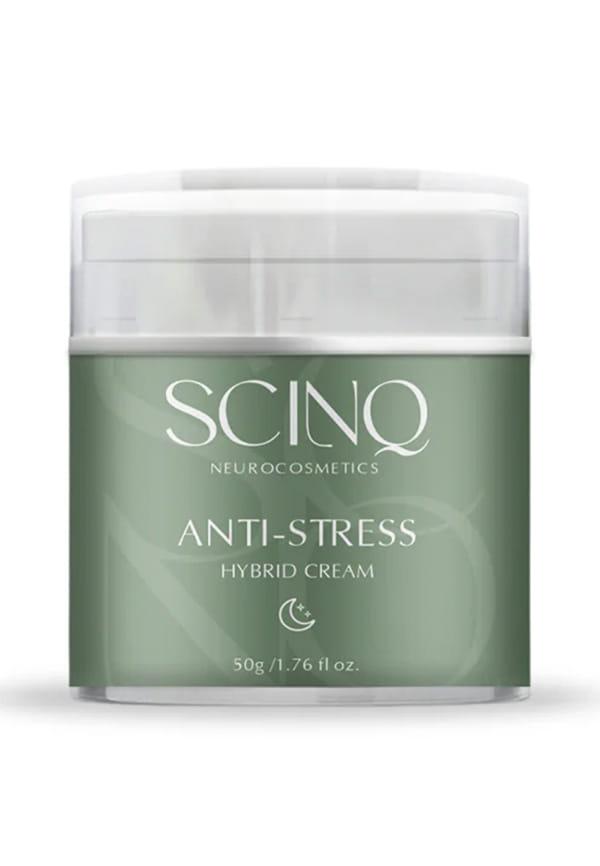
Anti Stress Hybrid Cream
Beyond the major conditions, stress can manifest as hives, stress rash outbreaks, or even accelerated ageing. Some people develop nervous habits like skin picking or hair pulling during stressful periods, which can create additional skin trauma and scarring.
Understanding what happens beneath the surface can help you appreciate why wellness skin health requires addressing stress alongside topical treatments. When cortisol floods your system, it doesn't just affect oil production—it fundamentally alters how your skin functions. Cortisol breaks down collagen and elastin, the proteins that keep your skin firm and elastic. This is why chronic stress can lead to premature wrinkles and sagging. The hormone also impairs your skin's natural healing processes, meaning cuts, blemishes, and irritation take longer to resolve. Skin inflammation stress responses involve increased production of inflammatory molecules called cytokines. These create the redness, swelling, and sensitivity you experience during flare-ups. Simultaneously, stress disrupts your sleep patterns, and since most skin repair happens during deep sleep, this creates another layer of damage. Oxidative stress—damage from free radicals—also increases when you're emotionally stressed. This accelerates cellular ageing and can trigger various skin conditions. Your skin's natural barrier function becomes compromised, making it more susceptible to environmental irritants and allergens.
Identifying whether your skin issues stem from stress can help you choose the most effective treatment approach. Coping with stress skin problems becomes much easier when you understand the connection. Timing is often the biggest clue. If your skin problems coincide with major life events, work deadlines, or relationship challenges, stress is likely a contributing factor. Unlike seasonal allergies or product reactions, stress-related skin issues often appear during emotionally challenging periods. Location patterns also tell a story. Stress-related breakouts commonly appear on areas you touch when anxious—your face, neck, and chest. If you notice skin problems in these zones during stressful times, the connection is probably more than coincidental. Accompanying symptoms provide additional evidence. When skin problems appear alongside headaches, muscle tension, sleep disturbances, or digestive issues, stress is often the common denominator affecting multiple body systems. Behavioural changes can worsen stress-related skin conditions. If you find yourself picking at your skin, skipping your skincare routine, or eating poorly during stressful periods, these habits can compound the direct effects of stress hormones. Finally, consider how your skin responds to relaxation. If your skin improves during holidays or peaceful periods, this suggests stress plays a significant role in your skin health.
Addressing the root cause of stress and skin problems often requires a holistic approach that calms both your mind and your skin. The most effective strategies work on multiple levels, reducing cortisol production while supporting your skin's natural healing processes.
Meditation and mindfulness practices can significantly reduce cortisol levels, often showing improvements in skin conditions within weeks. Even ten minutes of daily deep breathing can help regulate your stress response and improve wellness skin health. Yoga combines physical movement with stress reduction, making it particularly effective for skin health. Certain poses that increase blood flow to the face can enhance skin circulation and promote healing.
Sleep hygiene plays a crucial role in skin repair and stress management. Aim for seven to nine hours of quality sleep, as this is when your skin does most of its healing and regeneration work. Regular exercise helps metabolise stress hormones and improves circulation, bringing nutrients to your skin cells. However, remember to cleanse your skin after workouts to prevent sweat-related breakouts.
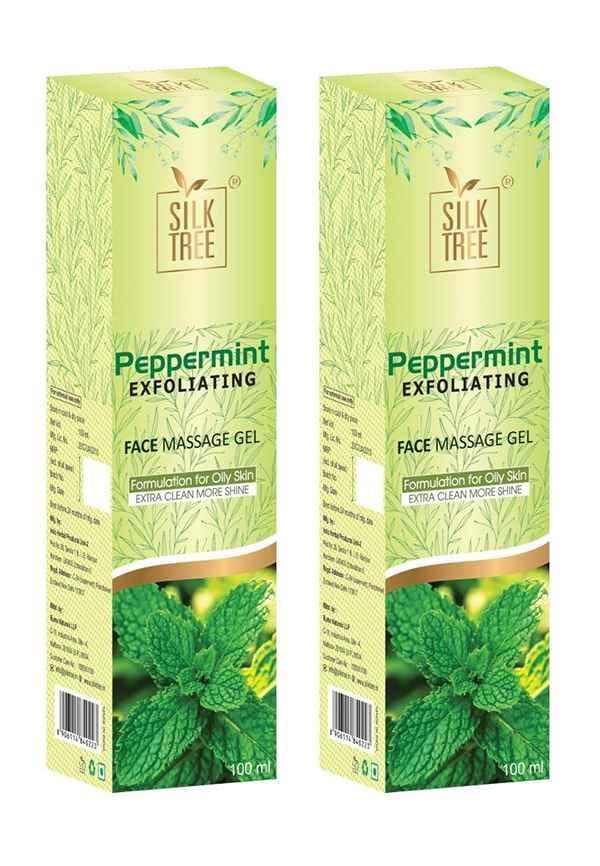
Peppermint Exfoil Face Massage Gel For Oily Skin
Sometimes coping with stress skin issues requires professional help. If stress is significantly impacting your life and skin, consider speaking with a mental health professional who can help you develop personalised stress management strategies.
While managing stress addresses the root cause, gentle skincare can help heal and protect your skin during challenging periods. The key is choosing products that support your skin barrier without adding additional irritation.
Stressed skin needs extra gentle care. Look for pH-balanced cleansers that won't strip your skin's natural oils. Ingredients like ceramides and hyaluronic acid can help repair and strengthen your skin barrier.
Natural anti-inflammatory ingredients can help calm anxiety skin reactions. Chamomile, green tea, and aloe vera have soothing properties that can reduce redness and irritation. However, always patch test new ingredients, as stressed skin can be more reactive than usual.
For stress acne, gentle exfoliation with salicylic acid or natural alternatives like willow bark can help unclog pores without over-drying. For eczema and dermatitis, focus on moisturising and barrier repair with ingredients like oatmeal and shea butter. This is where platforms like Smytten become invaluable for your wellness journey. As India's largest product discovery platform, Smytten connects you with over 1,500 trusted brands including Cetaphil, Dot & Key, and Love, Beauty & Planet. Instead of committing to full-size products that might not work for your stressed skin, you can try curated trial packs to find what actually helps your specific concerns. With up to 8 minis for just ₹249 and 100% cashback redeemable for future orders, you can experiment with different natural skincare solutions without the financial stress of buying full-size products that might not suit your skin.
Developing a sustainable approach to managing emotional stress skin issues requires understanding your unique triggers and responses. Start by keeping a simple diary noting when skin problems appear alongside stressful events or emotions. Create a daily routine that addresses both stress management and skin care. This might include morning meditation, gentle skincare, regular meals, and evening relaxation practices. Consistency matters more than perfection—small daily actions compound over time. Progress tracking helps you identify what works best for your skin and stress levels. Note improvements in both your emotional wellbeing and skin condition, as these often improve together. Remember that healing takes time, and stress-related skin issues often require several weeks of consistent care to show significant improvement. Building long-term resilience involves developing healthy coping mechanisms before stress peaks. This might include regular exercise, maintaining social connections, and having a toolkit of stress-reduction techniques ready when you need them.
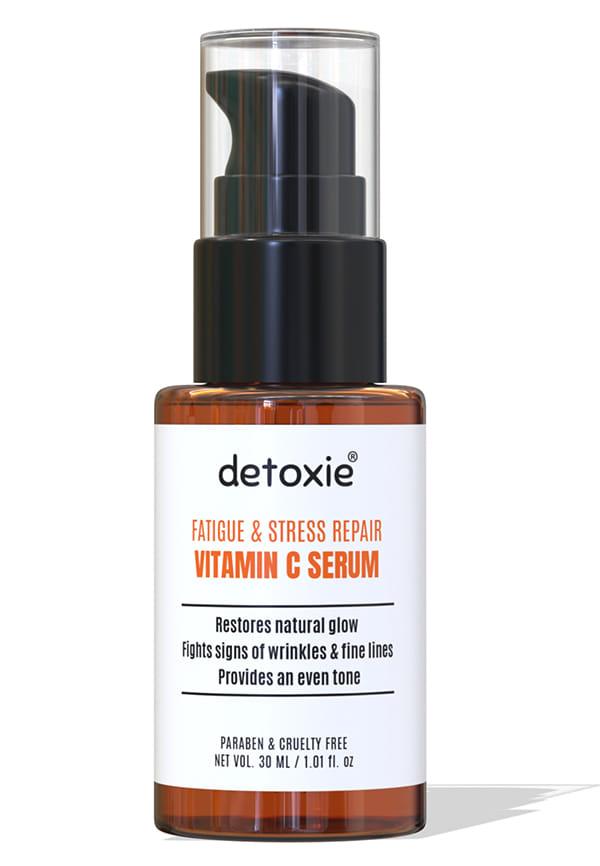
Fatigue & Stress Repair Vitamin C face Serum
Excellent Vit C Serum
5“very good vit c serum for sensitive skin”
Stress can impact your skin within hours to days. Acute stress might trigger immediate reactions like flushing or hives, while chronic stress typically shows effects within a few days to weeks through increased breakouts or flare-ups of existing conditions.
While most stress-related skin problems are reversible with proper care, chronic stress can contribute to premature ageing and may worsen certain conditions like psoriasis. Early intervention with stress management and appropriate skincare can prevent most permanent damage.
Stress acne typically appears on the upper face, temples, and areas you touch when anxious, while hormonal acne usually concentrates around the jawline and chin. Stress acne often coincides with stressful events, whereas hormonal acne follows menstrual cycles.
Stress pimples commonly appear on the forehead, temples, jawline, and areas where you unconsciously touch your face when anxious. They may also appear on the chest and back, particularly if you experience physical tension in these areas.
Focus on stress reduction through meditation, exercise, and adequate sleep while using gentle, barrier-repairing skincare products. Natural anti-inflammatory ingredients like chamomile and green tea can help, along with maintaining a consistent, gentle skincare routine.
The connection between stress and skin problems is real and scientifically proven, but it's also manageable with the right approach. Understanding how your emotions affect your skin empowers you to address both the symptoms and the root cause effectively. Remember that healing stressed skin takes time and patience. Focus on gentle, consistent care rather than harsh treatments that might worsen inflammation. The most effective approach combines stress management techniques with appropriate skincare, creating a holistic wellness routine that supports both your mental health and skin health. Your skin reflects your overall wellbeing, so treating it with kindness—both through stress management and gentle skincare—creates positive changes that extend far beyond your complexion. With platforms like Smytten, you can explore different wellness and skincare solutions through trial-sized products, making it easier and more affordable to find what works best for your unique needs. After all, why settle for maybe when you can try it all and discover what truly helps your skin thrive, even during stressful times?
