How to Manage PCOS Hair Loss: Expert Guide


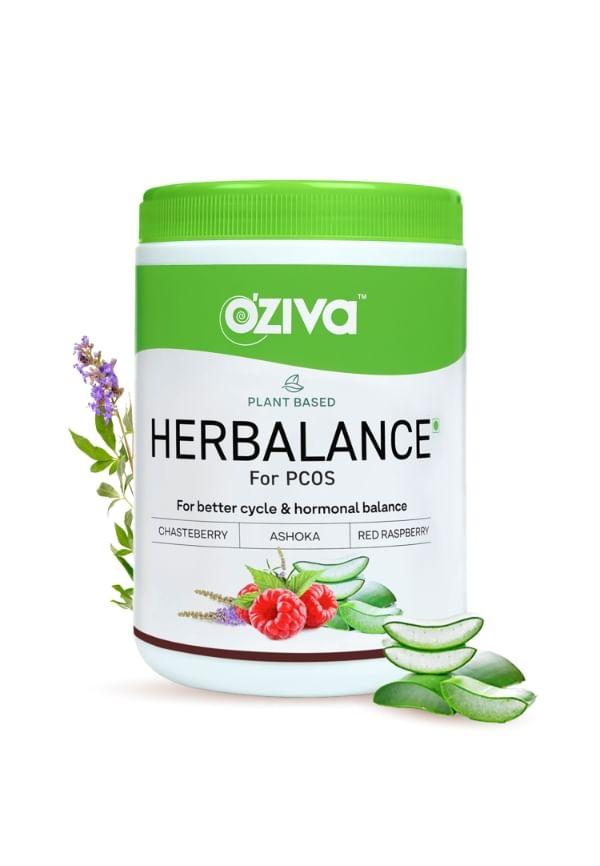
Plant based HerBalance for PCOS for Better Menstrual Cycle and Hormonal Balance
Good Product, Great Results
 5
5“I love this product he use Kiya hai kafi acha result mila hai”
Good Product, Great Results
5“I love this product he use Kiya hai kafi acha result mila hai”
Good Product, Great Results
5“I love this product he use Kiya hai kafi acha result mila hai”
Dealing with PCOS hair loss can feel overwhelming, especially when you're already managing other symptoms. If you've noticed your hair thinning at the crown, wider partings, or more strands in your brush than usual, you're not alone. PCOS affects millions of women worldwide, and hair loss is one of its most distressing symptoms. The good news? With the right approach combining medical treatments, lifestyle changes, and targeted care, you can tackle PCOS hair thinning head-on. Let's dive into what actually works and how to create a plan that fits your life.
PCOS hair loss isn't just about genetics—it's a complex interplay of hormones gone rogue. When you have PCOS, your body produces excess androgens (male hormones like testosterone), which get converted into DHT (dihydrotestosterone). This hormone is basically kryptonite for your hair follicles, causing them to shrink and eventually stop producing hair altogether.
But here's where it gets interesting: androgenetic alopecia PCOS doesn't work exactly like male pattern baldness. Instead of a receding hairline, you'll typically see thinning at the crown and temples, plus that dreaded widening part. The hair loss causes in PCOS also include insulin resistance, which creates inflammation that further damages hair follicles. Think of it as a perfect storm where hormones, inflammation, and genetics team up against your hair.
Your ovaries and adrenal glands are working overtime, pumping out androgens that your hair follicles really don't appreciate. This hormonal chaos doesn't just affect your scalp—it can also lead to hirsutism (unwanted hair growth) in other areas, which feels particularly unfair when you're losing hair where you want it most.
Insulin resistance, common in PCOS, creates a cascade of problems. High insulin levels trigger more androgen production, whilst also promoting inflammation throughout your body. This inflammatory environment makes it harder for hair follicles to function properly, leading to weaker, thinner hair that's more prone to shedding.
PCOS hair thinning often starts subtly, which is why many women don't realise what's happening until significant damage is done. Unlike sudden hair loss from stress or illness, PCOS-related hair loss is gradual and follows specific patterns that mirror female pattern baldness.
The earliest sign is usually increased PCOS hair shedding during washing or brushing. If you're finding more than 100 strands daily (yes, count them for a week), that's your first red flag. Next, you might notice your ponytail feeling thinner or needing an extra wrap with your hair tie.
Crown thinning is the hallmark of female pattern baldness PCOS. You'll notice the hair at the top of your head becoming sparse, whilst the sides and back remain relatively unaffected. Your parting might also start looking wider, and you may see more scalp showing through.
Some women experience temple recession similar to male pattern baldness, though it's usually less dramatic. The hairline might recede slightly at the temples, creating a more pronounced widow's peak or simply making your forehead appear larger.
When it comes to PCOS hair loss treatment, medical intervention often provides the most dramatic results. The key is addressing the root cause—those pesky androgens—rather than just treating the symptoms. Your doctor might recommend several approaches, often used in combination for maximum effectiveness.
Anti-androgen medications like spironolactone work by blocking DHT receptors in your hair follicles. Think of it as putting up a shield against the hormones trying to damage your hair. Most women see improvements within 6-12 months, though it can take up to two years for full results.
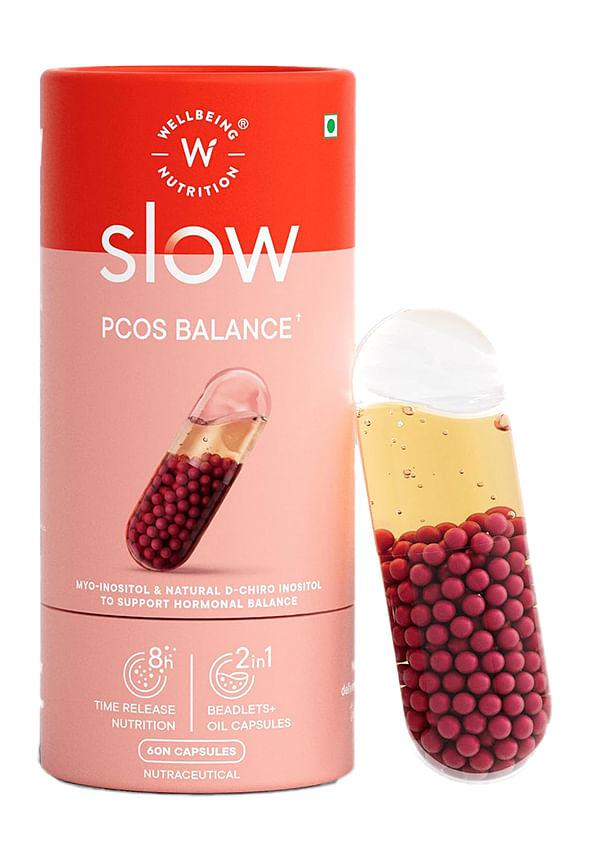
Slow PCOS Supplement for Women | Caronositol, Myo-inositol, Vitamins
Hopeful for promised delivery
4“I hope it delivers what it has promise ”
Positive Product Review
5“good product....................”
Certain oral contraceptives can help regulate your hormones and reduce androgen production. Pills containing cyproterone acetate or drospirenone are particularly effective for PCOS and alopecia. They work by suppressing ovarian androgen production whilst providing consistent hormone levels.
Minoxidil (Rogaine) remains the gold standard for topical hair loss treatment. It works by increasing blood flow to hair follicles and extending the growth phase of hair. The 5% solution is typically more effective than the 2% version, though it may cause initial increased shedding as weak hairs are replaced by stronger ones.
Metformin, commonly prescribed for PCOS, can indirectly help with hair loss by improving insulin sensitivity. When your insulin levels stabilise, androgen production often decreases, creating a more hair-friendly hormonal environment.
PCOS hair loss remedies don't have to be complicated or expensive. Sometimes the most effective approaches are the simplest ones that address inflammation, improve circulation, and support overall hormonal balance. These natural methods work best when combined with medical treatment, not as replacements.
Diet plays a massive role in managing PCOS symptoms, including hair loss. An anti-inflammatory diet rich in omega-3 fatty acids, antioxidants, and low-glycemic foods can help reduce the inflammation that contributes to hair follicle damage. Think Mediterranean-style eating with plenty of fish, leafy greens, berries, and nuts.
Chronic stress elevates cortisol, which can worsen PCOS symptoms and accelerate hair loss. Regular meditation, yoga, or even just daily walks can help keep stress hormones in check. The goal isn't to eliminate stress entirely (impossible!) but to manage your response to it.
Regular scalp massage isn't just relaxing—it actually increases blood flow to hair follicles, potentially supporting PCOS hair regrowth. Use gentle circular motions with your fingertips for 5-10 minutes daily. Adding essential oils like rosemary or peppermint may provide additional benefits, though always dilute them properly.
Regular exercise improves insulin sensitivity and can help reduce androgen levels. However, avoid excessive high-intensity workouts, which can increase cortisol and potentially worsen PCOS symptoms. Moderate cardio, strength training, and yoga tend to work best.
The supplement world can feel like a minefield, especially when you're desperate for solutions. PCOS hair loss supplements that actually work are backed by research and target the specific mechanisms behind PCOS-related hair loss. Quality matters more than quantity here—a few well-chosen supplements often work better than handfuls of random vitamins.
Inositol deserves special mention as it's particularly effective for PCOS. This vitamin-like substance helps improve insulin sensitivity and may reduce androgen levels. Studies suggest 2-4 grams daily can make a significant difference in PCOS symptoms, including hair loss.
Vitamin D deficiency is common in women with PCOS and may contribute to hair loss. Most women need 1000-4000 IU daily, though it's worth getting your levels tested first. Zinc is another crucial mineral—it supports hair growth and may help reduce DHT production. Aim for 15-30mg daily, preferably with food to avoid stomach upset.
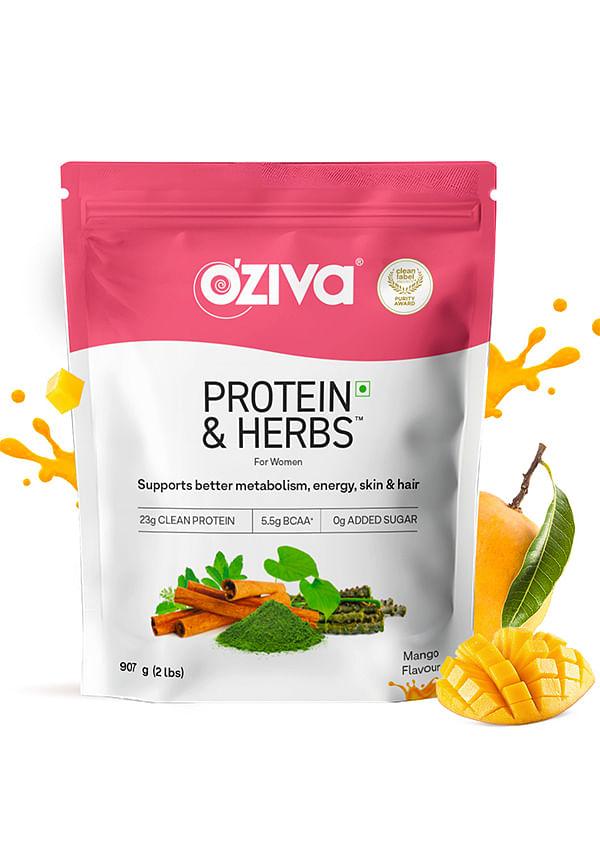
Protein & Herbs, Women for Better Metabolism, Skin & Hair - Mango
Good Quality Protein
5“protein powder is very good quality”
Tasty and Protein-Rich
4“good taste and had good amount of protein”
Whilst biotin won't cure PCOS hair loss on its own, it supports healthy hair growth when combined with other treatments. A B-complex vitamin ensures you're getting adequate folate, B6, and B12, all important for hair health. Iron is also crucial—many women with PCOS have low iron stores, which can worsen hair loss.
These healthy fats help reduce the inflammation that contributes to hair follicle damage. Fish oil supplements providing 1-2 grams of combined EPA and DHA daily can make a noticeable difference in hair quality over time.
This might sound too simple to work, but studies show that drinking spearmint tea twice daily can help reduce androgen levels in women with PCOS. It's a gentle, natural way to support your other treatments.
When standard treatments aren't enough, advanced therapies can provide the extra boost needed for PCOS hair regrowth. These treatments are typically more expensive and time-consuming, but they can be game-changers for women with severe hair loss who haven't responded well to conventional approaches.
Low-level laser therapy (LLLT) uses specific wavelengths of light to stimulate hair follicles and improve cellular function. FDA-approved devices are available for home use, though professional treatments tend to be more powerful. Most people need 3-4 sessions per week for several months to see results.
PRP involves drawing your blood, concentrating the platelets, and injecting them into your scalp. The growth factors in platelets can help rejuvenate dormant hair follicles. Whilst the research is still emerging, many women report good results with monthly treatments for 3-6 months.
Using a derma roller on your scalp can improve the absorption of topical treatments like minoxidil. The tiny punctures created by the needles also stimulate blood flow and may trigger the body's healing response. Use a 0.5-1.5mm roller once or twice weekly.
For severe cases where other treatments haven't worked, hair transplants can be an option. However, it's crucial to have your PCOS well-controlled first, as ongoing hormonal imbalances can affect transplant success. This is typically considered a last resort after other treatments have been tried.
Creating an effective plan means combining multiple approaches whilst being realistic about timelines and expectations. Hair growth is slow—even with the best treatments, you're looking at 6-12 months before seeing significant improvements. The key is consistency and patience, two things that can feel impossible when you're watching your hair disappear.
Start with the basics: get your hormones tested, work with a healthcare provider familiar with PCOS, and begin with proven treatments like anti-androgens or hormonal birth control. Add lifestyle changes gradually—trying to overhaul everything at once often leads to burnout and inconsistency.
When exploring haircare products to support your treatment plan, platforms like Smytten can be incredibly helpful. As India's largest product discovery and trial platform, Smytten offers curated trial packs from over 1,500 trusted brands, letting you test different haircare solutions before committing to full-size purchases. With trial packs available for just ₹249 and 100% cashback on minis, you can explore various treatments without the financial risk of buying products that might not work for your specific needs.
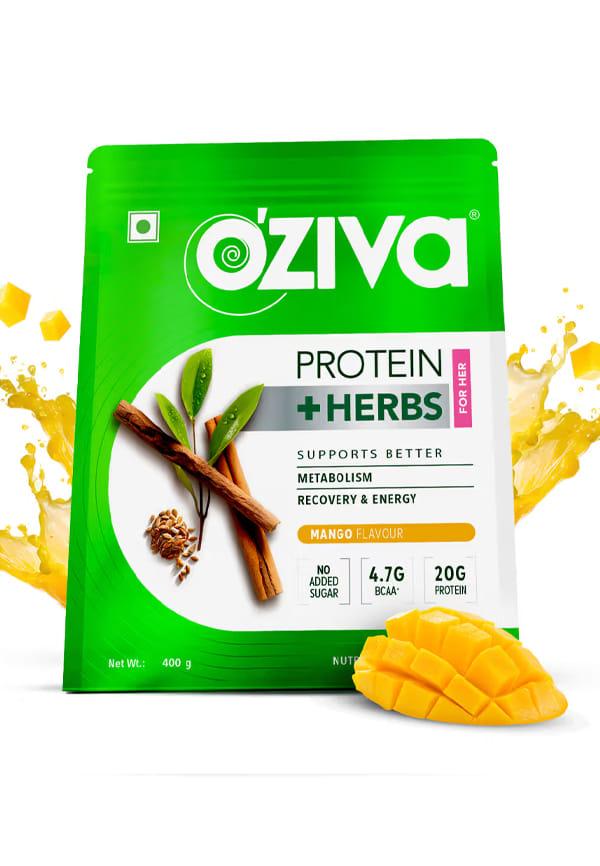
Protein & Herbs, Women for Better Metabolism, Skin & Hair - Mango
Good Quality Product
4“good quality 😁💯💯💯💯💯💯💯💯💯💯💯”
Positive Product Review
4“good product and good quality.”
OZiva: Strength & Energy
5“I really like OZiva protein and herbs for women. It gives strength to the muscles and keep you energetic the whole day.”
Document your journey with photos taken in consistent lighting and angles. Measure your ponytail circumference monthly and keep a hair shedding diary. This helps you spot improvements that might be too gradual to notice day-to-day.
Be prepared to modify your plan based on results and side effects. What works for one person might not work for another, and PCOS symptoms can change over time. Regular check-ins with your healthcare provider help ensure you're on the right track.
Once you start seeing improvements, resist the urge to stop treatments. PCOS is a chronic condition, and hair loss can return if underlying hormonal imbalances aren't maintained. Think of your treatment plan as a long-term lifestyle rather than a quick fix.
Yes, PCOS hair loss can regrow with proper treatment. Early intervention with hormone-balancing medications, lifestyle changes, and targeted supplements can restore hair density within 6-12 months. The key is addressing the underlying hormonal imbalances causing the hair loss.
Prevent PCOS hair loss by managing insulin resistance through diet and exercise, maintaining hormonal balance with appropriate medications, taking targeted supplements like inositol and vitamin D, and working with healthcare providers for early intervention when symptoms first appear.
The most effective supplements include vitamin D (1000-4000 IU daily), zinc (15-30mg), biotin, inositol (2-4g), omega-3 fatty acids, and spearmint tea extract. Always consult a healthcare provider before starting any supplement regimen to ensure proper dosing and avoid interactions.
Most women see initial improvements in hair shedding within 3-4 months, with visible regrowth becoming apparent after 6-12 months of consistent treatment. Hair growth cycles require patience, and full results may take up to two years with sustained intervention.
Whilst natural methods like diet changes, stress management, and supplements can significantly improve PCOS hair loss, combining these lifestyle modifications with medical treatments typically provides the best results for substantial hair regrowth and long-term management.
Managing PCOS hair loss isn't about finding one magic solution—it's about creating a comprehensive approach that addresses the complex hormonal imbalances at the root of the problem. The combination of medical treatments, lifestyle changes, and targeted supplements offers the best chance for meaningful hair regrowth and long-term management.
Remember, every woman's PCOS journey is different. What works brilliantly for your friend might need tweaking for your specific situation. The key is working with healthcare providers who understand PCOS, being consistent with your chosen treatments, and giving them adequate time to work. Hair regrowth is a marathon, not a sprint, but with the right approach, you can reclaim both your hair and your confidence.
When exploring new haircare products to support your treatment plan, consider trying before you buy. With options to test products through trial sizes, you can find what works for your specific needs without the commitment of full-size purchases. After all, why settle for maybe when you can try it all and find what truly works for your hair?
