How to Maintain Sleep Health: Simple Steps for Better Sleep



Chamomile Herbal Infusion, Herbal Tea for Excellent Sleep
Ever find yourself staring at the ceiling at 2 AM, wondering how to maintain sleep health when your brain just won't switch off? You're definitely not alone. Quality sleep isn't just about feeling less grumpy the next morning—it's the foundation of everything from your immune system to your mental clarity. With our increasingly busy lives, getting proper rest has become more challenging than ever, yet it's never been more crucial for our overall wellness. The good news? Small, consistent changes to your sleep habits can make a massive difference. Whether you're dealing with occasional restless nights or chronic sleep struggles, understanding the science behind healthy sleep habits and implementing proven sleep hygiene tips can transform your nights and, honestly, your entire life. From natural sleep remedies to creating the perfect bedtime routine, let's explore practical ways to improve your sleep quality and wake up feeling genuinely refreshed. Plus, with platforms like Smytten offering wellness products that support better sleep, finding the right tools for your sleep journey has never been easier.
TL;DR
Sleep health involves consistent sleep hygiene tips, proper timing, and creating an optimal sleep environment
Daily habits like exercise timing, nutrition choices, and screen management significantly impact sleep quality
Natural sleep remedies and relaxation techniques can improve sleep without dependency on medications
Recognising sleep disorder symptoms early helps address issues before they become chronic problems
Simple changes to your sleep routine can deliver immediate improvements in both sleep quality and overall wellness
Sleep health goes way beyond just getting eight hours a night. It's about the quality, timing, and consistency of your rest, plus how refreshed you feel when you wake up. Think of it as your body's natural reset button—during sleep, your brain clears out toxins, your muscles repair themselves, and your immune system gets a proper boost.
The benefits of good sleep are honestly mind-blowing. Quality rest improves memory consolidation, helps regulate hormones that control hunger and stress, and even supports healthy skin cell renewal. On the flip side, sleep deprivation effects can be pretty serious—we're talking weakened immunity, weight gain, mood swings, and decreased cognitive function. Research shows that people who consistently get poor sleep are more likely to develop chronic conditions like diabetes, heart disease, and depression.
Sleep hygiene isn't about washing your sheets more often (though that helps too). It's about creating healthy sleep habits that signal to your body when it's time to wind down. The foundation of good sleep hygiene starts with consistency—going to bed and waking up at the same time every day, even on weekends.
Your pre-sleep routine should start about an hour before bedtime. This might include dimming the lights, doing some gentle stretches, or reading a book. The key is finding activities that genuinely relax you rather than stimulate your mind.
Here's a game-changer: the 3-3-3 rule. Stop exercising 3 hours before bed, finish eating 3 hours before sleep, and cut off caffeine 3 hours prior to bedtime. This simple framework helps your body naturally prepare for rest without fighting against stimulants or an overactive digestive system.
Your bedroom environment plays a massive role in sleep quality. Keep your room between 16-19°C, as cool as comfortable. Invest in blackout curtains or an eye mask, and consider earplugs or a white noise machine if you live in a noisy area. Even small amounts of light can disrupt your natural sleep cycles.
Getting better sleep actually starts the moment you wake up. Morning sunlight exposure helps regulate your circadian rhythm, so try to get outside within the first hour of waking. This natural light exposure tells your brain when to start producing melatonin later in the evening.
Exercise is brilliant for sleep, but timing matters. Regular physical activity can improve sleep quality by up to 65%, but intense workouts too close to bedtime can leave you wired. Aim to finish vigorous exercise at least 3 hours before sleep, though gentle yoga or stretching can actually help you wind down.

Swift Sleep, Natural Sleep Supplement With Magnesium, L-Theanine And Glycine
What you eat and drink throughout the day affects your sleep more than you might think. Large meals close to bedtime can cause discomfort and indigestion, whilst going to bed hungry can also keep you awake. Try to have your last substantial meal 2-3 hours before sleep.
Blue light from phones, tablets, and TVs can seriously mess with your melatonin production. Try to avoid screens for at least an hour before bed, or use blue light filtering glasses if you absolutely must use devices. Many phones now have night mode settings that reduce blue light emission in the evenings.
Natural sleep remedies can be incredibly effective for improving sleep quality without the side effects of sleep medications. Chamomile tea has been used for centuries as a gentle sleep aid—it contains apigenin, a compound that binds to brain receptors to promote sleepiness. Magnesium supplements can also help relax muscles and calm the nervous system.
Breathing exercises are surprisingly powerful for falling asleep faster. The 4-7-8 technique involves inhaling for 4 counts, holding for 7, and exhaling for 8. This pattern activates your parasympathetic nervous system, essentially telling your body it's time to relax.
This technique involves tensing and then releasing different muscle groups throughout your body, starting from your toes and working up to your head. It helps release physical tension whilst giving your mind something to focus on instead of racing thoughts.
Essential oils like lavender, bergamot, and sandalwood can create a calming atmosphere that promotes relaxation. You can use a diffuser, add a few drops to your pillow, or even apply diluted oils to your wrists or temples as part of your bedtime routine.
Your bedroom should be a sanctuary designed specifically for rest. Think of it as creating a sleep routine that starts the moment you enter the space. The goal is to train your brain to associate your bedroom with sleep and relaxation, not work or entertainment.
Your mattress and pillows play a crucial role in sleep quality. A good mattress should support your spine's natural alignment whilst being comfortable for your preferred sleeping position. Side sleepers typically need softer mattresses, whilst back and stomach sleepers often prefer firmer support.
Proper ventilation is often overlooked but incredibly important. Stuffy air can make you feel restless, whilst fresh air promotes deeper sleep. If possible, crack a window or use a fan to keep air circulating. Some people find that houseplants like snake plants or peace lilies can improve bedroom air quality naturally.
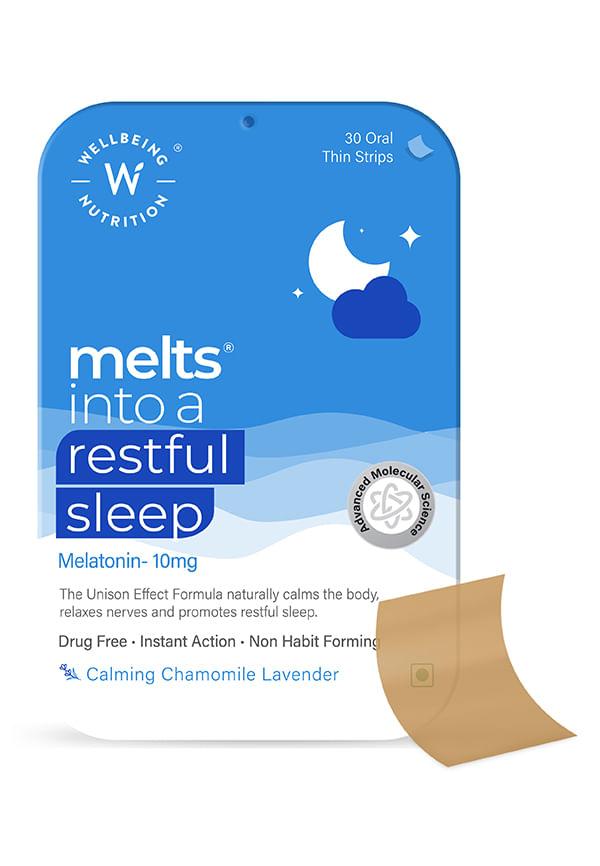
Melts Restful Sleep Melatonin 10mg with Tagara, Passion Flower, L-Theanine, Chamomile (30 Oral Strips)
Consider making your bedroom a phone-free zone, or at least keep devices on the other side of the room. If you use your phone as an alarm, try switching to a traditional alarm clock instead. This removes the temptation to scroll through social media when you should be winding down.
Sometimes, despite your best efforts with sleep hygiene tips and healthy sleep habits, you might still struggle with sleep. It's important to recognise when sleep issues might indicate something more serious than just poor habits. Sleep disorder symptoms can include chronic insomnia, loud snoring, gasping during sleep, or feeling exhausted despite getting adequate sleep hours.
Sleep deprivation effects extend beyond just feeling tired. If you're experiencing mood changes, difficulty concentrating, frequent illness, or weight fluctuations alongside sleep problems, it might be time to consult a healthcare professional.
Sleep apnoea, restless leg syndrome, and chronic insomnia are more common than many people realise. These conditions often require professional treatment, but recognising the symptoms early can lead to more effective management.
Sleep needs and patterns naturally change as we age. Teenagers typically need 8-10 hours of sleep, adults need 7-9 hours, and older adults often find they need slightly less sleep but may experience more frequent wake-ups during the night.
We've all been there—lying awake when we desperately need sleep. Having a few quick techniques in your back pocket can help when your usual routine isn't cutting it. The key is having strategies that work fast without requiring too much mental effort.
The 4-7-8 breathing method we mentioned earlier is particularly effective for emergency situations. It works by slowing your heart rate and activating your body's relaxation response. Another technique is the "body scan"—mentally checking in with each part of your body from head to toe, consciously relaxing any areas of tension.
When your mind won't quiet down, try the "alphabet game"—think of a category (like animals or foods) and go through the alphabet naming one item for each letter. This gives your brain something to focus on without being too stimulating.
If you wake up in the middle of the night and can't get back to sleep within 20 minutes, get out of bed and do a quiet, non-stimulating activity until you feel sleepy again. This prevents your brain from associating your bed with being awake and frustrated.

Chamomile Tea Bags, Pure Herbal Infusion for Sound Sleep
The 3-3-3 rule is a simple guideline for better sleep: stop exercising 3 hours before bed, finish eating 3 hours before sleep, and cut off caffeine 3 hours prior to bedtime. This helps your body naturally prepare for rest without fighting against stimulants or digestive processes.
Start with consistent sleep and wake times, create a relaxing bedtime routine, optimise your sleep environment (cool, dark, quiet), limit screen time before bed, and incorporate regular exercise into your day. Small changes like these can significantly improve your sleep quality over time.
Keep a consistent sleep schedule, create a cool and dark sleeping environment, avoid caffeine late in the day, establish a relaxing bedtime routine, and get natural sunlight exposure in the morning. These foundational changes address the most common sleep disruptors.
For most adults, 7-9 hours is the recommended range, but individual needs vary. Quality matters as much as quantity—7 hours of deep, uninterrupted sleep can be more beneficial than 9 hours of restless sleep. Pay attention to how you feel during the day to gauge if you're getting enough rest.
Smytten offers various wellness products that can support your sleep routine, from aromatherapy oils to relaxation teas. You can trial different products through their mini packs to find what works best for your sleep needs before committing to full-size purchases.
Maintaining sleep health isn't about perfection—it's about consistency and finding what works for your lifestyle. The most effective approach combines good sleep hygiene tips with attention to your daily habits, from morning sunlight exposure to evening wind-down routines. Natural sleep remedies and relaxation techniques can be powerful tools, especially when used alongside environmental optimisation and stress management.
Remember that improving sleep quality is often a gradual process. Start with one or two changes rather than overhauling your entire routine overnight. Whether it's implementing the 3-3-3 rule, creating a tech-free bedroom, or trying natural remedies like chamomile tea, small consistent changes tend to be more sustainable than dramatic shifts.
If you're still struggling with sleep despite trying these strategies, don't hesitate to seek professional help. Sleep disorders are common and treatable, and addressing them early can prevent more serious health issues down the line.
Quality sleep truly is the foundation of wellness, affecting everything from your immune system to your mental clarity and emotional resilience. The journey to better sleep health doesn't have to be complicated or expensive—often, the most effective solutions are the simplest ones. Whether you're exploring natural sleep remedies, adjusting your daily routine, or creating the perfect sleep environment, the key is finding sustainable habits that work for your unique lifestyle. Smytten makes this exploration easier by offering trial packs of wellness products that support better sleep, from aromatherapy essentials to relaxation teas. With over 1,500 trusted brands available for trial, you can discover what genuinely helps your sleep without the commitment of full-size purchases. The platform's 100% cashback on trials means you can experiment with different sleep-supporting products affordably, making it easier to build your perfect bedtime routine. After all, why settle for restless nights when you can try it all and find what truly works for your sleep health?
