How to Improve Gut Health and Digestion Naturally



Gut Cleansner
Your gut is basically your body's second brain, and honestly, it's been trying to tell you something. With 70% of your immune system living in your digestive tract, gut health and digestion aren't just about avoiding that post-lunch bloat—they're the foundation of your overall wellness. From energy levels to mood swings, skin breakouts to brain fog, your gut microbiome is pulling the strings behind the scenes. The good news? You don't need expensive treatments or complicated protocols to get things back on track. Whether you're dealing with occasional digestive drama or looking to optimise your gut health for long-term benefits, natural solutions can make a real difference. On Smytten, you'll find wellness brands that focus on digestive health, making it easier to discover what works for your unique needs. Let's dive into practical, science-backed strategies that'll have your gut thanking you in no time.
Your gut microbiome affects everything from immunity to mood, making digestive health crucial for overall wellness
Natural approaches like fibre-rich foods, probiotics, stress management, and proper hydration can significantly improve gut health
Common signs of poor gut health include chronic bloating, irregular bowel movements, fatigue, and skin issues
A structured 7-day gut reset plan can kickstart your digestive wellness journey
Consistency with small changes beats dramatic overhauls when it comes to lasting gut health improvements
Think of your gut as a bustling city where trillions of bacteria, fungi, and other microorganisms live together in what scientists call the gut microbiome. This microscopic community isn't just hanging out—it's actively working to keep you healthy, breaking down food, producing vitamins, and even communicating with your brain through what's known as the gut-brain axis.
Gut health refers to the balance and diversity of microorganisms in your digestive tract. When this ecosystem is thriving, beneficial gut bacteria outnumber the harmful ones, creating an environment where digestion flows smoothly and your immune system stays strong. The gut-brain connection means that what happens in your digestive system directly impacts your mental health—ever noticed how stress affects your stomach, or how certain foods can make you feel sluggish or energised?
Your digestive journey starts the moment food hits your mouth. Digestive enzymes in your saliva begin breaking down carbohydrates, whilst chewing mechanically breaks food into smaller pieces. As food travels through your stomach and intestines, different enzymes tackle proteins, fats, and complex carbohydrates. Meanwhile, your gut bacteria get to work fermenting fibre, producing short-chain fatty acids that nourish your intestinal lining and support overall digestive health.
Your body has a way of sending signals when your gut health needs attention. These warning signs often develop gradually, making them easy to dismiss as "normal" digestive quirks. Real talk—they're not normal, and recognising them early can save you from bigger health issues down the line.
Chronic bloating and gas after meals suggests your gut bacteria might be struggling to break down certain foods properly. Irregular bowel movements—whether that's constipation, diarrhoea, or alternating between both—indicate your digestive system isn't functioning optimally. Frequent heartburn or acid reflux can signal gut inflammation or an imbalance in stomach acid production.
Unexplained fatigue and low energy often trace back to poor nutrient absorption in the gut. When your digestive system can't properly extract vitamins and minerals from food, your energy levels suffer. Skin issues like acne, eczema, or rosacea frequently reflect internal inflammation that starts in the gut. Food intolerances and sensitivities that seem to appear out of nowhere usually indicate a compromised gut lining. Finally, mood changes and brain fog highlight that gut-brain connection—when your microbiome is off-balance, your mental clarity and emotional stability can take a hit.
If you're experiencing persistent symptoms that interfere with daily life, it's worth consulting a healthcare professional. Chronic digestive issues, unexplained weight changes, or severe abdominal pain warrant medical attention rather than self-treatment alone.
Ready to give your gut the TLC it deserves? These evidence-based strategies focus on nourishing your digestive system naturally, without relying on quick fixes or expensive supplements. The key is consistency—small, sustainable changes that become part of your daily routine.

Everyday Fiber, Enhance Your Digestive Health With Plant Based Fiber
Eat Fibre-Rich Whole Foods: Your gut bacteria absolutely love fibre—it's basically their favourite meal. Aim for 25-35 grams daily through foods like oats, legumes, berries, and leafy greens. Soluble fibre feeds beneficial bacteria, whilst insoluble fibre keeps things moving through your digestive tract. Start slowly if you're not used to high-fibre foods to avoid temporary bloating.
Include Probiotic Foods Daily: Fermented foods like yoghurt, kefir, kimchi, and sauerkraut introduce live beneficial bacteria directly into your gut. These probiotics help restore microbial balance and support digestive health. Aim for at least one serving daily, and choose varieties without added sugars for maximum benefit.
Add Prebiotic Foods: Prebiotics are the fuel that feeds your existing good bacteria. Garlic, onions, asparagus, and bananas contain compounds that nourish beneficial microbes. When you combine prebiotics with probiotics, you create a synbiotic effect that's particularly powerful for gut health.
Stay Properly Hydrated: Water plays a crucial role in digestion, helping dissolve nutrients and move waste through your system. Aim for 8-10 glasses daily, and try to drink most of your water between meals rather than during eating to avoid diluting digestive enzymes.
Eat Mindfully and Chew Thoroughly: Digestion starts in your mouth, where enzymes begin breaking down food. Chewing thoroughly not only aids mechanical digestion but also signals your stomach to prepare digestive juices. Eating slowly reduces air swallowing, which can contribute to bloating and gas.
Manage Stress Effectively: Chronic stress wreaks havoc on your gut through the gut-brain axis, potentially leading to inflammation and altered gut bacteria composition. Regular meditation, yoga, or deep breathing exercises can help maintain digestive balance. Even five minutes of daily stress management can make a noticeable difference.
Prioritise Quality Sleep: Your gut repairs and regenerates during sleep, and poor sleep quality can negatively impact gut bacteria diversity. Aim for 7-9 hours nightly, and establish a consistent bedtime routine that supports both sleep and digestive health.
Exercise Regularly: Moderate physical activity promotes healthy gut motility and increases beneficial bacteria diversity. Walking, yoga, and swimming are particularly gut-friendly exercises. Try to time intense workouts away from meals to avoid digestive discomfort.
Limit Gut-Damaging Foods: Processed foods, excess sugar, and artificial sweeteners can disrupt gut bacteria balance and promote inflammation. Fried and greasy foods are particularly hard on digestion. Focus on gradual reduction rather than complete elimination to make changes sustainable.
Consider Natural Digestive Enzymes: If you struggle with specific foods, natural digestive enzymes from sources like pineapple (bromelain) or papaya (papain) might help. These can support your body's natural enzyme production, particularly as we age and enzyme production naturally decreases.
Building a gut-friendly diet doesn't mean overhauling everything overnight. Focus on gradually incorporating these powerhouse foods that actively support your digestive system and feed beneficial gut bacteria.
Fermented foods like yoghurt with live cultures, kefir, kombucha, kimchi, and miso provide direct probiotic benefits. High-fibre vegetables including broccoli, Brussels sprouts, artichokes, and sweet potatoes feed beneficial bacteria whilst supporting regular bowel movements. Bone broth contains collagen and amino acids that help heal and seal the gut lining, particularly beneficial for those with gut inflammation.
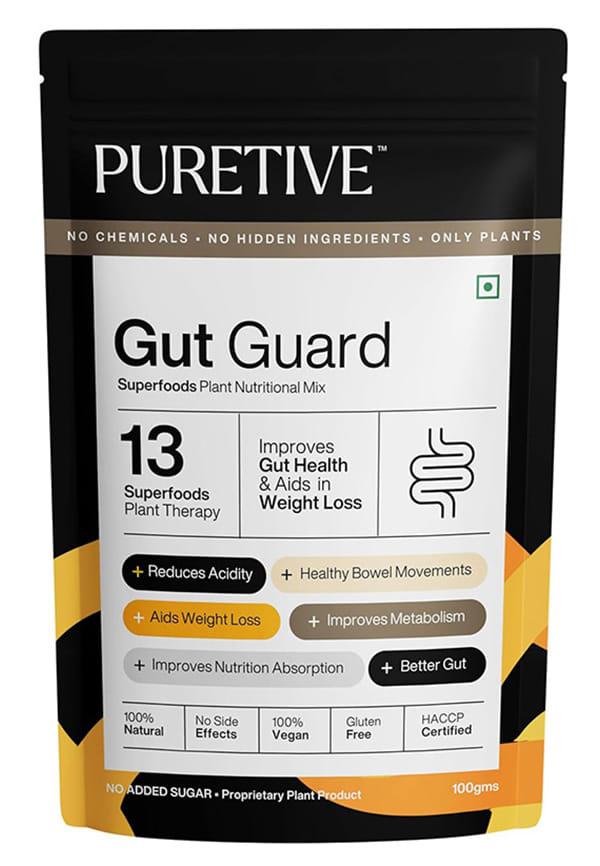
Gut Health Superfoods Nutritional Mix
Anti-inflammatory spices like turmeric, ginger, and fennel can soothe digestive irritation and support healthy gut bacteria. Healthy fats from sources like avocados, olive oil, and fatty fish provide omega-3 fatty acids that help reduce gut inflammation and support the intestinal barrier.
Start your day with overnight oats topped with berries and a dollop of yoghurt for prebiotics, probiotics, and fibre. Lunch might include a large salad with leafy greens, fermented vegetables, and grilled fish. For dinner, try roasted vegetables with quinoa and a side of kimchi. Snacks can include apple slices with almond butter or a small portion of kefir with nuts.
Different digestive concerns require targeted approaches, though many natural strategies overlap. Understanding your specific symptoms helps you choose the most effective interventions for your situation.
Bloating often responds well to peppermint tea, gentle abdominal massage, and identifying trigger foods through an elimination diet. Eating smaller, more frequent meals can also help prevent that uncomfortable stretched feeling. Constipation typically improves with increased fibre intake, adequate hydration, and regular movement—even a 10-minute walk after meals can stimulate gut motility.
For irritable bowel syndrome symptoms, stress management becomes particularly crucial alongside dietary modifications. Many people find relief through a low-FODMAP approach under professional guidance. Acid reflux often improves when you avoid eating large meals close to bedtime, limit acidic foods, and try natural remedies like ginger tea or a small amount of apple cider vinegar before meals.
Persistent symptoms lasting more than a few weeks, severe abdominal pain, unexplained weight loss, or blood in stool require medical evaluation. Natural approaches work best as part of a comprehensive plan that may include professional guidance, especially for chronic conditions like inflammatory bowel disease or severe food allergies.
A structured approach can help jumpstart your gut health journey and establish sustainable habits. This isn't about perfection—it's about creating momentum and discovering what works for your unique digestive system.
Days 1-2: Focus on elimination and hydration. Remove processed foods, excess sugar, and known trigger foods whilst increasing water intake to 8-10 glasses daily. Days 3-4: Introduce gut-healing foods like bone broth, leafy greens, and anti-inflammatory spices. Begin incorporating gentle movement like walking or yoga.
Days 5-6: Add fermented foods and prebiotic-rich options to feed beneficial bacteria. Implement stress-reduction techniques like meditation or deep breathing. Day 7: Establish long-term habits by planning sustainable meal prep and identifying which strategies felt most beneficial.
Track your progress with a simple symptom diary noting energy levels, bowel movements, bloating, and mood. This helps identify patterns and measure improvements over time.
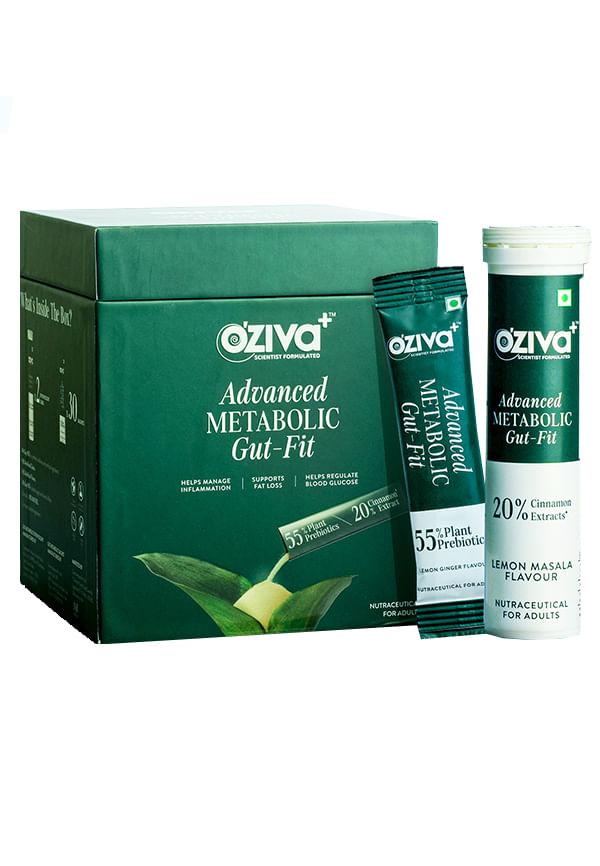
Advanced Metabolic Gut-Fit For Gut & Metabolic Health - Lemon masala
Focus on eating fibre-rich whole foods, including daily probiotics, staying hydrated, managing stress, and chewing food thoroughly. These five strategies form the foundation of natural gut health improvement and can show results within days to weeks.
Chronic bloating, irregular bowel movements, frequent heartburn, unexplained fatigue, skin issues, food intolerances, and mood changes or brain fog indicate potential gut health problems requiring attention.
Yoghurt with live cultures, leafy greens, oats, kimchi, and garlic provide probiotics, prebiotics, and fibre essential for optimal gut health and digestive function.
Most people notice improvements in energy and bloating within 1-2 weeks, whilst significant microbiome changes typically occur over 2-3 months of consistent healthy habits.
Yes, combining probiotics and prebiotics creates a synbiotic effect that's particularly beneficial for gut health. Many people find this combination more effective than either alone.
Digestive health focuses on the mechanical process of breaking down food, whilst gut health encompasses the broader ecosystem of microorganisms and their impact on immunity, mood, and overall wellness. You can explore wellness products that support both aspects available on Smytten.
Improving gut health and digestion naturally isn't about dramatic overhauls—it's about consistent, sustainable changes that support your body's natural healing processes. Start with one or two strategies that feel manageable, whether that's adding a daily serving of fermented foods or taking a 10-minute walk after meals. Your gut microbiome is remarkably adaptable, and even small improvements in diet, stress management, and lifestyle can create significant positive changes over time. Remember that everyone's digestive system is unique, so what works for others might need tweaking for your specific needs. The key is patience and consistency rather than perfection.
Your gut health journey is deeply personal, and finding the right combination of foods, supplements, and lifestyle changes often requires some experimentation. Smytten is India's largest product discovery and trial platform, connecting consumers with top lifestyle, beauty, wellness, and grooming brands that can support your digestive wellness goals. With curated trial packs from over 1,500 trusted brands, you can explore wellness products before committing to full-size purchases. Each mini is linked with Trial Points, and users can get up to 8 minis for just ₹249, plus Smytten offers 100% cashback on trials, making product discovery both affordable and rewarding. Whether you're looking for probiotic supplements, digestive enzymes, or gut-supporting wellness products, you can try before you buy and discover what truly works for your unique digestive needs. After all, why settle for 'maybe' when you can #TryItAll!
