How to Improve Gut Health: A Simple Guide



Gut Cleansner
Your gut health affects everything from your mood to your immunity, yet it's one of the most overlooked aspects of wellness. If you've been dealing with bloating, irregular digestion, or just feeling off, your gut might be trying to tell you something important. The good news? Learning how to improve gut health doesn't require drastic changes or expensive treatments. With the right approach to nutrition, lifestyle habits, and understanding your body's signals, you can transform your digestive health and overall wellbeing. Whether you're exploring wellness products on Smytten or looking for natural solutions, this guide will walk you through everything you need to know about nurturing your gut microbiome and feeling your best from the inside out.
Your gut health impacts everything from digestion to mood, immunity, and even skin health through the gut-brain connection
A diverse gut health diet with 30+ plant varieties weekly, probiotics, and fiber-rich foods naturally heals your gut
Simple lifestyle changes like stress management, regular exercise, and proper sleep significantly improve gut microbiome balance
Natural remedies and targeted supplements can reduce bloating and support digestive health when used correctly
Consistency matters more than perfection—small daily habits create lasting improvements in your digestive wellness
Your gut is home to trillions of bacteria that form your gut microbiome, a complex ecosystem that influences far more than just digestion. This intricate balance affects your immune system, mental health, and even your skin's appearance. When your gut microbiome balance is disrupted, it sends signals throughout your body that something needs attention.
Gut health refers to the balance and function of bacteria in your digestive tract. A healthy gut contains diverse beneficial bacteria that help break down food, produce vitamins, and protect against harmful pathogens. The gut-brain connection is particularly fascinating—your gut produces about 90% of your body's serotonin, directly influencing your mood and mental clarity. When this delicate ecosystem is thriving, you'll notice better digestion, stronger immunity, clearer skin, and more stable energy levels throughout the day.
Your body has clever ways of signalling when your gut needs attention. Digestive issues like chronic bloating, gas, or irregular bowel movements are obvious red flags, but the signs often extend beyond your stomach. Skin problems such as acne, eczema, or unexplained rashes frequently stem from gut imbalances.
Mood changes, brain fog, and difficulty concentrating can also indicate poor gut health due to the gut-brain connection. If you're catching every bug that goes around or dealing with autoimmune flare-ups, your gut's immune function might be compromised. Food intolerances that seem to appear out of nowhere, intense sugar cravings, sleep disturbances, and unexplained weight fluctuations are all potential signals that your digestive system needs some TLC.
Several modern lifestyle factors can disrupt your gut microbiome balance. Leaky gut syndrome causes include chronic stress, processed foods loaded with artificial additives, and the overuse of antibiotics that wipe out beneficial bacteria along with harmful ones. Poor sleep quality, excessive alcohol consumption, and lack of dietary diversity all contribute to an unhealthy gut environment that struggles to maintain proper function.
What you eat directly shapes your gut microbiome, making your diet the most powerful tool for improving digestive health. The key isn't just avoiding harmful foods—it's actively nourishing the beneficial bacteria that keep your system running smoothly.
Research shows that people who eat 30 different plant varieties weekly have more diverse gut bacteria than those eating fewer than 10. This doesn't mean 30 different meals—it includes fruits, vegetables, legumes, nuts, seeds, herbs, and spices. Start by adding variety to your current meals: throw different seeds on your breakfast, try a new vegetable each week, or experiment with various herbs and spices in your cooking.
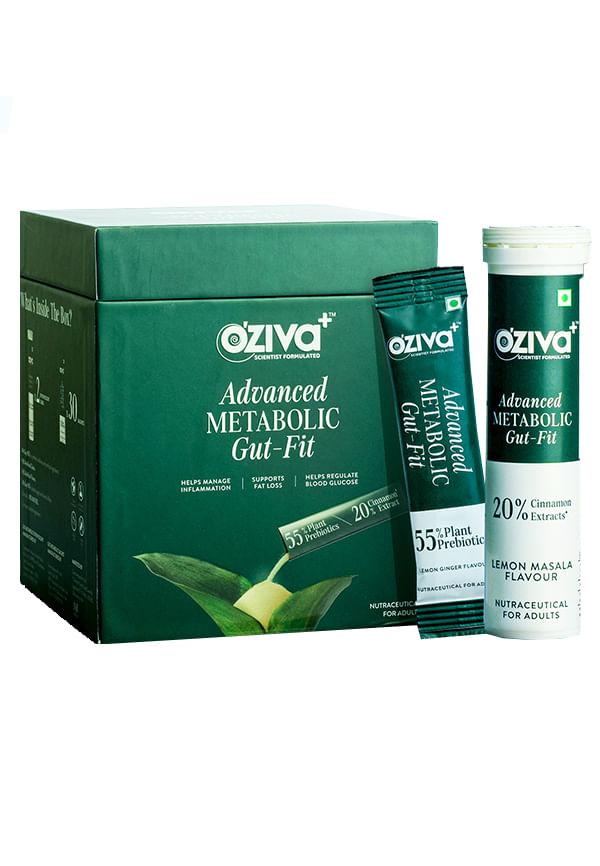
Advanced Metabolic Gut-Fit For Gut & Metabolic Health - Lemon masala
Fiber acts as fuel for your beneficial gut bacteria, helping them thrive and multiply. Prebiotic foods like onions, garlic, bananas, and oats are particularly powerful because they feed specific strains of healthy bacteria. Aim for both soluble fiber (found in oats, beans, and apples) which helps regulate blood sugar and cholesterol, and insoluble fiber (found in whole grains and vegetables) which keeps things moving through your digestive tract. Most adults need 25-35 grams of fiber daily, but increase gradually to avoid digestive discomfort.
Anti-inflammatory foods play a crucial role in gut repair and maintenance. Fatty fish rich in omega-3s, leafy greens, and colourful berries help reduce inflammation in the gut lining. Bone broth provides collagen and amino acids that support gut barrier function, while ginger and turmeric offer natural anti-inflammatory compounds that soothe digestive irritation.
Probiotics introduce beneficial bacteria directly into your gut, helping restore balance and crowd out harmful microorganisms. While supplements have their place, natural food sources often provide additional nutrients and compounds that support overall digestive health.
Fermented foods are nature's probiotics, offering live beneficial bacteria along with enzymes that aid digestion. Traditional Indian options like curd and lassi are excellent starting points, while kimchi, tempeh, and sauerkraut provide different bacterial strains. Kefir offers more diverse probiotics than regular yoghurt, and miso adds umami flavour while supporting gut health. Start with small portions and gradually increase to allow your system to adjust.
When selecting probiotic supplements, look for products with multiple bacterial strains and at least 10 billion CFUs (colony-forming units). Different strains offer different benefits—Lactobacillus acidophilus supports lactose digestion, while Bifidobacterium longum may help with anxiety and stress. Quality matters more than quantity, so choose reputable brands that guarantee potency through the expiration date and store products properly.
Prebiotics are non-digestible fibers that feed your existing beneficial bacteria, helping them flourish. While probiotics add new bacteria, prebiotics nourish what's already there. Jerusalem artichokes, chicory root, and green bananas are particularly rich in prebiotics. Combining prebiotic and probiotic foods creates a synbiotic effect that's more powerful than either alone.
Your daily habits significantly impact your gut health, often more than you might realise. Small, consistent changes in how you eat, move, and manage stress can create profound improvements in your digestive wellness.
Eating at regular times helps regulate your digestive rhythm and supports healthy gut bacteria cycles. Chew your food thoroughly—digestion begins in your mouth, and proper chewing reduces the workload on your stomach and intestines. Practice mindful eating by eliminating distractions during meals, which helps your nervous system shift into "rest and digest" mode. Stay hydrated throughout the day, but avoid drinking large amounts with meals as this can dilute digestive enzymes.
Chronic stress disrupts the gut-brain connection and can alter your gut microbiome composition within days. When you're stressed, blood flow diverts away from your digestive system, reducing its efficiency. Regular meditation, even just 10 minutes daily, can significantly improve gut function. Deep breathing exercises, gentle yoga, and spending time in nature all activate your parasympathetic nervous system, creating optimal conditions for digestion and gut repair.

Everyday Fiber, Enhance Your Digestive Health With Plant Based Fiber
Moderate exercise increases gut bacteria diversity and promotes healthy digestion through improved circulation and reduced inflammation. Walking after meals, yoga, and swimming are particularly beneficial for digestive health. Quality sleep is equally important—your gut bacteria follow circadian rhythms, and disrupted sleep patterns can negatively impact their balance. Aim for 7-9 hours of consistent sleep and create a relaxing bedtime routine to support both your gut and overall health.
Bloating can be uncomfortable and frustrating, but understanding its causes and having natural remedies at hand can provide quick relief while you work on long-term gut health improvements.
When bloating strikes, gentle movement like walking or light stretching can help trapped gas move through your system. Peppermint tea has antispasmodic properties that relax digestive muscles, while ginger tea can stimulate digestion and reduce nausea. Digestive enzymes taken with meals can help break down foods that commonly cause bloating, particularly if you struggle with specific food groups like dairy or legumes.
A gentle gut reset focuses on reducing inflammation while supporting beneficial bacteria. Start each day with warm lemon water to stimulate digestion, then focus on easily digestible foods like cooked vegetables, bone broth, and fermented foods. Eliminate common triggers like processed foods, excess sugar, and alcohol for the week. Include daily movement, stress reduction practices, and ensure adequate sleep. Track your symptoms and energy levels to identify patterns and improvements.
Sustainable gut health requires consistent habits rather than quick fixes. Schedule monthly check-ins with yourself to assess your digestive health and adjust your approach as needed. Seasonal dietary adjustments—eating warming foods in winter and cooling foods in summer—can support your body's natural rhythms. Build flexibility into your routine so that occasional indulgences don't derail your progress, and remember that stress about perfect eating can be more harmful than the occasional treat.
While food should be your primary source of gut-supporting nutrients, targeted supplements can provide additional support, especially when dealing with specific digestive challenges or during periods of high stress.
Digestive enzymes can be particularly helpful if you experience bloating or discomfort after meals, especially those containing proteins, fats, or complex carbohydrates. L-glutamine is an amino acid that supports gut lining repair and may be beneficial for those dealing with increased intestinal permeability. Omega-3 supplements provide anti-inflammatory support that can help reduce gut inflammation and support overall digestive health.
Traditional herbs offer gentle, effective support for digestive health. Ginger reduces nausea and stimulates digestion, while turmeric provides powerful anti-inflammatory compounds. Peppermint oil capsules can help with IBS symptoms, and chamomile tea soothes digestive irritation. Adaptogenic herbs like ashwagandha and holy basil help manage stress, which indirectly supports gut health through the gut-brain connection.
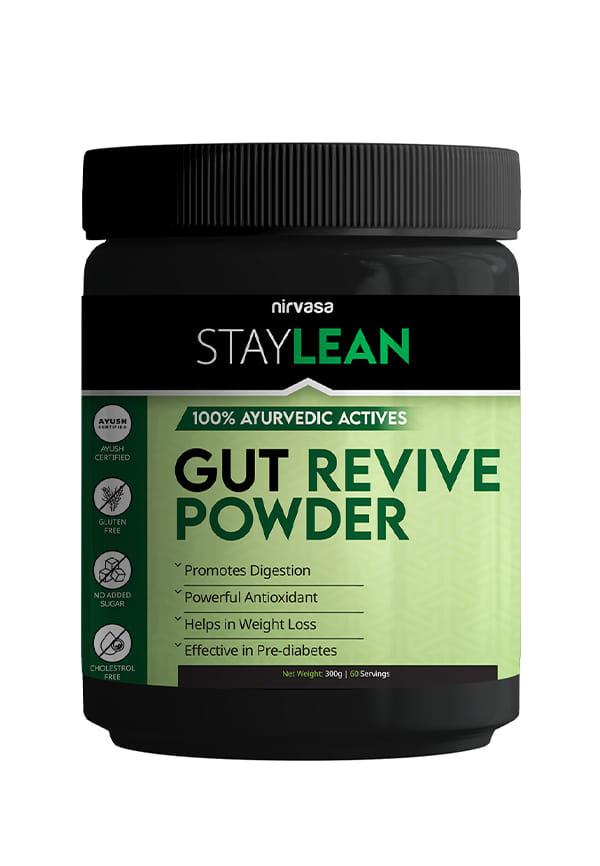
Staylean GutREVIVE Powder
Your body has natural detoxification systems that work continuously, so supporting these processes is more effective than harsh "detox" products. Focus on foods that support liver function like cruciferous vegetables and leafy greens. Stay hydrated, get adequate fiber to support regular elimination, and ensure you're getting enough sleep for optimal cellular repair. Avoid extreme cleanses or products that promise rapid results, as these can disrupt your gut microbiome balance.
You might notice some improvements in bloating and digestion within a few days of dietary changes, but significant gut microbiome shifts typically take 2-4 weeks. Complete gut healing can take several months, depending on your starting point and consistency with healthy habits. Be patient with the process and focus on sustainable changes rather than quick fixes.
Absolutely. The gut-brain connection means that stress directly impacts your digestive system. Chronic stress can alter gut bacteria composition, increase inflammation, and affect gut barrier function. Managing stress through meditation, exercise, or other relaxation techniques is crucial for optimal gut health.
Probiotics are live beneficial bacteria that you consume through foods or supplements. Prebiotics are fibers that feed the beneficial bacteria already in your gut. Both are important—probiotics add new bacteria while prebiotics nourish existing ones. Many experts recommend focusing on prebiotic foods first to create a healthy environment for bacteria to thrive.
Price doesn't always indicate quality. Look for supplements with multiple strains, adequate CFU counts, and third-party testing rather than focusing on cost. Many affordable options are just as effective as premium brands. You can also explore probiotic-rich foods and wellness products available on Smytten to find options that work for your budget and preferences.
Definitely. A diverse, fiber-rich diet with fermented foods, regular exercise, stress management, and adequate sleep can significantly improve gut health without any supplements. Focus on whole foods, reduce processed food intake, and listen to your body's signals. Supplements can be helpful additions but aren't always necessary for everyone.
Improving your gut health is a journey that requires patience, consistency, and a holistic approach. Focus on eating a diverse range of plant foods, incorporating natural probiotics through fermented foods, and managing stress effectively. Remember that small, sustainable changes often yield better long-term results than dramatic overhauls. Pay attention to your body's signals and adjust your approach based on how you feel rather than following rigid rules.
Your gut health impacts every aspect of your wellbeing, from your immune system to your mood and energy levels. By prioritising digestive wellness through mindful eating, regular movement, quality sleep, and stress management, you're investing in your overall health and quality of life. Be patient with the process and celebrate small improvements along the way.
Taking charge of your gut health doesn't have to be overwhelming or expensive. Whether you're exploring natural remedies, trying new fermented foods, or looking for quality wellness products to support your journey, Smytten offers an excellent way to discover what works best for your body. As India's largest product discovery and trial platform, Smytten connects you with over 1,500 trusted wellness brands through curated trial packs, letting you explore gut health supplements, probiotics, and digestive wellness products before committing to full-size purchases. With 100% cashback on trials and authentic brand-verified minis available across 27,000+ pincodes, you can experiment with different approaches to gut health without the financial risk. After all, why settle for guessing what might work when you can try it all and find your perfect gut health routine?
