How to Get Omega 3 Fatty Acids Naturally: Top Food Sources



Flax Seeds |Rich in Omega-3 Fatty Acids
Your body needs omega 3 fatty acids to function properly, but here's the thing—it can't make them on its own. That means you need to get these essential fats from your diet, and honestly, it's easier than you might think. Whether you're team fish or prefer plant-based options, there are loads of natural ways to boost your omega 3 intake without relying on supplements. From the obvious choices like salmon to surprising sources like mustard oil (yes, really!), we're diving into all the foods that can help you hit your daily omega 3 targets. Plus, we'll chat about how to make these foods work harder for you and fit them into your everyday meals. Ready to discover how to get omega 3 fatty acids naturally? Let's explore the best food sources that might just become your new kitchen staples. And if you're curious about trying omega 3-rich wellness products, platforms like Smytten make it super easy to test different brands before committing to full sizes.
Fatty fish like salmon, sardines, and mackerel are your best bet for EPA and DHA omega 3s—aim for two servings weekly
Plant-based sources include chia seeds, flaxseeds, walnuts, and algal oil for those following vegetarian or vegan diets
Cooking oils like mustard oil and flaxseed oil can easily boost your daily omega 3 intake
Proper storage and cooking methods help preserve omega 3 content in foods
Adults need 250-500mg of combined EPA/DHA daily, or 1.1-1.6g of ALA for plant-based diets
Let's break down what omega 3 fatty acids actually are. These are essential fats that your body absolutely needs but can't produce on its own—think of them as VIP nutrients that must come from your diet. There are three main types you should know about: EPA (eicosapentaenoic acid), DHA (docosahexaenoic acid), and ALA (alpha-linolenic acid).
The benefits of omega 3 are pretty impressive. These fats are crucial for brain function, heart health, and reducing inflammation throughout your body. Research shows that omega 3 for brain health supports memory, mood regulation, and cognitive performance. Meanwhile, omega 3 for heart health helps lower triglycerides, reduce blood pressure, and decrease the risk of heart disease.
Here's what you need daily: adults should aim for 250-500mg of combined EPA and DHA, or about 1.1-1.6g of ALA if you're following a plant-based diet. Your body can convert some ALA into EPA and DHA, but the conversion rate is pretty low—around 5-10%—which is why direct sources are often more effective.
When it comes to foods rich in omega 3, fatty fish absolutely steal the show. These cold-water swimmers pack the highest concentrations of EPA and DHA, making them your most efficient natural source. The fish oil benefits you get from whole fish are often better absorbed than supplements, plus you get bonus nutrients like protein and vitamin D.
Wild-caught salmon delivers about 1.8g of omega 3s per 100g serving. Try grilling, baking, or even adding smoked salmon to your morning toast. Farmed salmon works too, though wild varieties typically have higher omega 3 content.
These tiny powerhouses pack around 1.5g of omega 3s per 100g and are super budget-friendly. Canned sardines are convenient and shelf-stable—perfect for quick salads or pasta dishes.
Mackerel provides roughly 2.6g of omega 3s per 100g serving, making it one of the richest sources available. It's often more affordable than salmon and works brilliantly in curries or grilled with Indian spices.
Anchovies, herring, and tuna also make excellent omega 3 sources. Aim for two servings of fatty fish per week to meet your EPA and DHA needs naturally.
Chia Seeds | With Calcium and Iron
If fish isn't your thing, don't worry—there are plenty of plant-based omega 3 options that can help you meet your needs. The catch is that plant sources mainly provide ALA, which your body needs to convert to EPA and DHA. While the conversion isn't super efficient, these foods are still valuable for your overall omega 3 intake.
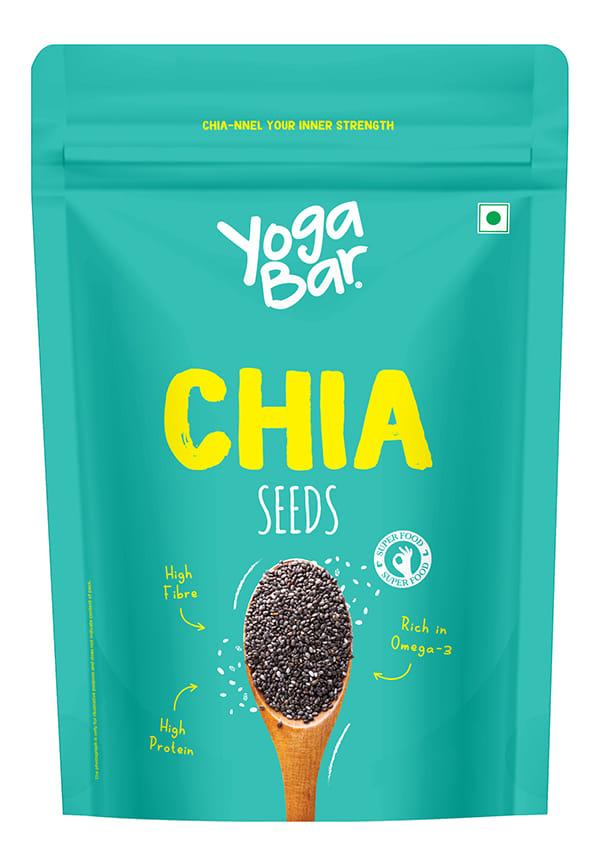
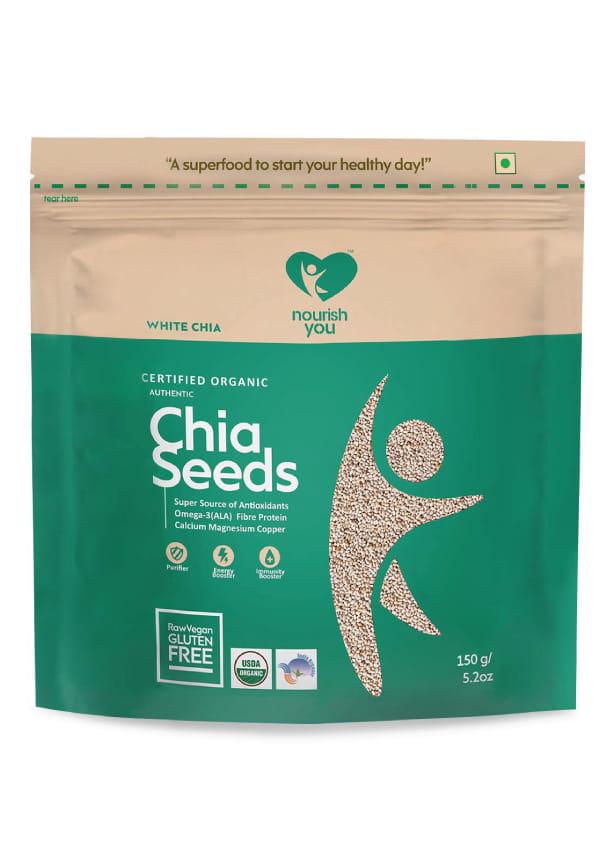
Just one tablespoon of chia seeds gives you about 1.8g of ALA. Soak them in water or milk to create a pudding-like texture, or sprinkle them over smoothies and yoghurt.
Ground flaxseeds are better absorbed than whole ones. One tablespoon provides around 1.6g of ALA. Mix ground flaxseed into rotis, smoothies, or use flaxseed oil for salad dressings.
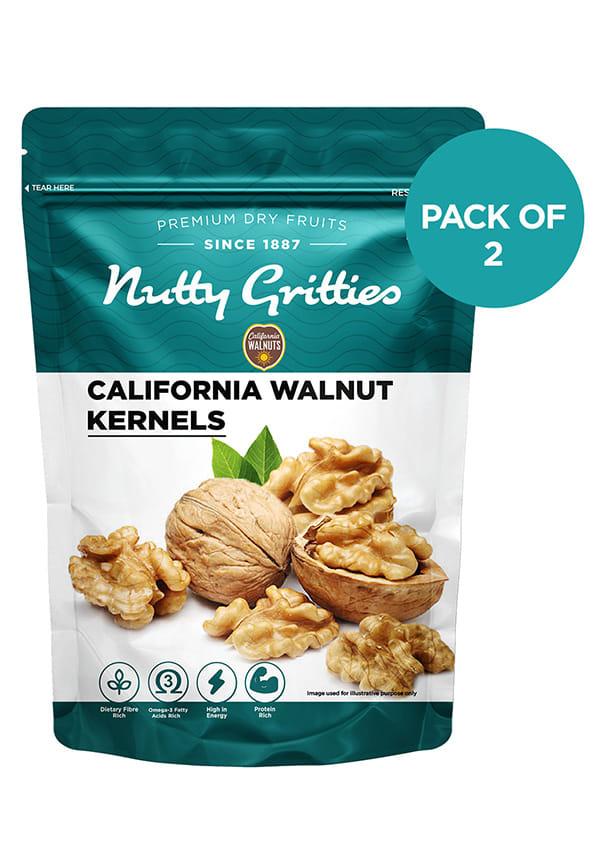
A quarter cup of walnuts delivers about 2.3g of ALA. They're perfect for snacking or adding crunch to salads and desserts.
Algal oil omega 3 is derived from algae and provides EPA and DHA directly—making it the closest plant-based alternative to fish oil. It's available as a supplement and increasingly found in fortified foods.
Your cooking oil choice can significantly impact your dietary omega 3 intake. Some oils are naturally rich in omega 3s, while others can actually work against you by providing too many omega 6 fatty acids. The key is choosing the right ones and using them properly.
Mustard oil contains about 5.9g of ALA per 100g and has been used in Indian cooking for centuries. It's perfect for tempering dals or making pickles, though use it in moderation due to its strong flavour.
Flaxseed oil is incredibly rich in ALA but shouldn't be heated. Use it for salad dressings or drizzle over cooked vegetables. Canola oil is more heat-stable and works well for everyday cooking.
California Walnut Kernels, Rich in Omega 3
Look for omega 3 enriched eggs from pasture-raised hens—they can provide 100-600mg per egg. Grass-fed dairy products and fortified foods like certain breads and cereals also contribute to your daily intake.
Knowing how to get omega 3 fatty acids naturally is only half the battle—you also need to ensure your body actually absorbs and uses them effectively. The good news is that a few simple strategies can help you get the most out of your omega 3-rich foods.
Timing matters when it comes to omega 3 consumption. Taking them with meals that contain other healthy fats helps improve absorption. Think avocado with your salmon or a handful of nuts with your chia seed pudding. The fat helps your body process these essential fatty acids more efficiently.
Heat can damage omega 3 fatty acids, so gentle cooking methods work best. Steaming, poaching, or light sautéing preserves more nutrients than deep frying or high-heat grilling.
Your omega 3 to omega 6 ratio matters for reducing inflammation. Limit processed foods high in omega 6 oils (like sunflower and corn oil) while increasing your omega 3 intake.
Store omega 3-rich oils in dark, cool places and use them within their expiry dates. Ground flaxseeds should be refrigerated, and fatty fish should be consumed fresh or properly frozen.
Making omega 3-rich foods part of your daily routine doesn't have to be complicated. With a bit of planning, you can easily hit your targets while enjoying delicious, varied meals that fit your lifestyle and preferences.
Start your day with omega 3-rich options like chia seed pudding, ground flaxseed in your smoothie, or omega 3 enriched eggs. For lunch, try a sardine salad or walnut-crusted chicken. Dinner could feature grilled salmon with mustard oil-tempered vegetables or a hemp seed-sprinkled Buddha bowl.
Canned sardines and mackerel are often more affordable than fresh salmon. Buy nuts and seeds in bulk, and use versatile ingredients like flaxseed oil that work in multiple dishes throughout the week.
Mix ground flaxseed into rotis or parathas. Add chia seeds to lassi or smoothies. Use walnut oil for salad dressings. These small changes can significantly boost your omega 3 intake without major meal overhauls.
White Chia
Cold-water fatty fish like salmon, mackerel, and sardines contain the highest concentrations of EPA and DHA omega 3s, with mackerel providing approximately 2.6g per 100g serving. For plant-based sources, flaxseeds and chia seeds top the list for ALA content.
Most fruits don't contain significant omega 3s. Avocados provide small amounts of ALA, but you're better off focusing on nuts, seeds, and fish for your primary omega 3 sources.
Regular eggs contain minimal omega 3s, but omega 3 enriched eggs from pasture-raised hens can provide 100-600mg per egg. Look for labels that specifically mention omega 3 enrichment.
Common symptoms include dry skin, brittle hair and nails, fatigue, poor concentration, joint pain, and increased cardiovascular risk. If you're experiencing these symptoms, consider increasing your omega 3 intake through food sources.
Adults should aim for 250-500mg combined EPA/DHA daily, or 1.1-1.6g of ALA for those following plant-based diets. This translates to about two servings of fatty fish per week or daily portions of omega 3-rich plant foods.
While whole foods should be your primary source, Smytten offers trial packs of various omega 3 supplements and fortified foods from trusted wellness brands. This lets you test different products before committing to full-size purchases.
Getting omega 3 fatty acids naturally is totally doable with the right food choices and a bit of planning. Fatty fish like salmon, sardines, and mackerel give you the most bang for your buck with EPA and DHA, while plant-based options like chia seeds, flaxseeds, and walnuts work brilliantly for vegetarians and vegans. Don't forget about cooking oils—mustard oil and flaxseed oil can easily boost your daily intake.
The key is consistency rather than perfection. Aim for two servings of fatty fish weekly, or include omega 3-rich plant foods daily. Pay attention to how you store and cook these foods to preserve their nutritional value, and remember that combining them with other healthy fats helps your body absorb them better.
Discovering the right omega 3 sources for your lifestyle might take some experimentation, and that's where Smytten's trial approach really shines. As India's largest product discovery platform, Smytten connects you with over 1,500 trusted wellness brands offering omega 3 supplements, fortified foods, and health products. With curated trial packs available for just ₹249, you can explore different omega 3 options—from algal oil supplements to fortified snacks—before committing to full-size purchases. The platform's 100% cashback on trials makes it risk-free to discover what works best for your dietary needs. Whether you're looking to complement your natural omega 3 intake or find convenient alternatives, Smytten's authentic, brand-verified minis let you try before you buy across 27,000+ pincodes. After all, why settle for guessing when you can #TryItAll and find your perfect omega 3 solution?
