How to Get a Calm Mind: Simple Mindfulness Techniques

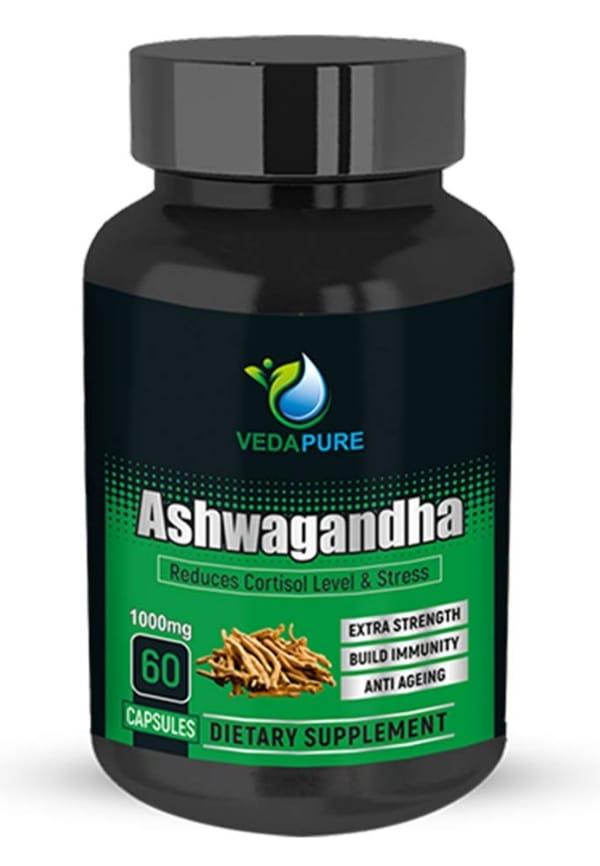
Ashwagandha Anxiety & Stress Relief
Let's be real—your mind feels like a browser with 47 tabs open, doesn't it? Between work deadlines, social media notifications, and that endless mental to-do list, finding peace can feel impossible. But here's the thing: learning how to get a calm mind isn't about switching off completely (though wouldn't that be nice?). It's about discovering simple mindfulness techniques that actually work when life gets overwhelming. Whether you're dealing with racing thoughts at 3 AM or feeling anxious before a big presentation, these science-backed methods can help you find your centre. And the best part? You don't need any special equipment or years of meditation experience—just a few minutes and the willingness to try something new. On Smytten, you'll find wellness products that complement these techniques, from aromatherapy essentials to stress-relief supplements that support your journey to inner calm.
TL;DR
Your chaotic mind is actually your brain's natural response to stress—understanding this helps you work with it, not against it
Breathing exercises like the physiological sigh and box breathing can calm your nervous system in under two minutes
Grounding techniques such as the 5-4-3-2-1 method interrupt overthinking by bringing you back to the present moment
Daily mindfulness practices, even just 5-minute morning routines, build long-term mental resilience
Simple lifestyle tweaks like digital boundaries and nature walks support a naturally calmer mind
Ever wonder why your brain seems determined to replay that awkward conversation from three years ago at the most inconvenient times? Your mind isn't broken—it's actually doing exactly what it's designed to do. The human brain is wired to scan for threats and solve problems, which was brilliant when we needed to avoid sabre-toothed tigers. Not so helpful when it's analysing every text message for hidden meanings.
When stress hits, your brain releases cortisol and adrenaline, creating what neuroscientists call the 'stress response cascade.' This floods your system with energy meant for immediate action, but in our modern world, there's often nowhere for that energy to go. The result? Racing thoughts, physical tension, and that jittery feeling that makes relaxation feel impossible. Understanding this isn't your fault—it's biology—is the first step in learning effective anxiety reduction tips.
The trickiest part is how overthinking creates its own feedback loop. Worry about being worried, stress about being stressed. Your brain interprets this mental chatter as evidence that something really is wrong, ramping up the stress response even more. Breaking this cycle requires specific techniques that work with your nervous system, not against it.
Your breath is like a remote control for your nervous system—and unlike your racing thoughts, it's something you can actually control. These breathing exercises for calm work because they directly activate your parasympathetic nervous system, which is responsible for the 'rest and digest' response that counteracts stress.
This double-inhale method was discovered by neuroscientists at Stanford and it's genuinely game-changing. Take a normal inhale through your nose, then add a second, smaller inhale on top. Follow with a long, slow exhale through your mouth. The double inhale maximises the surface area in your lungs, whilst the extended exhale signals safety to your brain.
Use this technique when you feel that familiar surge of anxiety or when your thoughts start spiralling. It works within 1-3 repetitions, making it perfect for those moments when you need instant relief.
Also called 'tactical breathing,' this technique follows a 4-4-4-4 pattern: inhale for 4 counts, hold for 4, exhale for 4, hold for 4. Military personnel and first responders use this method because it works under pressure. The equal timing creates a meditative rhythm that naturally quiets mental chatter.
Start with 4-count intervals, but feel free to adjust to 3 or 5 if that feels more comfortable. The key is maintaining the equal timing across all four phases.
This ancient technique involves inhaling for 4 counts, holding for 7, and exhaling for 8. The extended hold and long exhale create a powerful relaxation response. It's particularly effective for bedtime anxiety or when you need to shift from high stress to deep calm.
Start slowly with this one—the long hold can feel intense at first. If 7 counts feels too long, try 4-5-6 and work your way up.

Ashwagandha Tablets,Reduce Stress & Support Sleep Cycle
When your mind is stuck in overdrive, grounding techniques work like an emergency brake for racing thoughts. These mindfulness techniques redirect your attention from internal chaos to present-moment awareness, effectively interrupting the overthinking cycle.
This technique engages all your senses to anchor you in the present moment. Identify 5 things you can see, 4 things you can touch, 3 things you can hear, 2 things you can smell, and 1 thing you can taste. The beauty of this method is that it works anywhere—on the tube, in a meeting, or lying in bed at 2 AM.
Take your time with each sense. Really notice the texture of your jumper, the sound of traffic outside, or the taste of your morning coffee. This deliberate attention shift gives your anxious brain something concrete to focus on instead of abstract worries.
Cold water triggers something called the 'mammalian dive reflex,' which naturally slows your heart rate and calms your nervous system. Splash cold water on your face, hold an ice cube, or run cold water over your wrists. The temperature shock interrupts stress signals and provides immediate relief.
If water isn't available, try holding something cold from your fridge or even stepping outside in cool weather. The key is the sudden temperature change that resets your nervous system.
Mental stress shows up as physical tension, often in places you don't even realise. Start at the top of your head and slowly scan down through your body, noticing areas of tightness or discomfort. When you find tension, consciously relax that area.
This practice serves double duty—it releases physical stress whilst giving your mind a structured task that prevents overthinking. Even a quick 5-minute scan can provide significant relief.
Sometimes a chaotic mind just needs a good clear-out. These mental clarity exercises help you organise your thoughts and reduce the cognitive load that contributes to stress and overwhelm.
Set a timer for 10 minutes and write down everything that's on your mind—worries, tasks, random thoughts, the lot. Don't edit or organise, just get it all out of your head and onto paper (or screen). This externalises your mental chatter, making it feel less overwhelming and more manageable.
After your brain dump, you can categorise items into 'action needed,' 'just worries,' and 'not my problem.' Often, you'll discover that half your mental stress was just noise that didn't require any action at all.
If something takes less than 2 minutes, do it immediately. Reply to that text, file that document, or make that quick phone call. These tiny tasks create surprising mental clutter when left undone, and clearing them creates immediate space for calm.
For bigger tasks, write them down with a specific next step. Instead of 'sort out finances,' write 'check bank balance' or 'call insurance company.' Clear next steps prevent your brain from spinning on vague, overwhelming concepts.

Hair Oil - 21 Herbs Anti-Stress
Building a calm mind isn't just about crisis management—it's about creating daily practices that build resilience over time. These meditation for beginners techniques and emotional regulation strategies help you maintain equilibrium even when life gets intense.
Start your day with just 5 minutes of intentional calm before checking your phone or diving into tasks. This might be simple breathing exercises, setting an intention for the day, or just sitting quietly with your morning tea. The key is consistency, not perfection.
Even 30 seconds of deep breathing before getting out of bed can set a calmer tone for your entire day. Your future stressed-out self will thank you for this small investment.
You don't need hour-long meditation sessions to see benefits. Take three conscious breaths before opening emails, practice mindful walking between meetings, or do a quick body scan whilst waiting for the kettle to boil. These tiny moments of awareness add up to significant stress relief.
Use transitions as mindfulness cues—every time you open a door, take a conscious breath. Every time you sit down, notice how your body feels. These micro-practices build the mental muscle for staying present.
Create a buffer zone between your busy day and sleep. This might include putting devices away an hour before bed, writing down three things you're grateful for, or doing gentle stretches whilst reflecting on the day. The goal is to signal to your nervous system that it's safe to relax.
If your mind races at bedtime, try the 'worry window' technique—set aside 10 minutes earlier in the evening to acknowledge concerns, then remind yourself that worry time is over when they pop up later.
Sometimes the best stress relief methods aren't techniques at all—they're simple adjustments to how you live that support a naturally calmer mind. These changes work in the background, making it easier to maintain peace even during challenging times.
What you eat directly affects how you feel. Foods high in magnesium (like dark chocolate and leafy greens) support nervous system function, whilst omega-3 fatty acids from fish or walnuts help regulate mood. On the flip side, excessive caffeine and sugar can amplify anxiety and make it harder to achieve inner peace.
Stay hydrated—even mild dehydration affects concentration and mood. If you're feeling scattered or irritable, a glass of water might be the simplest solution.
A 15-minute walk, especially in nature, can reset your entire nervous system. Movement helps metabolise stress hormones whilst fresh air and greenery provide natural mood benefits. You don't need intense exercise—gentle movement like stretching or yoga can be equally effective.
If you can't get outside, even looking at images of nature or tending to houseplants can provide some of these calming benefits.
Constant notifications keep your brain in a state of low-level alert, making true relaxation difficult. Create phone-free zones in your bedroom and during meals. Consider turning off non-essential notifications or using 'Do Not Disturb' modes more liberally.
Information overload is real—you don't need to consume every news update or social media post. Curate your digital environment as carefully as you would your physical space.
Breathing exercises can provide relief within 1-3 minutes, whilst grounding techniques typically work within 5-10 minutes. However, building long-term mental resilience through regular practice takes several weeks of consistency. The immediate techniques are perfect for crisis moments, whilst daily practices build your overall capacity for calm.
Mind wandering is completely normal and actually part of the process—it's not a failure, it's just what minds do. When you notice your thoughts drifting, gently redirect your attention back to your breath or chosen focus point. Each time you do this, you're strengthening your mindfulness muscle. Available on Smytten are various wellness products that can support your meditation practice, from essential oils to calming teas.
These mindfulness techniques are excellent for general stress and mild to moderate anxiety, but they're not a replacement for professional mental health support when needed. If anxiety significantly impacts your daily life, sleep, or relationships, consider speaking with a healthcare provider. These techniques can complement professional treatment beautifully.
Practice during calm moments so the techniques become automatic during stressful ones. Set phone reminders for breathing breaks, or link techniques to existing habits (like taking three deep breaths every time you wash your hands). The more you practice when you don't need it, the more accessible these tools become when you do.
Learning how to get a calm mind isn't about achieving some zen-like state of permanent serenity—it's about having practical tools that work when life gets overwhelming. The breathing exercises, grounding techniques, and mindfulness practices outlined here are backed by science and designed to fit into real life, not some idealised version of it.
Start small and be consistent rather than trying to implement everything at once. Pick one or two techniques that resonate with you and practice them regularly. Remember, building mental resilience is like building physical fitness—it takes time, but every small effort contributes to your overall wellbeing.
The most important thing to remember is that seeking calm isn't selfish or indulgent—it's essential. When your mind is at peace, you're better equipped to handle challenges, support others, and actually enjoy the good moments in life.
Finding calm in our chaotic world might feel challenging, but with the right tools and consistent practice, it's absolutely achievable. Whether you're trying breathing exercises for the first time or looking to deepen your mindfulness practice, remember that every small step counts towards building a more peaceful mind.
Smytten is India's largest product discovery and trial platform, connecting consumers with top lifestyle, beauty, wellness, and grooming brands that support your wellbeing journey. From aromatherapy essentials to stress-relief supplements, you can trial before you buy through authentic brand-verified minis. With over 25 million users trusting Smytten's curated selection, you can explore wellness products that complement your mindfulness practice without the commitment of full-size purchases. After all, why settle for 'maybe' when you can #TryItAll and discover what truly helps you achieve that calm, centred feeling you're seeking.
