How to Form Good Habits: Simple Strategies for Lasting Change


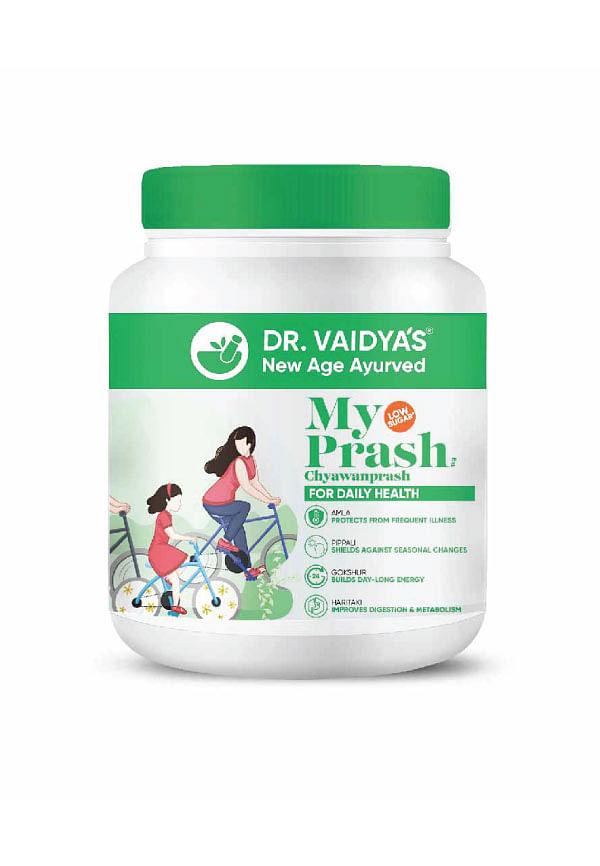
My Prash Chyawanprash For Daily Health
Ever wondered why some people seem to effortlessly stick to their morning workouts whilst others struggle to maintain a simple skincare routine? The secret isn't superhuman willpower—it's understanding how to form good habits using science-backed strategies. Research shows that 92% of people fail at habit formation because they rely on motivation alone, but the real game-changer lies in creating systems that work even when you don't feel like it. Whether you're trying to build a consistent wellness routine, establish better daily practices, or finally stick to that skincare regimen you've been meaning to start, the right approach can transform your efforts from exhausting battles into automatic behaviours. On Smytten, we see thousands of users discovering new wellness products daily, and the ones who succeed long-term aren't just trying products—they're building sustainable habits around their discoveries.
TL;DR
Successful habit formation follows a 4-step framework: make it obvious, attractive, easy, and satisfying
The habit loop (cue, routine, reward) is the neurological foundation that makes behaviours automatic
Habit stacking method and environmental design are proven techniques for building lasting habits
Focus on identity-based changes rather than outcome-based goals for long-term success
Small, consistent actions compound over time to create significant lifestyle transformations
Your brain is basically a habit-forming machine, constantly looking for ways to automate behaviours and save mental energy. When you understand this process, building healthy habits becomes less about forcing yourself and more about working with your brain's natural tendencies.
Every habit follows a simple neurological pattern called the habit loop. First comes the cue—a trigger that tells your brain to go into automatic mode. Then there's the routine, which is the behaviour itself. Finally, there's the reward, which helps your brain remember this loop for the future. Understanding this cycle is crucial because it shows you exactly where to intervene when creating new habits or changing existing ones.
Here's where most people get it wrong: they focus on outcomes instead of identity. Instead of saying "I want to exercise more," successful habit-formers think "I am someone who prioritises their health." This shift from outcome-based to identity-based thinking creates lasting change because you're not just changing what you do—you're changing who you are.
This framework, based on behavioural psychology research, gives you a clear roadmap for any habit you want to build. Each step addresses a different aspect of human psychology, making your new behaviours almost inevitable.
Your environment shapes your behaviour more than you realise. If you want to drink more water, put a bottle on your desk. If you're building a skincare routine, leave your products where you'll see them first thing in the morning. The key is creating visual cues that remind you of your desired behaviour without requiring any mental effort.
Bundle your new habit with something you already enjoy. Love your morning coffee? Use that time to plan your day or practice gratitude. This technique, called temptation bundling, leverages your existing dopamine pathways to make new behaviours more appealing.
Start ridiculously small. Want to read more? Commit to one page per day. Building a workout habit? Start with two minutes of movement. The goal isn't to achieve massive results immediately—it's to establish the behaviour pattern. Once the habit is automatic, you can gradually increase the intensity.
Your brain needs immediate rewards to reinforce new behaviours. Track your progress visually, celebrate small wins, or give yourself a small treat after completing your habit. The satisfaction doesn't have to be big—it just needs to be immediate and consistent.
Beyond the basic framework, there are specific techniques that can accelerate your habit formation process. These methods have been tested by researchers and proven effective across different types of behaviours.
This technique involves attaching a new habit to an existing one using the formula: "After I [existing habit], I will [new habit]." For example, "After I brush my teeth, I will apply my night serum." This works because you're leveraging an already-established neural pathway to build a new one. Your existing habit becomes the cue for your new behaviour, making it much easier to remember and maintain.
Your surroundings have enormous influence over your actions. Remove friction for good habits and add friction for bad ones. Keep healthy snacks at eye level and hide the biscuits. Place your workout clothes next to your bed. These small environmental tweaks can make the difference between success and failure.
Goals are about the results you want to achieve; systems are about the processes that lead to those results. Instead of setting a goal to "lose weight," create a system around healthy eating and regular movement. Systems are more powerful because they focus on the daily actions that compound over time, rather than the distant outcome.
The magic happens in your daily routine—those small, repeated actions that shape your life over time. The key is choosing the right habits and implementing them strategically.
Research consistently shows certain habits have outsized impacts on overall well-being. These include: quality sleep (7-9 hours), staying hydrated, eating nutrient-dense foods, moving your body daily, practicing gratitude, spending time in nature, connecting with others, learning something new, managing stress, and maintaining personal hygiene. Start with one that feels most achievable for your current lifestyle.
The most effective approach isn't elimination—it's substitution. Instead of trying to stop a bad habit, replace it with a good one that serves the same underlying need. If you mindlessly scroll social media when stressed, try deep breathing or a quick walk instead. The key is identifying the cue and reward, then finding a healthier routine that fits the same pattern.
Once you've mastered the basics, these advanced techniques can help you maintain momentum and continue growing. They're particularly useful for complex habits or when you're trying to change multiple behaviours simultaneously.
What gets measured gets managed. Simple tracking methods—like marking an X on a calendar or using a basic app—provide visual feedback on your progress. The act of tracking itself becomes a reward, and seeing your streak grow motivates you to continue. Don't overcomplicate it; consistency in tracking matters more than the method you choose.
Every action you take is a vote for the type of person you wish to become. Each time you choose the salad over chips, you're voting to be a healthy person. Each time you write a page, you're voting to be a writer. These small votes add up to shape your identity, which then influences your future actions. This creates a positive feedback loop that makes good habits feel natural and authentic.
Research shows habit formation typically takes 18 to 254 days, with an average of 66 days. The timeline depends on the complexity of the behaviour, your consistency, and individual factors. Simple habits like drinking a glass of water form faster than complex ones like exercising daily.
Start with one habit at a time and make it incredibly small. Focus on consistency over intensity. It's better to do two minutes of exercise every day than an hour once a week. Once the behaviour becomes automatic, you can gradually increase the duration or intensity.
Don't rely on motivation—build systems instead. Use environmental design, habit stacking, and immediate rewards to make good behaviours easier and more attractive. Track your progress visually and celebrate small wins. Remember, motivation gets you started, but systems keep you going.
Never miss twice. One slip-up is a mistake; two in a row is the start of a new pattern. Get back on track immediately without guilt or self-criticism. Focus on the long-term trend rather than perfect consistency. Progress isn't about perfection—it's about resilience.
It's possible but not recommended for beginners. Your willpower is limited, so focusing on one habit at a time increases your chances of success. Once a habit becomes automatic (usually after 2-3 months), you can add another one. Quality over quantity always wins with habit formation.
Start with keystone habits—behaviours that naturally trigger other positive changes. Exercise, for example, often leads to better eating and sleep habits. Choose something that aligns with your identity goals and feels achievable given your current lifestyle. Available on Smytten, you'll find wellness products that can support whatever habit you're building, from skincare routines to nutritional supplements.
Building good habits isn't about willpower or motivation—it's about understanding how your brain works and designing systems that make success inevitable. The four-step framework (obvious, attractive, easy, satisfying) provides a reliable blueprint for any behaviour you want to establish. Remember that small, consistent actions compound over time to create remarkable results. Focus on becoming the type of person you want to be rather than just achieving specific outcomes. Most importantly, be patient with yourself and celebrate progress over perfection.
Your journey to better habits is exactly that—a journey, not a destination. Whether you're building a consistent skincare routine, establishing healthier eating patterns, or creating a morning wellness ritual, the principles remain the same: start small, be consistent, and focus on systems over goals. Smytten is India's largest product discovery and trial platform, connecting consumers with top lifestyle, beauty, wellness, and grooming brands through curated trial packs from over 1,500 trusted brands. When you're building habits around wellness products, our platform lets you try before you buy with 100% cashback on trials, making it easier to find products that truly fit your routine. With authentic brand-verified minis available across 27,000+ pincodes, you can experiment with different products until you find your perfect match. After all, why settle for 'maybe' when you can #TryItAll and build habits around products you genuinely love?
