How to Fix Poor Sleep Habits: A Complete Guide



SOMNI Natural Sleep Aid Daily Herbal Supplement for Men & Women
Let's be real—if you're reading this at 2 AM because you can't sleep (again), you're not alone. Poor sleep habits affect millions of us, turning what should be restful nights into endless cycles of tossing, turning, and checking our phones. The good news? Most sleep issues aren't mysterious medical conditions—they're fixable habits that just need a proper reset. Whether you're dealing with racing thoughts, an inconsistent sleep schedule, or that annoying habit of scrolling through social media until your eyes burn, this guide will show you exactly how to fix poor sleep habits and finally get the restful sleep your body craves.
Before diving into solutions, let's figure out what's actually keeping you awake. Poor sleep habits often masquerade as bigger issues, but most of the time, they're surprisingly simple patterns that have spiralled out of control.
The usual suspects behind your sleep struggles are probably hiding in plain sight. Late-night screen time is a massive culprit—that blue light from your phone tricks your brain into thinking it's still daytime. Irregular bedtimes mess with your body's natural rhythm, whilst caffeine consumed after 2 PM can still be buzzing through your system at bedtime. Your bedroom environment might also be working against you: too warm, too bright, or too noisy for quality rest.
Here's where it gets important to distinguish between poor sleep hygiene and actual sleep disorders. If you've tried improving your habits for several weeks without success, or if you experience symptoms like loud snoring, gasping during sleep, or excessive daytime fatigue despite adequate sleep time, it might be time to chat with a healthcare professional. However, most sleep issues stem from habits that you can absolutely change.
Sleep deprivation doesn't just mean feeling tired. It shows up as difficulty concentrating, mood swings, increased appetite (especially for sugary foods), and that foggy feeling where simple tasks feel overwhelming. Your circadian rhythm—your body's internal clock—gets thrown off, making it harder to fall asleep and wake up naturally.
Sleep hygiene isn't about taking a shower before bed (though that can help). It's about creating the perfect conditions for your brain and body to wind down naturally.
Your bedroom should feel like a sleep sanctuary. Keep it cool—between 16-19°C is ideal for most people. Darkness is crucial, so invest in blackout curtains or an eye mask. Even small amounts of light can interfere with melatonin production. For noise control, consider earplugs or a white noise machine if you live in a busy area.
This might sound boring, but going to bed and waking up at the same time every day (yes, even weekends) is one of the most effective ways to improve sleep quality. Your circadian rhythm thrives on predictability. When you constantly shift your sleep schedule, you're essentially giving yourself jet lag.
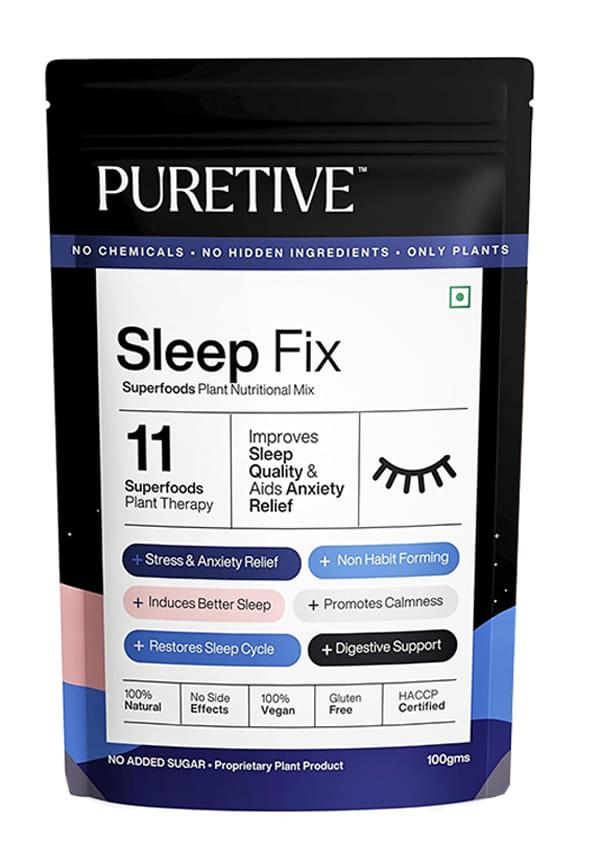
Sleep Fix Superfoods Mix | Natural Melatonin
Your brain needs time to shift from "awake and alert" mode to "ready for sleep" mode. Create a calming routine that starts about an hour before your target bedtime. This could include reading, gentle stretching, meditation, or listening to calming music. The key is consistency—do the same things in the same order each night.
Now for the practical stuff—actionable strategies you can start implementing tonight to fix those stubborn sleep habits.
This simple framework can transform your evenings: no food 3 hours before bed, no liquids 2 hours before bed, and no screens 1 hour before bed. Eating too close to bedtime forces your digestive system to work when it should be winding down. Drinking too late leads to midnight bathroom trips. And screens? They're basically sleep kryptonite.
Beyond temperature and darkness, consider your mattress and pillows. They should support your body comfortably without causing aches or overheating. Remove work materials, exercise equipment, and anything that reminds you of daytime stress. Your bedroom should signal "rest time" to your brain.
When your mind is racing, try the 4-7-8 breathing technique: inhale for 4 counts, hold for 7, exhale for 8. Progressive muscle relaxation works too—tense and release each muscle group from your toes to your head. These techniques activate your parasympathetic nervous system, naturally preparing your body for sleep.
Some changes can improve your sleep almost immediately. Try a warm bath or shower before bed—the drop in body temperature afterwards signals sleepiness. Keep a notepad by your bed to jot down tomorrow's worries, clearing your mind. If you can't fall asleep within 20 minutes, get up and do a quiet activity until you feel sleepy again.
Your daytime habits have a massive impact on nighttime sleep quality. Small adjustments to your daily routine can lead to dramatically better rest.
Regular exercise is one of the most effective natural sleep aids, but timing matters. Morning or afternoon workouts can help regulate your circadian rhythm and reduce stress. However, avoid intense exercise within 3-4 hours of bedtime, as it can be too stimulating. Even a 20-minute walk during the day can improve sleep quality.
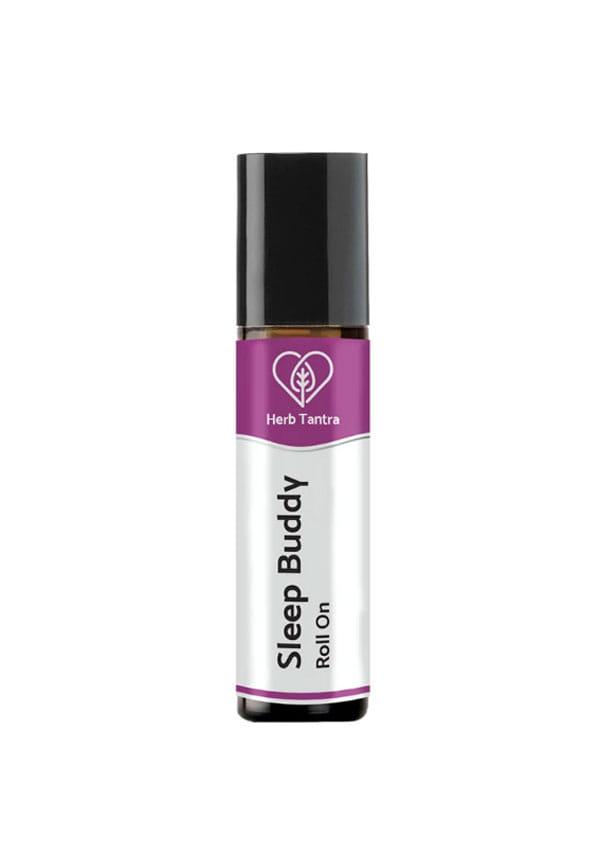
Sleep Buddy Insomnia Relief Roll-On
What you eat affects how you sleep. Foods rich in tryptophan (like turkey, milk, or bananas), magnesium (leafy greens, nuts), and complex carbohydrates can promote sleepiness. Avoid large meals, spicy foods, and alcohol close to bedtime. Whilst alcohol might make you feel drowsy initially, it disrupts sleep cycles later in the night.
Stress is often the root cause of sleep problems. Develop healthy coping mechanisms like journaling, meditation, or talking to friends. Regular stress management during the day prevents it from following you to bed. Consider trying relaxation apps or guided meditations specifically designed for sleep.
Get bright light exposure, especially in the morning. This helps maintain a healthy circadian rhythm and improves nighttime sleep quality. If you work indoors, try to spend some time outside during lunch breaks or consider a light therapy lamp.
Once you've mastered the basics, these advanced strategies can take your sleep quality to the next level.
Monitoring your sleep patterns can reveal helpful insights. Many smartphones have built-in sleep tracking, or you can use dedicated apps or wearable devices. Look for patterns—do you sleep better on certain days? What activities or foods seem to help or hurt your sleep?
Some people benefit from natural supplements like melatonin (start with a low dose), magnesium, or chamomile tea. However, these should complement good sleep hygiene, not replace it. Always consult with a healthcare provider before starting any supplements, especially if you take other medications.
Smart lighting systems that gradually dim in the evening can support your natural circadian rhythm. White noise machines or sleep apps with nature sounds can mask disruptive noises. Some people find sleep podcasts or audiobooks helpful for quieting racing thoughts.
Sometimes, despite your best efforts, sleep problems persist. Knowing when to seek professional help can save you months of frustration.
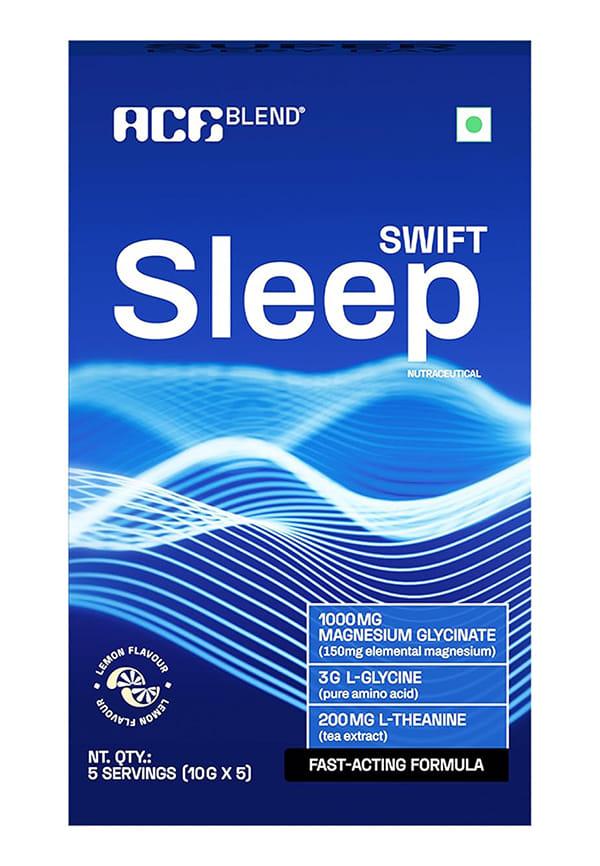
Swift Sleep, Natural Sleep Supplement With Magnesium, L-Theanine And Glycine
Consult a healthcare provider if you experience loud snoring with gasping, excessive daytime sleepiness despite adequate sleep time, or if sleep problems significantly impact your daily life. Conditions like sleep apnoea, restless leg syndrome, or chronic insomnia often require professional treatment.
Cognitive Behavioural Therapy for Insomnia (CBT-I) is highly effective for chronic sleep issues. Sleep studies can diagnose underlying disorders. Your doctor might also evaluate medications or medical conditions that could be affecting your sleep.
Start with consistency—same bedtime and wake time daily. Create a relaxing pre-sleep routine, optimise your sleep environment, and follow the 3-2-1 rule. Most people see improvements within 2-4 weeks of consistent changes.
It's a simple rule: no food 3 hours before bed, no liquids 2 hours before bed, and no screens 1 hour before bed. This prevents digestive disruption, reduces bathroom trips, and eliminates sleep-disrupting blue light.
Try the 4-7-8 breathing technique or progressive muscle relaxation. However, if you regularly struggle to fall asleep quickly, focus on improving your overall sleep hygiene rather than quick fixes.
Whilst you can start making changes immediately, resetting your circadian rhythm typically takes several days to weeks. Be patient and consistent with your new routine.
Focus on sleep hygiene: consistent schedule, cool dark room, regular exercise, stress management, and avoiding caffeine late in the day. Natural remedies like chamomile tea or magnesium might also help.
• Consistent sleep schedule • Cool, dark bedroom • No screens before bed • Regular exercise (not close to bedtime) • Limit caffeine after 2 PM • Create a relaxing bedtime routine • Get morning sunlight exposure • Avoid large meals before bed • Manage stress during the day • Keep work out of the bedroom
Fixing poor sleep habits isn't about perfection—it's about creating sustainable changes that work for your lifestyle. Start with one or two strategies that feel manageable, then gradually build your healthy sleep routine. Remember, quality sleep isn't a luxury; it's essential for your physical health, mental wellbeing, and overall quality of life. Just like discovering the right skincare routine or wellness products, finding your perfect sleep solutions might take some experimentation. Smytten understands this journey of discovery—as India's largest product discovery platform, they've helped over 25 million users explore and find what works best for them across lifestyle, beauty, and wellness categories. Whether you're trying new relaxation teas, aromatherapy products, or sleep-supporting supplements, the key is being able to test things out before committing. After all, when it comes to better sleep habits, why settle for 'maybe' when you can try different approaches until you find what truly works for your unique needs?
