How to Find Stress Relief Solutions That Work


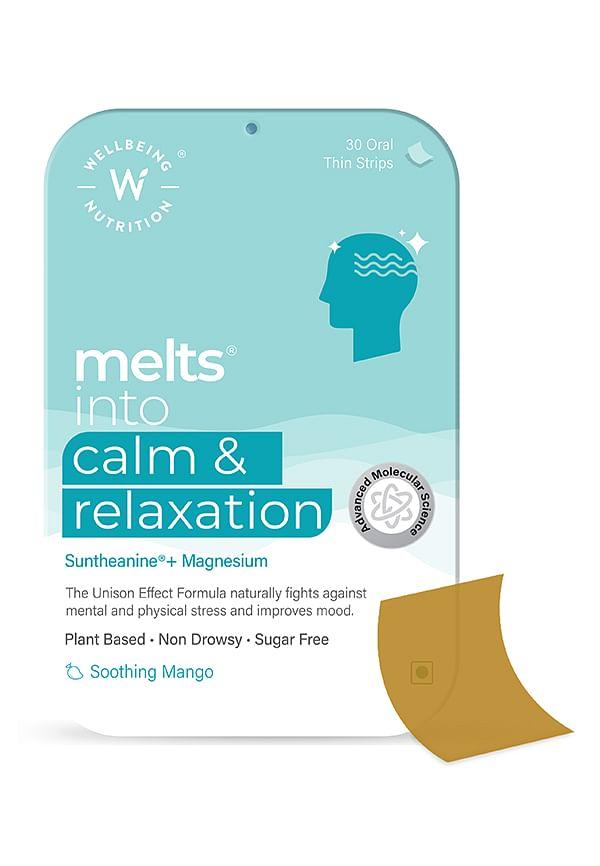
Melts Calm & Relaxation Plant Based Stress & Anxiety Reliever
Let's be real—stress is basically the uninvited guest that shows up to every life event. Whether it's work deadlines, relationship drama, or just the general chaos of adulting, we've all been there. The thing is, not every stress relief solution works for everyone. What calms your bestie might leave you feeling more wound up. Finding the right stress relief solutions is like finding your perfect skincare routine—it takes some trial and error, but once you crack the code, it's absolutely worth it.
Before diving into random stress management techniques, you need to understand what makes you tick (or rather, what makes you stressed). Think of it like getting to know your skin type before choosing products—you wouldn't use the same routine for oily and dry skin, right? Your stress triggers are as unique as your fingerprint. Maybe you're someone who gets overwhelmed by clutter, or perhaps social situations drain your energy faster than your phone battery. Some people thrive under pressure whilst others need complete calm to function. Recognising these patterns is your first step towards effective coping with stress.
Your body is constantly sending you signals, but are you listening? Physical symptoms like headaches, muscle tension, or that weird stomach flutter are your body's way of saying "Hey, something's up." Emotional signs might include feeling irritable, anxious, or just generally off your game. Keep a stress diary for a week. Note what situations trigger your stress, how your body responds, and what time of day you feel most overwhelmed. This isn't about being perfect—it's about spotting patterns that can help you choose the right anxiety relief methods.
Now for the good stuff—techniques that have proper science backing them up, not just wellness trends that'll disappear faster than your motivation on Monday morning.
When stress hits like a surprise plot twist, you need quick-acting solutions. These relaxation exercises can work within minutes: Box Breathing: Breathe in for 4 counts, hold for 4, exhale for 4, hold for 4. Repeat until you feel your nervous system chilling out. 5-4-3-2-1 Grounding: Name 5 things you can see, 4 you can touch, 3 you can hear, 2 you can smell, and 1 you can taste. It's like hitting the reset button on your brain. Progressive Muscle Relaxation: Tense and release each muscle group from your toes to your head. Sounds weird, works brilliantly.
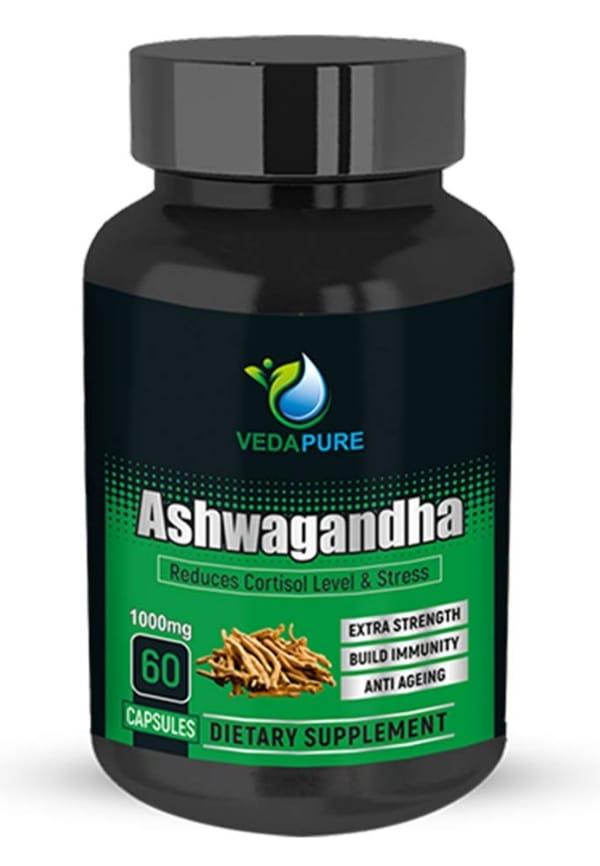
Ashwagandha Anxiety & Stress Relief
These are your everyday heroes—the calming techniques that build your stress resilience over time. Think of them as your daily vitamins for mental health. Mindfulness for stress doesn't mean sitting cross-legged for hours. Even 10 minutes of guided meditation can rewire your brain's response to stress. Apps make this super accessible, so no excuses about not knowing where to start. Physical movement is like a magic potion for stress. Whether it's a sweaty gym session, a gentle yoga flow, or just dancing to your favourite playlist in your room—movement helps your body process stress hormones naturally. Journaling isn't just for teenagers with diaries. Writing down your thoughts helps you process emotions and spot patterns. Plus, there's something satisfying about getting all that mental chatter out of your head and onto paper.
Quick fixes are great, but building lasting emotional wellness requires some lifestyle tweaks. Think of it as creating a stress-proof foundation for your life. Sleep is your secret weapon against stress. When you're well-rested, everything feels more manageable. Aim for 7-9 hours and create a bedtime routine that signals to your brain it's time to wind down. This might include limiting screens, reading, or trying some gentle stretches. What you eat affects how you feel—shocking, we know. Foods rich in omega-3s, magnesium, and B vitamins can support your nervous system. Meanwhile, too much caffeine or sugar can leave you feeling more jittery than a chihuahua.
Humans aren't meant to handle stress alone. Building strong relationships and knowing when to ask for help is crucial for long-term wellness tips for stress. This might mean scheduling regular catch-ups with friends, joining a hobby group, or simply being more open about when you're struggling. Boundaries are your best friend. Learning to say no without feeling guilty is a superpower that takes practice but pays off massively. Your time and energy are finite resources—spend them wisely.
Sometimes, despite your best efforts with stress reduction strategies, you might need extra support. There's absolutely no shame in this—it's actually pretty smart to recognise when you need backup. Red flags that suggest professional help might be beneficial include persistent sleep problems, feeling overwhelmed most days, avoiding activities you used to enjoy, or using substances to cope. If stress is affecting your relationships, work, or daily functioning, it's time to chat with a professional. Therapy isn't just for crisis situations. Many people find regular sessions helpful for developing better coping strategies and understanding their stress patterns. Cognitive Behavioural Therapy (CBT) is particularly effective for stress management, helping you identify and change unhelpful thought patterns.
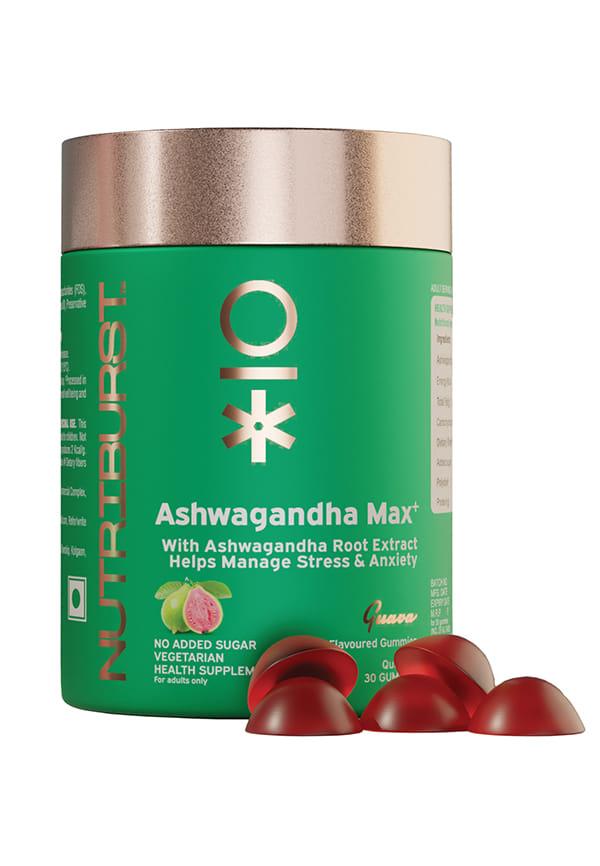
Ashwagandha Max Gummies for Stress Management
Looking for a therapist can feel overwhelming when you're already stressed. Start with your GP for recommendations, or check online directories. Many therapists offer brief phone consultations to see if you're a good fit. Remember, finding the right therapist is like finding the right friend—sometimes it takes a few tries to find someone you click with. Don't give up if the first person isn't right for you.
Now comes the fun part—building your own stress-busting toolkit. Just like Smytten lets you try different products before committing to full sizes, you can experiment with various stress management techniques to see what works for your lifestyle. Start small. Pick 2-3 techniques that appeal to you and try them for a week. Notice which ones feel natural and which ones feel like a chore. Your stress relief plan should feel sustainable, not like another item on your to-do list. Create different strategies for different situations. You might need quick breathing exercises for work stress, a evening yoga routine for daily wind-down, and weekend nature walks for deeper restoration.
Keep it simple—rate your stress levels daily on a scale of 1-10 and note which techniques you used. Over time, you'll spot patterns and see what's actually working versus what just sounds good in theory. Be patient with yourself. Building new habits takes time, and stress management is a skill that improves with practice. Some days will be better than others, and that's completely normal.
Deep breathing exercises, progressive muscle relaxation, and grounding techniques like the 5-4-3-2-1 method can provide relief within minutes. Cold water on your wrists or face can also quickly activate your parasympathetic nervous system.
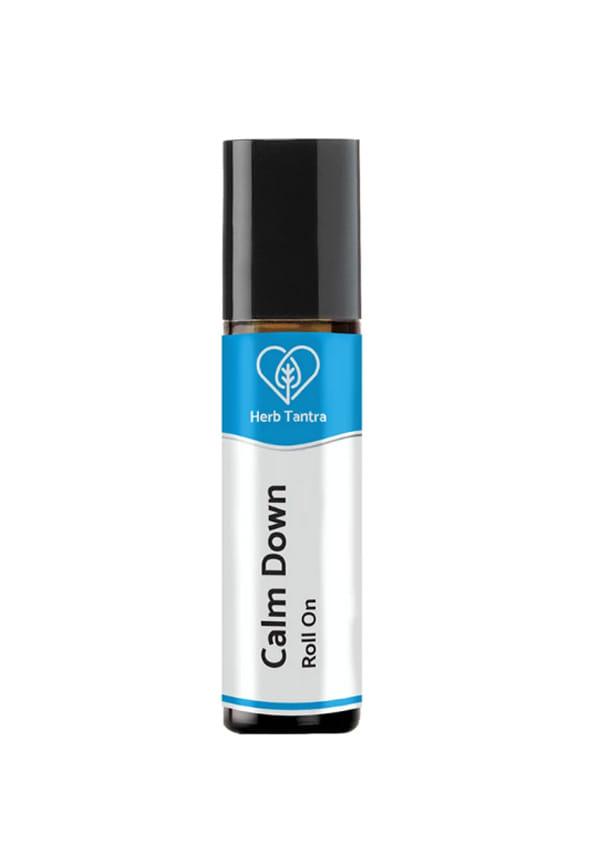
Calm Down Anxiety Relief Roll-On
Immediate techniques work within minutes, whilst daily practices like meditation or exercise show benefits within 2-4 weeks of consistent practice. Long-term lifestyle changes may take several months to fully impact your stress resilience.
Many people successfully manage stress through lifestyle changes, therapy, and self-care techniques. However, if you're experiencing severe anxiety or depression alongside stress, medication might be helpful as part of a comprehensive treatment plan.
Stress is typically a response to external pressures, whilst anxiety often involves worry about future events that may not happen. Both can benefit from similar management techniques, though anxiety might require more specialised approaches.
Warning signs include persistent sleep problems, frequent illness, relationship difficulties, avoiding activities you used to enjoy, or feeling overwhelmed most days. If stress is significantly impacting your daily life, consider seeking professional support.
Finding effective stress relief solutions is a personal journey that requires patience and experimentation. Start by understanding your unique stress patterns, then build a toolkit of techniques that work for your lifestyle. Remember that quick fixes are helpful for immediate relief, but lasting emotional wellness comes from consistent daily practices and lifestyle changes. Just as Smytten helps you discover products that work for your unique needs through trial-sized options, approaching stress management with a willingness to try different techniques will help you find what truly works for you. With over 25 million users trusting Smytten's approach to product discovery, the platform understands that everyone's needs are different—and the same applies to stress management. Don't be afraid to seek professional help when needed, and remember that building stress resilience is an ongoing process, not a destination. Your future self will thank you for investing in these skills now.
