How to Find Mindful Self-Care in Daily Life


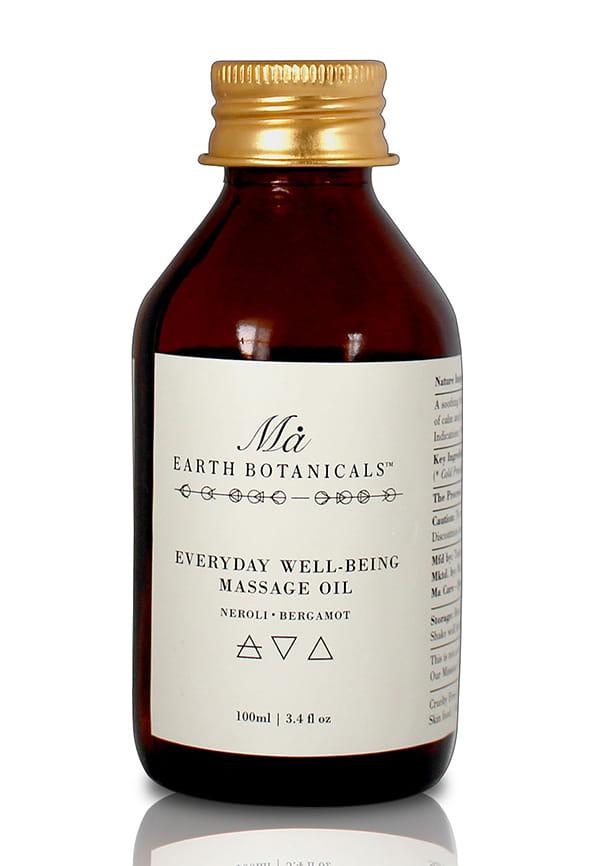
Everyday Well-Being Massage Oil
Let's be real—finding time to actually care for yourself feels impossible some days. Between work deadlines, family responsibilities, and that endless to-do list, self-care often gets pushed to the bottom of priorities. But here's the thing: mindful self-care isn't about adding another task to your already packed schedule. It's about weaving moments of awareness and compassion into what you're already doing. Think of it as upgrading your daily routine with intention rather than overhauling your entire life. When you learn to find mindful self-care in small, meaningful ways, you're not just surviving your days—you're actually living them.
Mindful self-care goes beyond the typical bubble bath and face mask routine (though those have their place too). It's about bringing intentional awareness to how you treat yourself throughout the day. Instead of mindlessly scrolling through your phone during lunch, you might take five minutes to actually taste your food and check in with how you're feeling. The magic happens when you combine presence with self-compassion. Traditional self-care might focus on doing nice things for yourself, but mindful self-care asks you to notice what you actually need in each moment. Sometimes that's rest, sometimes it's movement, and sometimes it's simply acknowledging that you're doing your best in a challenging situation. Research shows this approach significantly impacts your emotional wellness. When you practice mindful self-care regularly, your brain literally rewires itself to handle stress better. You develop stronger emotional regulation skills and become more resilient to life's inevitable ups and downs. Plus, you start treating yourself with the same kindness you'd show a good friend—which is honestly revolutionary for most of us.
Your brain is incredibly adaptable, and mindfulness exercises literally change its structure over time. When you practice stress reduction techniques regularly, you're strengthening the prefrontal cortex—the part responsible for decision-making and emotional regulation—while calming the amygdala, your brain's alarm system. Studies consistently show that even short mindfulness exercises can lower cortisol levels within minutes. That's your stress hormone taking a chill pill, which means better sleep, improved immune function, and clearer thinking. The anxiety relief isn't just in your head—it's measurable in your bloodstream. What's particularly fascinating is how quickly these changes happen. While long-term practice creates lasting structural changes, you can experience immediate benefits from a single mindful breathing session. Your nervous system shifts from fight-or-flight mode to rest-and-digest, giving your body permission to actually relax. The ripple effects extend far beyond the moment of practice. People who regularly engage in mindfulness exercises report better relationships, increased creativity, and improved problem-solving abilities. It's like upgrading your mental operating system to handle life's challenges more smoothly.
Building a sustainable mindful self-care practice doesn't require hours of meditation or expensive retreats. It's about finding small pockets of awareness throughout your day and treating yourself with consistent kindness. These self-love practices can fit into even the busiest schedules.
Start your day with intention rather than immediately reaching for your phone. Try a simple five-minute breathing exercise: breathe in for four counts, hold for four, exhale for six. This activates your parasympathetic nervous system and creates a calm foundation for whatever the day brings. Gratitude journaling doesn't need to be elaborate—jot down three things you appreciate, even if one of them is just having coffee. A quick body scan while still in bed helps you tune into how you're feeling physically and emotionally before the day's demands take over.
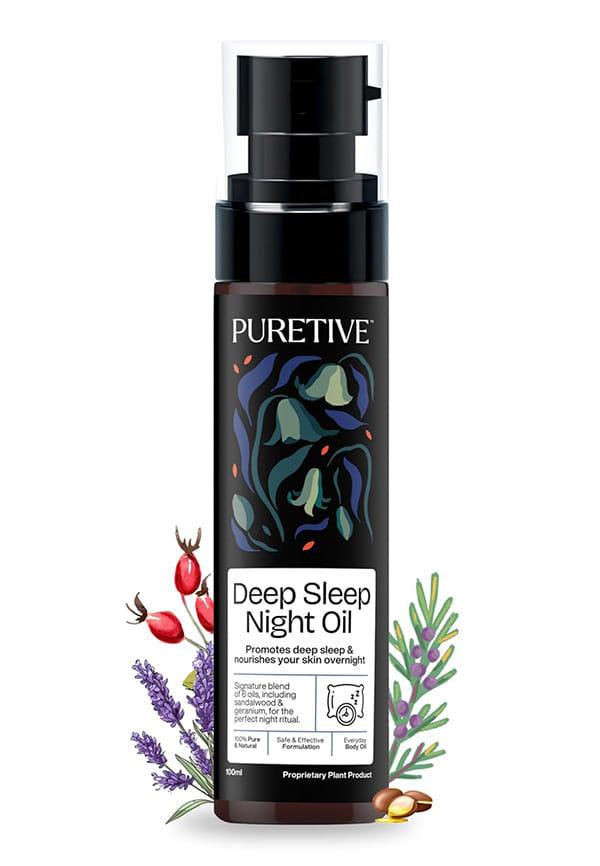
Deep Sleep Body Oil | Calms a Restless Mind & Body | Softens & Nourishes Skin
Micro-meditations are your secret weapon during busy days. Take three conscious breaths between meetings or while waiting for your computer to load. These tiny moments of presence add up to significant stress reduction over time. Mindful walking, even just to the kitchen or bathroom, transforms routine movement into relaxation methods. Focus on how your feet feel touching the ground or notice five things you can see around you. It's amazing how this simple shift in attention can reset your entire mood.
Create a digital sunset by putting devices away an hour before bed. Use this time for gentle well-being activities like reading, stretching, or simply sitting quietly. Progressive muscle relaxation—tensing and releasing each muscle group—helps your body physically let go of the day's tension. End with self-compassion by acknowledging what went well today and forgiving yourself for what didn't. This isn't about toxic positivity—it's about treating yourself with the same understanding you'd offer a friend having a tough day.
Your self-care routine should feel as unique as you are. Start by honestly assessing your current stress levels and identifying what typically triggers overwhelm. Maybe it's Sunday night anxiety about the week ahead, or that 3 PM energy crash that leaves you reaching for your fourth coffee. Building sustainable practices means starting small and being realistic about your lifestyle. If you're a parent with young children, a 20-minute meditation might not be feasible, but three minutes of mindful breathing while your coffee brews absolutely is. The key is consistency over duration. Consider creating different self-care menus for different situations. Quick five-minute practices for busy days, longer 30-minute sessions for weekends, and emergency stress-busters for particularly challenging moments. This way, you always have tools that match your available time and energy. Track what actually works for you rather than what you think should work. Maybe nature sounds stress you out but instrumental music calms you instantly. Maybe morning meditation feels forced but evening reflection comes naturally. Honour your preferences rather than fighting them. Just like discovering the perfect skincare routine through trial and exploration, finding your ideal self-care practices takes experimentation. Smytten understands this journey of discovery—their platform lets you try wellness products and self-care essentials before committing to full sizes, making it easier to find what truly supports your well-being without the guesswork.
Once you've established basic mindful self-care habits, you might want to explore more nuanced practices that deepen your relationship with yourself. These techniques focus on building genuine self-compassion and emotional resilience.
Mindful eating transforms meals from mindless fuel stops into moments of genuine nourishment. Choose one meal per day to eat without distractions—no phone, no TV, just you and your food. Notice textures, flavours, and how different foods make your body feel. Movement meditation doesn't require yoga expertise. Simply walk slowly and deliberately, feeling each step. Or try mindful stretching, paying attention to how your muscles respond to gentle movement. This builds the mind-body connection that's essential for emotional wellness.
Loving-kindness meditation might feel awkward at first, but it's incredibly powerful for developing self-compassion. Start by sending good wishes to yourself: "May I be happy, may I be healthy, may I be at peace." Gradually extend these wishes to others in your life. Thought observation involves watching your mental chatter without getting caught up in it. Imagine your thoughts as clouds passing through the sky of your mind—you can see them, but you don't have to chase them or push them away.
The most common barrier to mindful self-care isn't time—it's the belief that you don't deserve it. Many people struggle with guilt around taking time for themselves, especially if they're caregivers or high achievers. Remember that self-care isn't selfish; it's essential maintenance that allows you to show up better for everyone else in your life. Perfectionism can also sabotage your efforts. You don't need to meditate for an hour or have the perfect morning routine. Five minutes of mindful breathing is infinitely better than zero minutes of perfect meditation. Progress, not perfection, is the goal. When motivation wanes—and it will—rely on systems rather than feelings. Create environmental cues that remind you to practice self-care. Maybe it's setting a phone reminder for afternoon breathing breaks or keeping a journal by your bedside for evening reflection. Building accountability doesn't mean sharing every detail of your self-care practice, but having someone who knows you're working on treating yourself better can provide gentle encouragement when you need it most.
Sometimes you need anxiety relief right now, not after a 30-minute meditation session. These rapid-response techniques can shift your nervous system in minutes or even seconds.
Box breathing works anywhere: inhale for four counts, hold for four, exhale for four, hold empty for four. Repeat until you feel your shoulders drop and your jaw unclench. This technique is so effective that it's used by Navy SEALs and emergency responders. Mindful hand washing turns a routine activity into a grounding exercise. Feel the water temperature, notice the soap's texture, and focus entirely on the sensations. It's a perfect reset between stressful tasks.
Nature connection doesn't require hiking mountains—even looking at plants through a window or stepping outside for fresh air can provide significant stress reduction. If possible, spend 15 minutes outdoors without any agenda except being present. Creative mindfulness activities like colouring, doodling, or even mindful cleaning can provide the perfect balance of engagement and relaxation. The key is doing these activities with full attention rather than as background tasks.
Start with breath itself—three conscious breaths take less than 30 seconds and can be done anywhere. Mindful self-care isn't about adding time to your schedule; it's about bringing awareness to moments you're already living. Try mindful transitions between activities or conscious breathing while waiting in queues.
Regular self-care focuses on activities that feel good or relaxing. Mindful self-care adds the element of present-moment awareness and self-compassion. Instead of mindlessly watching TV to unwind, mindful self-care might involve consciously choosing to rest and being kind to yourself about needing downtime.
Research consistently shows that mindfulness practices can significantly reduce anxiety symptoms and improve overall mental health. However, mindful self-care complements but doesn't replace professional mental health treatment when needed. Think of it as a valuable tool in your wellness toolkit.
Many people experience immediate stress relief from single mindfulness exercises, but deeper changes in emotional regulation and resilience typically develop over weeks or months of consistent practice. The key is starting small and being patient with the process.
Guilt around self-care often stems from believing that your worth depends on constant productivity or caring for others. Remember that taking care of yourself isn't selfish—it's necessary for sustainable well-being. You can't pour from an empty cup, and mindful self-care helps keep yours filled.
Finding mindful self-care in daily life isn't about perfection or adding pressure to your already full plate. It's about weaving moments of awareness, kindness, and presence into the life you're already living. Whether it's three conscious breaths between meetings or a mindful cup of tea before bed, these small acts of self-compassion add up to significant changes in how you feel and function. The beauty of mindful self-care lies in its accessibility—you don't need special equipment, expensive products, or hours of free time. You just need the willingness to treat yourself with the same kindness you'd show a good friend and the commitment to practice, even when it feels awkward at first. Remember that building sustainable self-care practices is a journey of discovery, much like finding the right wellness products for your unique needs. Just as Smytten helps you explore and discover what works best for your lifestyle through trial-sized products from trusted brands, mindful self-care is about experimenting with different techniques until you find what truly supports your well-being. With over 25 million users discovering their perfect matches through trial and exploration, the platform understands that one size doesn't fit all—whether it's skincare, wellness products, or self-care practices. After all, why settle for 'maybe' when you can try it all and find what genuinely nurtures your mind, body, and spirit?
