How to Find Effective Pain Relief Methods for Chronic Pain


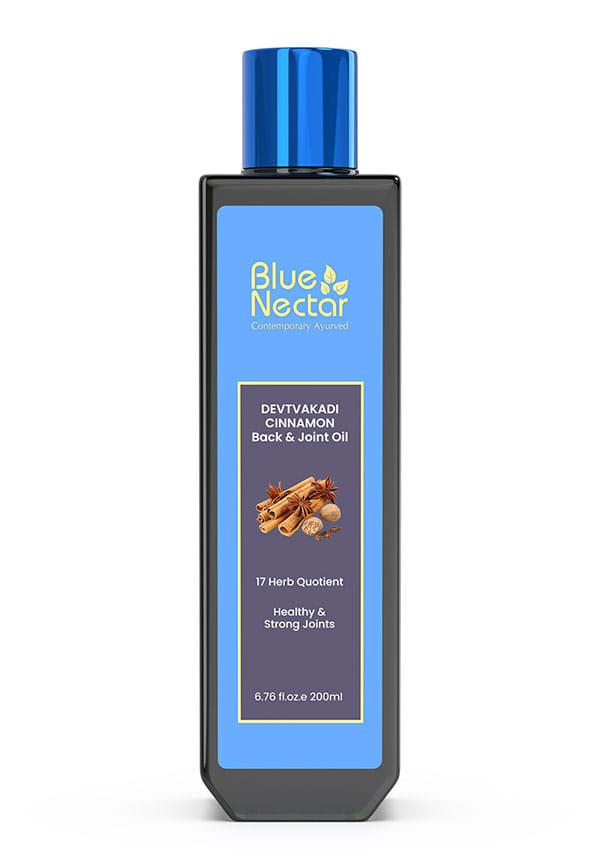
Ayurvedic Pain Relief Oil for Body, Back, Knee and Legs 17 Herbs
Living with chronic pain can feel like an endless cycle of trial and error, especially when you're searching for pain relief methods that actually work. Whether you're dealing with persistent back pain, recurring headaches, or joint discomfort, finding the right combination of techniques can transform your daily life. The good news? There are proven strategies that go beyond just masking symptoms—they address pain at its source and help you regain control.
Not all pain is created equal, and that's why a one-size-fits-all approach rarely works. Understanding your specific type of pain is the first step towards effective chronic pain management. Think of it like choosing the right tool for a job—you wouldn't use a hammer when you need a screwdriver.
Acute pain relief focuses on immediate, short-term discomfort that typically lasts less than three months. This might be a sprained ankle, post-surgery recovery, or a tension headache. Chronic pain, on the other hand, persists for months or years and requires a completely different approach.
For acute pain, your body is essentially sending an alarm signal that something needs immediate attention. Quick-acting methods like ice therapy or over-the-counter medication often provide effective relief. Chronic pain is more complex—it's like a faulty alarm system that keeps going off even when there's no immediate danger.
Your pain signals travel through a complex network of nerves, and there are multiple points where you can interrupt or modify these signals. This is why combining different pain relief techniques often works better than relying on just one method.
Evidence-based approaches focus on methods that have been scientifically tested and proven effective. These include everything from specific exercises to mindfulness practices that actually change how your brain processes pain signals.
When it comes to natural pain relief, there's a lot of noise out there. Let's focus on methods that have solid research backing them up and can be easily integrated into your daily routine.
These might seem basic, but heat and cold therapy are incredibly effective when used correctly. Ice therapy works brilliantly for acute injuries and inflammation—think of it as nature's anti-inflammatory. Apply ice for 15-20 minutes at a time, especially within the first 48 hours of an injury.
Heat therapy is your go-to for chronic muscle tension and stiffness. A warm bath, heating pad, or even a hot water bottle can increase blood flow and relax tight muscles. Just remember: ice for fresh injuries, heat for ongoing stiffness.
Pain relief exercises might seem counterintuitive when you're hurting, but gentle movement is often exactly what your body needs. Low-impact activities like walking, swimming, or yoga can release natural endorphins—your body's own pain-fighting chemicals.
The key is starting slowly and listening to your body. Even five minutes of gentle stretching can make a difference in how you feel throughout the day.
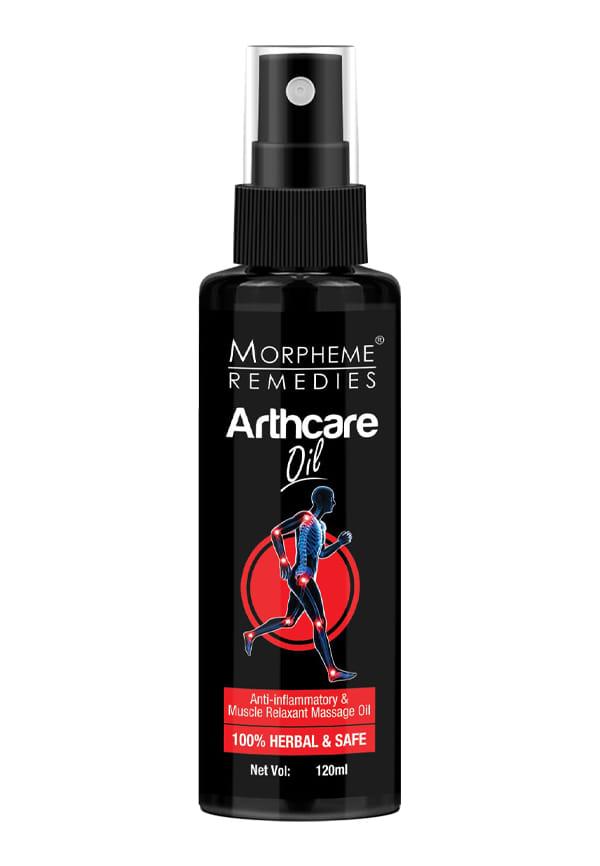
Morpheme Remedies Arthcare Pain Relief Oil For Body, Back, Legs, Knee, 120 ml
Your mind and body are more connected than you might think. Deep breathing exercises can actually reduce muscle tension and help break the pain-stress cycle. Try the 4-7-8 technique: breathe in for 4 counts, hold for 7, exhale for 8.
Meditation and mindfulness aren't just trendy wellness buzzwords—they're proven tools for chronic pain management. Even ten minutes of guided meditation daily can help change how your brain processes pain signals.
Sometimes you need to bring in the professionals. Working with healthcare experts can provide you with targeted strategies and treatments that you simply can't achieve on your own.
Physical therapists are like personal trainers for pain management. They can identify movement patterns that might be contributing to your pain and teach you specific exercises to address your unique situation. TENS therapy (transcutaneous electrical nerve stimulation) is another tool they might use—it sends mild electrical pulses to interrupt pain signals.
Occupational therapists focus on helping you modify daily activities to reduce pain and improve function. They're brilliant at finding practical solutions for everything from ergonomic workspace setups to adaptive tools for daily tasks.
Acupuncture has moved from alternative pain relief into mainstream medicine for good reason. Research shows it can be particularly effective for certain types of chronic pain, including back pain and headaches. The thin needles stimulate specific points that can trigger your body's natural healing response.
Massage therapy and chiropractic care can also be valuable additions to your pain management toolkit, especially for musculoskeletal issues.
Pain relief medication can be an important part of your strategy when used wisely. The key is understanding what works best for your specific type of pain and using medications as part of a broader approach, not as your only solution.
Acetaminophen and NSAIDs (like ibuprofen and naproxen) work differently in your body. Acetaminophen is excellent for general pain and fever but doesn't address inflammation. NSAIDs tackle both pain and inflammation, making them particularly useful for conditions like arthritis.
Proper timing matters too. For chronic conditions, taking medication on a schedule (rather than waiting until pain peaks) often provides better overall relief.
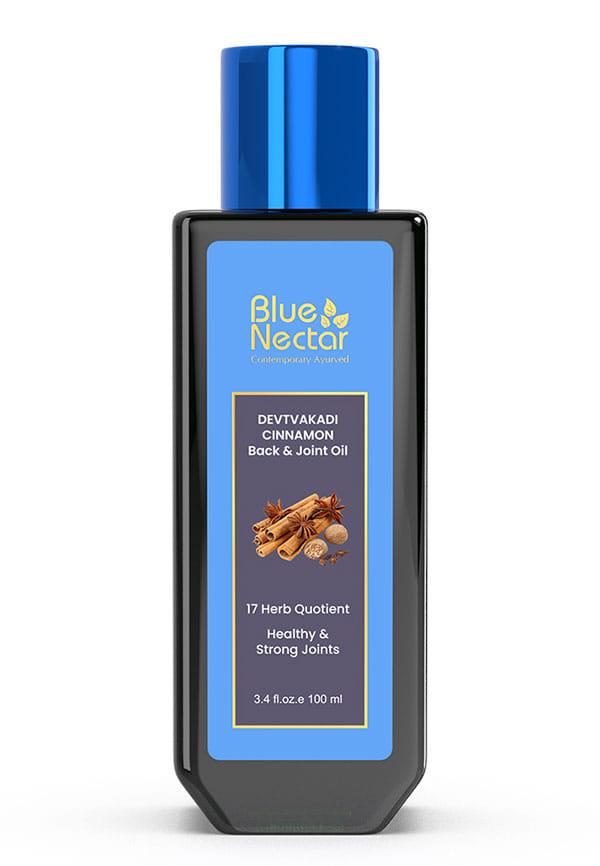
Ayurvedic Pain Relief Oil for Body, Back, Knee and Legs 17 Herbs
If over-the-counter options aren't providing adequate relief, or if your pain is significantly impacting your quality of life, it's time to have a conversation with your healthcare provider. They can evaluate whether prescription medications might be appropriate for your situation.
The goal is always to find the lowest effective dose that allows you to function well while minimising side effects and dependency risks.
Different types of pain often respond better to specific approaches. Let's break down some of the most common pain conditions and the strategies that work best for each.
Lower back pain relief often involves a combination of strengthening and flexibility work. Your core muscles act like a natural back brace, so exercises that target your deep abdominal muscles can provide significant relief over time.
Ergonomic adjustments to your workspace and sleeping environment can also make a huge difference. Sometimes the simplest changes—like adjusting your chair height or switching to a supportive pillow—provide the most relief.
Headache relief starts with identifying your triggers. Common culprits include dehydration, poor posture, stress, and certain foods. Keeping a headache diary can help you spot patterns and prevent episodes before they start.
For tension headaches, gentle neck stretches and stress management techniques often work wonders. Migraine sufferers might benefit from identifying and avoiding specific triggers while having a plan for managing episodes when they occur.
Arthritis pain relief focuses on maintaining joint mobility while managing inflammation. Gentle range-of-motion exercises can help keep joints flexible, while anti-inflammatory foods like fatty fish and leafy greens may help reduce overall inflammation in your body.
The key is finding the right balance between activity and rest. Too much activity can increase inflammation, but too little can lead to stiffness and weakness.
The most effective pain management approach is one that's tailored specifically to you. This means considering your lifestyle, preferences, pain patterns, and overall health goals. Just like how Smytten helps you discover products that work for your unique needs through trial-sized options, finding your ideal pain management strategy often involves trying different approaches to see what works best.
Prevention is always better than treatment. This might mean maintaining good posture, staying hydrated, managing stress, or avoiding known triggers. Small daily habits can prevent many pain episodes from occurring in the first place.
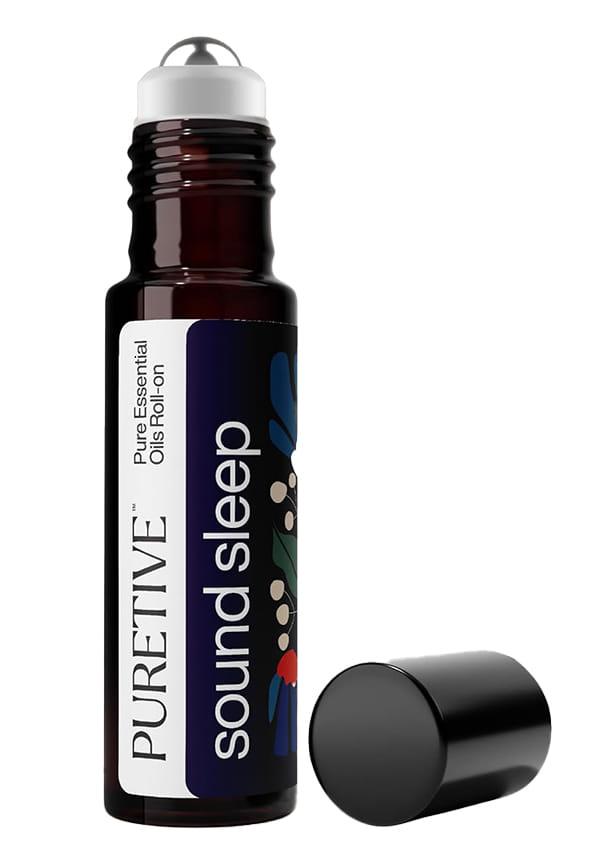
Sound Sleep Roll On for Deep Sleep and Relaxation
Precision means matching your approach to your specific type of pain. What works for lower back pain might not be effective for headaches, so having targeted strategies for different situations is crucial.
Think of your pain management toolkit like a well-stocked kitchen—you need different tools for different jobs. You might use heat therapy in the morning for stiffness, gentle exercises during the day, and relaxation techniques before bed.
Tracking what works best for your specific pain patterns helps you refine your approach over time. Many people find that keeping a simple pain diary helps them identify which combinations of techniques provide the most relief.
Certain symptoms require immediate medical attention: severe pain that doesn't respond to usual treatments, pain accompanied by fever, numbness or tingling, or pain following an injury. Don't hesitate to seek help when something doesn't feel right.
Building a healthcare team for chronic pain management might include your primary care doctor, a physical therapist, and possibly specialists depending on your condition. The key is finding providers who listen to your concerns and work with you to develop a comprehensive plan.
Turmeric contains curcumin, which has powerful anti-inflammatory properties. Willow bark contains salicin, similar to aspirin. However, 'strongest' varies by person and condition. Natural doesn't always mean risk-free, so consult healthcare providers before trying new supplements, especially if you take other medications.
Heat and cold therapy, gentle exercise, stress management, proper sleep, and relaxation techniques can all provide significant relief. The key is consistency and combining multiple approaches. Many people find that non-medication methods become more effective over time as your body adapts.
Simple techniques include proper posture, regular gentle movement, stress management, adequate hydration, and good sleep hygiene. These foundational habits often provide more long-term relief than quick fixes. Start with one or two techniques and gradually build your toolkit.
If pain persists for more than a few weeks, significantly impacts your daily activities, or doesn't respond to basic self-care measures, it's time to seek professional help. Early intervention often leads to better outcomes and prevents pain from becoming more complex.
Finding effective pain relief methods is rarely about discovering one magic solution—it's about building a personalised toolkit that addresses your unique situation. The most successful approaches combine evidence-based techniques with patience and consistency. Remember that what works for someone else might not work for you, and that's perfectly normal.
Just as Smytten believes you should never have to settle when it comes to discovering products that work for you, the same principle applies to pain management. With over 25 million users trusting Smytten's trial-first approach to find their perfect matches, the platform understands that discovery is a process. Whether you're exploring wellness products or pain management techniques, the goal is finding what truly works for your individual needs—because why settle for 'maybe' when you can find what actually helps?
