How to Create an Evening Routine for Better Sleep



Ashwagandha Tablets,Reduce Stress & Support Sleep Cycle
Ever find yourself tossing and turning at night, mind racing with tomorrow's to-do list or replaying the day's events? You're definitely not alone. Creating a proper evening routine might just be the game-changer your sleep has been waiting for. Think of it as your personal wind-down ritual that signals to your brain and body that it's time to shift gears from the chaos of the day to peaceful rest. The best part? You don't need fancy gadgets or expensive treatments—just some intentional habits that work for your lifestyle. Whether you're a busy professional, a student cramming for exams, or someone juggling multiple responsibilities, learning how to create an evening routine can transform your nights from restless to restorative. And here's where Smytten comes in handy—with trial packs of wellness products like calming teas, aromatherapy oils, and skincare essentials, you can experiment with different elements to find what truly helps you unwind without committing to full-size purchases.
TL;DR
A consistent evening self-care routine helps regulate your circadian rhythm and improves sleep quality significantly
The key is working backwards from your ideal bedtime and creating a 1-2 hour wind-down window
Essential elements include digital sunset, environment preparation, relaxation activities, and consistent sleep hygiene practices
Pre-sleep relaxation techniques like breathing exercises, gentle stretches, and mindfulness can reduce stress and racing thoughts
Customise your routine based on your lifestyle—even 15 minutes of intentional winding down makes a difference
Let's be real—your evening routine (or lack thereof) is probably affecting your sleep more than you think. Your body runs on something called a circadian rhythm, which is basically your internal clock that tells you when to feel alert and when to wind down. When you create consistent healthy bedtime habits, you're essentially training this clock to work in your favour.
Here's what happens when you don't have a proper routine: your brain stays in "go mode" right until you hit the pillow, making it nearly impossible to fall asleep quickly. You might find yourself scrolling through your phone, stress-eating, or suddenly remembering that important email you forgot to send. Sound familiar?
The benefits of establishing a nightly ritual go way beyond just falling asleep faster. You'll likely experience deeper, more restorative sleep, wake up feeling more refreshed, and even notice reduced stress levels throughout the day. Plus, when you're well-rested, everything from your mood to your skin tends to improve—it's like a domino effect of good vibes.
Ready to build your own wind-down ritual? This framework breaks it down into manageable steps that you can customise based on your schedule and preferences. Remember, the goal isn't perfection—it's consistency.
First things first: figure out when you actually need to be asleep (not just in bed) to get your ideal 7-9 hours of rest. If you need to wake up at 7 AM and want 8 hours of sleep, that means lights out by 11 PM. Now work backwards—if you want a proper wind-down period, you'll need to start your evening routine around 9 PM.
This one's tough but crucial: create a cut-off time for screens. The blue light from phones, tablets, and TVs can seriously mess with your melatonin production. Try setting your devices to "do not disturb" mode and physically putting them in another room. Instead of scrolling, try reading, journaling, or having an actual conversation with someone you live with.
Your bedroom should feel like a sleep sanctuary, not a chaotic extension of your day. Tidy up any clutter, set out tomorrow's clothes, and adjust the temperature to around 16-19°C. Dim the lights gradually as bedtime approaches—this helps signal to your brain that it's time to produce sleep hormones.

Night Reset Retinol + Ceramide Sleep Treatment Cream
Good Night Cream
 4
4“So good, I like this night cream”
Effective and Mild Formula
5“difference is visible in week 3 too good and mild formula no irritation or anything”
Good Night Cream
4“So good, I like this night cream”
This is where you can get creative and find what actually works for you. Some people swear by gentle yoga or stretching, while others prefer a warm bath with Epsom salts. Herbal teas like chamomile or passionflower can be incredibly soothing, and many people find that gratitude journaling helps clear their mind of racing thoughts.
Think of this as your final 10-15 minutes before actually getting into bed. It might be applying a calming face cream, doing some deep breathing exercises, or simply taking a few moments to appreciate how your body carried you through the day. The key is making it consistent so your brain learns to associate these actions with sleep time.
Sleep hygiene practices are basically the non-negotiable habits that set you up for quality rest. Think of them as the foundation that makes all your other evening routine efforts actually work.
Temperature plays a huge role in how well you sleep. Your body naturally drops its core temperature as bedtime approaches, so keeping your room cool (around 16-19°C) helps this process along. Paradoxically, taking a warm bath or shower about 90 minutes before bed can actually help—when you get out, your body temperature drops rapidly, mimicking the natural sleep signal.
Light management is equally important for your nighttime routine for better sleep. Start dimming lights throughout your home about two hours before bedtime. If you live in a bright city or have streetlights outside your window, consider blackout curtains or an eye mask. Even small amounts of light can interfere with melatonin production.
When it comes to food and drink, timing matters. Try to finish eating at least 2-3 hours before bed to give your digestive system time to settle. While a small herbal tea can be soothing, avoid large amounts of fluids close to bedtime unless you enjoy middle-of-the-night bathroom trips.
If your mind tends to race when your head hits the pillow, these techniques can help you find that elusive calm. The best part? They're all free and can be done anywhere.
The 4-7-8 breathing technique is surprisingly effective: breathe in for 4 counts, hold for 7, then exhale slowly for 8 counts. This activates your parasympathetic nervous system, basically telling your body it's safe to relax. Progressive muscle relaxation involves tensing and then releasing different muscle groups, starting from your toes and working up to your head.
Brain dump journaling is exactly what it sounds like—grab a notebook and write down everything that's swirling around in your head. Don't worry about grammar or making sense; just get it all out. Gratitude practices can shift your mindset from stress to appreciation, while visualisation techniques help create peaceful mental imagery that your brain can focus on instead of tomorrow's worries.

Sleep Tabs with 5mg melatonin, Brahmi, Tagar & Jatamansi, Sleeping Tablets for Stress Free Sleep & Calmness - 60 Tablets
Gentle yoga poses like child's pose, legs up the wall, or simple spinal twists can help release physical tension. Self-massage, particularly of your feet, hands, or temples, can be incredibly soothing. Adding magnesium to a warm bath can help relax muscles and potentially improve sleep quality.
Your evening routine needs to fit your actual life, not some idealised version of it. Here's how to adapt these principles to different situations and schedules.
When time is tight, focus on the essentials: consistent bedtime, digital sunset, and one calming activity. Even 15 minutes of intentional winding down can make a difference. If you have kids, consider making some activities family-friendly—reading together, gentle stretching, or sharing highlights from the day can benefit everyone.
Balancing study time with proper sleep prep can be tricky, but it's crucial for academic performance. Try the "study sunset" approach—set a cut-off time for intense mental work, then transition to lighter review or reading. If you're in a dorm or shared space, invest in a good eye mask, earplugs, and maybe a small essential oil diffuser for your personal wind-down zone.
The principles remain the same even if your "evening" happens at 6 AM. Create darkness with blackout curtains, maintain consistent timing relative to your sleep schedule, and establish the same calming rituals regardless of what time it actually is. Your body can adapt to almost any schedule as long as it's consistent.
Even with the best intentions, it's easy to sabotage your own efforts. Here are the most common pitfalls and how to avoid them.
Inconsistent timing is probably the biggest routine killer. Your circadian rhythm thrives on predictability, so try to start your wind-down process around the same time each night, even on weekends. Yes, this might mean missing out on some late-night social events, but your sleep quality will thank you.
Another mistake is choosing overstimulating activities too close to bedtime. That intense workout, heated phone conversation, or binge-watching session might feel relaxing in the moment, but they're actually ramping up your nervous system when you need it to calm down.
Perfectionism can also derail your efforts. If you miss a night or your routine gets disrupted, don't throw in the towel completely. Just get back to it the next evening. Flexibility within structure is key—your routine should support your life, not add stress to it.
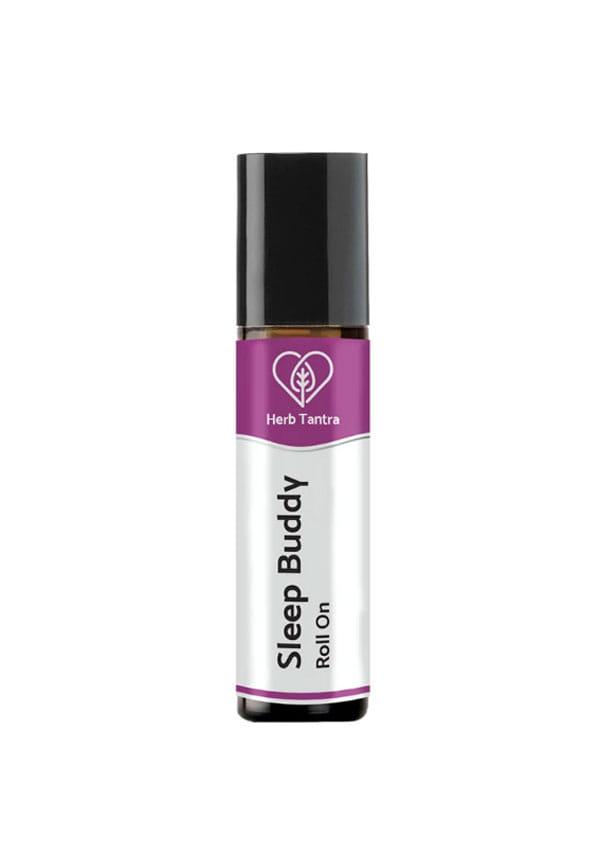
Sleep Buddy Insomnia Relief Roll-On
Your evening routine can be anywhere from 15 minutes to 2 hours, depending on your schedule and preferences. The key is consistency rather than duration. Even a brief 15-minute routine of dimming lights, putting away devices, and doing some gentle stretches can significantly improve your sleep quality.
Night owls can still benefit from evening routines—you just need to time them according to your natural sleep schedule. If you naturally fall asleep at 1 AM, start your wind-down process around 11 PM. Gradually shifting your bedtime earlier by 15-30 minutes each week can help if you need to adjust your schedule.
Absolutely! A gentle skincare routine can be incredibly relaxing and signals to your brain that it's time to wind down. Try products available on Smytten to find calming cleansers, moisturisers, or face masks that work for your skin type without committing to full-size purchases first.
If racing thoughts persist, try the "worry window" technique—set aside 10 minutes earlier in the evening to write down your concerns and potential solutions. During this time, remind yourself that you've already addressed these thoughts and they can wait until tomorrow. Progressive muscle relaxation or guided meditation can also help quiet a busy mind.
Most people start noticing benefits within a week, but it typically takes 2-4 weeks for a routine to feel truly automatic. Be patient with yourself during this adjustment period and focus on consistency rather than perfection.
Creating an effective evening routine isn't about following someone else's perfect schedule—it's about finding what works for your lifestyle and sticking with it. Start small with just 2-3 consistent activities and gradually build from there. Remember that the goal is preparing for restful sleep, not adding more stress to your day.
The most important elements are consistency, reducing stimulation as bedtime approaches, and giving yourself enough time to properly wind down. Whether that means a luxurious hour-long routine or a focused 15-minute ritual, what matters is that it helps signal to your body and mind that it's time to rest.
Don't forget that small changes can make a big difference. Even simple adjustments like putting your phone in another room, dimming the lights, or spending five minutes writing in a gratitude journal can improve your sleep quality significantly.
Building the perfect evening routine is all about experimentation and finding what truly helps you unwind. That's where Smytten becomes your sleep routine's best friend—with trial packs of wellness products from trusted brands, you can test different elements like calming teas, aromatherapy oils, or soothing skincare products without the commitment of full-size purchases. With over 1,500 brands available on Smytten and 100% cashback on trial minis, you can explore everything from herbal supplements to relaxing bath products until you find your perfect wind-down combination. After all, why settle for restless nights when you can try it all and discover what actually works for your unique sleep needs?
