How to Choose the Right Vitamin D Tablets for Your Needs



Infabest Multivitamins Drops with Vitamin D3 & Zinc for Kids & Toddlers - 30ml
Excellent Multivitamin for Infants
 5
5“best for infants.. very helpful.. contain multivitamin with vit D3,A,B complex..it helps kids for healthy immune system and growth.. also helps in brain development.. tastes like fruit flavour like not that bad.. i am satisfied and would love to continue.. i would definitely buy again in future..”
Finding the right vitamin D tablets can feel overwhelming with so many options lining pharmacy shelves. Your body craves this sunshine vitamin, but with countless brands promising different benefits, how do you know which vitamin D tablets name actually delivers? Whether you're dealing with fatigue, weakened immunity, or simply want to boost your overall wellness, choosing the perfect supplement isn't just about grabbing the first bottle you see. Let's break down everything you need to know to make a choice that actually works for your lifestyle and health goals.
Real talk—vitamin D deficiency is more common than you might think, especially if you're spending most of your day indoors. Your body gives pretty clear signals when it's running low on this essential nutrient, and recognising these signs early can make all the difference.
Feeling constantly tired despite getting enough sleep? That could be your first clue. Other telltale signs include frequent infections, slow-healing wounds, bone pain, and even mood changes like feeling low or anxious. Hair loss and muscle weakness also pop up when your vitamin D levels dip too low.
When vitamin D deficiency sticks around, it brings some serious health concerns with it. Your bones become weaker, making fractures more likely. Your immune system struggles to fight off infections effectively. Some studies even link low vitamin D levels to increased risk of heart disease and certain autoimmune conditions.
Certain groups need to pay extra attention to their vitamin D levels. If you work indoors, live in areas with limited sunlight, have darker skin, or are over 50, you're more likely to develop deficiency. Pregnant women, people with digestive issues, and those following strict vegan diets also face higher risks.
Not all vitamin D supplements are created equal, and understanding the different types helps you pick what works best for your body. The two main forms you'll encounter are cholecalciferol (D3) and ergocalciferol (D2), and the choice between them matters more than you might expect.
D3 is what your skin naturally produces when exposed to sunlight, making it the more bioavailable option. D2 comes from plant sources and fungi. Research consistently shows that D3 raises blood levels of vitamin D more effectively than D2, making it the preferred choice for most people.
Your body absorbs D3 roughly 87% more efficiently than D2. This means you get more bang for your buck with D3 supplements. The molecular structure of D3 also allows it to stay in your system longer, providing more sustained benefits.
Vitamin D capsules work well for daily maintenance, whilst vitamin D pills offer convenience for those who prefer tablets. Liquid forms provide faster absorption, making them ideal if you need to address deficiency quickly. Chewable options suit people who struggle with swallowing capsules.
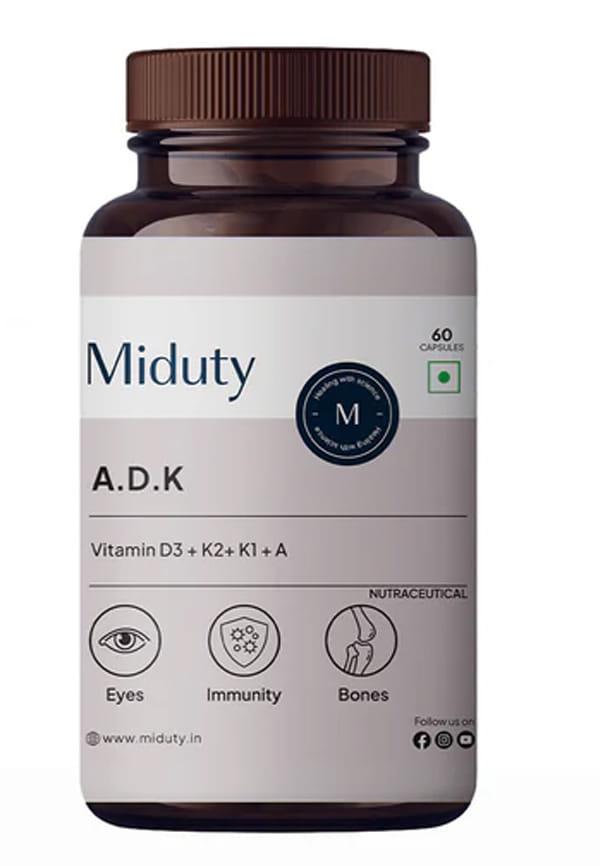
Vitamin ADK - A D3 K2
The Indian market offers numerous vitamin D supplements for adults, each with different formulations and strengths. Knowing what distinguishes quality brands from mediocre ones saves you from wasting money on ineffective products.
D-Rise tablets offer high-potency vitamin D3 in convenient dosing. Calcigen combines vitamin D with calcium for bone health. Arachitol provides therapeutic doses for treating deficiency. Shelcal focuses on calcium-vitamin D combinations for comprehensive bone support.
Some vitamin D tablets combine the nutrient with calcium, magnesium, or vitamin K2. These combinations can enhance absorption and provide complementary benefits. However, single-ingredient supplements offer more flexibility in dosing and reduce the risk of getting too much of other nutrients.
Look for third-party testing certificates, proper packaging that protects from light and moisture, and clear labelling of vitamin D content per tablet. Reputable brands clearly state whether they use D2 or D3 and provide information about additional ingredients.
Getting your vitamin D dosage right is crucial—too little won't fix deficiency, whilst too much can cause problems. Your ideal dose depends on several personal factors, making this more nuanced than simply following label recommendations.
Adults typically need 600-800 IU daily for maintenance, whilst older adults over 70 require 800-1000 IU. Children need 400-600 IU depending on age. However, these are baseline recommendations that might not suit everyone's individual needs.
Your skin tone, geographic location, lifestyle, and current vitamin D levels all influence how much you need. People with darker skin require higher doses, as do those living in northern climates or spending minimal time outdoors. Medical conditions affecting absorption also increase requirements.
The most accurate way to determine your needs is through blood testing that measures 25-hydroxyvitamin D levels. Optimal levels typically range between 30-50 ng/ml, though some experts recommend slightly higher targets. Testing every few months helps you adjust dosage as needed.
Taking vitamin D tablets is just the first step—how and when you take them significantly impacts how much your body actually uses. These absorption strategies help you get the most from your supplement investment.
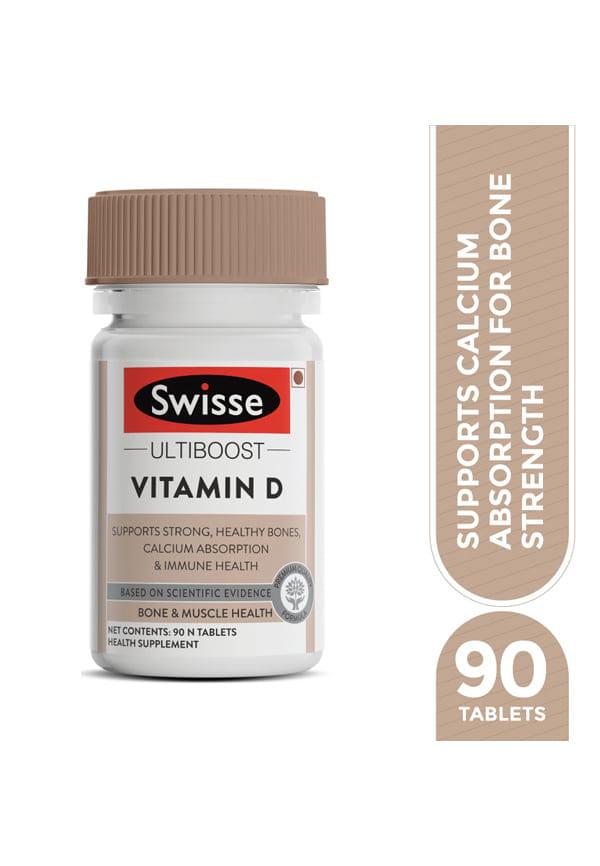
Ultiboost Vitamin D3 Supplement
Take vitamin D supplements with meals containing healthy fats, as this fat-soluble vitamin needs dietary fat for proper absorption. Morning or afternoon timing works better than evening doses, which might interfere with sleep patterns in some people.
Magnesium helps convert vitamin D into its active form, making it a valuable companion nutrient. Vitamin K2 works synergistically with vitamin D for bone health. Some people benefit from taking vitamin D sources alongside these complementary nutrients.
Maintaining a healthy weight supports better vitamin D metabolism. Regular exercise, particularly weight-bearing activities, enhances the bone benefits of vitamin D. Limiting alcohol consumption also improves absorption and utilisation.
Whilst vitamin D is generally safe, taking too much can cause problems. Understanding the signs of excess and knowing when to seek professional guidance keeps your supplementation safe and effective.
Taking extremely high doses can lead to nausea, vomiting, weakness, and kidney problems. Calcium levels in blood can become dangerously elevated. However, toxicity is rare with typical supplement doses and usually occurs only with megadoses taken over extended periods.
Vitamin D can interact with certain medications, including thiazide diuretics, steroids, and weight-loss drugs. It may enhance the absorption of aluminium-containing medications, potentially causing problems. Always inform your healthcare provider about vitamin D supplementation.
Consult a healthcare provider if you have kidney disease, sarcoidosis, or hyperparathyroidism. These conditions can affect how your body processes vitamin D. Pregnant women should also seek guidance about appropriate dosing for their specific needs.
While supplements are convenient, combining them with natural vitamin D sources creates a more balanced approach to meeting your needs. Understanding how different sources work together helps you create a comprehensive strategy.
Spending 10-30 minutes in midday sun several times per week can help your body produce vitamin D naturally. The amount depends on your skin tone, location, and season. However, balancing sun exposure with skin cancer prevention remains important.
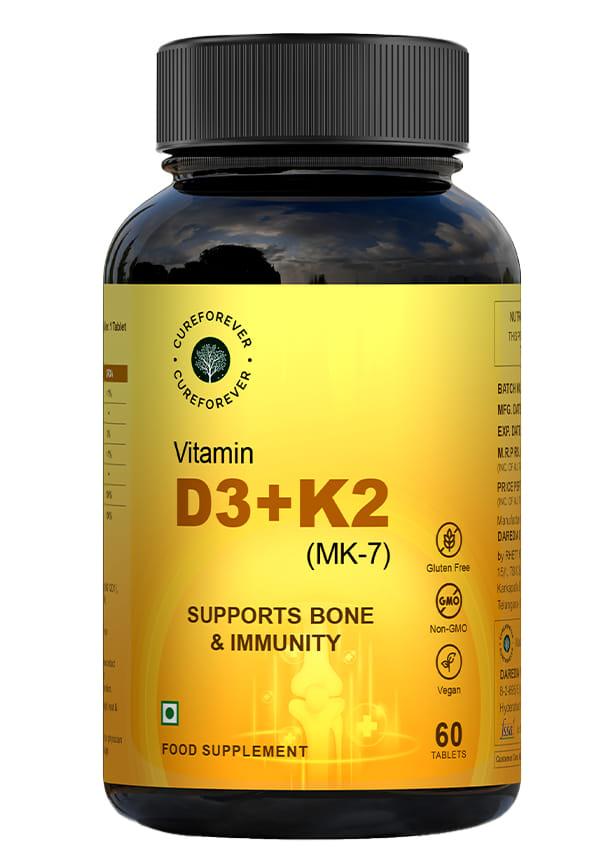
Vitamin D3 + K2 MK7
Fatty fish like salmon, mackerel, and sardines provide excellent vitamin D sources. Egg yolks, fortified dairy products, and mushrooms also contribute to intake. However, food sources alone rarely provide enough vitamin D to prevent deficiency in most people.
Combining moderate sun exposure, vitamin D-rich foods, and appropriate supplementation offers the most comprehensive approach. This strategy reduces reliance on high-dose supplements whilst ensuring adequate intake year-round.
Vitamin D3 (cholecalciferol) tablets generally work better than D2 for daily supplementation. Look for reputable brands that provide 1000-2000 IU per tablet for maintenance doses. The best choice depends on your individual needs and current vitamin D levels.
Yes, daily vitamin D3 supplementation is safe for most people when taken at appropriate doses. Typical maintenance doses of 1000-2000 IU daily are well within safe limits. However, it's worth checking your blood levels periodically to ensure you're not taking too much.
Blood testing is the most accurate way to determine if you need supplements. Symptoms like fatigue, frequent infections, bone pain, or muscle weakness might indicate deficiency. People with limited sun exposure, darker skin, or certain health conditions often benefit from supplementation.
Sunlight exposure and vitamin D-rich foods can help, but supplements are often necessary to achieve optimal levels. Fatty fish, egg yolks, and fortified foods provide some vitamin D, but most people need supplements to prevent deficiency, especially during winter months.
Capsules typically contain liquid or powder vitamin D in a gelatin shell, whilst tablets are compressed powder. Capsules may offer slightly better absorption, particularly if they contain oil. Both forms are effective when taken with meals containing fat.
Blood levels typically improve within 2-3 months of consistent supplementation. However, you might notice improvements in energy and mood within a few weeks. Bone health benefits take longer to develop, often requiring several months of adequate vitamin D levels.
Choosing the right vitamin D tablets doesn't have to be complicated when you know what to look for. Focus on vitamin D3 over D2, select reputable brands with proper testing, and determine your dosage based on individual factors rather than one-size-fits-all recommendations. Remember that timing and absorption strategies matter just as much as the supplement itself.
Your vitamin D journey is highly personal, and what works for others might not suit your specific needs. Blood testing provides the clearest picture of where you stand and helps guide dosage decisions. Combining supplements with natural sources like sunlight and vitamin D-rich foods creates the most balanced approach to maintaining optimal levels.
The key to successful vitamin D supplementation lies in consistency and monitoring. Start with a quality supplement, take it with meals containing fat, and check your levels periodically to ensure you're on track. With the right approach, you can address deficiency and support your long-term health goals. Remember, when it comes to wellness choices, you deserve options that actually work for your lifestyle—because settling for 'maybe' isn't an option when your health is on the line.
