How to Choose the Right Sports Nutrition Products for Your Goals


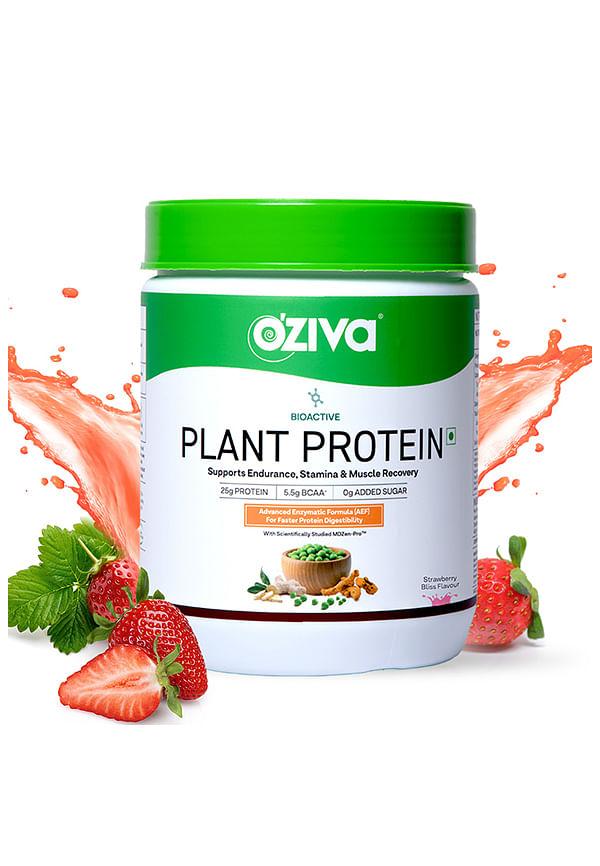
Bioactive Plant Protein for Endurance & Muscle Recovery (Strawberry Bliss)
Choosing the right sports nutrition products can feel like navigating a maze of endless options and bold claims. Whether you're crushing your first 5K or training for a marathon, the supplement aisle can be overwhelming. But here's the thing—the right nutrition for athletes isn't about buying everything with flashy packaging or following what your gym buddy swears by. It's about understanding your goals, knowing what actually works, and finding products that fit your lifestyle and budget. Let's break down how to make smart choices that'll actually support your performance without the guesswork.
Sports nutrition products aren't just fancy vitamins in athletic packaging. They're specifically formulated to support the unique demands that physical activity places on your body. Think of them as targeted tools designed to fill gaps that regular food might not cover during intense training periods.
Sports supplements range from basic protein powder to complex pre-workout formulas. Unlike your daily multivitamin, these products are designed with athletic performance in mind. They typically contain higher concentrations of specific nutrients, faster absorption rates, and ingredients that support energy production, muscle recovery, and hydration for sports.
The key difference between general nutrition and nutrition for athletes lies in timing and concentration. Athletes often need nutrients delivered quickly and in specific ratios that regular meals can't always provide—especially around workout windows.
Your body during exercise is like a high-performance car that needs premium fuel. Sports nutrition products work by optimising nutrient delivery when your body needs it most. For instance, consuming protein within 30 minutes post-workout can significantly improve muscle recovery compared to waiting hours.
Research shows that proper nutrient timing can enhance performance by up to 20% in some cases. It's not magic—it's science working with your body's natural processes.
Let's be real—supplements aren't miracle workers. They won't transform you from couch to athlete overnight. The biggest myth is that more supplements equal better results. Actually, over-supplementation can sometimes hinder performance and waste money.
Another misconception is that sports supplements can replace a balanced diet. They're called supplements for a reason—they supplement, not substitute, proper nutrition.
Not all sports nutrition products are created equal, and what works for your marathon-running mate might not suit your strength training goals. Understanding the main categories helps you make targeted choices rather than buying everything that promises results.
Protein powder is probably the most popular sports supplement, and for good reason. It's convenient, effective, and essential for muscle recovery. Whey protein absorbs quickly, making it perfect for post-workout nutrition. Casein protein releases slowly, ideal for overnight recovery. Plant-based options work brilliantly for those avoiding dairy.
Most active people need about 1.6-2.2 grams of protein per kilogram of body weight daily. If you're struggling to hit these numbers through food alone, protein powder becomes incredibly useful.
Pre-workout supplements are designed to give you that extra push when motivation is lacking. The best ones contain caffeine for alertness, beta-alanine for endurance, and citrulline for improved blood flow. However, timing matters—take them 15-30 minutes before your workout for optimal effect.
Natural energy boosters like green tea extract or guarana can be gentler alternatives to synthetic caffeine if you're sensitive to stimulants.
Water alone isn't always enough during intense or prolonged exercise. When you sweat, you lose electrolytes—sodium, potassium, and magnesium—that need replacing. Sports drinks and electrolyte supplements help maintain this balance.
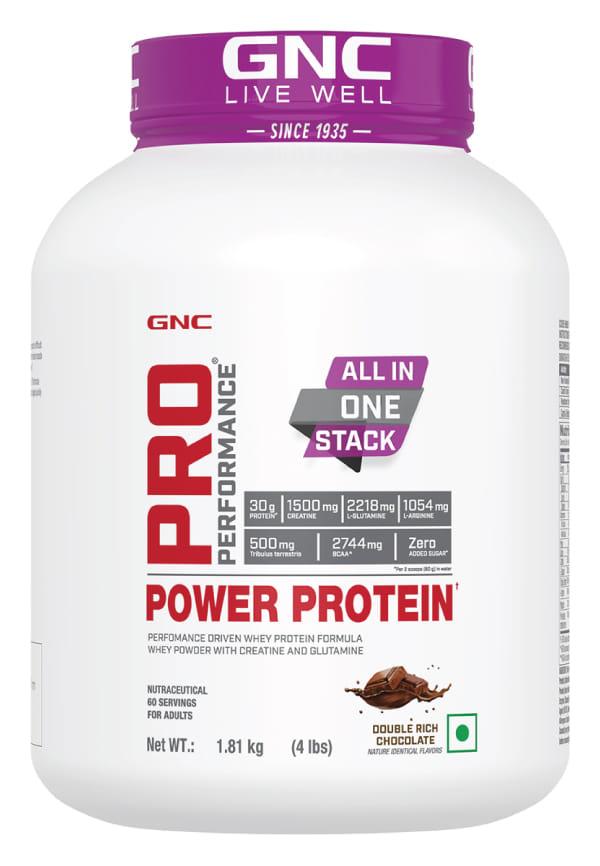
Pro Performance Power Protein - 6-in-1 Stack for Increased Strength, Recovery & Muscle Mass
Signs you need more than water include exercising for over an hour, sweating heavily, or feeling dizzy during workouts. Quality electrolyte products can prevent cramping and maintain performance levels.
Creatine is one of the most researched supplements, proven to improve strength and power output. BCAAs (branched-chain amino acids) can help reduce muscle breakdown during long training sessions. Multivitamins designed for athletes often contain higher levels of B vitamins and antioxidants to support recovery.
These specialised products work best when you have specific performance goals rather than general fitness maintenance.
Your supplement strategy should align with your training goals. A powerlifter's nutrition needs differ vastly from a distance runner's, and your product choices should reflect this reality.
If you're focused on building muscle, protein powder becomes non-negotiable. Aim for 20-25 grams of high-quality protein within an hour of training. Creatine monohydrate (3-5 grams daily) can boost your strength gains significantly.
Glutamine might help with recovery between intense sessions, though it's less essential than protein and creatine for most people.
Endurance athletes need sustained energy and efficient recovery. Carbohydrate-based energy gels or drinks become crucial during longer sessions. Post-workout nutrition should include both carbs and protein in a 3:1 or 4:1 ratio to replenish glycogen stores.
Electrolyte replacement becomes more critical as exercise duration increases beyond 60-90 minutes.
For weight management goals, protein powder can help maintain muscle mass while in a calorie deficit. Fat-burning supplements are largely marketing hype—focus on proven ingredients like caffeine or green tea extract for modest metabolic boosts.
Meal replacement shakes can be useful for portion control, but they shouldn't replace more than one meal daily.
If you're exercising for general health, you probably don't need an extensive supplement regimen. A quality protein powder and a good multivitamin might be sufficient. Focus on consistency with basic products rather than complex stacks.
Budget-friendly options often work just as well as premium brands for recreational athletes.
Not all supplements are created equal, and the industry isn't as tightly regulated as pharmaceuticals. Learning to spot quality products protects both your health and your wallet.
Look for products that list exact amounts of each ingredient rather than hiding behind "proprietary blends." Check serving sizes—some products require multiple scoops to match their claimed benefits. Avoid products with excessive fillers, artificial colours, or ingredients you can't pronounce.
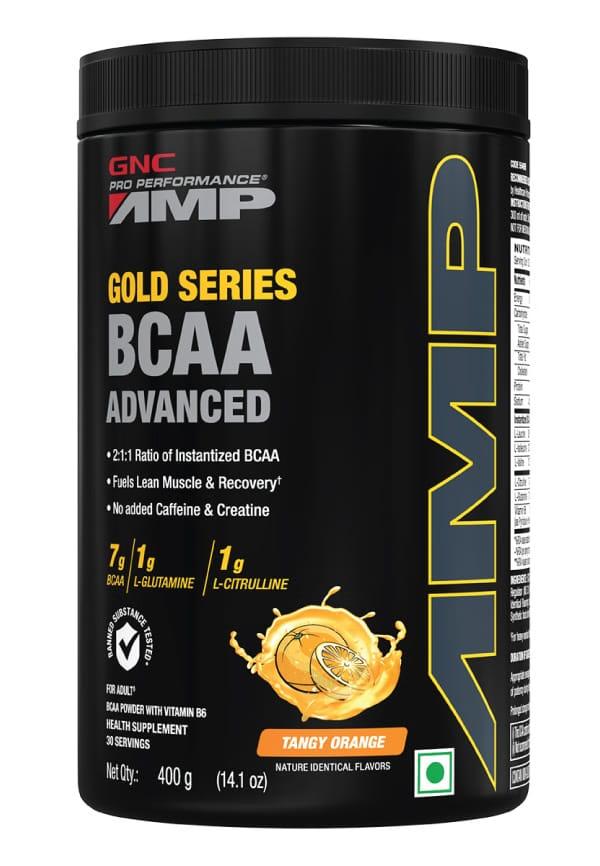
AMP Gold Series BCAA Advanced - Fuels Lean Muscle Strength & Recovery - Orange
The ingredient list should be straightforward and transparent about what you're actually consuming.
Quality supplements often carry certifications from NSF International or Informed Sport. These organisations test products for banned substances and verify label accuracy. While certification isn't mandatory, it's a good indicator of quality control.
Batch testing ensures consistency between different production runs, which cheaper manufacturers often skip.
Even natural supplements can cause side effects or interact with medications. Common issues include digestive upset from protein powder, jitters from too much caffeine, or tingling from beta-alanine (which is harmless but surprising).
Always consult healthcare professionals if you take medications or have health conditions before starting new supplements.
The best supplement plan is one tailored to your specific needs, goals, and lifestyle. Cookie-cutter approaches rarely work because everyone's body, training, and circumstances are different.
Start by tracking your food intake for a week. Look for patterns—are you consistently low on protein? Do you struggle with energy during afternoon workouts? These gaps guide your supplement choices.
Consider your budget realistically. It's better to consistently use one quality product than sporadically afford multiple supplements.
Nutrient timing can maximise supplement effectiveness. Protein works best post-workout, pre-workout supplements need 15-30 minutes to kick in, and creatine can be taken anytime consistently.
Some supplements benefit from cycling—taking breaks to maintain effectiveness and prevent tolerance buildup.
Track relevant metrics like energy levels, recovery time, strength gains, or endurance improvements. If you don't notice benefits after 4-6 weeks of consistent use, the product might not be right for you.
Be willing to adjust your approach based on results rather than stubbornly sticking to products that aren't working.
Learning from others' mistakes can save you time, money, and frustration. These common pitfalls trip up even experienced athletes when they're not careful.
More isn't always better with supplements. Taking excessive amounts can cause side effects, waste money, and sometimes interfere with absorption of other nutrients. Complex supplement stacks often contain overlapping ingredients that can lead to overconsumption.
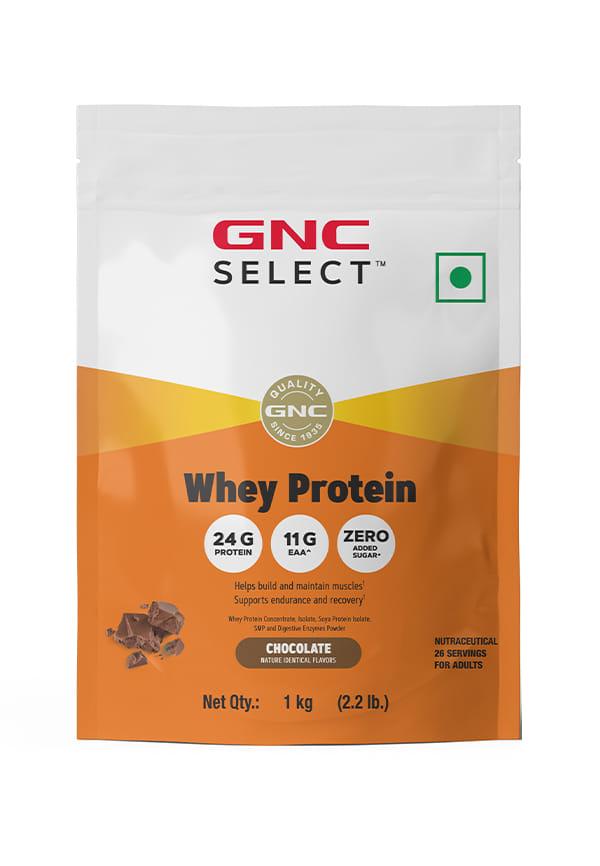
Select Whey Chocolate Pouch
Start with basics and add products gradually based on specific needs rather than buying everything at once.
What works for your training partner might not work for you. Factors like body weight, training intensity, dietary restrictions, and even genetics affect how you respond to different products.
Consider allergies, intolerances, and lifestyle factors when choosing supplements. A product that requires multiple daily doses might not suit a busy schedule.
Be sceptical of products promising dramatic results in unrealistic timeframes. Legitimate supplements support your efforts—they don't replace hard work and consistency.
Look for products backed by research rather than just testimonials or celebrity endorsements.
Platforms like Smytten make it easier to explore different wellness nutrition options without committing to full-size products immediately. With trial packs from trusted brands, you can test what works for your body before investing in larger quantities. This approach is particularly valuable with sports nutrition products, where individual responses can vary significantly.
A balanced diet covers most nutritional needs, but sports supplements can help with convenience and timing. If you struggle to eat enough protein or need quick energy before workouts, supplements can fill these specific gaps effectively.
Protein powder is usually the most beneficial first supplement. It's versatile, well-researched, and helps with recovery regardless of your specific fitness goals. Start here before considering more specialised products.
A reasonable starting budget is ₹2,000-4,000 monthly for basic supplements like protein powder and a multivitamin. You can always adjust based on your goals and what you find effective.
Track specific metrics like energy levels, recovery time, or performance improvements over 4-6 weeks. If you don't notice any positive changes, the product might not be right for you or your dosage might need adjustment.
Yes, combining proteins can be beneficial. Mixing whey and casein provides both fast and slow-releasing proteins, which can optimise muscle protein synthesis throughout the day.
Most quality sports supplements are safe for long-term use when taken as directed. However, it's wise to take occasional breaks and consult healthcare professionals if you have any concerns or underlying health conditions.
Choosing the right sports nutrition products doesn't have to be complicated. Focus on your specific goals, start with proven basics like protein powder, and gradually add products based on actual needs rather than marketing promises. Quality matters more than quantity, and consistency beats perfection every time.
Remember that supplements support your training and nutrition—they don't replace them. The best sports nutrition strategy combines quality products with consistent training, adequate sleep, and a balanced diet. With platforms offering trial options, you can explore different products risk-free and find what truly works for your body and goals. After all, why settle for guesswork when you can try it all and make informed choices?
