How to Choose the Right Protein Tablets for Your Needs
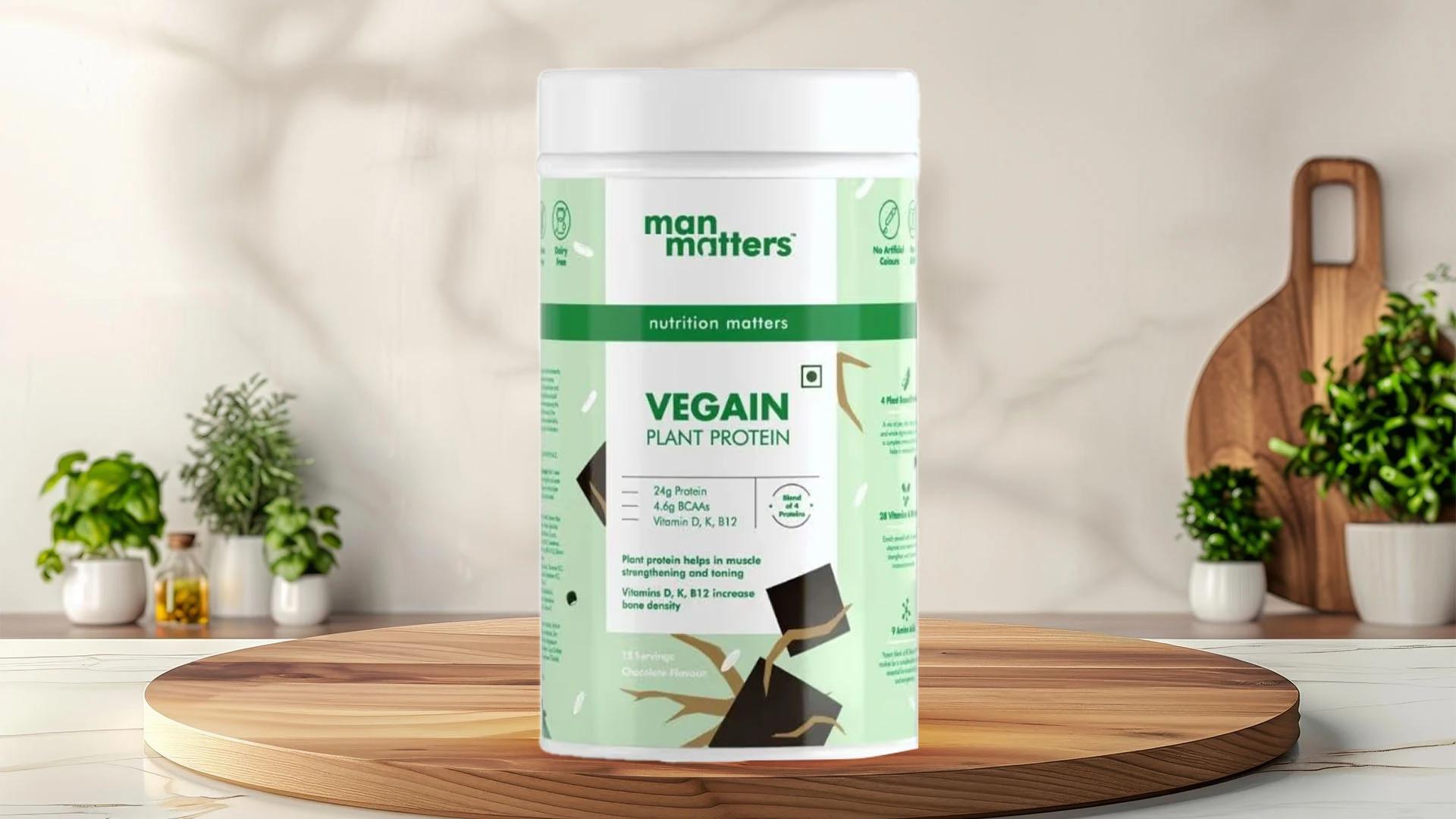

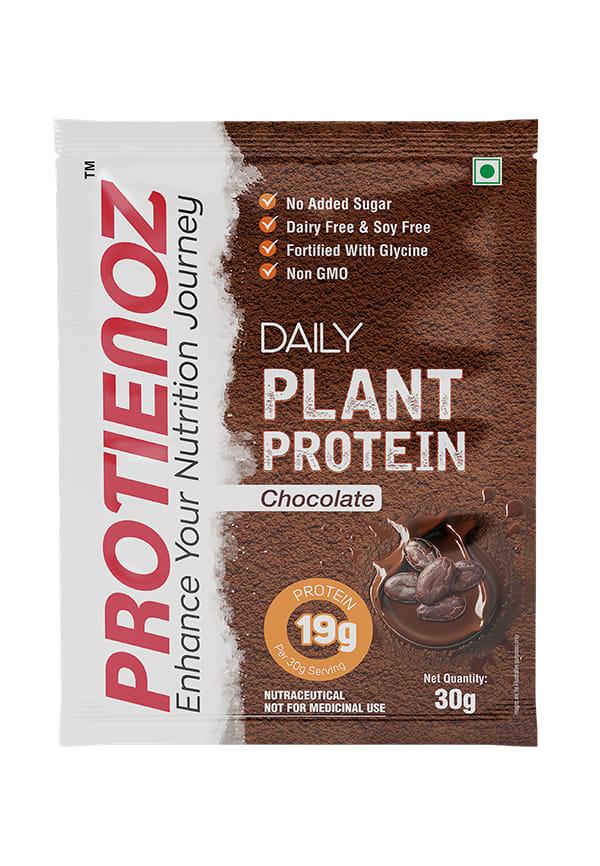
High Protein Chocolate Protein Powder
Positive Product Review
 5
5“it's good and taste also good .”
Finding the right protein tablets can feel like searching for a needle in a haystack. With endless options flooding the market, from whey protein to plant-based alternatives, choosing what actually works for your body and lifestyle isn't exactly straightforward. But here's the thing—protein tablets aren't just another wellness trend. They're a practical solution for busy lives, offering concentrated nutrition without the hassle of mixing powders or carrying bulky containers. Whether you're trying to build muscle, recover faster, or simply bridge nutritional gaps, the right protein supplement can genuinely make a difference. Let's break down everything you need to know to find your perfect match.
Not all protein tablets are created equal. The source of protein dramatically affects how your body processes and benefits from these supplements. Understanding these differences helps you choose what aligns with your dietary needs and health goals.
Whey protein comes from milk and offers one of the most complete amino acid profiles available. These tablets digest quickly, making them ideal for post-workout recovery. However, they're not suitable for those with lactose intolerance or dairy allergies.
Plant-based protein tablets derive from sources like pea, hemp, rice, or soy. They're perfect for vegans and those avoiding animal products. While they might not have as complete an amino acid profile as whey, combining different plant sources often fills these gaps effectively.
Specifically formulated vegan protein tablets often blend multiple plant sources to create a more complete amino acid profile. They're also typically free from common allergens like dairy, making them accessible to more people.
These combine traditional herbs with modern protein sources, offering additional benefits like improved digestion or enhanced absorption. They're worth considering if you prefer holistic wellness approaches.
Real talk—not everyone needs protein supplements. But certain lifestyles and circumstances make them genuinely useful rather than just trendy.
If you're training regularly, your protein needs increase significantly. Protein tablets offer convenient post-workout nutrition without the prep time of protein powder shakes.
Plant-based diets sometimes struggle to provide all essential amino acids in optimal ratios. Protein pills can help bridge these nutritional gaps effectively.
Those with food allergies, digestive issues, or specific dietary requirements often find protein tablets easier to tolerate than whole food sources.
When you're constantly on the go, protein tablets provide consistent nutrition without meal prep or timing concerns.
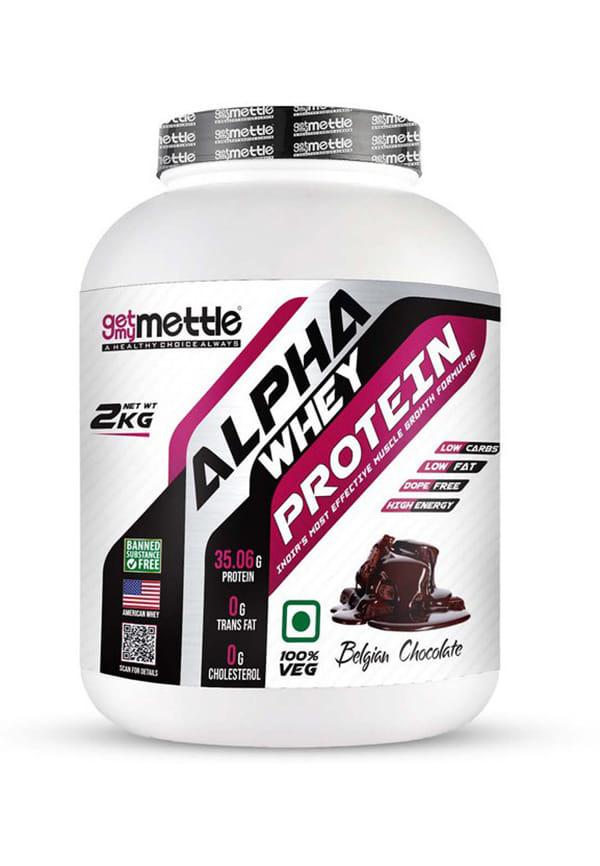
Alpha whey protein Whey Protein (Belgian Chocolate)
Good Taste, High Price
4“good taste but price is not good”
Choosing protein tablets involves more than grabbing the first bottle you see. Several key factors determine whether a supplement will actually benefit you or just drain your wallet.
Aim for tablets containing 15-25 grams of protein per serving. Anything less might not provide meaningful benefits, while excessive amounts can strain your kidneys and waste money since your body can only process so much at once.
Check if the protein contains all nine essential amino acids. Complete proteins support muscle synthesis more effectively than incomplete ones.
Some proteins absorb faster than others. Whey protein digests quickly, making it ideal for post-workout recovery. Plant-based options might absorb more slowly but provide sustained amino acid release.
Read the ingredient list carefully. Quality protein tablets should contain minimal fillers, artificial colours, or unnecessary additives. Look for products with clean, recognisable ingredients.
Reputable brands invest in independent testing to verify protein content and check for contaminants. This information is usually displayed on packaging or company websites.
Getting the dosage right matters as much as choosing the right product. Too little won't provide benefits, while too much can cause digestive issues or other problems.
Most adults need 0.8-1.2 grams of protein per kilogram of body weight. Active individuals might need 1.2-2.0 grams per kilogram. Protein tablets should supplement, not replace, whole food protein sources.
Take protein tablets within 30 minutes after workouts for optimal muscle recovery. For general nutrition, spread intake throughout the day rather than consuming all at once.
Common side effects include digestive discomfort, especially when starting supplementation. Begin with smaller doses and gradually increase to assess tolerance.
Understanding what protein tablets actually do helps set realistic expectations and determine if they're worth trying for your specific goals.
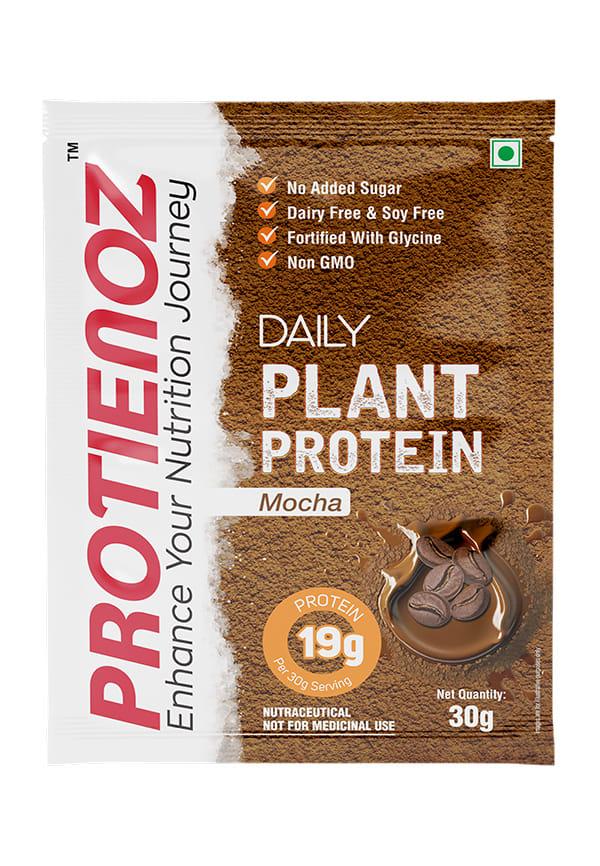
High Protein Mocha Protein Powder
Protein provides amino acids necessary for muscle repair after exercise. Regular supplementation can reduce recovery time and support muscle growth when combined with resistance training.
Protein increases satiety, helping you feel full longer. This can naturally reduce overall calorie intake and support weight management goals.
Adequate protein intake supports stable blood sugar levels and provides sustained energy throughout the day.
Many immune system components are proteins. Ensuring adequate intake supports overall immune function, especially during periods of stress or illness.
Protein supplements come in various forms, each with unique advantages and drawbacks. Understanding these differences helps you choose what fits your lifestyle best.
Protein tablets win on convenience. No mixing, no measuring, no cleanup. Just grab and go. Protein powder requires preparation and cleanup but offers more variety in flavours and mixing options.
Protein powder generally absorbs faster since it's already in liquid form when consumed. Protein capsules need to dissolve first, which can slow absorption slightly.
Per gram of protein, powder is usually more economical. However, protein pills eliminate waste from unused powder and offer better portion control.
Protein tablets have minimal taste, making them perfect for those who dislike protein powder flavours. However, you miss out on the variety and potential enjoyment of flavoured powders.
Smart shopping for protein tablets involves knowing what questions to ask and what red flags to avoid. This knowledge helps you get the best value for your money.
Check the protein content per serving, not per tablet. Some products require multiple tablets to reach the advertised protein amount. Also, look for the protein source and any allergen warnings.
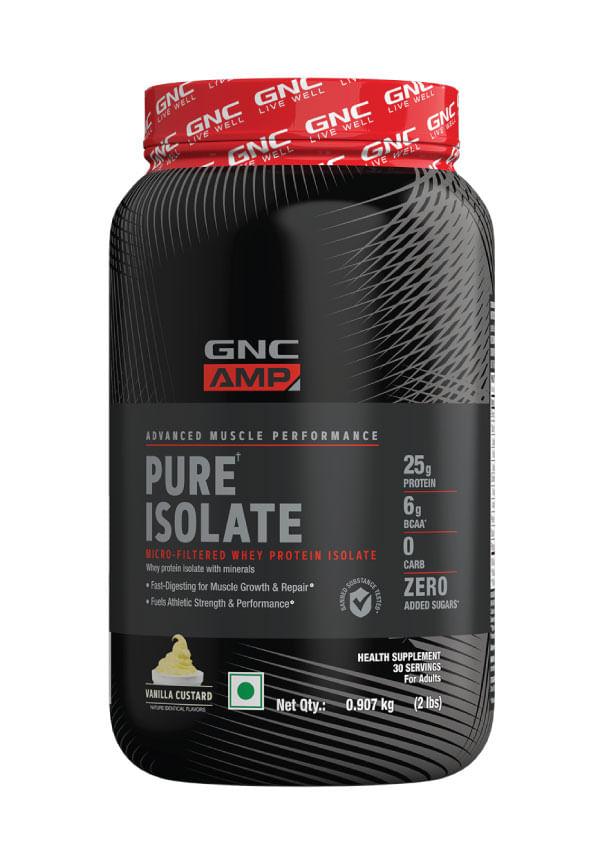
Amp Pure Isolate Vanilla Custard (Zero Carb)
Excellent Whey Protein
4“GNC isolate whey protein is very light on stomach with great taste and perfect protein.”
Look for certifications like NSF, USP, or Informed Sport. These indicate third-party testing and quality verification. Also, check manufacturing dates and expiry information.
Established brands with good reputations typically invest more in quality control and testing. Research company backgrounds and read customer reviews before purchasing.
Calculate cost per gram of protein rather than just comparing bottle prices. Sometimes expensive products offer better value due to higher protein concentration or superior quality.
Platforms like Smytten, India's largest product discovery and trial platform, make exploring different protein supplements risk-free. With curated trial packs from trusted wellness brands, you can test various protein tablets before committing to full-size purchases. This approach eliminates the guesswork and potential waste of buying supplements that might not work for your body.
Protein tablets contain the same protein as powders, just in concentrated form. They're equally effective for meeting protein needs, though powder might absorb slightly faster due to being pre-dissolved.
This depends on the protein content per tablet and your individual needs. Most people benefit from 20-30 grams of supplemental protein daily, divided into 2-3 doses.
No, protein tablets are supplements, not meal replacements. They lack the vitamins, minerals, fibre, and other nutrients found in whole foods.
Yes, protein tablets have expiry dates. Using expired supplements may reduce effectiveness and could potentially cause digestive issues.
Common side effects include mild digestive discomfort, especially when starting supplementation. Drinking plenty of water and starting with smaller doses can help minimise these effects.
Whey protein comes from milk, so it's suitable for vegetarians but not vegans. Plant-based protein tablets are better options for strict vegetarians and vegans.
Choosing the right protein tablets comes down to understanding your specific needs, lifestyle, and dietary preferences. Whether you opt for whey protein for faster absorption or plant-based options for dietary restrictions, the key is finding what works consistently for your routine. Remember that protein nutrition should complement, not replace, a balanced diet rich in whole foods.
Quality matters more than price when it comes to protein supplements. Look for third-party tested products with clean ingredient lists and appropriate protein content per serving. Don't forget that trying different options through trial packs can save you money and help you discover what truly works for your body. After all, the best protein tablet is the one you'll actually take consistently and that supports your health goals effectively.
