How to Choose the Right Health Wellness Supplements for You

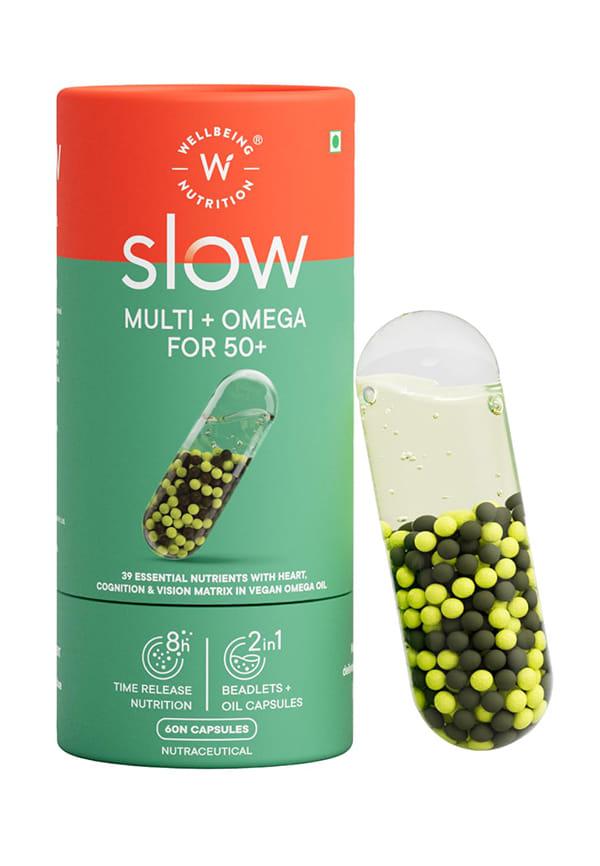
Slow Multi + Omega 50+ | Vitamin D3, Calcium, Iron, Amino Acids & 39 Nutrients
Walking into a chemist or browsing online for health wellness supplements can feel like stepping into a maze with over 75,000 products screaming for your attention. From vitamins promising eternal youth to herbal supplements claiming to fix everything, the choices are endless—and honestly, a bit overwhelming. But here's the thing: picking the right nutritional supplements isn't about grabbing the shiniest bottle or following the latest wellness trend. It's about understanding what your body actually needs and making smart, informed choices that fit your lifestyle and health goals. Let's break down how to navigate this world without getting lost in the marketing noise.
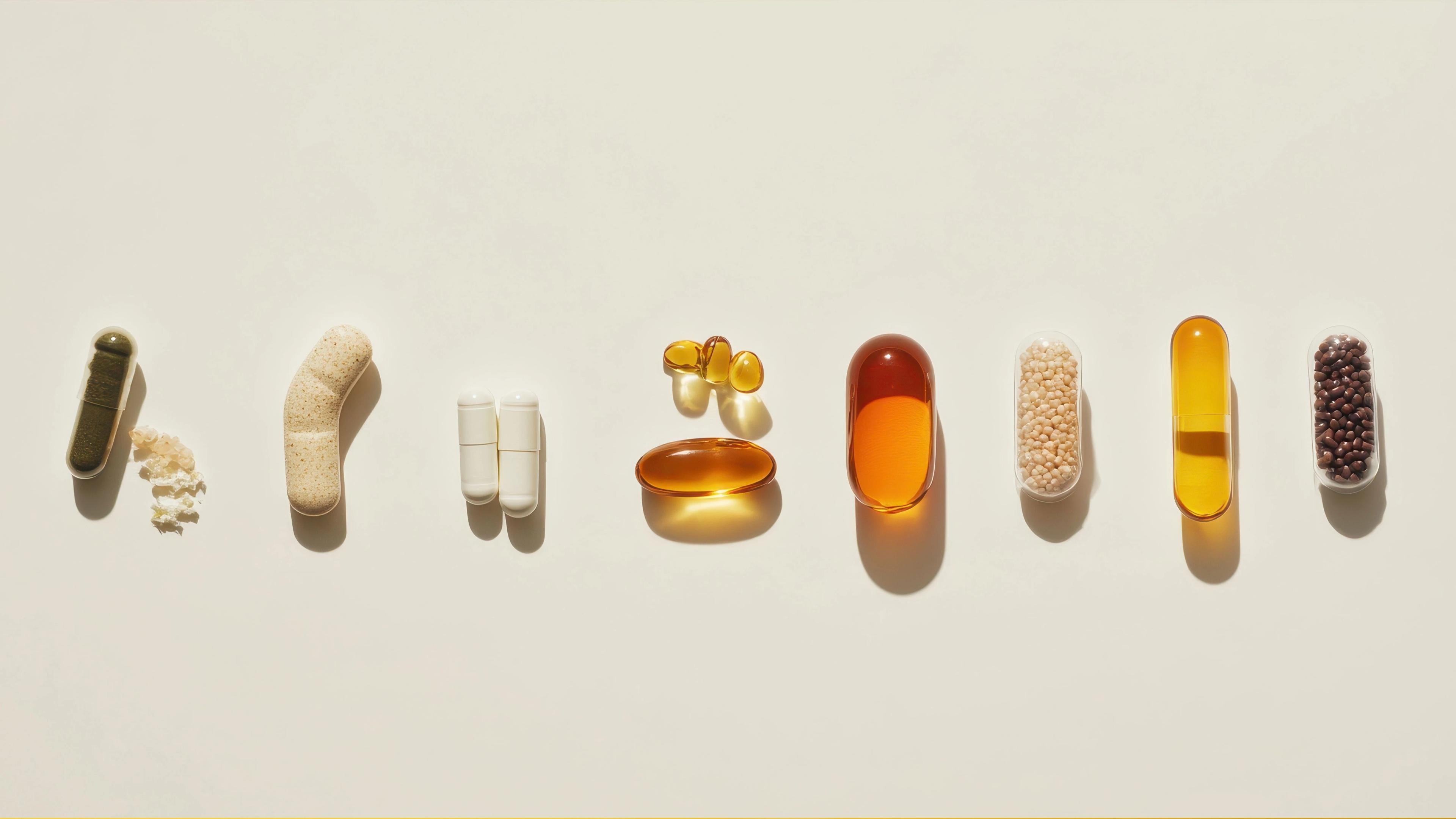
Before diving into what you need, let's get clear on what's actually out there. The supplement world is vast, but most health products fall into a few key categories that serve different purposes in your wellness journey.
Think of vitamins and minerals as your body's basic building blocks. Fat-soluble vitamins (A, D, E, K) stick around in your body longer and need fat to be absorbed properly, whilst water-soluble vitamins (like vitamin C and B-complex) need to be replenished regularly since your body flushes them out daily.
Key minerals like iron, calcium, magnesium, and zinc play crucial roles in everything from bone health to immune support. Signs you might be running low? Fatigue, brittle nails, frequent infections, or that general feeling of being a bit off your game.
Herbal supplements and natural remedies have been around for centuries, offering plant-based support for various health concerns. Modern wellness products often combine traditional herbs with contemporary research to create targeted solutions.
Immune support formulations typically blend vitamins C and D with zinc and sometimes elderberry or echinacea. Energy boosters might include B-vitamins, iron, or adaptogenic herbs like ashwagandha that help your body manage stress and maintain vitality.
Real talk: there's no one-size-fits-all approach to supplements. What works brilliantly for your mate might do absolutely nothing for you, and that's completely normal. Your supplement needs depend on your unique body, lifestyle, and health goals.
Start by taking an honest look at your current wellness picture. Consider the seven domains of wellness: physical, emotional, intellectual, social, spiritual, environmental, and occupational. Where do you feel strongest? Where could you use some support?
Next, examine your diet. Are you getting enough fruits and vegetables? Do you eat fish regularly? Are you constantly on the go, grabbing meals when you can? These patterns reveal potential nutritional gaps that supplements might help fill.
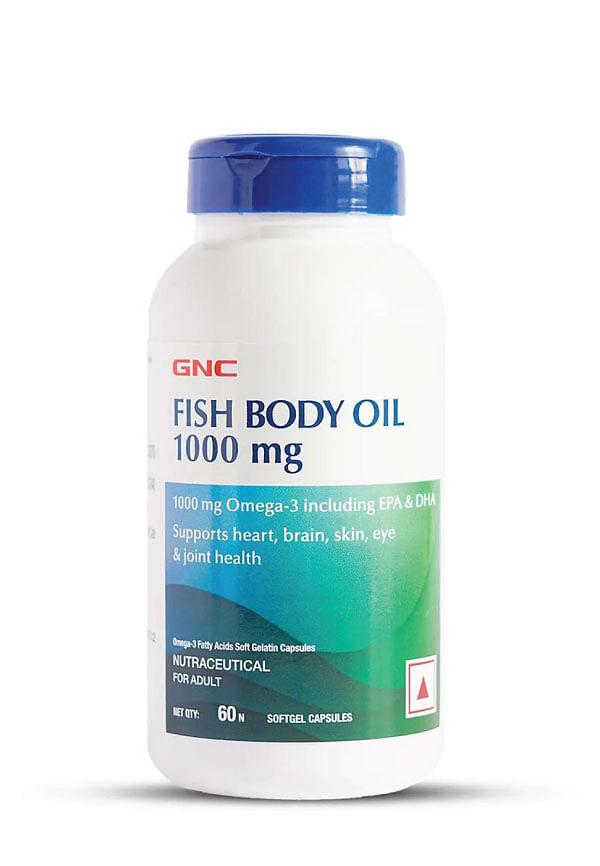
Fish Body Oil For Men & Women | 1000Mg Omega-3S With Epa & Dha
Positive Product Review
 5
5“i really like this product and it's very good 😊”
Positive Packaging Feedback
5“packaging is good and works well”
Excellent for Daily Use
4“goooooooooooood for daily useee”
If immune system support is your priority, look for products containing vitamin C, vitamin D, and zinc—nutrients that research shows support white blood cell function and overall immune response.
For energy and vitality, B-vitamins, iron (if you're deficient), and adaptogenic herbs can help combat fatigue. Stress management might benefit from magnesium, omega-3 fatty acids, or herbal supplements like ashwagandha or rhodiola.
Not all supplements are created equal, and the supplement industry isn't as tightly regulated as pharmaceuticals. This means you need to be your own detective when choosing wellness products.
Look for products that have undergone third-party testing. This means an independent lab has verified that what's on the label is actually in the bottle. Certifications like NSF, USP, or Informed Choice are good signs.
When reading labels, avoid products with unnecessary fillers, artificial colours, or sketchy-sounding additives. The ingredient list should be straightforward and transparent.
The best supplement in the world won't help if your body can't absorb it properly. Some forms of nutrients are more bioavailable than others. For example, magnesium glycinate is generally better absorbed than magnesium oxide.
Timing matters too. Fat-soluble vitamins work best with meals containing healthy fats, whilst some minerals compete for absorption and should be taken separately.
More isn't always better when it comes to nutritional supplements. Understanding Recommended Daily Allowances (RDA) helps you avoid both deficiency and excess. Some nutrients can be harmful in large doses, so stick to evidence-based amounts unless advised otherwise by a healthcare provider.
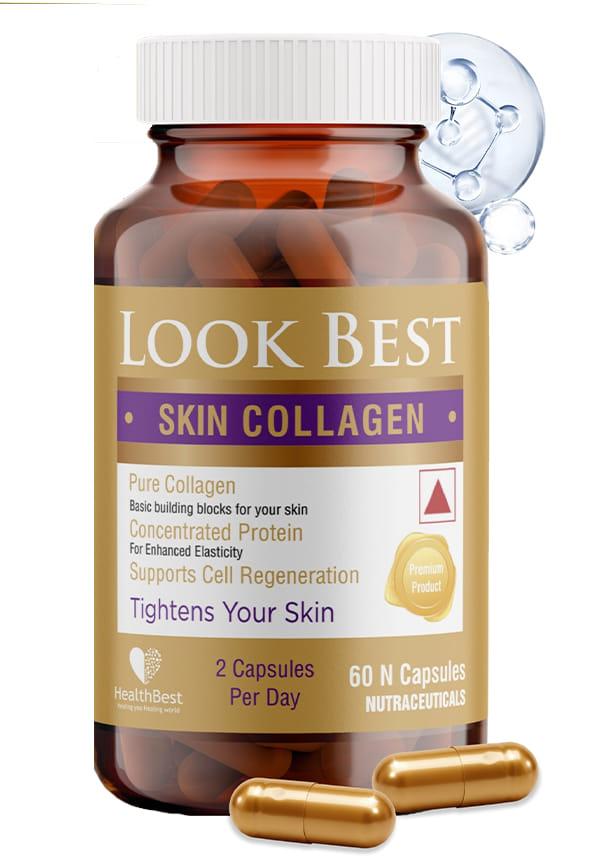
Skin Collagen Supplement for Women & Men - Enhances Skin Tightening, Boosts Elasticity & Firmness
Excellent Product
5“best really good product 👌 👏 👍”
Effective and Improves Skin
5“skin looking best now and effective”
Excellent Acne Treatment
5“"This skin medicine effectively treats acne, blemishes, and inflammation. Its natural ingredients soothe irritation, promote healing, and restore skin balance. Regular use improves skin texture, reduces redness, and prevents future breakouts, making it a reliable solution for healthy, glowing skin”
With so much information (and misinformation) floating around, knowing how to separate fact from marketing fluff is crucial for making smart supplement choices.
When a brand claims their product will transform your life, dig deeper. Look for peer-reviewed studies, not just testimonials or company-sponsored research. Reliable sources include PubMed, the Cochrane Library, and established health organisations.
Remember that preliminary studies don't equal proven benefits. One small study doesn't make a miracle cure, and correlation doesn't prove causation.
Research the company behind the product. Do they manufacture in certified facilities? Are they transparent about ingredient sourcing? Do they provide detailed information about their testing procedures?
Customer reviews can be helpful, but take them with a grain of salt. Look for patterns rather than individual experiences, and be wary of reviews that sound too good to be true.
Now that you understand the landscape, it's time to build a supplement routine that actually makes sense for your life and goals.
Most people benefit from a few foundation supplements: a quality multivitamin, vitamin D (especially if you live in a place with limited sunshine), and omega-3 fatty acids if you don't eat fish regularly.
Start simple and build from there. Adding too many new supplements at once makes it impossible to know what's actually helping. Plus, it can be hard on your wallet and your stomach.
Keep track of how you feel after starting new supplements. Energy levels, sleep quality, mood, and overall wellbeing are all worth noting. Give each new addition at least 4-6 weeks to show effects—supplements work gradually, not overnight.
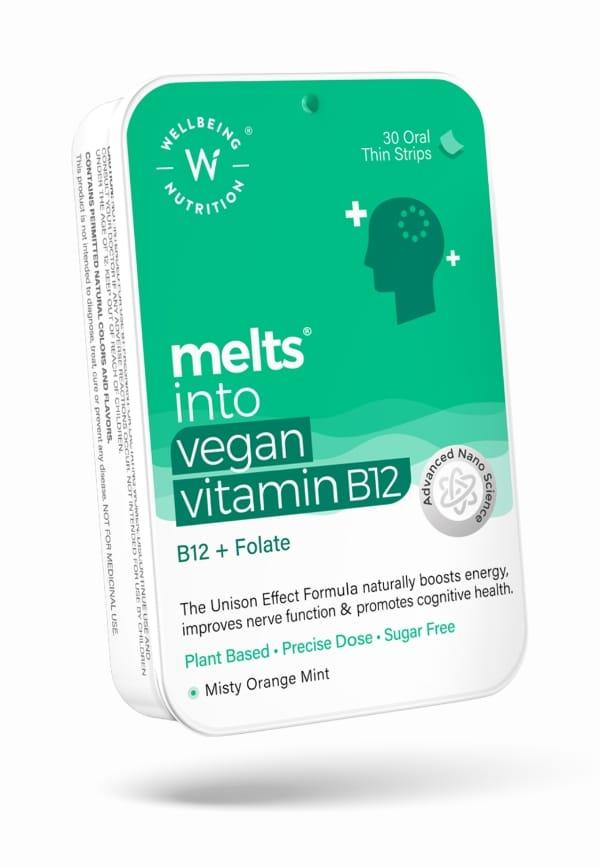
Melts Vegan Vitamin B12 + Folate + Curcumin (30 Oral Thin Strips)
Don't be afraid to adjust or discontinue products that aren't serving you. Your needs may change with age, lifestyle shifts, or health developments.
Evidence-based options include magnesium, potassium, omega-3 fatty acids, and CoQ10, but always consult your healthcare provider before starting any supplement regimen for blood pressure management.
Vitamin C, vitamin D, zinc, and elderberry have research supporting immune function, though a balanced diet and healthy lifestyle remain the foundation of immune health.
Look for third-party testing, GMP certification, transparent ingredient sourcing, and companies that provide detailed product information and research backing their claims.
Vitamins are organic compounds your body needs in small amounts, minerals are inorganic substances, and herbal supplements are plant-based products that may provide additional health benefits.
While many supplements can be combined safely, some may interact with each other or medications. Always check for interactions and consider spacing doses throughout the day.
Choosing the right health wellness supplements doesn't have to be rocket science, but it does require a bit of homework and honest self-assessment. Start with the basics, focus on quality over quantity, and remember that supplements work best as part of a healthy lifestyle—not as a replacement for good nutrition and self-care.
The beauty of platforms like Smytten lies in making this exploration more accessible and less risky. With over 1,500 trusted wellness brands available in trial sizes, you can discover what actually works for your body without committing to full-size products. Whether you're curious about immune support formulations, energy boosters, or natural remedies, trying before buying takes the guesswork out of supplement selection. After all, why settle for 'maybe' when you can discover your perfect wellness routine through smart experimentation?
