How to Choose the Right Health Supplements for Senior Citizens

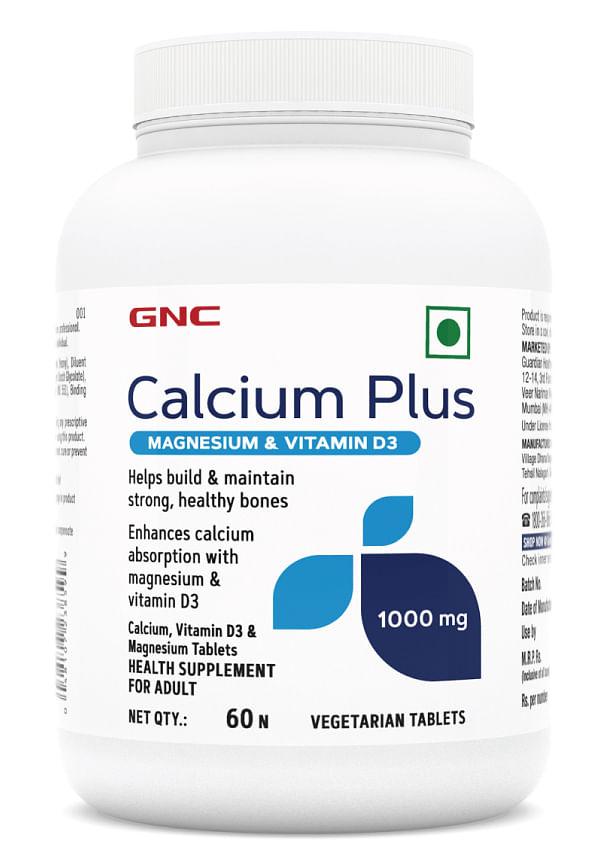
Calcium Plus 1000 mg with Magnesium and Vitamin D3 - Promotes Healthy & Strong Bones
Good Product
 5
5“good product ....................”
Good Product
5“good product ....................”
Good Product
5“good product ....................”
Choosing the right health supplements for senior citizens can feel overwhelming with endless options lining pharmacy shelves. As we age, our bodies change how they absorb nutrients, making it trickier to get everything we need from food alone. The good news? With the right knowledge, you can navigate this world confidently and find supplements that actually support your health goals. Let's break down what really matters when it comes to nutrients for seniors and how to build a supplement routine that works for your lifestyle.
Your body at 65 isn't the same as it was at 25, and that's completely normal. As we age, our digestive system becomes less efficient at absorbing certain nutrients, whilst our appetites might decrease or dietary restrictions increase. This creates a perfect storm where even the most balanced diet might leave gaps in essential vitamins and minerals.
Common nutritional deficiencies in adults over 60 include vitamin B12, vitamin D, calcium, and iron (particularly in women). These aren't just numbers on a lab report—they directly impact your energy levels, bone strength, cognitive function, and overall quality of life. Health supplements for senior citizens can bridge these gaps, but they're meant to complement, not replace, a balanced diet.
Think of supplements as your nutritional safety net. They're there to catch what your regular meals might miss, especially when dealing with medications that interfere with nutrient absorption or health conditions that affect appetite. The key is knowing which ones your body actually needs rather than taking everything that promises to turn back the clock.
Not all supplements are created equal, and what works for your neighbour might not be right for you. Let's explore the nutrients for seniors that research consistently shows can make a real difference in healthy aging.
Calcium tops the list for bone health supplements, with women over 50 needing around 1,200mg daily. But here's what many people miss—calcium needs a team to work effectively. Vitamin D (800-1000 IU daily) helps your body actually absorb that calcium, whilst magnesium ensures it gets deposited in your bones rather than your arteries.
Taking calcium alone is like trying to build a house with bricks but no mortar. The three work together to maintain bone density and reduce fracture risk, which becomes increasingly important as we age.
Vitamin B12 deserves special attention for seniors, as our ability to absorb it from food decreases significantly with age. The minimum daily requirement is 2.4 mcg, but many seniors benefit from higher doses. B12 deficiency can masquerade as normal aging—think brain fog, memory issues, and fatigue.
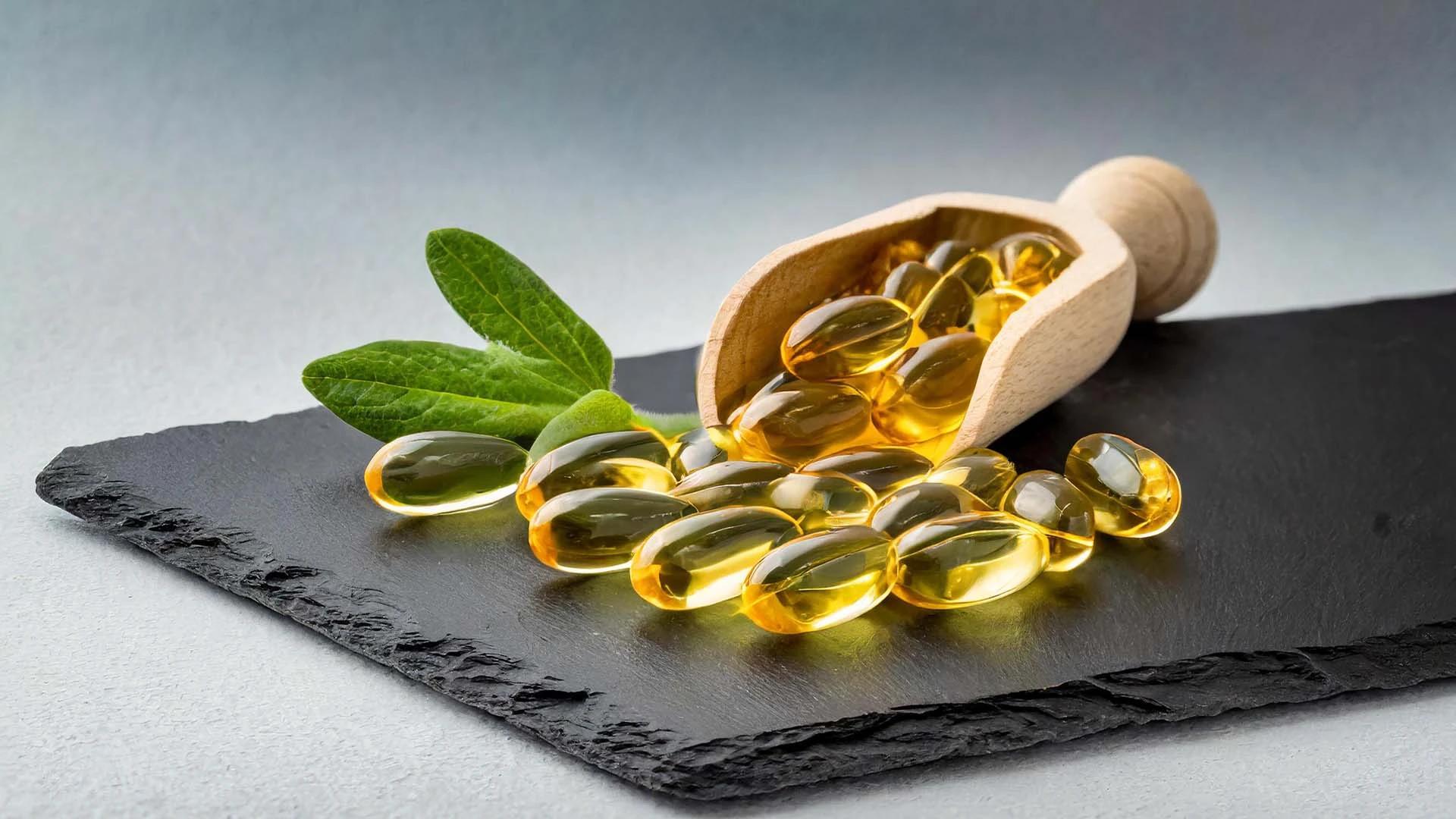
Omega-3 fatty acids from fish oil support brain health and may help maintain cognitive function. Look for supplements with both EPA and DHA, the two most beneficial types of omega-3s. Vitamin B6 rounds out this trio by supporting red blood cell formation and neurotransmitter production.
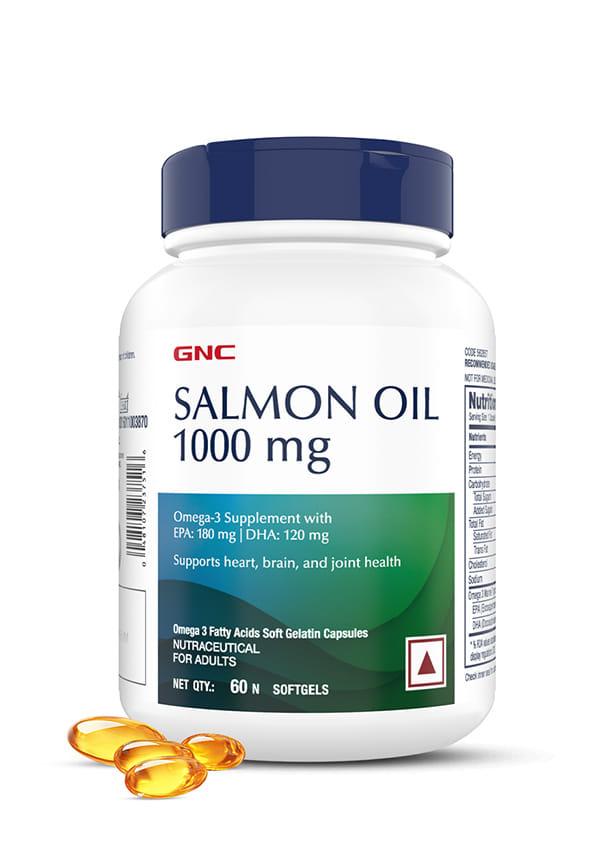
Salmon Oil 1000mg - Supports Joint Health, Vision & Overall Well-Being
Good for daily use
5“I am having this daily. It's really good”
Excellent Fish Oil
5“Best fish oil, you can ever get”
Your immune system naturally weakens with age, making immune boosting supplements particularly valuable. Vitamin C (75-90mg daily) supports immune cell function and acts as a powerful antioxidant. Zinc (8-11mg daily) helps wounds heal and supports immune response, whilst vitamin E provides additional antioxidant protection against cellular damage.
These wellness supplements for seniors work best when taken consistently rather than just during cold season. Think of them as daily maintenance for your body's defence system.
Joint health becomes a priority for many seniors, and the right supplements for elderly individuals can help maintain mobility and comfort. The most researched options include glucosamine and chondroitin, which support cartilage health and may slow joint deterioration.
Collagen supplements have gained popularity for good reason—they provide the building blocks your joints need to stay flexible. Look for hydrolysed collagen, which is easier for your body to absorb. Omega-3 fatty acids pull double duty here, supporting both brain and joint health through their anti-inflammatory properties.
Turmeric or curcumin supplements offer natural anti-inflammatory benefits that many seniors find helpful for joint comfort. Choose supplements with black pepper extract (piperine) to improve absorption, as curcumin on its own isn't well absorbed by the body.
Building a sustainable supplement routine doesn't have to be complicated. The goal is finding daily vitamins for seniors that fit your lifestyle and address your specific nutritional gaps.
Age-specific multivitamins often make more sense than general formulations because they're tailored to senior nutritional needs. They typically contain less iron (since seniors, especially men, rarely need extra iron) and more of the nutrients that become harder to absorb with age.
Look for multivitamins that include the B-complex vitamins, vitamin D, and adequate amounts of the nutrients we've discussed. Quality matters more than quantity—a well-formulated multivitamin with bioavailable forms of nutrients will serve you better than one packed with cheap synthetic vitamins your body can't use.
Women's nutritional needs shift significantly after menopause. Post-menopausal women typically need less iron but more calcium and vitamin D. Senior vitamins formulated for women often reflect these changes, focusing on bone health and heart health support.
Men over 60 have different concerns, often needing support for prostate health and cardiovascular function. Male-specific formulations might include lycopene, saw palmetto, or additional zinc whilst keeping iron levels minimal.
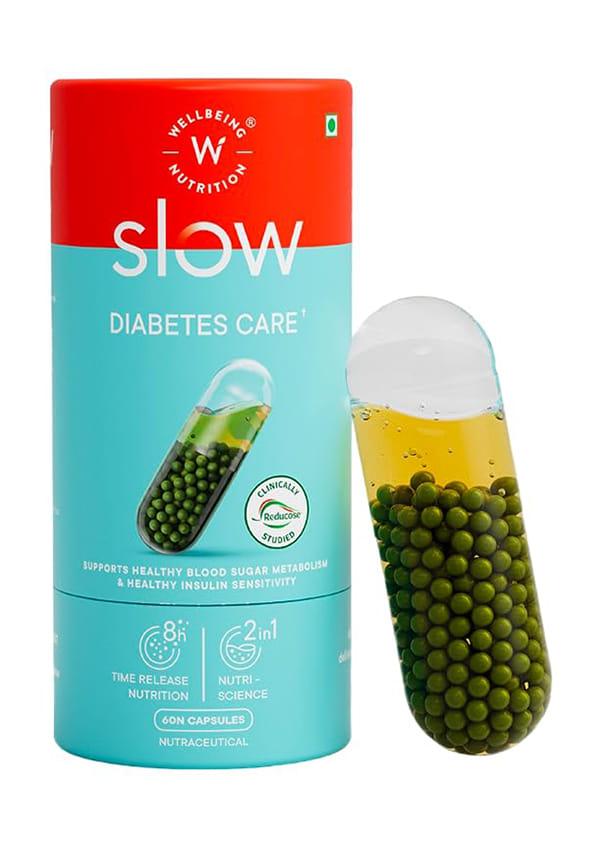
Slow Diabetes Care with Clinically Proven Reducose®, Gudmar, Bilberry, Banaba
Positive Product Review
5“nice product good quality and packaging”
Safety should always come first when choosing healthy aging supplements. The supplement industry isn't as tightly regulated as pharmaceuticals, making it crucial to know what to look for.
Third-party testing is your best friend when choosing supplements. Look for certifications from organisations like NSF International, USP, or ConsumerLab. These indicate that what's on the label is actually in the bottle and that the product is free from harmful contaminants.
Reading supplement labels effectively means looking beyond the marketing claims. Check the 'Supplement Facts' panel for actual nutrient amounts, and be wary of proprietary blends that don't list individual ingredient amounts. Quality supplements will clearly state the form of each nutrient and any additional ingredients.
Your doctor or pharmacist should know about every supplement you're taking. Some nutrients can interact with medications—for example, vitamin K can interfere with blood thinners, whilst calcium can affect the absorption of certain antibiotics.
Come prepared with questions: Which supplements might benefit your specific health conditions? Are there any you should avoid based on your medications? How often should you have blood tests to monitor nutrient levels? This collaborative approach ensures your supplement routine supports rather than complicates your health management.
More isn't always better when it comes to wellness supplements for seniors. Over-supplementation can cause problems ranging from digestive upset to serious toxicity. Fat-soluble vitamins (A, D, E, K) are particularly risky in high doses because your body stores them rather than excreting excess amounts.
Marketing claims can be misleading, so base your choices on scientific evidence rather than flashy promises. Be particularly sceptical of supplements claiming to cure diseases or reverse aging dramatically. If it sounds too good to be true, it probably is.
Food-drug interactions are often overlooked but can be significant. Grapefruit juice affects many medications, whilst high-fibre supplements can interfere with medication absorption if taken too close together. Timing matters as much as what you take.
Bioavailability—how well your body can actually use a supplement—varies dramatically between different forms of the same nutrient. For example, magnesium glycinate is generally better absorbed than magnesium oxide, even though the oxide form is cheaper and more common.
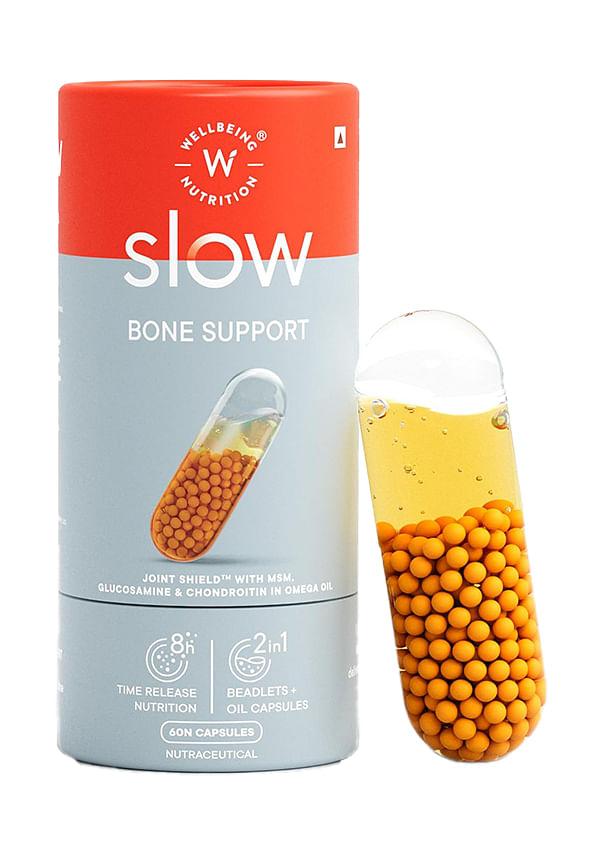
Slow Bone Support Capsule Men & Women | Bone and Joint Vitamin Supplements
There's no single 'best' supplement for all seniors, but vitamin D and calcium are often the most universally beneficial for bone health. A high-quality multivitamin designed for seniors can provide a good foundation, but individual needs vary based on diet, health conditions, and medications.
Most seniors benefit from vitamin D (800-1000 IU), vitamin B12 (especially if over 65), and calcium if dietary intake is insufficient. A daily multivitamin can help fill nutritional gaps, but it's best to have blood tests to identify specific deficiencies before adding individual supplements.
Signs of nutrient deficiencies include persistent fatigue, frequent infections, slow wound healing, bone pain, or cognitive changes. However, many deficiencies are silent until they become severe. Regular blood tests can identify deficiencies before symptoms appear, making prevention possible.
Price doesn't always indicate quality, but the cheapest options are often poor quality. Look for third-party testing, appropriate dosages, and bioavailable forms of nutrients. Sometimes paying more ensures better absorption and fewer fillers, making it better value in the long run.
Whilst a varied, nutrient-dense diet should be the foundation of senior nutrition, some nutrients become difficult to obtain in adequate amounts from food alone. Vitamin B12, vitamin D, and sometimes calcium fall into this category due to age-related absorption changes and dietary limitations.
Choosing the right health supplements for senior citizens isn't about following the latest trends or taking everything your friends recommend. It's about understanding your individual needs, working with healthcare providers, and making informed decisions based on quality evidence.
Start with the basics—a good multivitamin, vitamin D, and any specific nutrients your blood tests show you're lacking. Build your routine gradually, and don't be afraid to adjust as your needs change. Remember that supplements work best alongside a balanced diet, regular exercise, and good sleep habits.
Just as Smytten helps you discover the right beauty and wellness products through trial-sized options before committing to full sizes, approach supplements with the same thoughtful exploration. With over 1,500 trusted brands and trial packs that let you test products risk-free, Smytten makes it easier to find wellness supplements that actually work for your lifestyle. The platform's approach of trying before buying applies perfectly to supplement selection—why settle for guesswork when you can make informed choices about your health?
