How to Choose the Right Health Supplements for Old Age


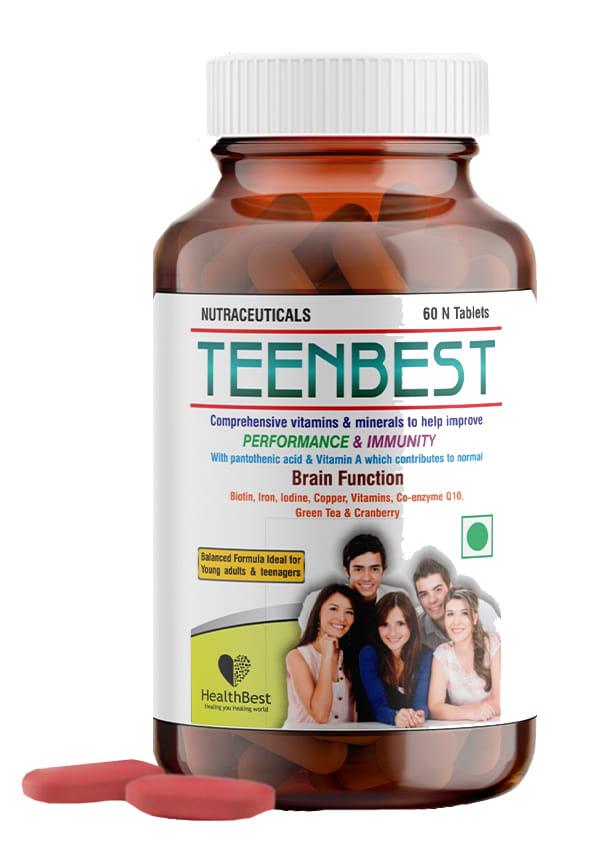
Teen Multivitamin Tablets - Daily Vitamins for Teenagers - Boost Energy & Immunity
Choosing the right health supplements for old age feels like navigating a maze, doesn't it? With shelves packed with bottles promising everything from stronger bones to sharper memory, it's easy to feel overwhelmed. But here's the thing—your body's needs change as you age, and what worked in your thirties might not cut it in your sixties or seventies. The good news? Understanding which senior health supplements actually matter can help you age gracefully while keeping your energy levels up and your health on track. Let's break down what your body really needs and how to choose wisely without falling for marketing gimmicks.
Real talk—your body isn't the same efficient machine it was twenty years ago. As we age, our digestive system becomes less effective at absorbing nutrients, and our appetites often decrease. This creates a perfect storm where we need more of certain nutrients but struggle to get them from food alone.
Your stomach produces less acid as you age, which sounds harmless but actually makes it harder to absorb crucial nutrients like vitamin B12, iron, and calcium. Plus, if you're taking medications (and let's be honest, most seniors are), these can interfere with how your body processes vitamins and minerals. It's like trying to fill a bucket with holes in it—you need to pour more in to get the same result.
The most common gaps in senior nutrition include vitamin B12 (crucial for nerve health), calcium and vitamin D (your bones' best friends), and sometimes iron. These deficiencies aren't just numbers on a blood test—they can affect everything from your energy levels to your balance and cognitive function.
Let's get specific about which vitamins for elderly people actually make a difference. Think of this as your shopping list for healthy ageing, broken down by what each nutrient does for your body.
Your bones are constantly rebuilding themselves, but this process slows down with age. Women over 50 need about 1,200mg of calcium daily, while men need 1,000mg until age 70, then 1,200mg. But calcium alone isn't enough—it's like having bricks without mortar.
Vitamin D is essential because it helps your body actually absorb that calcium. Most seniors need 800-1000 IU daily, though some might need more depending on sun exposure and skin tone. Magnesium supports both bone structure and muscle function, while vitamin K2 acts like a traffic director, making sure calcium goes to your bones instead of your arteries.

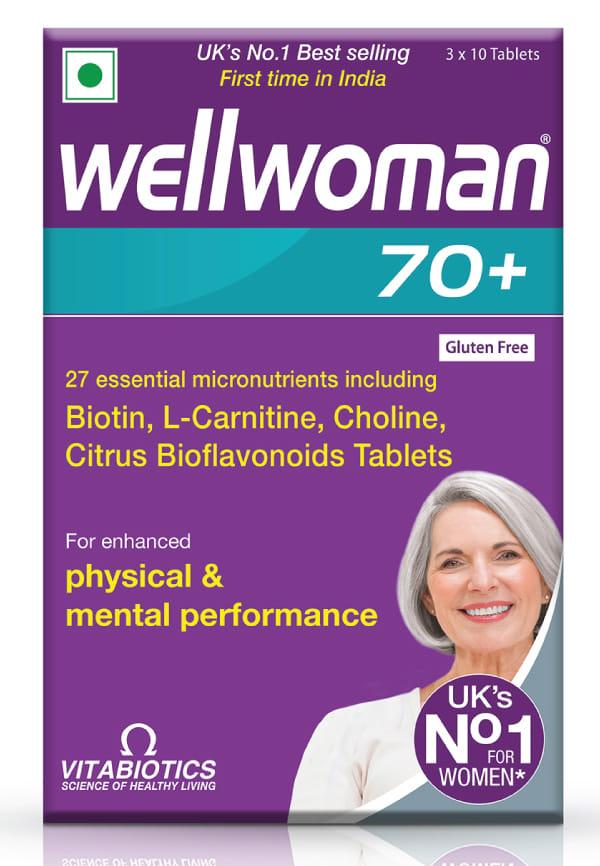
70+ Tablets
Your heart works harder as you age, so giving it the right fuel becomes crucial. Omega-3 fatty acids, particularly EPA and DHA, help reduce inflammation and support cardiovascular function. Think of them as your heart's personal bodyguards.
Coenzyme Q10 supports the energy production in your heart cells, while adequate potassium helps manage blood pressure. These aren't magic bullets, but they're solid support for your cardiovascular system.
Nobody wants to lose their mental sharpness, and certain nutrients can help maintain cognitive function. The B vitamins—particularly B6, B12, and folate—work together to support brain health and may help reduce the risk of cognitive decline.
Omega-3s aren't just for your heart; they're also crucial for brain health. Antioxidants like vitamin E help fight the oxidative stress that can damage brain cells over time.
Your immune system naturally weakens with age, making you more susceptible to infections. Vitamin C provides daily immune support, while zinc helps with wound healing and immune function. Vitamin E acts as an antioxidant, protecting your cells from damage.
Before you start filling your medicine cabinet with bottles, let's talk safety. Nutritional supplements for seniors aren't always harmless, especially when mixed with medications or taken in excessive amounts.
Some supplements can interfere with common medications. For example, calcium can reduce the effectiveness of certain antibiotics, while vitamin K can interfere with blood thinners. Always space out your supplements and medications by at least two hours unless your doctor advises otherwise.
Not all supplements are created equal. Look for products with USP (United States Pharmacopeia) verification or NSF certification. These third-party tests ensure you're getting what's on the label, not just expensive placebo pills.
50+ Tablets
Your doctor should be your first stop before starting any new supplement regimen. They can order blood tests to identify actual deficiencies and help you avoid potentially harmful interactions with your current medications.
While supplements for healthy ageing can fill nutritional gaps, they shouldn't replace a balanced diet. Your body generally absorbs nutrients from whole foods more effectively than from pills.
Nutrient-dense foods like leafy greens, fatty fish, nuts, and dairy products provide vitamins and minerals in forms your body recognises and uses efficiently. Plus, whole foods come with additional beneficial compounds that supplements often lack.
The sweet spot is combining a nutritious diet with targeted supplementation. For instance, you might get most of your calcium from dairy and leafy greens but need a vitamin D supplement if you live in a place with limited sunshine.
When exploring wellness supplements for seniors, it's worth considering platforms that let you try before you commit to full-size purchases. Smytten, India's largest product discovery and trial platform, connects consumers with top wellness brands through curated trial packs. With over 1,500 trusted brands and the ability to get up to 8 minis for just ₹249, you can explore different supplement options without the financial risk of buying full-size bottles that might not work for you.
If joint discomfort is affecting your daily life, certain supplements might help. Glucosamine and chondroitin are popular choices, though the evidence is mixed. Turmeric (curcumin) has anti-inflammatory properties that some people find helpful for joint comfort.
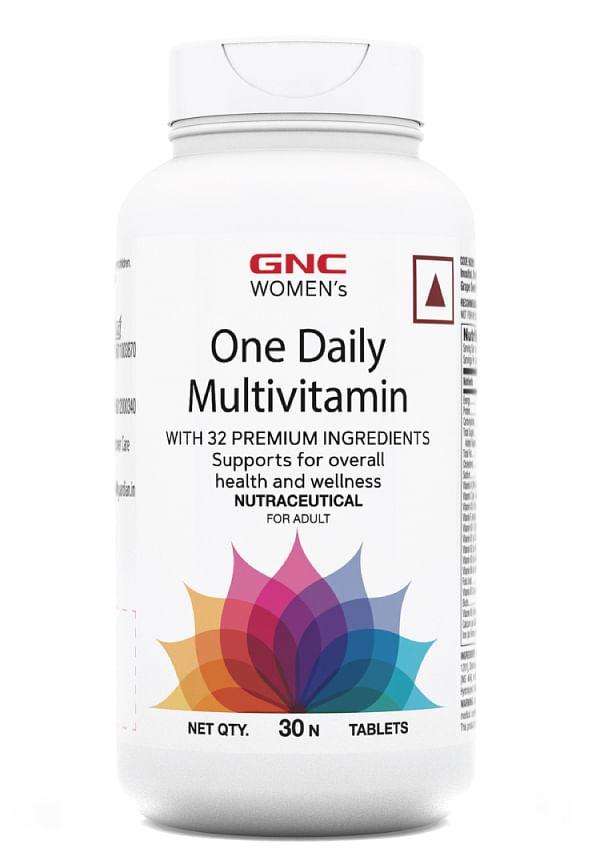
Womens One Daily Multivitamin - Improves Energy, Immunity, Skin and Overall Health
There's no single "best" supplement for seniors, as individual needs vary based on diet, health conditions, and medications. However, vitamin D, vitamin B12, calcium, and omega-3 fatty acids are commonly recommended for older adults. The key is getting blood tests to identify your specific deficiencies and working with a healthcare provider to create a personalised plan.
Seniors over 70 typically benefit from vitamin B12 (2.4 mcg daily), calcium (1,200 mg for women, 1,000 mg for men), vitamin D (800-1000 IU), and vitamin B6 for red blood cell formation. Some may also need digestive enzymes to help with nutrient absorption. Individual needs vary, so consult your doctor for personalised recommendations.
Women over 60 should prioritise calcium (1,200 mg), vitamin D (800-1000 IU), vitamin B12 (2.4 mcg), and iron if blood tests show deficiency. Post-menopausal women often need extra attention to bone health, so calcium and vitamin D become particularly important. A high-quality multivitamin designed for senior women can provide a good foundation.
Absolutely. Chronic conditions like diabetes, heart disease, or osteoporosis may require specific supplement protocols or restrictions. For example, people with kidney disease need to be careful with potassium and phosphorus, while those on blood thinners should monitor vitamin K intake. Always consult your healthcare provider before starting new supplements with existing health conditions.
Regular blood tests can track nutrient levels and show if your supplements are addressing deficiencies. You might also notice improvements in energy levels, sleep quality, or overall wellbeing. However, changes can take weeks or months to become apparent. Work with your doctor to monitor progress and adjust dosages as needed.
Choosing the right health supplements for old age isn't about buying every bottle on the shelf—it's about understanding your body's changing needs and addressing them thoughtfully. Start with the basics like vitamin D, B12, and calcium, then add targeted supplements based on your specific health goals and deficiencies.
Remember, supplements are meant to supplement, not replace, a healthy diet and lifestyle. The goal is to age gracefully while maintaining your independence and vitality. With platforms like Smytten offering trial options for wellness products, you can explore different brands and formulations without committing to full-size purchases. After all, why settle for 'maybe' when you can try different options and find what truly works for your body? Your future self will thank you for taking a thoughtful approach to healthy ageing today.
