How to Choose the Best Vitamins for Skin Health


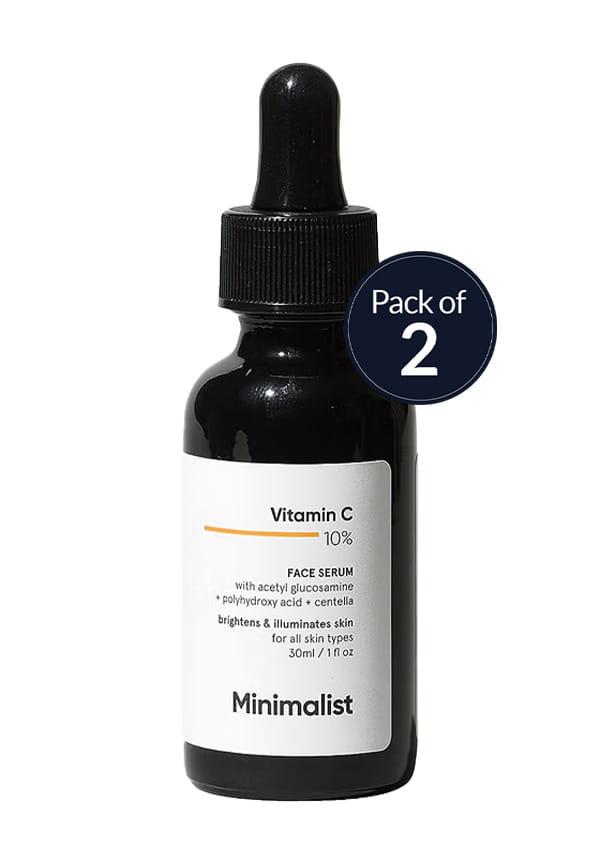
10% Vitamin C Face Serum For Skin Brightening & Reduce Sun Damage
Minimalist Serum is Good
 5
5“minimalist face serum for skin is very good”
Good Product & Service
5“Good product & Very good service and also good packaging”
Great Product!
5“love it product 🤩🤩🤩🤩🤩🤩🤩🤩🤩🤩🤩🤩”
Your skin is basically your body's largest organ, and just like any other part of you, it needs proper nutrition to look and feel its best. But with endless shelves of skin vitamins and supplements promising miracle results, choosing the right ones can feel overwhelming. Let's break down the science behind the best vitamins for skin health and help you build a routine that actually works for your skin goals.
Not all vitamins for healthy skin are created equal. Some have solid research backing them up, while others are just clever marketing. Let's focus on the ones that dermatologists actually recommend and why they work.
Vitamin A is probably the most researched vitamin when it comes to skin health. It helps speed up cell turnover, which means fresher, smoother skin. You'll find it in two main forms: retinol (the gentler option) and retinoids (the stronger, prescription stuff). Both work by encouraging your skin to shed old cells and make new ones faster.
The recommended daily amount is around 700-900 micrograms for adults, but start slow if you're new to vitamin A supplements. Too much too fast can cause irritation.
This one's a powerhouse for vitamins for glowing skin. Vitamin C helps your body make collagen, which keeps your skin firm and bouncy. It's also an antioxidant, which means it fights off damage from pollution and UV rays.
Look for supplements with L-ascorbic acid or magnesium ascorbyl phosphate. These forms are more stable and easier for your body to use. Most people do well with 500-1000mg daily.
Vitamin E works brilliantly with vitamin C to protect your skin from environmental damage. It's particularly good for healing and can help reduce the appearance of scars over time. Plus, it helps keep your skin moisturised from the inside out.
Your skin needs vitamin D to maintain its protective barrier. If you're not getting enough sun (which, let's be real, most of us aren't), a supplement might help. Deficiency can show up as dry, flaky skin or slower healing.
While vitamins get most of the attention, there are other skin health supplements that can make a real difference to how your skin looks and feels.
Biotin helps your body make keratin, which is basically the building block of healthy skin, hair, and nails. If you're dealing with brittle or weak skin, biotin might help strengthen things up.
Most people get enough biotin from food, but if you're taking antibiotics or have digestive issues, you might need extra. Around 30-100 micrograms daily is usually enough.
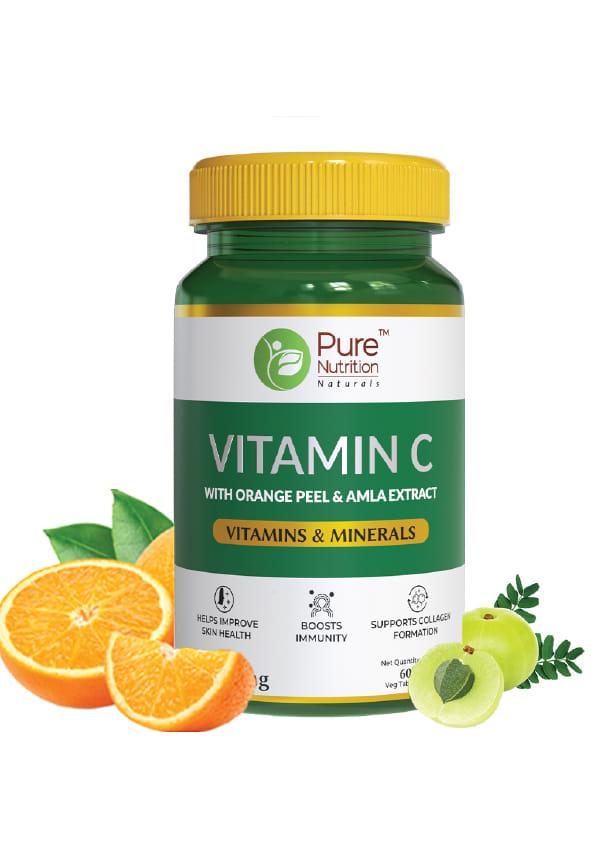
Vitamin C tablets for Immunity & Glowing Skin
Decent Product, Satisfactory Experience
5“Tried this product and found it decent for regular use. Texture and quality are fine. It does the job as mentioned. Overall, a satisfactory experience.waiting to see the result after months”
These aren't technically vitamins, but they're crucial for skin wellness. Omega-3s help calm inflammation, which can reduce redness and irritation. They're particularly helpful if you deal with conditions like eczema or psoriasis.
Fish oil is the most common source, but if you're vegetarian, algae-based omega-3s work just as well.
Zinc is brilliant for wound healing and can help with acne. Selenium works as an antioxidant and helps protect your skin from damage. Both are essential vitamins for skin repair processes.
The supplement world is full of bold claims, but not everything lives up to the marketing. Let's separate the beauty vitamins that work from the ones that are just expensive placebos.
Collagen supplements are everywhere right now, but the science is still catching up. Some studies show they might help with skin elasticity, but your body breaks down collagen into amino acids anyway. You might get better results from vitamin C, which helps your body make its own collagen.
If you want to try collagen, marine collagen tends to be more easily absorbed than bovine versions.
Your gut health directly affects your skin, so probiotics can be surprisingly effective for skin issues. Certain strains like Lactobacillus and Bifidobacterium have shown promise for reducing inflammation and improving skin barrier function.
Glutathione is often called the "master antioxidant" because it helps regenerate other antioxidants in your body. Some people swear by it for skin brightening, though the research is still developing.
Not all supplements are made equal, and unfortunately, the industry isn't as regulated as we'd like. Here's how to spot the good stuff from the questionable products.
Look for supplements that list the actual amount of active ingredients, not just a "proprietary blend." Third-party testing certifications are gold standard - they mean an independent lab has verified what's actually in the bottle.
Avoid anything with unrealistic claims like "see results in 24 hours" or "miracle cure." Real skin changes take time, usually 6-12 weeks minimum.
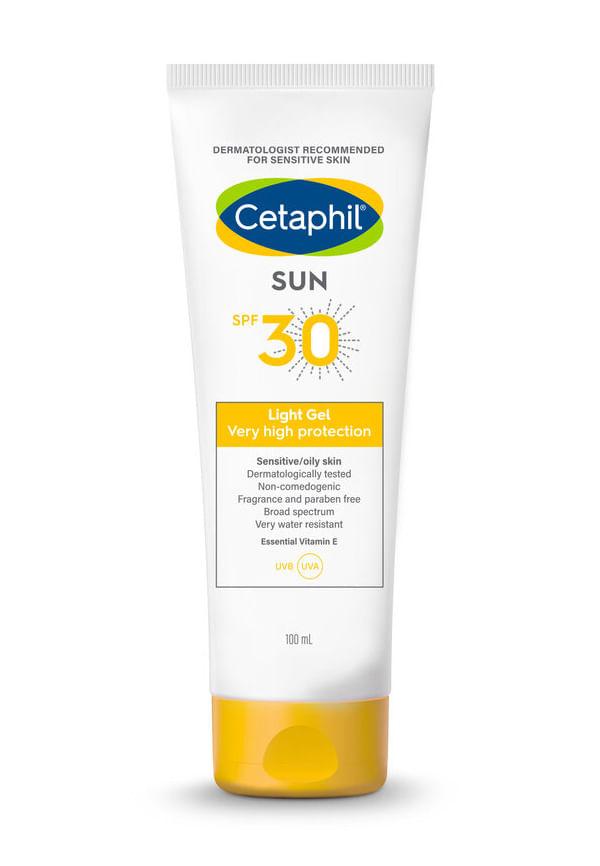
Sun SPF 30 Light Gel With Vitamin E
Good sunscreen, a bit oily
5“wow I like the sunscreen but it's bit oily”
Good sunscreen, a bit oily
5“wow I like the sunscreen but it's bit oily”
Good sunscreen, a bit oily
5“wow I like the sunscreen but it's bit oily”
Some vitamins work better together, while others can interfere with each other. Vitamin C and E are a great team, but iron can block zinc absorption. Take fat-soluble vitamins (A, D, E) with meals that contain some fat for better absorption.
Morning is usually best for vitamin C and B vitamins, while magnesium and omega-3s can be taken any time.
Be wary of supplements that promise instant results or claim to cure serious skin conditions. If something sounds too good to be true, it probably is. Also, avoid mega-doses unless recommended by a healthcare provider - more isn't always better.
Your skin type and concerns should guide your supplement choices. What works for someone with oily, acne-prone skin might not be ideal for someone dealing with dryness or sensitivity.
Focus on zinc, vitamin A, and omega-3s. These help reduce inflammation and regulate oil production. Avoid high-dose biotin, which can sometimes trigger breakouts in sensitive people.
Vitamin C, vitamin E, and collagen-supporting nutrients are your friends. Add in some antioxidants like resveratrol or CoQ10 for extra protection against environmental damage.
Start with gentle options like vitamin D and omega-3s. Avoid high-dose vitamin A initially, and introduce new supplements one at a time to monitor your skin's response.
While supplements can fill gaps, getting nutrients for skin from food is usually more effective and safer. Your body recognises and uses nutrients from whole foods more easily than synthetic versions.
Colourful fruits and vegetables are packed with skin-loving vitamins. Think berries for vitamin C, sweet potatoes for vitamin A, and nuts for vitamin E. Fatty fish provides omega-3s, while leafy greens offer folate and other B vitamins.
Supplements can be helpful if you have dietary restrictions, absorption issues, or live in areas with limited sun exposure. They're also useful for getting therapeutic doses of certain nutrients that would be hard to achieve through food alone.
Platforms like Smytten make it easier to explore different wellness and beauty products, including skin health supplements, through trial sizes before committing to full-size purchases. With access to over 1,500 trusted brands, you can discover what works for your skin without the guesswork.
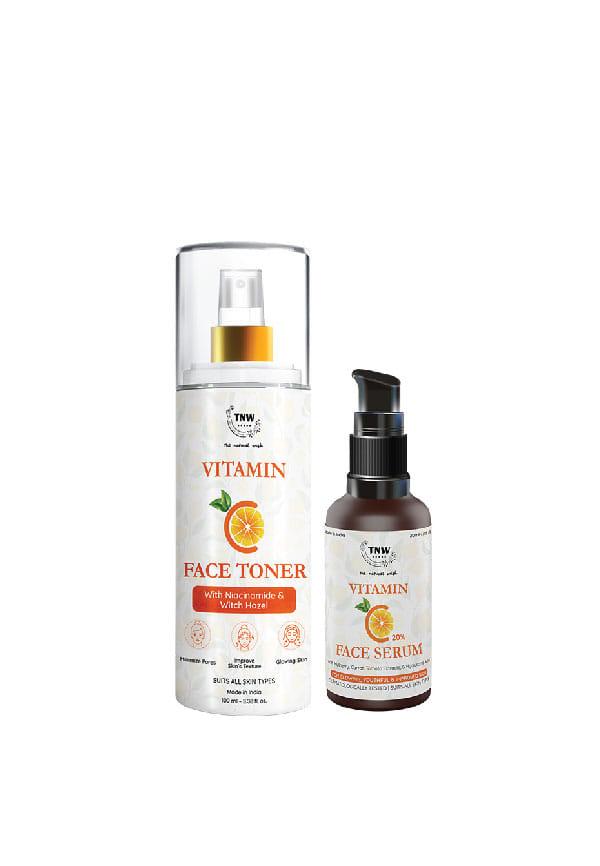
Vitamin C Face Toner & Vitamin C Face Serum | For Reducing Tanning & Pigmentation | Suitable for All Skin Types
Loved The Combo
5“loved the combo of this particular product”
Great Products
5“best products of tnw and wishing to use in future also.”
The 80/20 rule works well here - aim to get most of your nutrients from food, and use supplements to fill specific gaps. Monitor how your skin responds to changes, and remember that consistency matters more than perfection.
The best vitamins for skin health include Vitamin A for cell renewal, Vitamin C for collagen production, Vitamin E for protection, Vitamin D for barrier function, and Biotin for structure. Dermatologists most commonly recommend these five vitamins for comprehensive skin wellness.
Dermatologists primarily recommend Vitamin A (retinoids), Vitamin C (L-ascorbic acid), Vitamin D, Vitamin E, and Zinc for skin health, as these have the strongest clinical evidence for improving skin appearance and function.
Vitamin C is most associated with skin glow due to its role in collagen synthesis and antioxidant protection. Combined with Vitamin E and adequate hydration, it helps achieve radiant, healthy-looking skin.
Most people start noticing improvements in skin texture and appearance after 6-12 weeks of consistent supplementation. However, some benefits like improved hydration might be visible within 2-4 weeks.
Yes, fat-soluble vitamins (A, D, E, K) can build up in your body and cause toxicity if taken in excessive amounts. Always follow recommended dosages and consult a healthcare provider if you're unsure.
Price doesn't always indicate quality. Look for third-party tested supplements with bioavailable forms of nutrients rather than focusing on brand prestige or fancy packaging.
Choosing the right vitamins for healthy skin doesn't have to be complicated. Start with the basics - vitamins A, C, E, and D - and add others based on your specific skin concerns. Remember that supplements work best alongside a healthy diet and good skincare routine, not as a replacement for them.
Quality matters more than quantity, so invest in well-researched, third-party tested products. Give your skin time to respond - real changes happen gradually, not overnight. And if you're dealing with serious skin issues, chat with a dermatologist before starting any new supplement routine.
With Smytten's trial platform, you can explore different beauty vitamins and wellness products from trusted brands without committing to full sizes. This approach lets you find what truly works for your skin while making smart, confident choices about your health and beauty routine.
