How to Choose the Best Plant Based Multivitamin


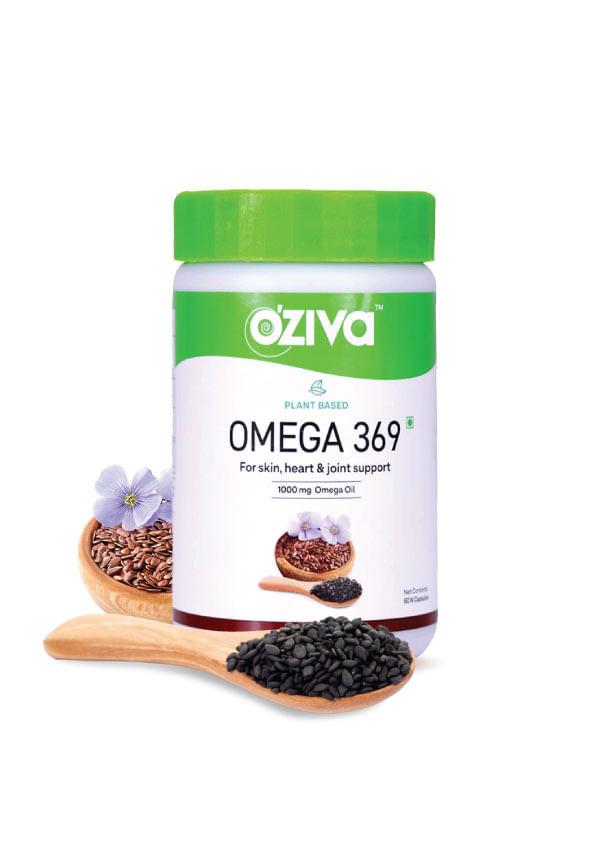
Plant Based Omega 3 6 9 Multivitamin Supplement for Men & Women(1000 mg Vegan Omega Oil Concentrate with Flaxseed & Blackseed Oil) Fatty Acids
Bad Smell, Good for Health
 4
4“smells bad but good for health”
Bad Smell, Good for Health
4“smells bad but good for health”
Bad Smell, Good for Health
4“smells bad but good for health”
Plant-based living is having a proper moment, and honestly, it's about time. More people are ditching synthetic supplements for natural alternatives that actually work with their bodies instead of against them. But here's the thing—choosing the right plant based multivitamin can feel like navigating a maze blindfolded. With shelves packed with options claiming to be the best thing since sliced bread, how do you actually pick one that's worth your time and money? Let's break down everything you need to know about finding a vegan multivitamin that fits your lifestyle and health goals. From understanding what makes these supplements different to spotting quality formulations, we've got your back on this wellness journey.
Real talk—not all vitamins are created equal. The difference between plant-based and synthetic vitamins is like comparing fresh fruit to artificial flavouring. Both might give you vitamins, but your body knows which one is the real deal.
Whole food multivitamin sources come straight from nature's pharmacy. We're talking fruits, vegetables, herbs, and superfoods that have been concentrated into supplement form. These plant sourced vitamins maintain their natural molecular structure, which means your body recognises them as food rather than foreign substances. Synthetic vitamins, on the other hand, are created in laboratories using chemical processes. While they might look identical on paper, your body processes them differently. Think of it like this—synthetic vitamin C is just ascorbic acid, but natural vitamin C comes with bioflavonoids, rutin, and other compounds that help your body actually use it properly. The bioavailability of organic multivitamin formulas tends to be superior because they come packaged with natural cofactors. These are the helper compounds that make absorption and utilisation more efficient. It's like having a personal assistant for your nutrients.
Your digestive system will thank you for choosing plant-based options. Natural multivitamin supplements are generally gentler on your stomach because they're recognised as food. No more taking vitamins on an empty stomach and feeling queasy afterwards. The synergistic effect is another game-changer. In nature, nutrients don't exist in isolation—they work as a team. Plant-based formulations often maintain these natural partnerships, creating a more balanced and effective supplement experience.
Not all nutrients are easy to get from plants alone, which is where a quality daily multivitamin becomes your best mate. Some vitamins and minerals need special attention, especially if you're following a plant-based diet.
Vitamin B12 is the big one—it's practically impossible to get adequate amounts from plants alone. Look for methylcobalamin or adenosylcobalamin forms rather than cyanocobalamin, as they're more bioactive and better absorbed. Vitamin D3 can be tricky since most D3 supplements come from sheep's wool. Thankfully, lichen-derived D3 is now available and works just as well. This is especially important if you're not getting enough sunshine or live in a place where winter feels like it lasts forever. Iron from plants (non-heme iron) isn't absorbed as easily as iron from meat sources. Look for multivitamin supplements that pair iron with vitamin C or other absorption enhancers. Avoid taking it with tea or coffee, which can block absorption.
Women often need more iron due to menstruation, plus folate for reproductive health and calcium for bone strength. A good plant based multivitamin for women should address these specific needs without going overboard. Men typically need less iron but more zinc for hormone production and immune function. Heart-healthy nutrients like lycopene and CoQ10 are also worth looking for in men's formulations. If you're over 35, your nutritional needs start shifting. Absorption decreases with age, so you might need higher amounts of certain nutrients or more bioavailable forms.
The multivitamin benefits you're after might change depending on where you are in life. Students and young professionals often prioritise energy and immune support. Parents might focus on stress management and sustained energy. Older adults typically need more support for bone health, cognitive function, and cardiovascular wellness.
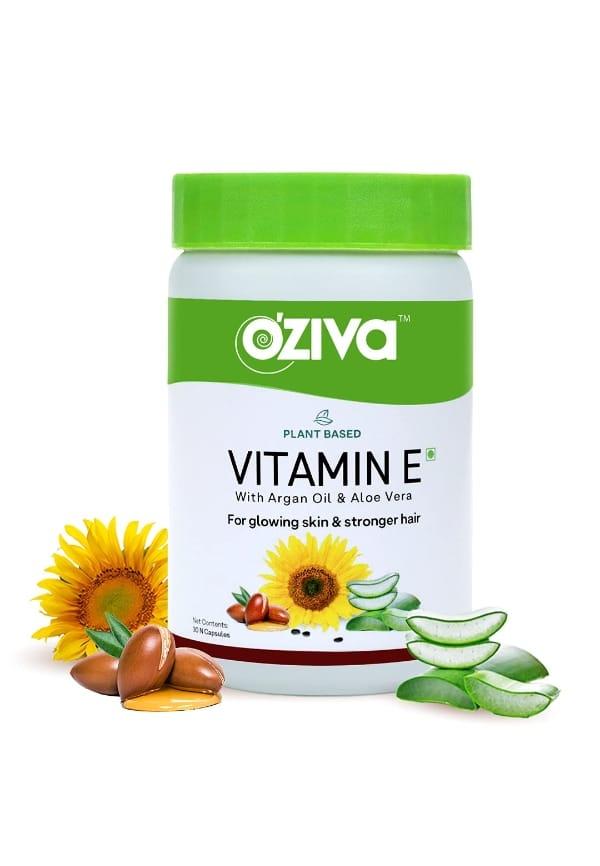
Plant Based Natural Vitamin E, with Sunflower oil, Aloe vera oil & Argan oil
Quality matters more than fancy packaging or celebrity endorsements. When you're investing in your health, you want to make sure you're getting what you pay for.
Organic certification isn't just a trendy label—it means the ingredients were grown without synthetic pesticides, herbicides, or fertilisers. For wellness supplements, this translates to cleaner, more pure ingredients. Third-party testing is non-negotiable. This means an independent lab has verified that what's on the label is actually in the bottle. Look for certifications from organisations like NSF, USP, or ConsumerLab. Heavy metal testing is crucial because plants can absorb contaminants from soil. Quality manufacturers test for lead, mercury, cadmium, and arsenic to ensure safety.
Ingredient transparency should be crystal clear. If you see "proprietary blend" without individual amounts listed, that's a red flag. You deserve to know exactly what you're putting in your body. Dosage guidelines matter too. More isn't always better—some nutrients can actually interfere with each other or cause problems in high doses. Look for amounts that align with recommended daily values, not mega-doses that sound impressive but might be unnecessary. Bioavailability enhancers like black pepper extract (piperine) or digestive enzymes can help your body make the most of the nutrients. These natural absorption boosters are worth looking for.
Be wary of synthetic vitamins masquerading as natural ones. If the label lists "vitamin C" instead of "vitamin C from acerola cherry," it's likely synthetic. Excessive dosages that promise to cure everything under the sun are usually too good to be true. Your body can only absorb so much at once, and the rest just gets expensive wee. Missing certifications or vague claims about "natural" ingredients without specifics should make you think twice.
The world of plant-based supplements offers different approaches to meeting your nutritional needs. Understanding these categories helps you choose what works best for your lifestyle.
Whole food multivitamin blends use concentrated food sources for their nutrients. These often include ingredients like spirulina, chlorella, nutritional yeast, and various fruit and vegetable powders. The advantage is that you're getting nutrients in their natural context with cofactors intact. Isolated nutrients make sense when you need specific amounts of particular vitamins or minerals. Sometimes combining both approaches gives you the best of both worlds—whole food nutrition with targeted supplementation where needed.
A basic daily multivitamin covers general wellness needs and fills common nutritional gaps. These are perfect if you eat a varied diet but want insurance against deficiencies. Targeted formulas address specific health goals like energy, immunity, or stress management. These might include adaptogenic herbs, probiotics, or higher amounts of certain nutrients. Superfood-enhanced wellness supplements pack extra nutrition from ingredients like goji berries, maca root, or green tea extract. These can be worth it if you're looking for additional antioxidants and phytonutrients.
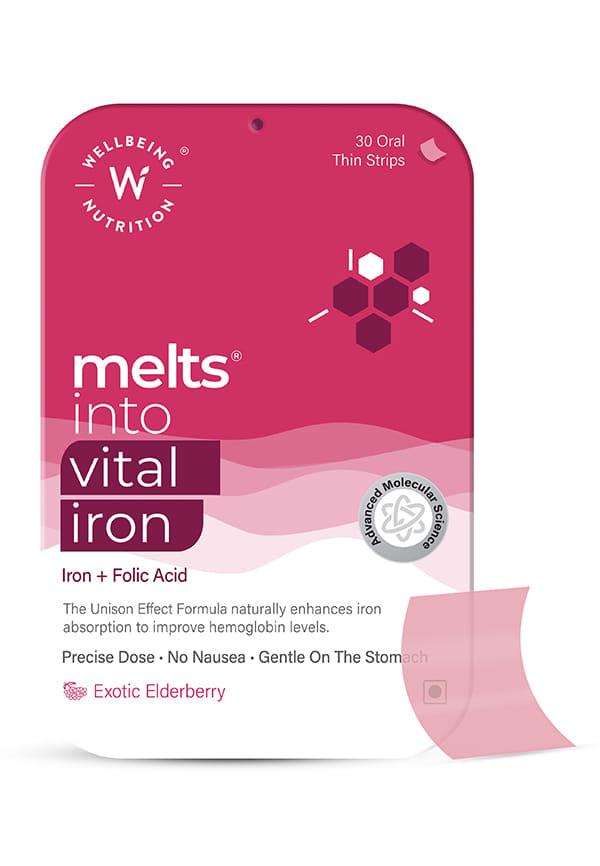
Melts Nano Iron - Plant Based Iron
Tablets are convenient and shelf-stable but can be harder to digest. Capsules often break down more easily in your stomach. Powders give you flexibility with dosing and can be mixed into smoothies or water. Timing matters for absorption. Fat-soluble vitamins (A, D, E, K) work better with meals containing healthy fats. Water-soluble vitamins (B-complex, C) can be taken on an empty stomach but might be gentler with food.
Finding your perfect match requires a bit of detective work, but it's worth the effort. Your ideal supplement should fit your unique needs, not just follow the latest trends.
Start with a dietary gap analysis. Track what you eat for a week and see where you might be falling short. Common gaps in plant-based diets include B12, iron, zinc, omega-3s, and vitamin D. Consider your health goals and lifestyle factors. Are you dealing with stress, training for a marathon, or trying to support your immune system? Different goals call for different nutritional priorities. Medical considerations matter too. Some medications can interfere with nutrient absorption, and certain health conditions might require avoiding specific ingredients.
Your doctor or a registered dietitian can provide personalised recommendations based on your health history and current needs. This is especially important if you're taking medications or have health conditions. Verified customer reviews give you real-world insights into how products actually work. Look for reviews from people with similar needs or lifestyles to yours. Comparing nutritional profiles side-by-side helps you see which products offer the best value for your specific needs. Don't just look at price—consider the quality and bioavailability of ingredients.
Optimal timing can make a difference in how well your body absorbs and uses nutrients. Most multivitamins work best with food to minimise stomach upset and enhance absorption. If you're taking other supplements, spacing them out by 4-5 hours prevents competition for absorption. Iron and calcium, for example, can interfere with each other. Monitoring how you feel after starting a new supplement helps you gauge its effectiveness. Keep a simple log of energy levels, mood, and any changes you notice.
Even with the best intentions, it's easy to make choices that don't serve your health goals. Learning from common mistakes saves you time, money, and frustration.
Taking multiple multivitamin supplements at once can lead to nutrient overload and poor absorption. If you're using different supplements, space them out by at least 4-5 hours. Megadose misconceptions are everywhere. More vitamins don't equal better health—your body can only use so much at once, and excess amounts of some nutrients can actually be harmful. Ignoring food interactions is another common slip-up. Calcium can block iron absorption, while vitamin C enhances it. Understanding these relationships helps you time your supplements properly.
Choosing price over quality might save money upfront but could cost you in effectiveness. Cheap supplements often use poor-quality ingredients or inadequate amounts of nutrients. Ignoring third-party certifications means you're taking the manufacturer's word for what's in the bottle. Independent testing provides peace of mind about purity and potency. Falling for marketing claims without checking the evidence is tempting but risky. Look for products backed by research, not just clever advertising.
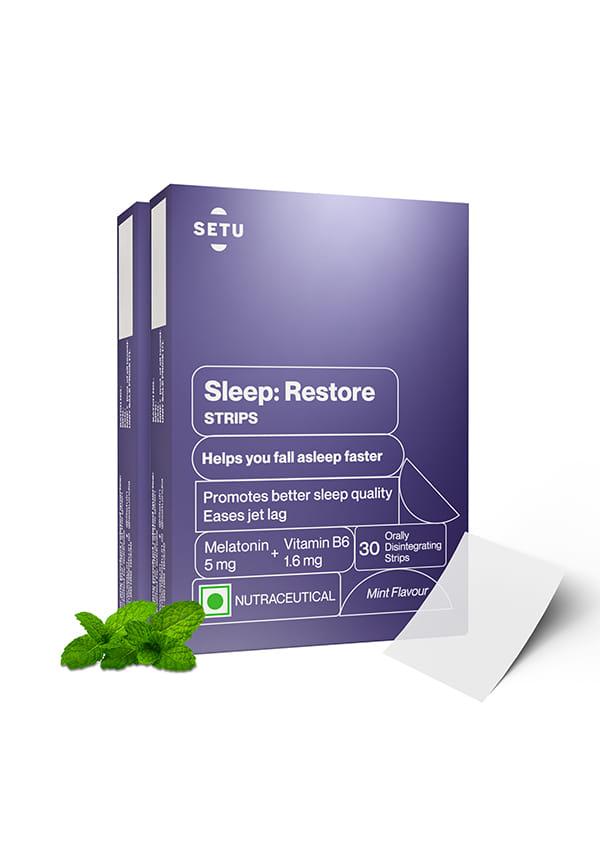
Melatonin 5mg - Orally Dissolving Strips | Plant Based 5 mg Melatonin | Tasty Mint Flavor
Helps with sleep, good taste
4“have helped me sleep better. taste nice too.”
Positive feedback on taste and benefits
5“Tastes like mint, I like it. helps me.”
Strong Taste
4“works well but the taste is a bit too strong for me”
Expecting immediate results sets you up for disappointment. Most nutrients take weeks or months to build up in your system and show noticeable effects. Using supplements to replace a balanced diet misses the point. Best plant based vitamins are meant to complement good nutrition, not substitute for it. Ignoring individual biochemical differences means assuming what works for others will work for you. Your genetics, lifestyle, and health status all influence how you respond to supplements. Smytten understands that finding the right wellness supplements can feel overwhelming with so many options available. As India's largest product discovery and trial platform, Smytten connects you with trusted wellness brands, making it easier to explore different plant based multivitamin options before committing to full-size purchases. With trial packs from over 1,500 brands, you can discover what works best for your body without the guesswork.
Absolutely! Plant based multivitamins are generally safe for daily use and often gentler on your digestive system than synthetic alternatives. The natural forms of nutrients are typically better recognised and utilised by your body. However, it's always wise to follow the recommended dosage and consult with a healthcare provider if you have specific health concerns or take medications.
The main difference lies in the source of nutrients. Plant sourced vitamins come from concentrated whole foods like fruits, vegetables, and herbs, while regular multivitamins often contain synthetic nutrients created in laboratories. Plant-based versions typically offer better bioavailability and come with natural cofactors that enhance absorption. They're also free from animal-derived ingredients, making them suitable for vegans and vegetarians.
Vegans should prioritise B12, vitamin D3 (from lichen), iron, zinc, omega-3s (from algae), and calcium. A quality vegan multivitamin should address these common nutritional gaps. Look for methylcobalamin B12, chelated minerals for better absorption, and formulations that include vitamin C to enhance iron uptake.
Check the ingredient list for specific plant sources rather than generic vitamin names. True plant-based supplements will list ingredients like "vitamin C from acerola cherry" instead of just "ascorbic acid." Look for vegan certifications and avoid ingredients like gelatin capsules, vitamin D3 from sheep's wool, or omega-3s from fish oil.
Yes, but timing matters. Space different supplements 4-5 hours apart to prevent nutrient competition. Some combinations work well together—like vitamin C enhancing iron absorption—while others can interfere with each other. Always check with a healthcare provider if you're taking multiple supplements or medications.
Choosing the right plant based multivitamin doesn't have to be rocket science, but it does require a bit of homework. Focus on quality over marketing hype, understand your individual needs, and don't be afraid to try different options until you find your perfect match. Remember that supplements work best as part of a balanced lifestyle that includes nutritious food, regular movement, and adequate sleep. The beauty of plant-based nutrition lies in working with your body's natural processes rather than against them. When you choose organic multivitamin options with transparent labelling and third-party testing, you're investing in your long-term health and wellbeing. Whether you're new to plant-based living or looking to optimise your current routine, the right multivitamin can be a valuable addition to your wellness toolkit. After all, your health deserves nothing less than the best nature has to offer.
