How to Choose the Best Herbal Supplements Today


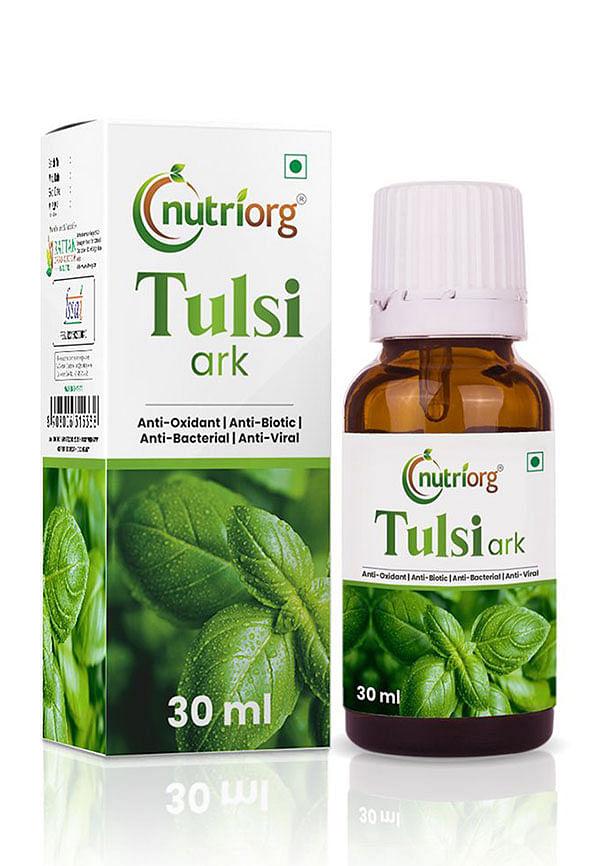
Tulsi Ark
The wellness world has gone absolutely mad for herbal supplements, and honestly, we get it. From turmeric lattes flooding your Instagram feed to ashwagandha becoming the stress-busting hero everyone's talking about, plant-based supplements are having their moment. But here's the thing—whilst everyone's jumping on the herbal bandwagon, choosing the right ones for your body can feel like navigating a maze blindfolded. Let's break down everything you need to know about the benefits of herbal supplements and how to pick the ones that'll actually work for you.
Real talk—herbal supplements aren't just trendy wellness products your favourite influencer is pushing. These are concentrated forms of plants that have been used for centuries to support health and wellbeing. Unlike synthetic medications that are created in labs, natural health supplements come straight from nature's pharmacy. The beauty of plant-based supplements lies in their complexity. Where a synthetic drug might target one specific pathway in your body, herbs often contain multiple active compounds that work together. Think of it as nature's way of creating a balanced formula that your body can actually recognise and use effectively. What's really exciting is how integrative medicine is bringing together traditional herbal wisdom with modern scientific research. We're finally getting the studies to back up what traditional healers have known for ages. The global herbal supplement market is expected to reach over ₹1.5 lakh crores by 2026, which tells you just how much people are craving these natural alternatives.
Herbs work with your body's natural processes rather than forcing specific reactions. They tend to be gentler, with fewer side effects, though this doesn't mean they're always weaker—just more harmonious with how your body functions.
More doctors are now recommending herbal supplements alongside conventional treatments. This shift towards integrative medicine means you're getting the best of both worlds—cutting-edge medical care plus time-tested natural remedies.
Let's dive into what makes herbal supplement benefits so compelling. The research is honestly mind-blowing when you see how these natural powerhouses can transform your health game. Immune system support is probably the most well-known advantage of herbal remedies. Echinacea has been shown to reduce the duration of common colds by up to 1.4 days. Turmeric, with its active compound curcumin, is like having a personal bodyguard against inflammation. And garlic? It's not just for keeping vampires away—studies show it can boost immune cell activity by up to 155%.
Adaptogens are basically nature's chill pills. Ashwagandha can reduce cortisol levels by up to 30%, whilst rhodiola helps your body adapt to stress more efficiently. These aren't just feel-good claims—the science is solid.
Peppermint oil can reduce IBS symptoms by 40%, fennel helps with bloating, and aloe vera soothes inflammatory digestive conditions. Your gut will literally thank you.
Valerian root and chamomile aren't just old wives' tales. Clinical studies show they can improve sleep quality and reduce the time it takes to fall asleep. No more counting sheep.
Hawthorn berry supports heart health, whilst garlic can help maintain healthy cholesterol levels. These health benefits of herbs extend far beyond what most people realise.
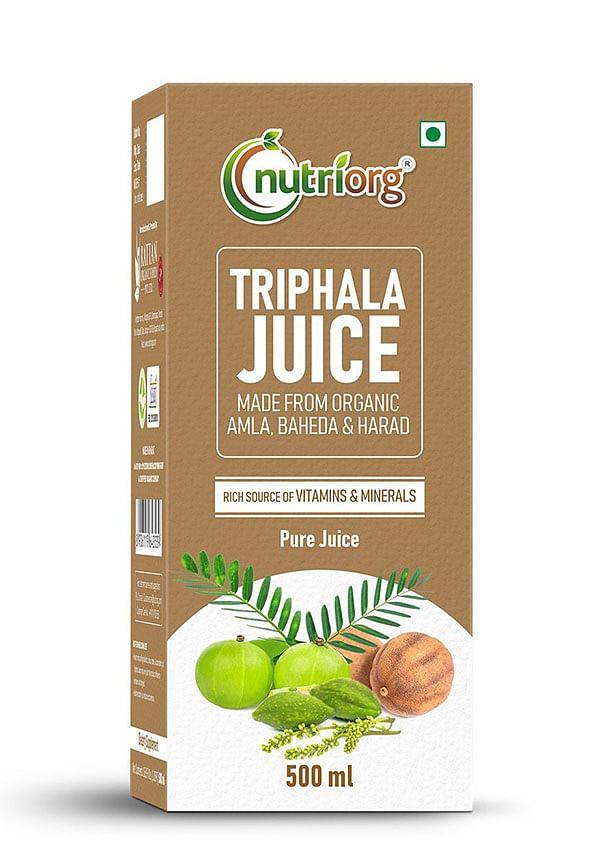
Triphala Juice
Navigating the world of types of herbal supplements can feel overwhelming, but breaking them down into categories makes everything clearer. Think of this as your cheat sheet to the herbal universe. Adaptogens are your stress-fighting squad. These wellness herbs help your body maintain balance when life gets chaotic. Ashwagandha is the overachiever that helps with stress, sleep, and energy. Rhodiola is your mental clarity champion, perfect for those brain fog days. Ginseng gives you sustained energy without the jittery crash of caffeine.
Echinacea is like having a personal trainer for your immune system. Elderberry is packed with antioxidants that help fight off seasonal nasties. Astragalus works behind the scenes to strengthen your overall immune response.
Ginger is your go-to for nausea and digestive upset. Turmeric fights inflammation throughout your digestive tract. Probiotic herbs like chicory root feed the good bacteria in your gut.
Valerian root is nature's sleeping pill without the grogginess. Passionflower calms racing thoughts. These natural alternatives to melatonin work with your body's rhythms.
Ginkgo biloba improves blood flow to the brain. Bacopa monnieri enhances memory formation. Lion's mane mushroom supports nerve growth factor production.
Here's where things get real—not all herbal supplements are created equal. This herbal supplement guide will help you separate the wheat from the chaff (or should we say, the quality herbs from the questionable ones?). Quality indicators are your first line of defence. Look for third-party testing certificates—this means an independent lab has verified what's actually in the bottle. Standardised extracts ensure you're getting consistent amounts of active compounds. Organic certification matters because you don't want pesticides in your wellness routine.
Therapeutic doses are higher amounts used to address specific health concerns. Maintenance doses are lower amounts for ongoing support. Always start low and work your way up—your body will tell you what it needs.
Capsules are convenient and precise. Powders mix easily into smoothies and offer flexibility in dosing. Tinctures are fast-absorbing but taste can be intense. Teas are gentle and ritualistic but may be less potent.
Research-backed companies invest in clinical studies. Transparency about sourcing and manufacturing processes is crucial. Read reviews, but focus on verified purchases and detailed experiences.
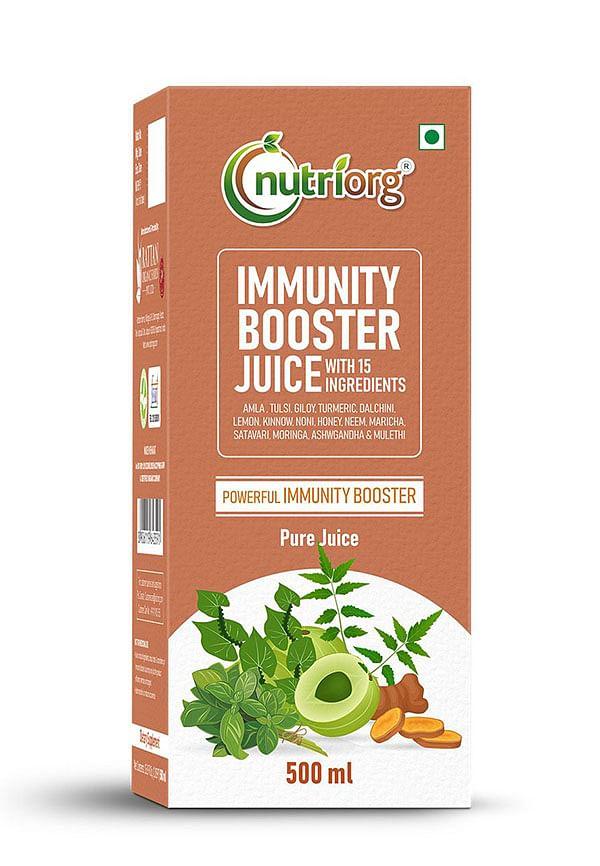
Immunity Booster Juice
Cheaper isn't always better when it comes to herbal supplements. Calculate cost per serving, not just bottle price. Quality ingredients cost more, but they're worth the investment in your health.
Let's keep it real about the advantages of herbal remedies whilst acknowledging they're not completely risk-free. Knowledge is power, and understanding both sides helps you make informed decisions. FDA regulation for herbal supplements is different from prescription drugs. They're classified as dietary supplements, which means less stringent testing requirements. This puts the responsibility on you to choose reputable brands and do your homework.
St. John's wort can interfere with antidepressants and birth control. Ginkgo biloba may increase bleeding risk with blood thinners. Garlic supplements can amplify the effects of blood pressure medications.
Most herbal supplements are well-tolerated, but everyone's different. Digestive upset, headaches, or skin reactions might signal you need to adjust dosage or try a different herb. Trust your body's signals.
If you're taking prescription medications, pregnant, nursing, or have chronic health conditions, chat with your doctor before starting any new supplements. They can help you navigate potential interactions.
Pregnancy and nursing require extra caution with herbal supplements. Some herbs that are safe for adults aren't appropriate during these times. When in doubt, skip it or ask your healthcare provider.
Creating a sustainable routine with plant-based supplements is like building a workout plan—consistency beats intensity every time. The beauty of integrative medicine is that it works with your lifestyle, not against it. Morning routines should focus on energy and mental clarity. Adaptogens like rhodiola or ginseng can replace that second cup of coffee. B-complex herbs support sustained energy without crashes. Digestive bitters taken before breakfast can kickstart your metabolism.
Stress management becomes crucial as the day progresses. Ashwagandha taken with lunch can help you handle afternoon pressures. Digestive aids like ginger or fennel support your body's processing of meals.
Wind-down herbs like chamomile or valerian root signal to your body that it's time to relax. Magnesium-rich herbs support muscle recovery and nervous system calm.

Amla Juice
Some herbs work better when you cycle them—take them for a few weeks, then break for a week. This prevents your body from becoming too accustomed to their effects.
Keep a simple journal noting how you feel, sleep quality, energy levels, and any changes you notice. This helps you identify which herbs are actually making a difference. Platforms like Smytten make exploring herbal supplements incredibly accessible. With over 1,500 trusted brands and the ability to try products before committing to full sizes, you can discover what works for your body without the financial risk. The Trial Points system lets you experiment with up to 8 different wellness products for just ₹249, plus you get 100% cashback to use on future purchases.
Herbal supplements offer immune support, stress reduction, improved sleep quality, digestive health benefits, and inflammation reduction. They work with your body's natural processes to promote overall wellness.
Most people notice initial effects within 2-4 weeks of consistent use. Some herbs like ginger for digestion work within hours, whilst adaptogens for stress may take 6-8 weeks to show full benefits.
Some herbal supplements can interact with medications. Always consult your healthcare provider before combining herbs with prescription drugs, especially blood thinners, antidepressants, or heart medications.
Herbal supplements are regulated as dietary supplements, not drugs. This means less stringent testing requirements, making it crucial to choose reputable brands with third-party testing.
Beginners should start with gentle, well-researched herbs like turmeric for inflammation, chamomile for relaxation, or ginger for digestion. These have excellent safety profiles and broad benefits.
Vitamins are specific nutrients your body needs, whilst herbal supplements contain complex plant compounds that work synergistically. Herbs often provide multiple benefits beyond single-nutrient supplementation.
The benefits of herbal supplements extend far beyond trendy wellness culture—they're backed by centuries of traditional use and increasingly solid scientific research. From immune support to stress management, these natural powerhouses offer gentle yet effective ways to support your health goals. Choosing the right herbal supplements doesn't have to be overwhelming. Focus on quality indicators, start with well-researched options, and listen to your body's responses. Remember, the best supplement routine is one you can stick to consistently. With platforms like Smytten connecting you to over 1,500 trusted wellness brands, exploring herbal supplements has never been more accessible. The ability to try before you buy means you can discover what truly works for your unique body chemistry without breaking the bank. After all, why settle for guesswork when you can try it all and find your perfect wellness match?
