How to Choose the Best Health Supplements for Pregnant Women


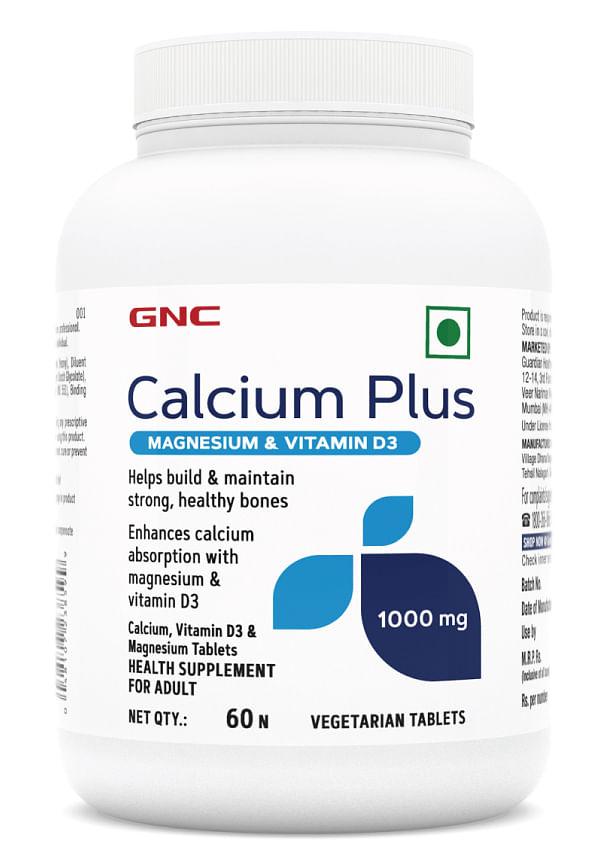
Calcium Plus 1000 mg with Magnesium and Vitamin D3 - Promotes Healthy & Strong Bones
Good Product
 5
5“good product ....................”
Good Product
5“good product ....................”
Good Product
5“good product ....................”
Choosing the right health supplements for pregnant women can feel overwhelming when you're already juggling a million pregnancy thoughts. Between morning sickness, doctor appointments, and preparing for your little one, the last thing you need is confusion about which vitamins to take. Let's break down everything you need to know about pregnancy nutrition and supplements, so you can make informed choices that support both you and your baby's health throughout this incredible journey.
When it comes to supplements for pregnancy, certain nutrients take centre stage for good reason. Your body is working overtime to grow a human, and some vitamins and minerals become absolutely crucial during this time. Think of these as your pregnancy nutrition all-stars—the ones that deserve a permanent spot in your daily routine.
Folic acid tops every pregnancy supplement list, and for excellent reason. This B vitamin works behind the scenes to prevent neural tube defects like spina bifida during those critical early weeks when you might not even know you're pregnant yet.
You'll want to aim for 400-800 mcg daily, ideally starting three months before conception and continuing through your first trimester. Many prenatal vitamins contain this amount, but double-check the label to be sure.
That pregnancy exhaustion isn't just in your head—your iron needs nearly double during pregnancy. Your body produces about 50% more blood to support your growing baby, which means you need extra iron to keep up with red blood cell production.
The recommended dose sits at 27 mg daily. If you're already dealing with iron deficiency, your doctor might suggest higher amounts. Pro tip: take iron with vitamin C to boost absorption, and avoid tea or coffee within an hour of taking it.
Your baby's bones and teeth start developing early, and they'll take what they need from your calcium stores whether you're getting enough or not. That's why hitting 1,000 mg of calcium daily matters so much.
Vitamin D works as calcium's best friend, helping your body absorb this crucial mineral. Aim for 600 IU daily, though many pregnancy experts suggest higher amounts, especially if you live somewhere with limited sunshine.
DHA, a type of omega-3 fatty acid, plays a starring role in your baby's brain and eye development. Research shows that adequate DHA intake during pregnancy might even support better cognitive development in children.
Look for supplements providing 200-300 mg of DHA daily. Many pregnancy multivitamins now include omega-3s, but you might need a separate fish oil supplement to hit optimal levels.
Walking down the supplement aisle can feel like navigating a maze of marketing claims and fancy packaging. But when you're choosing vitamins for expecting mothers, certain factors matter more than others. Let's cut through the noise and focus on what actually makes a difference for your pregnancy health.
Look for supplements that have been independently tested for purity and potency. Certifications from organisations like NSF International or USP (United States Pharmacopeia) indicate that what's on the label actually matches what's in the bottle.
This becomes especially important during pregnancy when you want to avoid any nasty surprises or contaminants that could affect your baby's development.
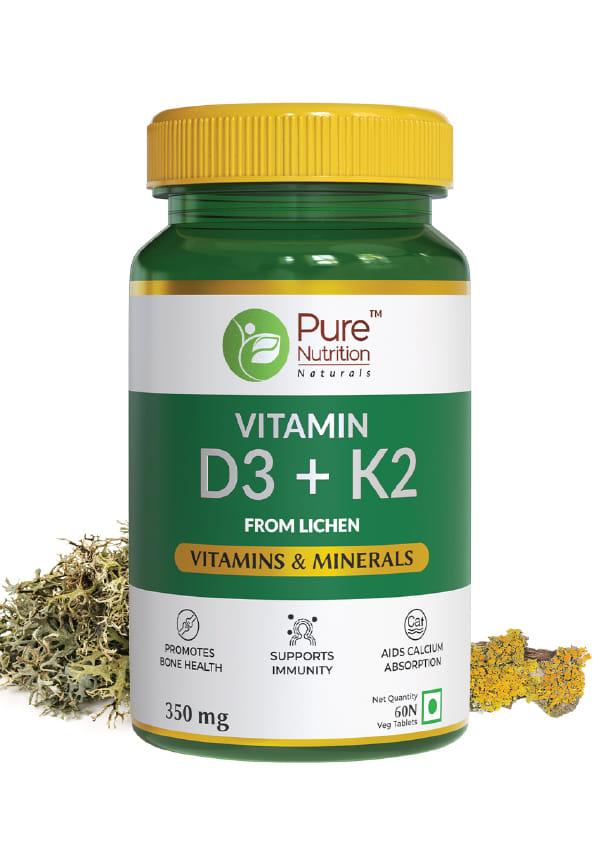
Vitamin D3 (Lichen Source) + Vitamin K2 (Mk-7 55Mcg) 600 IU Daily Wellness Supplement For Strong Bones, Immunity, Joint & Heart Health For Men & Wome
Positive Product Review
5“nice product the brand, is good”
Nice, tasty, excellent results
5“nice to use and good taste and excellent results”
Not all vitamins are created equal. Some forms are easier for your body to absorb and use than others. For instance, folate (the natural form) or methylfolate might be better choices than synthetic folic acid for some women.
Similarly, iron bisglycinate tends to be gentler on the stomach than iron sulfate, which matters when you're already dealing with pregnancy nausea.
Morning sickness doesn't always stick to mornings, and the last thing you need is a vitamin that makes you feel worse. Look for supplements designed to be easy on the stomach, or consider taking them with food to minimise nausea.
Some brands offer gummy versions, though these often contain less iron due to stability issues. If you go the gummy route, you might need a separate iron supplement.
Your nutritional needs shift as your pregnancy progresses, and your supplement routine can adapt accordingly. Understanding these changes helps you give your body exactly what it needs when it needs it most. Think of it as fine-tuning your pregnancy wellness approach for each stage.
During weeks 1-12, folic acid takes the spotlight as your baby's neural tube develops. This is also when morning sickness might make eating challenging, so a good prenatal vitamin becomes your nutritional safety net.
Vitamin B6 can help with nausea, so look for formulations that include adequate amounts. Ginger supplements might also provide relief, though always check with your healthcare provider first.
As your energy returns and your baby enters a rapid growth phase, iron becomes increasingly important. Your blood volume expands significantly during this time, making iron deficiency more likely.
Calcium needs remain steady, but this is when many women start craving dairy or find it easier to include calcium-rich foods in their diet alongside their supplements.
The home stretch brings maximum iron needs as your baby builds iron stores for after birth. Omega-3 fatty acids continue supporting brain development right up until delivery.
Some women find magnesium helpful during this trimester for leg cramps and sleep quality, though always discuss additions with your healthcare provider.
While many supplements support healthy pregnancy diet goals, some can actually pose risks during pregnancy. Knowing what to avoid protects both you and your developing baby. It's not about being paranoid—it's about being informed and making smart choices.
Your body needs vitamin A for healthy development, but too much of the retinol form can cause birth defects. Stick to prenatal vitamins that use beta-carotene instead, which your body converts to vitamin A as needed without the toxicity risk.
Avoid high-dose vitamin A supplements and be cautious with liver consumption, which contains concentrated amounts of retinol.
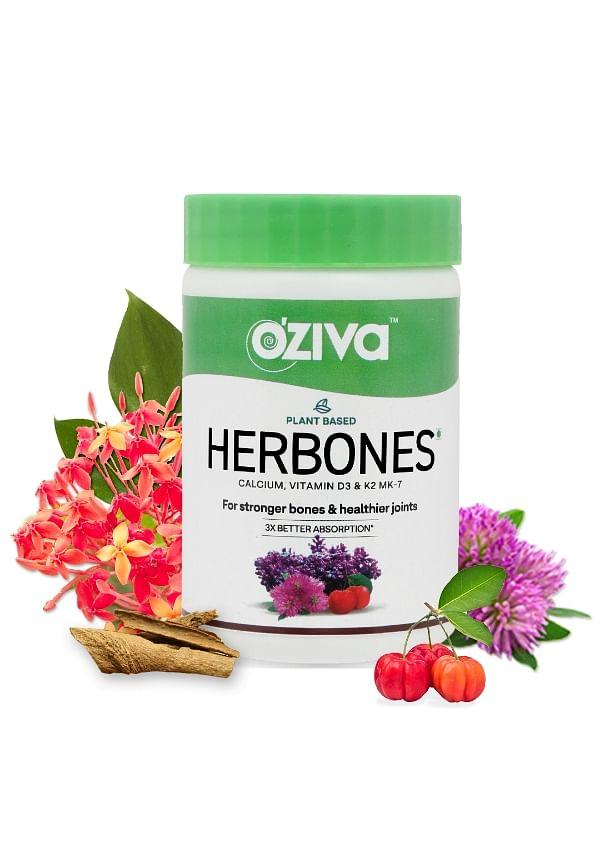
HerBones for Women (with Plant based Calcium, Vegan Vitamin D3, K2 MK-7)
Hopeful First-Time User
5“trusting this brand for the very first time using the supplements also for the first time so hoping good result and future”
Effective Product
5“using from a week..it's effective”
Many herbal supplements lack safety data for pregnancy use. Even seemingly harmless herbs like echinacea or ginkgo biloba haven't been thoroughly studied in pregnant women.
When in doubt, skip it or ask your healthcare provider. There's plenty of time to explore herbal wellness after your baby arrives.
Some nutrients compete for absorption, which affects how much your body actually uses. Iron and calcium are classic competitors—take them at different times for maximum benefit.
Similarly, caffeine can interfere with iron absorption, so space out your morning coffee and iron supplement by at least an hour.
The best approach to pregnancy nutrition combines nutrient-dense whole foods with targeted supplementation. While supplements fill important gaps, they work best as part of a broader healthy eating strategy rather than as meal replacements.
Whole foods provide nutrients in forms your body recognises and uses efficiently. They also offer fibre, antioxidants, and other beneficial compounds that supplements can't replicate.
Focus on leafy greens for folate, lean meats for iron, dairy or fortified alternatives for calcium, and fatty fish for omega-3s. These foods support your essential nutrients for pregnancy needs while providing energy and satisfaction.
Even with the best intentions, meeting all your nutritional needs through food alone can be challenging during pregnancy. Morning sickness, food aversions, and increased requirements make supplements valuable insurance policies.
Vegetarian and vegan women often need extra attention to B12, iron, and omega-3 intake. Geographic factors also play a role—women in areas with limited sunshine typically need vitamin D supplementation.
Regular blood tests help track important markers like iron levels, vitamin D status, and overall nutritional health. These tests guide supplement adjustments and ensure you're meeting your body's changing needs.
Don't hesitate to discuss your diet and supplement routine with your healthcare provider. They can spot potential gaps or excesses that might not be obvious to you.
Every pregnancy is unique, and some situations call for modified supplement approaches. Understanding these special circumstances helps you advocate for personalised care that addresses your specific needs and risk factors.
Carrying twins or triplets increases your nutritional demands across the board. You'll likely need higher doses of most vitamins and minerals, particularly iron and folic acid.

Melatonin With Vitamin B6 - Tablets Promotes Restful Sleep & Relaxation
Genuine Product
5“As described. Checked online is not counterfeit.”
Your healthcare provider will monitor your levels more closely and may recommend prescription-strength supplements to meet these elevated needs.
Teen mothers often need extra calcium and iron to support their own continued growth alongside their baby's development. Women over 35 might benefit from additional antioxidants and may have different absorption patterns.
Previous pregnancy complications, such as gestational diabetes or preeclampsia, might influence supplement recommendations for subsequent pregnancies.
Living in areas with limited sunlight increases vitamin D deficiency risk, while inland regions often have lower iodine levels in the food supply. These geographic factors influence your supplement needs.
Dietary restrictions, whether by choice or necessity, also affect supplement strategies. Working with a registered dietitian can help ensure you're covering all your nutritional bases.
Platforms like Smytten make it easier to discover and try different wellness products, including best prenatal supplements, before committing to full-size purchases. With curated trial packs from trusted brands, you can explore various options to find what works best for your body during this important time. This approach helps you make more confident choices about your pregnancy wellness routine without the guesswork.
Ideally, start taking prenatal vitamins three months before trying to conceive. This ensures your body has adequate nutrient stores, particularly folic acid, during those crucial early weeks of pregnancy when neural tube development occurs.
Regular multivitamins don't contain the specific amounts of nutrients needed during pregnancy. Prenatal vitamins provide higher levels of folic acid, iron, and calcium while avoiding potentially harmful amounts of vitamin A. Stick with formulations designed specifically for pregnancy.
Try taking your prenatal vitamin with food or before bed to reduce nausea. Some women find gummy versions easier to tolerate, though these often contain less iron. You can also ask your healthcare provider about splitting the dose throughout the day.
Price doesn't always indicate quality. Focus on third-party testing, appropriate nutrient levels, and bioavailable forms rather than fancy packaging or marketing claims. Many affordable options provide excellent nutrition when they meet these criteria.
Continue taking prenatal vitamins throughout pregnancy and while breastfeeding. Your nutritional needs remain elevated during breastfeeding, particularly for vitamins A, C, and D, as well as several B vitamins.
While a balanced diet provides many essential nutrients, meeting increased pregnancy needs through food alone can be challenging. Supplements ensure you get adequate amounts of critical nutrients like folic acid and iron, even when appetite or food aversions interfere with eating.
Choosing the right health supplements for pregnant women doesn't have to feel overwhelming when you focus on the essentials and work with your healthcare provider. Remember that supplements support, rather than replace, a balanced diet rich in whole foods. The key is finding quality products that provide the nutrients you and your baby need most during this incredible time.
Your pregnancy journey is unique, and your supplement needs might differ from your friends' or family members' experiences. Trust your healthcare provider's guidance, listen to your body, and don't hesitate to adjust your routine as your pregnancy progresses. With the right combination of nutrition, supplements, and medical care, you're giving your baby the best possible start in life while taking care of your own health too.
