Best Gut Health Supplements: How to Choose the Right One



Gut Health Gummies
Love the app and deals
 4
4“great app with great deals just love it”
Good & Effective Gummies
5“very good and effective gut health gummies.”
Your gut health affects everything from your mood to your immune system, yet millions of people struggle with digestive issues daily. The gut microbiome—home to trillions of bacteria—plays a crucial role in breaking down food, producing vitamins, and protecting against harmful pathogens. When this delicate ecosystem gets out of balance, you might experience bloating, irregular digestion, or even mood changes. The good news? The right gut health supplements can help restore harmony to your digestive system. But with countless options on the market, choosing the best ones for your needs requires some know-how. Let's dive into what actually works and how to pick supplements that'll have your gut thanking you.
Your gut is basically a bustling city of microorganisms, with beneficial bacteria working alongside potentially harmful ones. When the good guys outnumber the bad, your digestive health thrives. These friendly gut bacteria help break down food, synthesise essential vitamins like B12 and K, and even communicate with your brain through the gut-brain axis.
Think of your gut microbiome as a garden that needs tending. Beneficial bacteria like Lactobacillus and Bifidobacterium act as your garden's protectors, crowding out harmful microbes and maintaining the right pH levels. When this balance tips towards the bad bacteria, you might notice digestive discomfort, weakened immunity, or even changes in your energy levels. Research shows that a diverse microbiome is linked to better overall health, including improved mood regulation and stronger immune function.
Modern life isn't exactly gut-friendly. Stress, processed foods, antibiotics, and lack of sleep can all disrupt your intestinal health. If you're dealing with persistent bloating, irregular bowel movements, or frequent stomach upset, your gut might be crying out for support. Sometimes, even a healthy diet isn't enough to restore balance, especially after illness or medication use. That's where targeted supplementation comes in handy.
Not all gut health supplements work the same way. Understanding the different types helps you choose what your digestive system actually needs rather than just grabbing whatever's trending.
Probiotics are live microorganisms that add beneficial bacteria directly to your gut. Look for supplements with multiple strains—diversity matters more than just high numbers. The most researched strains include Lactobacillus acidophilus for general digestive support and Bifidobacterium longum for immune function. CFU (colony-forming units) counts between 10-50 billion are typically effective for most people.
Prebiotics are essentially food for your existing good bacteria. These non-digestible fibres help your beneficial microbes multiply and thrive. Common prebiotic ingredients include inulin, fructooligosaccharides (FOS), and galactooligosaccharides (GOS). Many people find that combining probiotics with prebiotics (called synbiotics) gives better results than taking either alone.
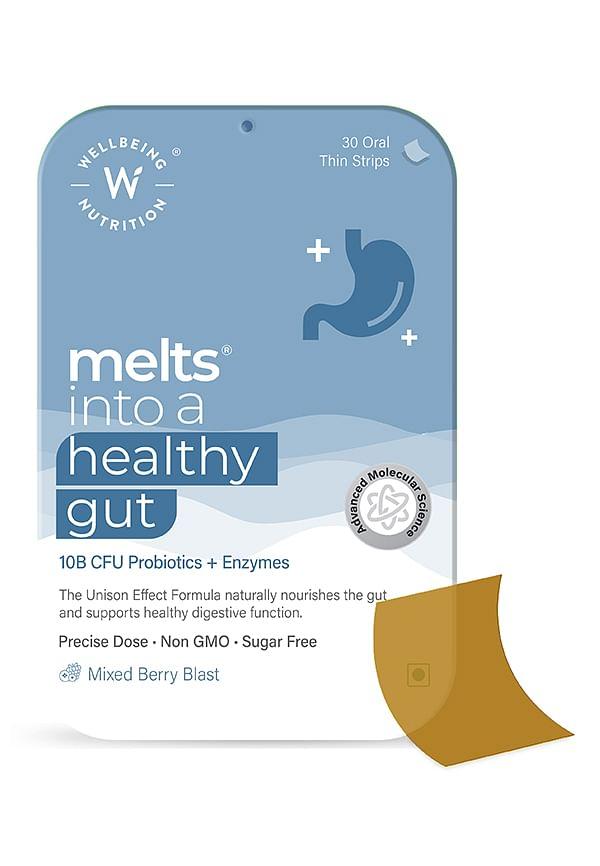
Melts Healthy Gut - Plant Based Probiotic
Great for Digestion
5“really good for your stomach thank you”
Digestive enzymes help break down proteins, fats, and carbohydrates more efficiently. If you struggle with bloating relief after meals, enzyme supplements containing amylase, lipase, and protease might help. They're particularly useful for people with food intolerances or those who notice discomfort after eating certain foods. Lactase supplements, for instance, can help lactose-intolerant individuals enjoy dairy without digestive drama.
Fiber supplements come in two main types: soluble and insoluble. Soluble fiber feeds beneficial bacteria and helps regulate blood sugar, whilst insoluble fiber adds bulk to stool and promotes regular bowel movements. Most people need about 25-35 grams of fiber daily, but many fall short. Start slowly with fiber supplements to avoid gas and bloating—your gut needs time to adjust.
The supplement industry isn't heavily regulated, so doing your homework is crucial. Quality varies wildly between brands, and what works for your mate might not work for you.
Third-party testing is non-negotiable—look for certifications from organisations like NSF or USP. For probiotics, check that the CFU count is guaranteed through the expiration date, not just at manufacture. Proper packaging matters too; probiotics should be in dark, moisture-resistant containers, and some strains need refrigeration to stay viable.
Don't get swayed by fancy marketing claims. Focus on the actual ingredients list and their amounts. For probiotics, look for specific strain names (not just "Lactobacillus"), and check if the supplement includes prebiotics or other supportive ingredients. Avoid products with unnecessary fillers, artificial colours, or allergens that might trigger your sensitivities.
Bigger isn't always better when it comes to CFU counts—extremely high numbers might actually cause digestive upset in sensitive individuals. Start with moderate doses and increase gradually. Also, be wary of supplements promising overnight miracles. Real gut healing takes time, typically several weeks to months of consistent use.
Different digestive issues call for different approaches. Understanding your specific symptoms helps you choose the most effective supplements for your situation.
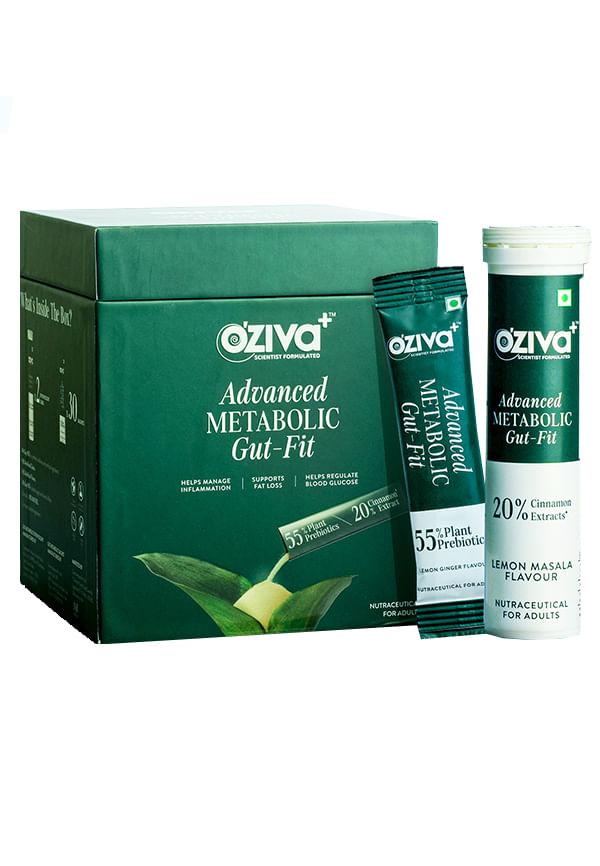
Advanced Metabolic Gut-Fit For Gut & Metabolic Health - Lemon masala
Helpful for digestion
5“It's really helpful in improving your digestion and constipation issues...”
Loved the product
5“I am using it regularly and I really loved the product.”
Leaky gut occurs when the intestinal lining becomes more permeable than it should be. L-glutamine is often recommended for gut lining repair, along with zinc and omega-3 fatty acids. Some people also benefit from supplements containing collagen peptides or bone broth powder. Healing a compromised gut lining typically takes 3-6 months of consistent supplementation combined with dietary changes.
For immediate bloating relief, digestive enzymes taken with meals can help. Peppermint oil capsules are also effective for reducing gas and abdominal discomfort. For long-term improvement, focus on probiotics that specifically target bloating, such as strains of Lactobacillus plantarum or Bifidobacterium infantis.
Women's gut health can fluctuate with hormonal changes throughout their menstrual cycle. Some probiotic strains, particularly Lactobacillus reuteri and Lactobacillus rhamnosus, may help balance both gut and vaginal microbiomes. During pregnancy, certain probiotic strains are considered safe and may even benefit both mother and baby, though it's essential to consult with a healthcare provider first.
Supplements work best when they're part of a gut-friendly lifestyle. Timing, diet, and daily habits all influence how effective your chosen supplements will be.
Take probiotics on an empty stomach or with a small amount of food to help them survive stomach acid. Digestive enzymes work best when taken just before or with meals. Fiber supplements should be taken with plenty of water and spaced apart from medications, as they can affect absorption. Start with lower doses and gradually increase to find what works for your body.
Your supplement routine works better alongside gut-friendly foods. Fermented foods like kefir, sauerkraut, and kimchi provide additional beneficial bacteria. Prebiotic-rich foods such as garlic, onions, and asparagus feed your good bacteria. Avoid processed foods, excess sugar, and artificial sweeteners that can disrupt your gut microbiome and counteract your supplement efforts.
Tracking your progress helps you understand what's working and when to make adjustments. Your gut health journey is personal, and what works initially might need tweaking over time.
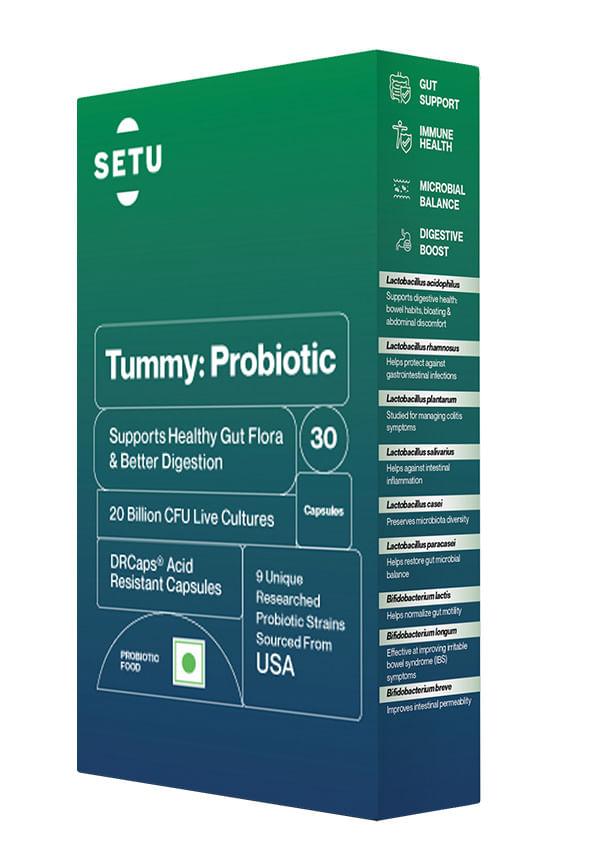
Tummy Probiotic | 9 strains with 20 Billion CFUs
Keep a simple diary noting your energy levels, bowel movements, bloating, and overall digestive comfort. Most people notice some improvements within 2-4 weeks, but significant changes to the gut microbiome typically take 6-12 weeks. Don't get discouraged if progress feels slow—gut healing is a gradual process.
Once you've achieved better digestive health, you might be able to reduce supplement doses or switch to maintenance formulas. Some people cycle their probiotics, taking breaks to allow their natural microbiome to flourish. Others find they need consistent supplementation, especially if they have ongoing digestive challenges or take medications that affect gut bacteria.
Platforms like Smytten make it easier to explore different gut health supplements without committing to full-size products. With over 1,500 trusted wellness brands available in trial sizes, you can test various probiotics, digestive enzymes, and other supplements to find what works best for your unique digestive needs. This trial-and-discover approach is particularly valuable for gut health, where individual responses can vary significantly.
Probiotics containing diverse beneficial bacteria strains are considered the cornerstone of gut health supplementation, particularly those with 10-50 billion CFUs and multiple strain varieties including Lactobacillus and Bifidobacterium species.
Combine a high-quality probiotic supplement with prebiotic fiber, eliminate processed foods, stay hydrated, and introduce fermented foods whilst reducing stress levels for optimal gut recovery. Most people see initial improvements within 2-4 weeks.
Common indicators include chronic bloating, irregular bowel movements, food intolerances, frequent infections, mood changes, skin issues, and persistent digestive discomfort after meals.
Most people notice initial improvements within 2-4 weeks of consistent supplementation, with significant gut microbiome changes typically occurring after 6-12 weeks of regular use.
Yes, probiotics and digestive enzymes work well together and can complement each other's benefits. Take digestive enzymes with meals and probiotics either on an empty stomach or as directed by the manufacturer.
Choosing the right gut health supplements doesn't have to feel overwhelming. Start by identifying your specific digestive concerns, then select high-quality supplements that target those issues. Remember that consistency matters more than perfection—it's better to take a moderate-dose probiotic daily than to sporadically take high-dose supplements. Your gut microbiome is unique, so what works for others might not work for you immediately. Be patient with the process and don't hesitate to adjust your approach based on how your body responds. With the right combination of supplements, dietary choices, and lifestyle habits, you can support your digestive health and feel your best from the inside out.
