How to Choose the Best Daily Multivitamin


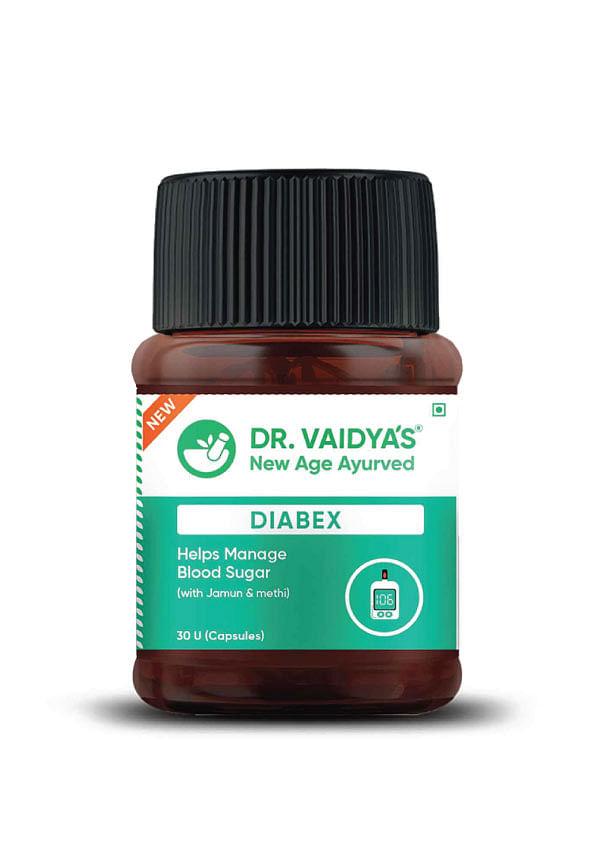
Diabex -30 Capsules
Let's be real—walking down the vitamin aisle feels like trying to decode a foreign language. Rows upon rows of bottles promising everything from boundless energy to glowing skin, but which daily multivitamin actually delivers? With 76% of adults taking vitamin supplements yet most choosing incorrectly, it's clear we need a proper roadmap. The thing is, your mate's favourite multivitamin might not be your cup of tea, and that's perfectly fine. Finding the right one is about understanding your unique needs, not following trends. Ready to cut through the noise and find your perfect match?
Think of a daily multivitamin as your nutritional safety net. Even with the best intentions, our modern diets often fall short of providing all the nutrients our bodies crave. Between busy schedules, processed foods, and depleted soil affecting our produce, gaps are practically inevitable.
Your body needs 13 essential vitamins to function properly, and it can't produce most of them on its own. We're talking about the A-team: vitamins A, C, D, E, K, and the eight B vitamins. Each plays a specific role—vitamin D supports bone health, B vitamins fuel energy production, and vitamin C keeps your immune system fighting fit. The tricky bit? Getting adequate amounts from food alone can be challenging, especially if you're vegetarian, vegan, or have dietary restrictions.
The multivitamin benefits extend far beyond just filling nutritional gaps. Research shows they can support immune function, particularly during stressful periods or seasonal changes. They also help maintain steady energy levels by supporting your body's natural metabolism processes. Plus, certain vitamins work together—like vitamin D helping calcium absorption for stronger bones.
Certain groups benefit more from daily vitamins than others. Pregnant women need extra folate, older adults often require more B12, and people with limited sun exposure might need vitamin D supplementation. If you're constantly tired despite adequate sleep, frequently ill, or following a restrictive diet, a multivitamin could be worth considering.
Not all multivitamins are created equal, and understanding the different types of multivitamins helps you make a smarter choice. From basic formulations to targeted blends, there's quite a spectrum to explore.
Traditional vitamin supplements use synthetic nutrients that mirror their natural counterparts. They're typically more affordable and have longer shelf lives. Whole food vitamins, on the other hand, derive nutrients from actual foods, which some argue are better absorbed. The jury's still out on which is definitively superior, but whole food versions tend to be gentler on sensitive stomachs.
Here's where things get interesting. A multivitamin for women typically includes iron (since women lose iron through menstruation) and higher amounts of folate for reproductive health. Meanwhile, a multivitamin for men usually skips the iron and focuses on nutrients like zinc and lycopene for prostate health. Age-specific formulas adjust nutrient levels based on changing needs—50+ formulas often contain more calcium and vitamin D.
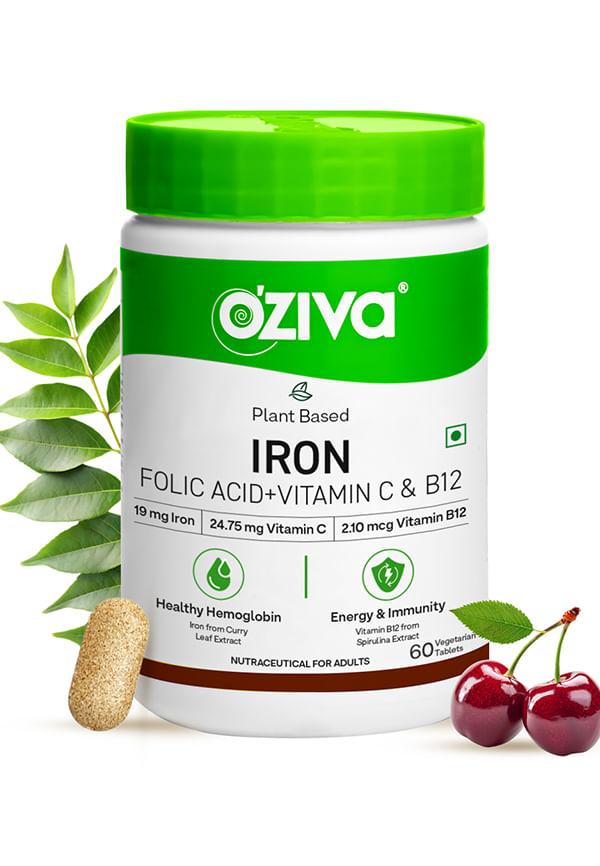
OZiva Iron & Folic Acid Tablet
Tablets are the classic choice—stable, cost-effective, and long-lasting. Capsules dissolve faster and are easier to swallow. Gummies taste brilliant but often contain added sugars and may not fit all nutrients. Liquid forms absorb quickly but can be less convenient for travel. Choose based on what you'll actually stick with consistently.
Finding the best multivitamin isn't about picking the most expensive option or following influencer recommendations. It's about matching a product to your specific requirements and lifestyle.
Start with an honest look at your diet. Are you getting five portions of fruits and vegetables daily? Do you eat fish twice a week? Drink milk or fortified alternatives? A food diary for a week can reveal surprising gaps. If possible, consider a blood test to check for common deficiencies like vitamin D, B12, or iron.
Supplement labels can feel like hieroglyphics, but they're actually quite logical once you know what to look for. The Daily Value (DV) percentage tells you how much of your daily needs one serving provides. Look for 100% DV for most vitamins, but be cautious of mega-doses exceeding 200-300% unless there's a specific reason.
A complete multivitamin should have third-party testing certifications like USP (United States Pharmacopeia) or NSF International. These ensure what's on the label matches what's in the bottle. Good Manufacturing Practice (GMP) certification indicates the facility meets quality standards. Also, check expiration dates and storage requirements—some vitamins degrade quickly in heat or light.
When scanning ingredient lists, certain nutrients deserve special attention. These are the heavy hitters that can make or break a multivitamin's effectiveness.
Look for vitamin D3 (cholecalciferol) rather than D2—it's more effective at raising blood levels. B vitamins should be in their active forms when possible: methylcobalamin for B12, methylfolate for folate. Magnesium, zinc, and selenium are crucial minerals often missing from diets. Vitamin K2 (specifically MK-7) works brilliantly with vitamin D for bone health.

Slow Bone Support Capsule Men & Women | Bone and Joint Vitamin Supplements
Some multivitamins include bonus ingredients like antioxidants (vitamins C and E), omega-3 fatty acids, or even probiotics. While these can add value, remember that multivitamins can't fit therapeutic doses of everything. Consider these extras as nice-to-haves rather than primary reasons for choosing a product.
Unless you're iron-deficient, avoid multivitamins with high iron content—excess iron can be harmful. Skip products with artificial colours, unnecessary fillers, or mega-doses of fat-soluble vitamins (A, D, E, K) that can accumulate in your body. Also, be wary of proprietary blends that don't list individual ingredient amounts.
While generally safe, multivitamins aren't completely without risks. Understanding potential multivitamin side effects helps you use them wisely and spot any issues early.
The most common complaint is stomach upset, usually from taking vitamins on an empty stomach or from iron content. Taking your multivitamin with food typically solves this. Some people experience nausea from B vitamins or zinc—splitting the dose or switching to a different form can help. Bright yellow urine from B vitamins is normal and harmless.
If you're taking medications, especially blood thinners, thyroid medication, or antibiotics, chat with your doctor first. Certain vitamins can interfere with drug absorption or effectiveness. Pregnant women should use prenatal-specific formulas, and people with chronic conditions like kidney disease need medical guidance before starting any supplements.
With all this information, how do you actually choose? It comes down to balancing your needs, budget, and lifestyle preferences.
Calculate cost per serving rather than just looking at the bottle price. A £20 bottle with 30 tablets costs more per day than a £35 bottle with 90 tablets. Generic brands often offer similar quality to name brands at lower prices, but check for third-party testing. Premium pricing is justified when it includes better forms of nutrients or additional quality assurance.
Give any new multivitamin at least 30-60 days to show effects. Track your energy levels, sleep quality, and general wellbeing. Remember, subtle improvements are more realistic than dramatic transformations. If you experience persistent side effects or no benefits after two months, it might be time to try a different formulation.
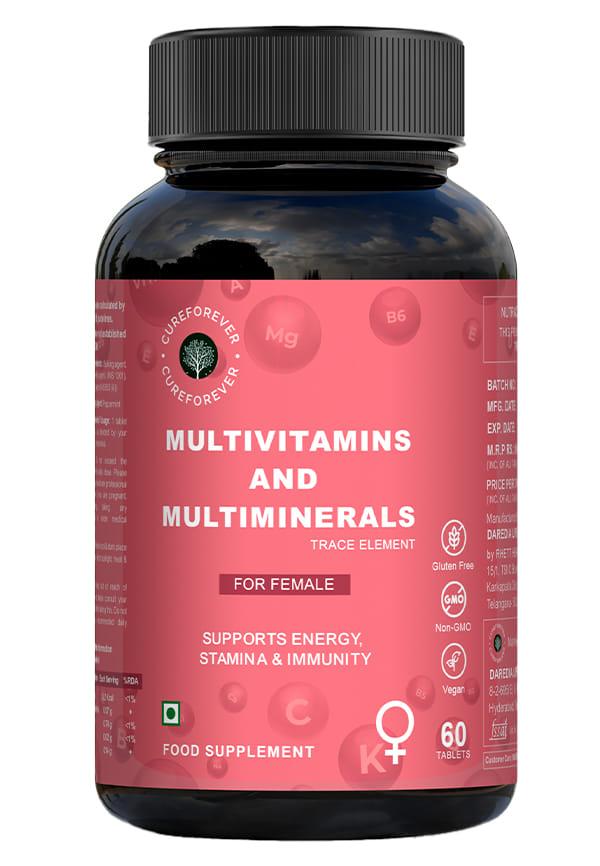
Multivitamin for Women with Multimineral
This is where platforms like Smytten become incredibly valuable. As India's largest product discovery and trial platform, Smytten connects you with over 1,500 trusted wellness brands, letting you explore different vitamin supplements through curated trial packs before committing to full-size purchases. With trial minis available for just ₹249 and 100% cashback redeemable for future orders, you can actually test different multivitamin options to find what works best for your body.
Take your multivitamin with breakfast or lunch for optimal absorption and to minimise stomach upset. Fat-soluble vitamins (A, D, E, K) absorb better with meals containing some fat.
Yes, particularly fat-soluble vitamins that accumulate in your body. Stick to recommended doses unless advised otherwise by a healthcare provider. Water-soluble vitamins are generally safer as excess amounts are excreted.
Research shows multivitamins can help fill nutritional gaps and support overall health, particularly in people with dietary restrictions or increased needs. However, they're supplements, not replacements for a balanced diet.
Women's formulas typically include iron and higher folate levels, while men's versions focus on nutrients like zinc and lycopene. These differences reflect varying nutritional needs based on biology and life stages.
Even with a balanced diet, certain nutrients can be challenging to obtain in optimal amounts. Factors like soil depletion, food processing, and individual absorption differences can create gaps that multivitamins help fill.
Some people notice increased energy within a few weeks, but most benefits develop gradually over 1-3 months of consistent use. Patience is key—your body needs time to replenish nutrient stores.
Choosing the right daily multivitamin doesn't have to feel overwhelming once you understand your individual needs and know what to look for. Focus on quality markers like third-party testing, appropriate nutrient forms, and dosages that make sense for your lifestyle. Remember, the best multivitamin is the one you'll actually take consistently. Whether you need a basic formula or something more specialised, the key is finding a product that fits your budget, preferences, and health goals. With platforms like Smytten offering trial options, you can explore different brands and formulations without the commitment, making it easier to discover what truly works for your body. After all, why settle for guesswork when you can try it all and make an informed choice?
