How to Choose Between Prebiotic and Probiotic Foods

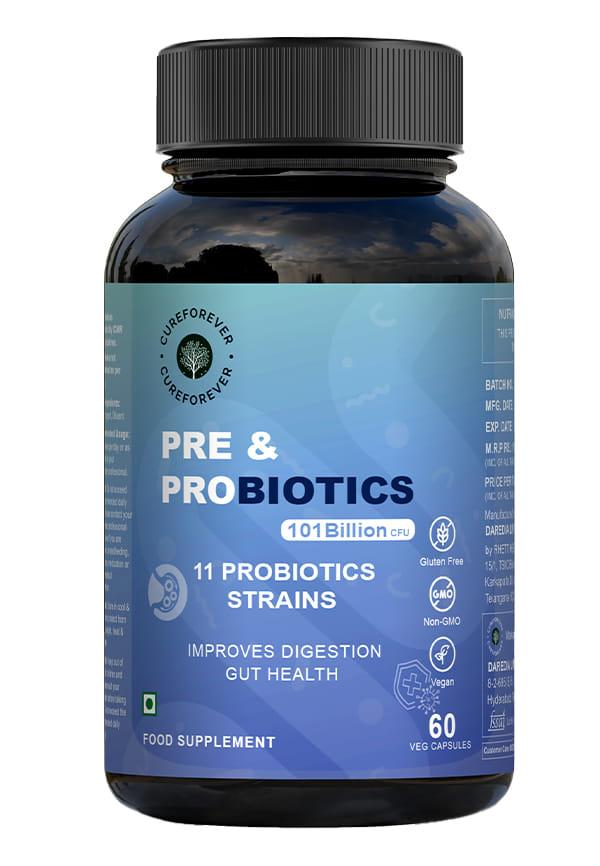
Prebiotics & Probiotics
Your gut health journey doesn't have to feel like navigating a maze of confusing choices. When it comes to prebiotic vs probiotic foods, the decision isn't about picking sides—it's about understanding what your body actually needs. Whether you're dealing with digestive issues, trying to boost your immune system, or simply want to feel your best, the right gut health foods can make all the difference. Let's break down the science behind prebiotics and probiotics so you can make choices that actually work for your lifestyle and health goals.
Think of your gut as a bustling city where trillions of bacteria live, work, and thrive. The difference between prebiotics and probiotics is like the difference between bringing in new residents versus feeding the ones already living there. Both approaches support your gut microbiome, but they work in completely different ways.
Probiotic foods contain live, beneficial bacteria that can potentially colonise your gut. These microscopic helpers work by introducing new strains of good bacteria into your digestive system. When you eat yoghurt with live cultures or sip on kombucha, you're essentially sending reinforcements to your gut army.
The key thing about probiotics for gut health is that these bacteria need to survive the journey through your stomach acid to reach your intestines alive. Not all probiotic foods are created equal—some contain more viable bacteria than others, and certain strains are better researched for specific health benefits.
Prebiotic foods contain special types of fibre that your body can't digest, but your gut bacteria absolutely love. Think of prebiotics as premium fuel for the beneficial bacteria already living in your digestive system. When you eat foods rich in prebiotic fibres, you're essentially throwing a feast for your existing gut microbes.
The brilliant thing about prebiotics for gut health is that they're more stable than probiotics. They don't need to survive stomach acid because they're not alive to begin with—they're just really good food for the bacteria that are already there.
Here's where it gets interesting: your gut microbiome is as unique as your fingerprint. Some people have diverse, thriving bacterial communities that just need good fuel (prebiotics), while others might benefit from introducing new bacterial strains (probiotics). The timing matters too—if you've recently taken antibiotics, probiotics might help replenish what was lost, but if your gut is already healthy, prebiotics might be more beneficial for long-term maintenance.
Ready to explore the world of live beneficial bacteria? The probiotic foods list is more diverse and delicious than you might think. From creamy yoghurts to tangy fermented vegetables, there's something for every palate and dietary preference.
Yoghurt with live cultures tops the list, but not all yoghurts are probiotic powerhouses. Look for labels that specifically mention "live and active cultures" and check the expiry date—fresher means more viable bacteria. Greek yoghurt often contains higher concentrations of beneficial strains.
Kefir is like yoghurt's more adventurous cousin, containing up to 61 different strains of bacteria and yeasts. It's tangier and more liquid than yoghurt, making it perfect for smoothies. Some aged cheeses like Gouda, mozzarella, and cheddar also contain beneficial bacteria, though in smaller amounts than fermented dairy drinks.
Kimchi and sauerkraut aren't just trendy—they're probiotic goldmines. These fermented vegetables contain diverse bacterial strains and are perfect for those avoiding dairy. The key is choosing unpasteurised versions, as pasteurisation kills the beneficial bacteria.

Melts Healthy Gut - Plant Based Probiotic
Great for Digestion
 5
5“really good for your stomach thank you”
Miso, tempeh, and other fermented soy products offer probiotics alongside plant-based protein. Kombucha has gained popularity as a fizzy, refreshing way to get your probiotic fix, though sugar content varies between brands.
Not all probiotics are created equal. Look for foods that specify the bacterial strains and CFU (colony-forming units) counts. Lactobacillus and Bifidobacterium are the most researched strains for digestive health. Store probiotic foods properly—most need refrigeration to maintain bacterial viability, and consuming them before the expiry date ensures maximum benefit.
The prebiotic foods list reads like a who's who of nutritional superstars. These foods for healthy gut bacteria don't just feed your microbes—they provide essential nutrients for your overall health too.
Asparagus, garlic, onions, and leeks are prebiotic champions, containing high levels of inulin and oligofructose. These vegetables add flavour to your meals while feeding your beneficial bacteria. Don't worry about the garlic breath—your gut bacteria will thank you.
Bananas, especially slightly green ones, contain resistant starch that acts as a prebiotic. Berries and apples provide pectin, another type of prebiotic fibre that supports gut health. Jerusalem artichokes and chicory root are particularly rich in inulin, though they might cause gas if you're not used to high-fibre foods.
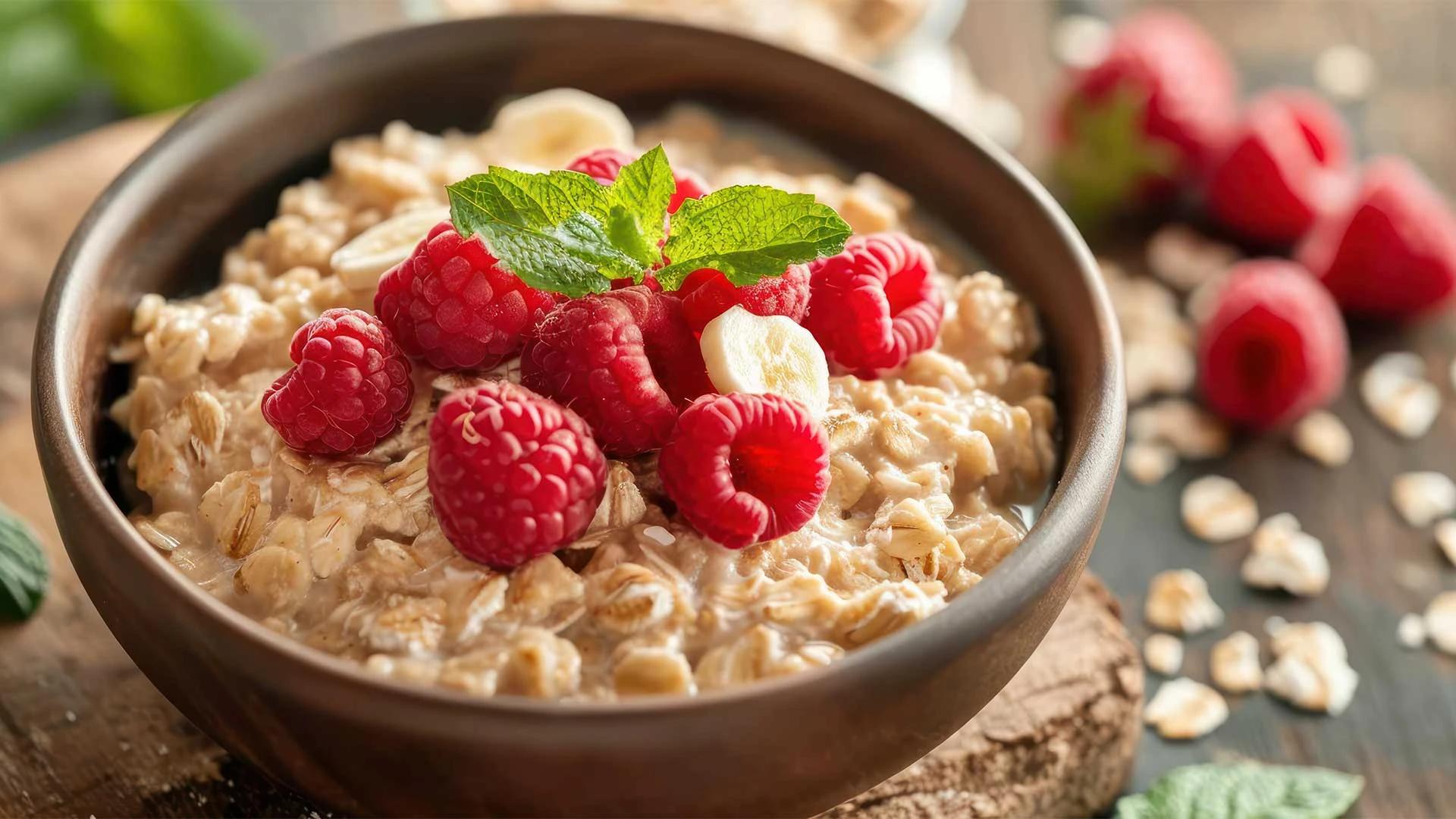
Barley and oats contain beta-glucan, a type of soluble fibre that feeds beneficial bacteria whilst helping to lower cholesterol. Flaxseeds provide both prebiotic fibres and omega-3 fatty acids. The key is choosing whole, minimally processed grains rather than refined versions.
Resistant starch from cooled potatoes, rice, and pasta also acts as a prebiotic. This means your leftover potato salad might actually be better for your gut than fresh hot chips.
Aim for 25-35 grams of total fibre daily, with a good portion coming from prebiotic sources. Start slowly if you're not used to high-fibre foods—your gut bacteria need time to adjust. Gradually increase your intake over several weeks to avoid digestive discomfort.
Understanding the specific benefits of prebiotics and benefits of probiotics helps you choose the right approach for your health goals. Both support gut health, but they shine in different areas.
Research shows that specific probiotic strains can help manage IBS symptoms, reduce the duration of diarrhoea, and support immune function. Some studies suggest certain probiotics may help with mood regulation through the gut-brain axis, though more research is needed.
Probiotics might also support weight management by influencing how your body processes food and stores fat. However, these benefits are often strain-specific, meaning the type of bacteria matters as much as the quantity.
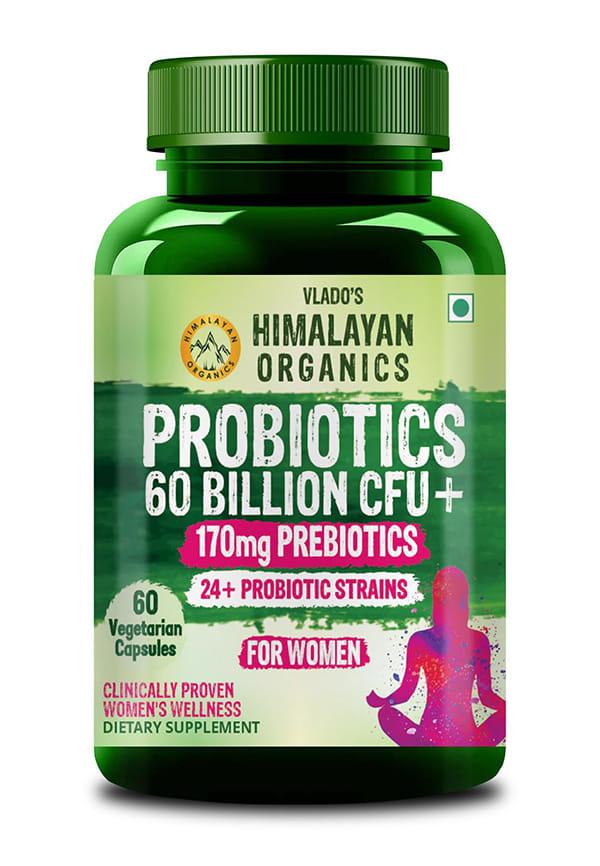
Probiotics Supplement 60 Billion CFU+ Gut Health Supplements
Prebiotics excel at enhancing mineral absorption, particularly calcium and magnesium. They can help regulate blood sugar levels by slowing digestion and improving insulin sensitivity. Some prebiotic fibres also help lower cholesterol levels and support heart health.
The long-term stability benefits of prebiotics are particularly impressive. By consistently feeding your existing beneficial bacteria, you're supporting a more stable, resilient gut microbiome over time.
Let's be real—individual responses to both prebiotics and probiotics vary significantly. What works brilliantly for your mate might not work the same way for you. Most benefits become noticeable after several weeks of consistent consumption, not overnight.
Choosing between prebiotics and probiotics isn't about picking a winner—it's about understanding your unique situation and health goals. Your gut microbiome is as individual as you are, and your approach should be too.
If you're experiencing digestive issues like bloating, irregular bowel movements, or have recently taken antibiotics, probiotics might help restore balance. Signs that you might benefit from probiotics include frequent digestive discomfort, recent illness, or a diet low in fermented foods.
On the other hand, if your digestion is generally stable but you want to optimise your gut health, prebiotics might be your best bet. Poor fibre intake, infrequent vegetable consumption, or wanting to support long-term gut health are all indicators that prebiotics could be beneficial.
For weight management, prebiotics might have a slight edge due to their ability to increase satiety and regulate blood sugar. If you're dealing with specific digestive conditions, certain probiotic strains have been researched for targeted benefits.
For general wellness and prevention, a combination approach often works best. Think of it as both feeding your existing beneficial bacteria and occasionally introducing new helpful strains.
Children's developing microbiomes might benefit more from gentle prebiotic foods, whilst adults recovering from illness might need probiotic support. Seniors often benefit from both approaches, as gut bacteria diversity tends to decrease with age.
Why choose when you can have both? The smartest approach to gut microbiome foods often involves combining prebiotics and probiotics for maximum benefit. This synergistic approach, called synbiotics, can amplify the positive effects of both.
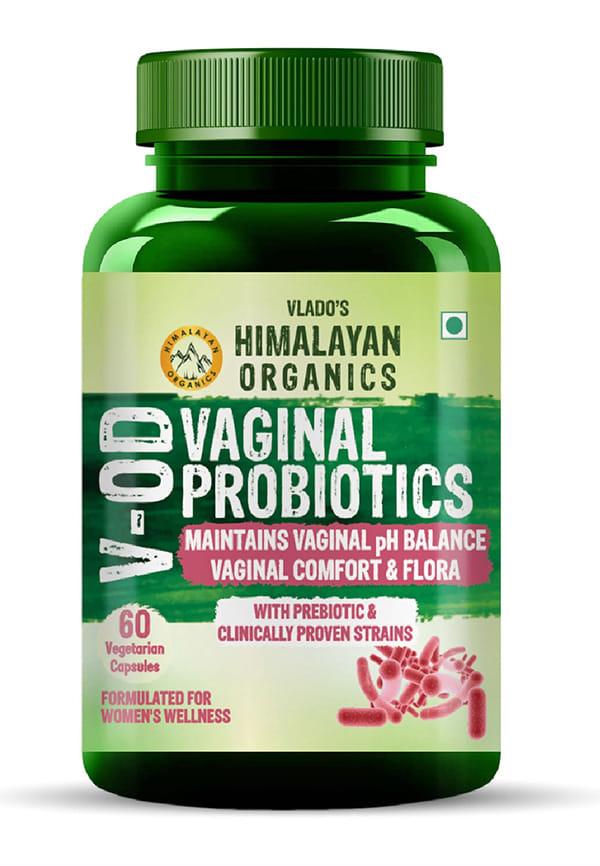
Vaginal Probiotics for Women pH Balance with Prebiotics
Some foods naturally contain both prebiotics and probiotics. Kefir made with prebiotic-rich milk, yoghurt topped with berries and flaxseeds, or kimchi served with barley create powerful combinations. These pairings ensure that the beneficial bacteria have both the environment and the food they need to thrive.
Timing can enhance absorption too. Having prebiotic foods alongside or shortly after probiotic foods gives the beneficial bacteria immediate fuel to help them establish themselves in your gut.
Start by incorporating one or two gut health foods into your daily routine rather than overhauling your entire diet. Add yoghurt to your breakfast, include garlic and onions in your cooking, or snack on an apple with the skin on. Small, consistent changes often lead to better long-term results than dramatic dietary shifts.
Seasonal rotation keeps things interesting and ensures variety in your gut bacteria food sources. Summer berries, autumn apples, winter root vegetables, and spring asparagus all offer different prebiotic fibres throughout the year.
Don't go from zero to hero overnight with fibre intake—your gut bacteria need time to adjust. Sudden increases in prebiotic foods can cause gas, bloating, and discomfort. Similarly, don't expect immediate results. Gut health improvements typically take weeks to months, not days.
Avoid conflicting approaches like taking antibiotics whilst trying to establish new probiotic bacteria, or consuming highly processed foods that can undo the benefits of your gut health efforts.
Foods high in prebiotics include bananas, barley, oats, asparagus, garlic, onions, berries, leeks, and flaxseeds. Probiotic-rich foods include yoghurt with live cultures, kefir, kimchi, sauerkraut, miso, and kombucha. You can combine these foods for maximum gut health benefits.
Research suggests prebiotics may have more consistent beneficial effects for most people, as they feed your existing gut bacteria. Probiotics can be helpful for specific conditions but aren't always necessary if you have a healthy, diverse diet rich in prebiotic fibres.
Signs include regular gas, bloating, or stomach discomfort, constipation or irregular bowel movements, frequent colds or infections, and poor dietary fibre intake. If you're eating less than five servings of fruits and vegetables daily, you're likely not getting enough prebiotic fibres.
Absolutely! Combining prebiotic and probiotic foods is safe and often more effective than consuming them separately. The prebiotics provide immediate fuel for the beneficial bacteria, helping them establish and thrive in your gut environment.
Your gut health journey is uniquely yours, and the choice between prebiotic vs probiotic foods doesn't have to be an either-or decision. Both approaches offer distinct benefits: probiotics introduce beneficial bacteria whilst prebiotics feed the good bacteria you already have. The most effective strategy often combines both, creating a thriving ecosystem in your gut.
Start small, be consistent, and listen to your body. Whether you choose fermented foods, fibre-rich vegetables, or a combination of both, the key is finding an approach that fits your lifestyle and health goals. Just like discovering your perfect skincare routine or finding that ideal fragrance, exploring gut health foods is about trial and discovery.
Speaking of discovery, platforms like Smytten make it easier to explore new wellness products and brands without the commitment of full-size purchases. With over 1,500 trusted brands and the ability to try products before buying, you can discover what works for your unique needs. After all, why settle for 'maybe' when you can #TryItAll and find what truly supports your health journey?
