How to Brew Ginger Tea for Maximum Health Benefits
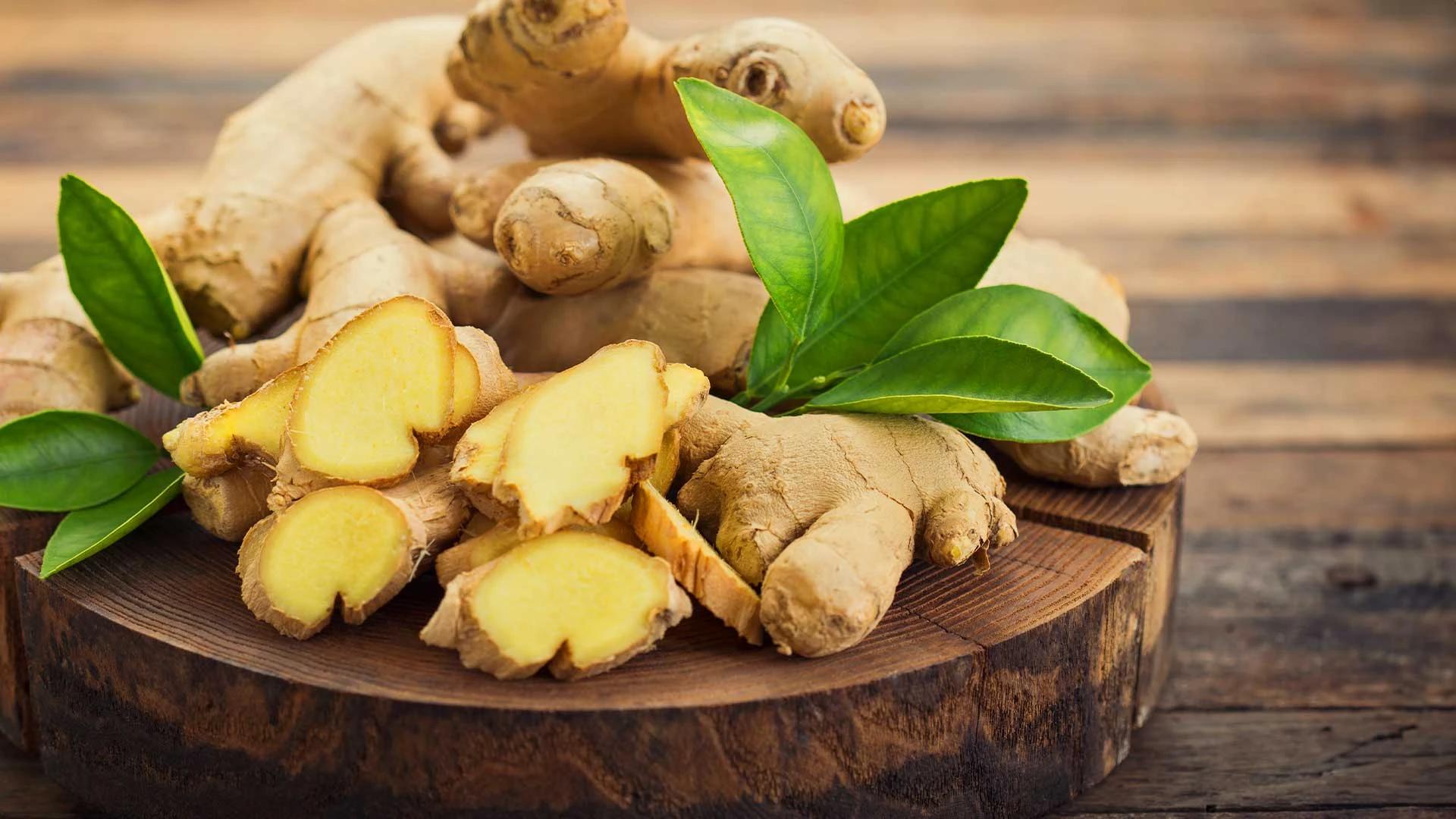


Honey Ginger Tea
Let's be real—ginger tea isn't just another trendy wellness drink. This golden brew has been soothing stomachs and boosting health for thousands of years, and there's proper science backing up why your nan was right about reaching for ginger when you felt rough. From calming nausea to fighting inflammation, ginger tea benefits go way beyond just warming you up on a chilly day. The best part? You can brew the perfect cup at home without any fancy equipment. Ready to discover how this simple root can become your go-to wellness companion?
Here's what makes ginger tea such a powerhouse—it's packed with bioactive compounds that actually do something in your body. The star players are gingerol, shogaol, and zingerone, which sound like characters from a sci-fi film but are actually the compounds responsible for ginger's impressive health benefits.
Gingerol is the main active ingredient when ginger is fresh, giving it that distinctive spicy kick and most of its anti-inflammatory properties. When you heat ginger (like when brewing tea), some gingerol converts to shogaol, which is even more potent for pain relief and digestive support. These compounds work by blocking inflammatory pathways in your body and supporting your digestive system's natural processes.
Research shows that these benefits of ginger aren't just folklore—they're backed by proper clinical studies. The compounds in ginger tea can help reduce inflammatory markers, support healthy digestion, and even help regulate blood sugar levels. Your body absorbs these beneficial compounds efficiently when consumed as tea, making it one of the most effective ways to get ginger's health benefits.
Right, let's dive into what ginger tea benefits can actually do for you. These aren't just feel-good claims—they're backed by research and centuries of traditional use.
This is probably ginger's most famous talent. Ginger for nausea works by affecting serotonin receptors in your digestive system, which helps calm that queasy feeling. Whether it's morning sickness, motion sickness, or post-surgery nausea, ginger tea can be a gentle, natural solution.
Ginger tea for digestion is brilliant because it stimulates digestive enzymes and helps food move through your system more efficiently. It can ease bloating, gas, and that uncomfortable full feeling after meals. Plus, it supports healthy gut bacteria, which is essential for overall wellness.
Ginger tea for inflammation works throughout your body, potentially helping with everything from joint pain to muscle soreness. The anti-inflammatory compounds in ginger can help reduce markers of inflammation in your blood, supporting overall health and recovery.
Regular ginger tea consumption may help strengthen your immune response. The antioxidants in ginger help protect your cells from damage, whilst its antimicrobial properties can support your body's natural defences against infections.
Some studies suggest that ginger can help improve insulin sensitivity and support healthy blood sugar levels. This makes ginger tea a smart choice for anyone looking to maintain stable energy throughout the day.
Making homemade ginger tea is dead simple, but getting it right makes all the difference for maximising those health benefits. Here's how to brew the perfect cup every time.
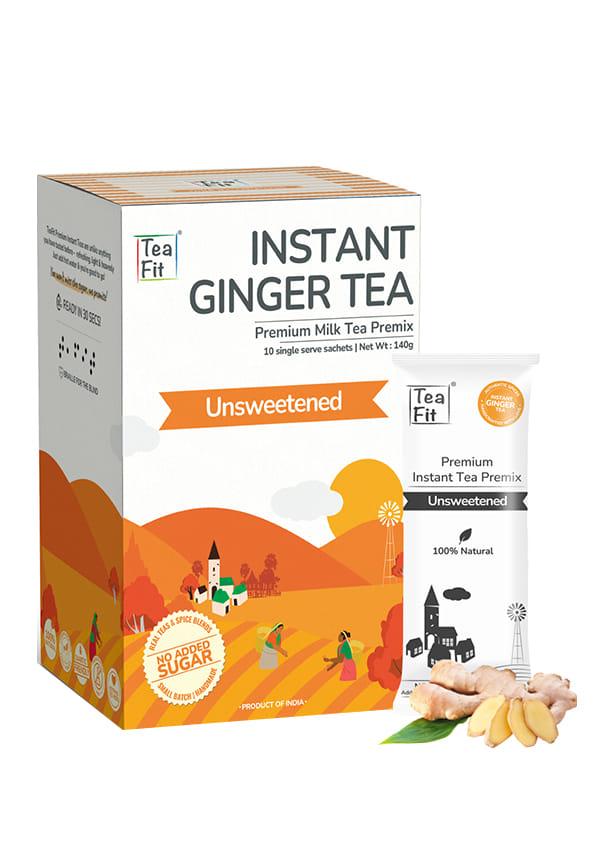
Ginger Instant Tea Premix Unsweetened
Fresh ginger root is your best bet for maximum benefits and flavour. It contains higher levels of gingerol and gives you that proper spicy warmth. Dried ginger works too, but you'll need less of it as the flavours are more concentrated.
You'll need fresh ginger root (about 1-2 inches), water, a sharp knife or grater, and a saucepan. Optional extras include honey, lemon, or turmeric for added flavour and benefits.
Start by peeling and slicing your fresh ginger into thin pieces—the thinner, the better for releasing those beneficial compounds. Bring 2 cups of water to a boil, add your ginger slices, then reduce heat and simmer for 10-15 minutes. The longer you simmer, the stronger your ginger tea will be.
Strain out the ginger pieces and pour into your favourite mug. Add honey or lemon to taste if you fancy. The key is finding that sweet spot where it's strong enough to be effective but not so spicy that it's unpleasant to drink.
For summer or if you prefer a milder flavour, try cold brewing. Add sliced fresh ginger to cold water and let it steep in the fridge for 4-6 hours. This method extracts the beneficial compounds more gently, resulting in a smoother, less spicy tea.
For hot brewing, keep your water at a gentle simmer rather than a rolling boil—this preserves more of the beneficial compounds. Ten to fifteen minutes is the sweet spot for extracting maximum benefits without making it too intense.
Different situations call for different approaches to your wellness tea routine. Here's how to tailor your ginger tea consumption for specific health needs.
For travel, sip ginger tea about 30 minutes before your journey and keep a thermos handy for longer trips. The key is starting before you feel sick—prevention works better than treatment with ginger for nausea.
If you're dealing with bloating or indigestion, drink ginger tea for digestion about 20-30 minutes before meals. This gives your digestive system time to prep and can help prevent discomfort before it starts.
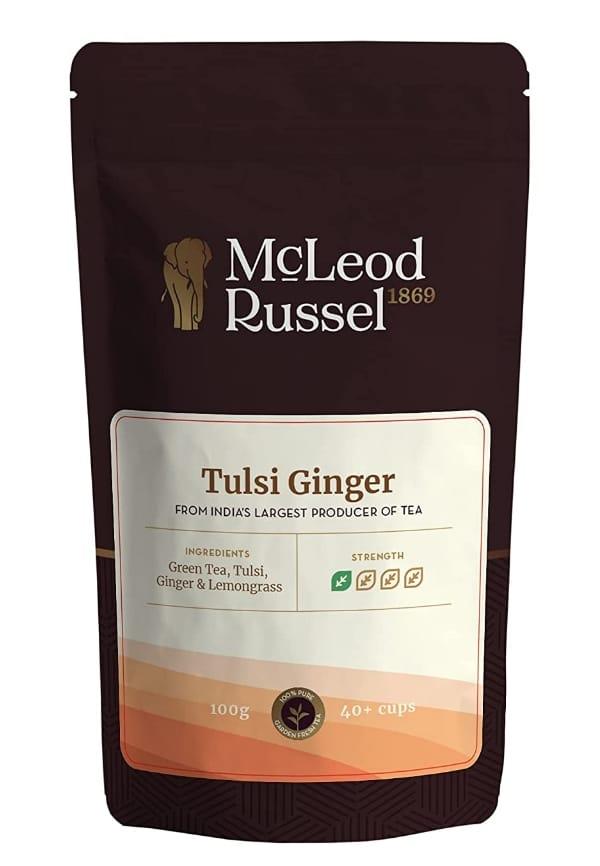
Tulsi Ginger
When you're feeling under the weather, add honey and lemon to your ginger tea. The combination provides immune support, soothes your throat, and the warmth helps clear congestion.
Whilst ginger tea is generally safe for most people, it's worth knowing about potential ginger tea side effects and who should be cautious.
People with gallstones should avoid large amounts of ginger as it can increase bile production. If you have bleeding disorders or take blood-thinning medications, chat with your doctor first as ginger can affect blood clotting.
Ginger can interact with certain medications, particularly blood thinners like warfarin. It may also affect diabetes medications by lowering blood sugar. Always check with your healthcare provider if you're on any medications.
Stick to no more than 4 grams of ginger per day—that's roughly equivalent to 2-3 cups of moderately strong ginger tea. More isn't always better, and too much can cause heartburn or stomach upset.
Pregnant women can generally enjoy ginger tea for morning sickness, but should limit intake to 1 gram per day and consult their healthcare provider first. It's particularly helpful during the first trimester but should be used mindfully.
Getting the most from your herbal tea benefits is about more than just brewing—it's about timing, combinations, and making it part of your routine.
Morning is brilliant for kickstarting digestion and metabolism. Before meals helps with digestive prep, and evening can be soothing if you go easy on the ginger to avoid it keeping you awake.
Turmeric and ginger make a powerful anti-inflammatory duo. Lemon adds vitamin C and enhances absorption of ginger's compounds. Mint can help if straight ginger is too intense for your taste.
Start with one cup daily and see how your body responds. Some people love it first thing in the morning, others prefer it after meals. Find what works for your lifestyle and stick with it—consistency is key for seeing benefits.

Spicy Tea Combo (Natural Extract Of Ginger & Cardamon)
Just like discovering your perfect skincare routine, finding the right wellness products takes a bit of trial and exploration. Smytten understands this journey—as India's largest product discovery platform, they've helped over 25 million users explore everything from skincare to wellness products through curated trial packs. Whether you're discovering new herbal teas or exploring other wellness products, the ability to try before committing to full sizes makes all the difference in building a routine that actually works for you.
Regular ginger tea consumption can support digestive health, reduce inflammation, and boost your immune system. Most people notice improved digestion within a few days, whilst anti-inflammatory benefits build up over weeks of consistent use.
One to three cups daily is ideal for most people. Start with one cup and increase gradually. Each cup should contain about 1-2 grams of fresh ginger to stay within safe daily limits.
Tea allows for better absorption and is gentler on your stomach. Plus, you can control the strength and combine it with other beneficial ingredients like honey or lemon. Supplements are more concentrated but may cause stomach upset in some people.
Ginger tea may support weight management by boosting metabolism, improving digestion, and helping regulate blood sugar levels. However, it's not a magic solution—it works best as part of a balanced diet and active lifestyle.
Digestive benefits often appear within 30 minutes to a few hours. Anti-inflammatory effects typically develop over 1-2 weeks of regular consumption. Immune support benefits build gradually over several weeks.
Yes, but start with a milder brew if you have a sensitive stomach. Some people find ginger tea on an empty stomach helps with nausea, whilst others prefer it after eating to aid digestion.
Morning is excellent for metabolism and digestion. Before meals helps prep your digestive system. Avoid strong ginger tea late evening as it might be too stimulating for sleep.
Ginger tea isn't just another wellness trend—it's a time-tested, science-backed way to support your health naturally. From soothing nausea to fighting inflammation, the ginger tea benefits are impressive and achievable with a simple daily routine. The beauty lies in its simplicity: fresh ginger, hot water, and a few minutes of your time.
Remember, the best ginger tea recipe is the one you'll actually stick with. Whether you prefer it strong and spicy or mild and soothing, consistency matters more than perfection. Start small, listen to your body, and adjust as needed. With over 100 million trial experiences delivered, Smytten knows that finding what works for you is a journey worth taking—and ginger tea might just become your next favourite wellness discovery.
