How to Boost Your Metabolism for Effective Weight Loss


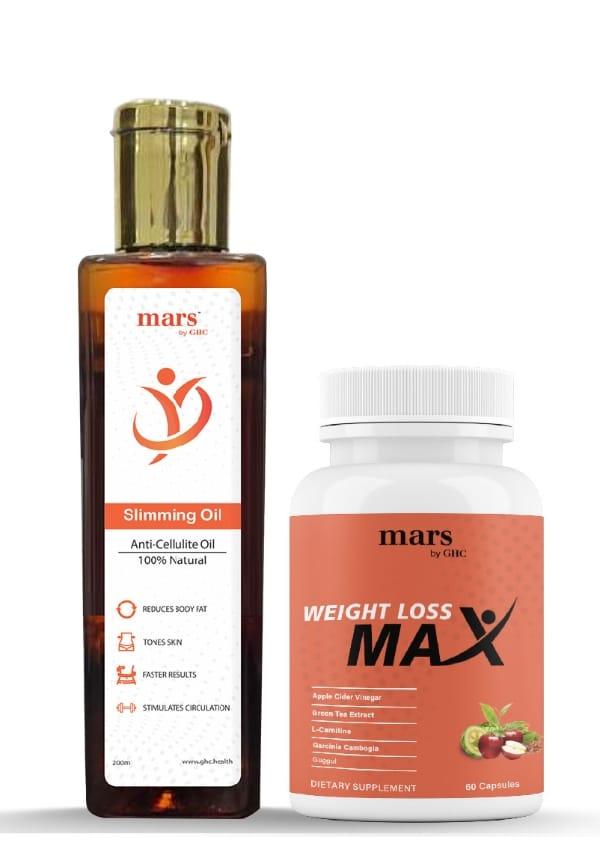
Weight loss combo
Let's be real—metabolism feels like one of those mysterious body functions that either works for you or against you. You've probably heard friends say they can eat anything without gaining weight because of their "fast metabolism," whilst others blame their "slow metabolism" for weight struggles. But here's the thing: understanding metabolism and weight management isn't about accepting your fate. It's about learning how your body actually works and using science-backed strategies to optimise your metabolic rate for sustainable weight loss. Ready to discover what really moves the needle?
Think of your metabolism as your body's internal engine—it's constantly burning fuel (calories) to keep everything running smoothly. But unlike a car engine, your metabolic rate isn't fixed. It's influenced by everything from your muscle mass to your daily habits, and the brilliant news is that you have more control over it than you might think.
Your metabolic rate is essentially how many calories your body burns in a day. It's made up of several components: your Basal Metabolic Rate (BMR)—the calories needed for basic functions like breathing and circulation—and your Total Daily Energy Expenditure (TDEE), which includes everything from exercise to fidgeting.
The relationship between metabolism and calorie deficit is straightforward: when you burn more calories than you consume, you lose weight. But here's where it gets interesting—a higher metabolic rate means you can eat more whilst still maintaining that calorie deficit. It's like having a bigger budget to work with.
One common misconception? That some people are just blessed with a "fast" metabolism whilst others are stuck with a "slow" one. Research shows that metabolic differences between people of similar size are usually only about 200-300 calories per day—significant, but not insurmountable.
Your body composition plays a massive role here. Muscle tissue is metabolically active, burning calories even when you're binge-watching your favourite series. Fat tissue? Not so much. This is why strength training is such a game-changer for long-term weight management.
Age does slow metabolism slightly—about 2-3% per decade after 30—but this is largely due to muscle loss, not an inevitable biological slowdown. Genetics matter too, but they're not destiny. Hormones like thyroid hormones and insulin also influence how efficiently your body burns calories.
Now for the good stuff—the strategies that actually work. These aren't quick fixes or miracle solutions, but proven methods that can genuinely boost your metabolic rate over time. The key is consistency and patience, because real metabolic changes take time to develop.
Here's your metabolism's best friend: muscle tissue. Every kilogram of muscle burns approximately 13 calories per day at rest, compared to just 4.5 calories for fat tissue. That might not sound like much, but it adds up quickly.
Aim for strength training at least twice per week, focusing on compound movements like squats, deadlifts, and push-ups that work multiple muscle groups. Progressive overload—gradually increasing weight, reps, or intensity—is crucial for continued metabolic benefits.
Don't worry about "bulking up"—building lean muscle creates that toned look most people want whilst significantly boosting your metabolic rate. It's like upgrading your body's engine to a more powerful model.
Did you know that digesting food actually burns calories? It's called the thermic effect of food, and protein is the superstar here. Your body uses 20-30% of protein calories just to digest and process it, compared to 5-10% for carbs and 0-3% for fats.
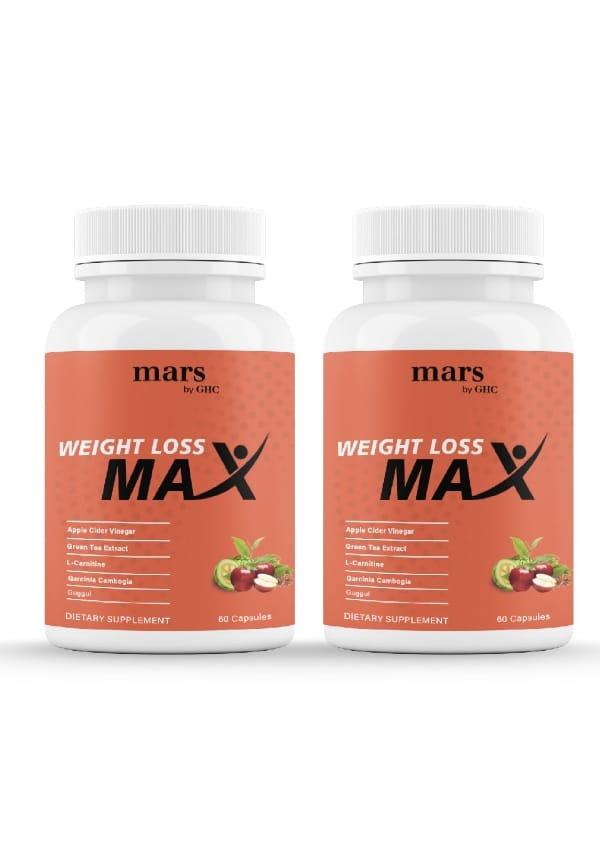
Weight Loss Max
This doesn't mean going full carnivore, but it does mean prioritising protein at each meal. Aim for 1.6-2.2 grams per kilogram of body weight daily, spread throughout the day for optimal muscle protein synthesis.
Certain foods can also give your metabolism a temporary boost through thermogenesis. Green tea, chilli peppers, and coffee contain compounds that can increase calorie burn for a few hours after consumption.
NEAT is the calories you burn through all the movement that isn't formal exercise—fidgeting, maintaining posture, and daily activities. It can vary by up to 800 calories per day between individuals, making it a massive factor in weight management.
Simple strategies include taking phone calls whilst walking, using a standing desk for part of your day, parking further away, or taking the stairs. These small changes add up to significant calorie burn over time.
Your diet plan needs to support your metabolism, not sabotage it. This means finding the sweet spot between creating a calorie deficit for weight loss whilst providing enough fuel to maintain your metabolic rate. It's about working with your body, not against it.
The magic number for sustainable weight loss is a 500-750 calorie daily deficit, which typically leads to 0.5-0.75 kg of weight loss per week. This approach preserves muscle mass and prevents the metabolic slowdown that comes with extreme calorie restriction.
Avoid the temptation of very low-calorie diets. When you drastically cut calories, your body responds by slowing metabolism to conserve energy—exactly the opposite of what you want. Calculate your personal calorie needs using online calculators or consult a nutritionist for accuracy.
Meal timing matters less than total daily intake, but consistency helps regulate hunger hormones and energy levels. Whether you prefer three meals plus snacks or intermittent fasting, stick to a pattern that works for your lifestyle.
Hydration plays a crucial role too. Even mild dehydration can slow metabolism by 2-3%. Aim for at least 8 glasses of water daily, more if you're active or live in a hot climate.
Exercise isn't just about burning calories during your workout—it's about creating lasting metabolic changes that keep you burning more calories throughout the day. The right combination of training styles can transform your body into a more efficient calorie-burning machine.
High-Intensity Interval Training (HIIT) creates something called Excess Post-Exercise Oxygen Consumption (EPOC)—your body continues burning extra calories for hours after your workout ends. It's like getting bonus calorie burn whilst you're back to your normal routine.
Effective HIIT sessions can be as short as 15-20 minutes, making them perfect for busy schedules. Try alternating 30 seconds of intense effort with 90 seconds of recovery, repeated 8-10 times.
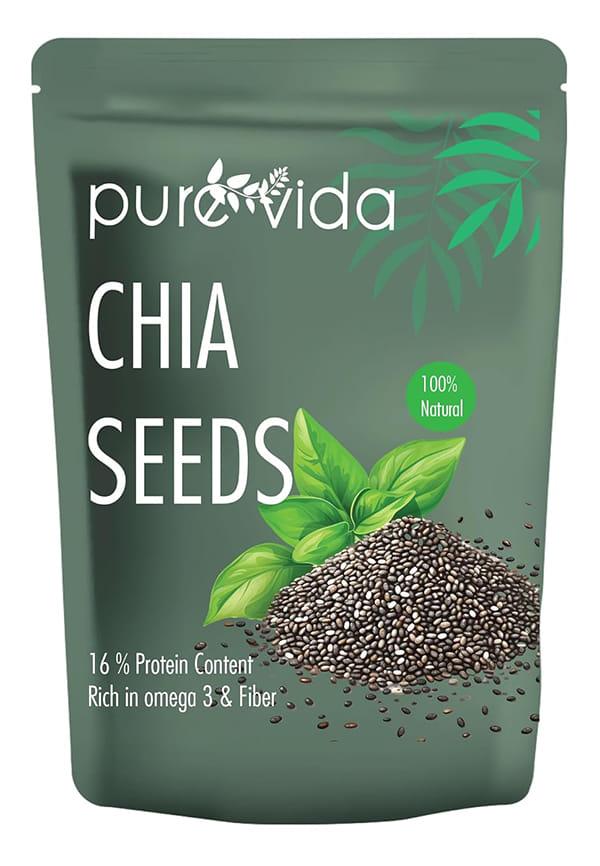
Raw Chia Seeds | Superfood for Weight Management
Don't overlook the power of steady-state cardio. Activities like brisk walking, swimming, or cycling at a moderate pace for 30-45 minutes can significantly improve your overall metabolic health and insulin sensitivity.
Aim for 120-150 minutes of moderate aerobic exercise weekly, as recommended by health guidelines. This builds your aerobic base and helps your body become more efficient at using fat for fuel.
Your metabolism doesn't exist in isolation—it's influenced by every aspect of your lifestyle. Sleep, stress, and daily habits all play crucial roles in determining how efficiently your body burns calories and manages weight.
Poor sleep is like putting the brakes on your metabolism. Just one night of inadequate sleep can reduce insulin sensitivity and increase hunger hormones like ghrelin whilst decreasing satiety hormones like leptin.
Prioritise 7-8 hours of quality sleep nightly. Create a consistent bedtime routine, keep your bedroom cool and dark, and avoid screens for at least an hour before bed. Your metabolism will thank you with better appetite control and more efficient calorie burning.
Chronic stress elevates cortisol levels, which can slow metabolism and promote fat storage, particularly around the midsection. It's not just about feeling stressed—it's about how that stress physically affects your body's ability to manage weight.
Incorporate stress-reduction techniques like meditation, yoga, deep breathing exercises, or simply spending time in nature. Even 10 minutes of mindful breathing daily can help regulate cortisol levels and support healthy metabolism.
The wellness world is full of promises about metabolism boosters and quick fixes, but most of these claims don't hold up to scientific scrutiny. Understanding what doesn't work is just as important as knowing what does, especially when you're investing time and energy into your health journey.
Most "metabolism-boosting" supplements have minimal scientific backing. Even those with some evidence, like green tea extract or caffeine, only provide modest and temporary increases in metabolic rate—usually less than 100 calories per day.
Save your money and focus on the strategies that actually work: building muscle, staying active, eating adequate protein, and getting quality sleep. These lifestyle changes provide far greater metabolic benefits than any supplement ever could.
Weight loss plateaus are normal and expected. As you lose weight, your body requires fewer calories to function, so what once created a deficit may now be maintenance calories. This is metabolic adaptation, not failure.
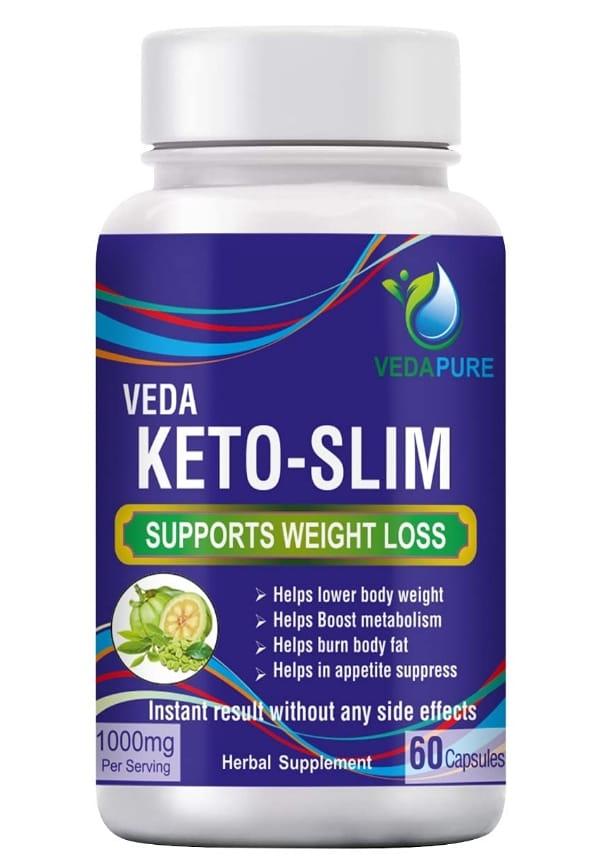
Keto Slim Supports Weight Loss Green Tea & Coffee
When progress stalls, reassess your calorie intake, increase your activity level, or consider taking a brief diet break to reset your metabolism. Remember, sustainable weight loss is rarely linear—it's about the long-term trend, not daily fluctuations.
This is where platforms like Smytten become valuable for your wellness journey. As India's largest product discovery platform, Smytten connects you with trusted wellness brands like True Elements and others, offering curated trial packs that let you explore nutritious foods and wellness products before committing to full-size purchases. With trial packs available for just ₹249 and 100% cashback redeemable for future orders, you can discover products that support your metabolic health without the guesswork.
Metabolism determines how many calories your body burns daily. A higher metabolic rate allows for more food intake whilst maintaining weight, whilst building muscle through exercise significantly boosts your basal metabolic rate for long-term weight management success.
Focus on strength training to build metabolically active muscle, maintain a moderate calorie deficit, prioritise protein intake, and stay consistently active throughout the day. Avoid extreme dieting which can further slow metabolism.
Indicators include maintaining weight despite higher calorie intake, feeling warm frequently, high energy levels, and the ability to build muscle relatively easily. However, lifestyle factors have more impact than genetic metabolic rate.
Initial changes in energy and appetite control can occur within 2-4 weeks of consistent strength training and proper nutrition. Significant metabolic adaptations typically develop over 8-12 weeks of sustained effort.
Protein has the highest thermic effect, using 20-30% of its calories for digestion. Spicy foods, green tea, and coffee can provide temporary metabolic boosts, but the effects are modest compared to building muscle and staying active.
Metabolic damage is largely reversible. Whilst extreme dieting can slow metabolism temporarily, returning to adequate calorie intake and building muscle through strength training can restore and even improve metabolic rate over time.
Boosting your metabolism for effective weight loss isn't about finding a magic bullet or perfect supplement—it's about understanding how your body works and consistently applying science-backed strategies. Building muscle through strength training, eating adequate protein, staying active throughout the day, and prioritising sleep and stress management form the foundation of a healthy, efficient metabolism.
Remember, sustainable weight loss is a marathon, not a sprint. The strategies that work are often simple but require consistency and patience. Focus on creating habits you can maintain long-term rather than pursuing quick fixes that promise unrealistic results.
Your metabolism is more adaptable than you might think. With the right approach, you can transform your body into a more efficient calorie-burning machine whilst improving your overall health and energy levels. Start with one or two strategies from this guide, master them, then gradually add others. Your future self will thank you for taking this science-based approach to metabolism and weight management.
