How to Boost Skin Health Through Gut Microbiome
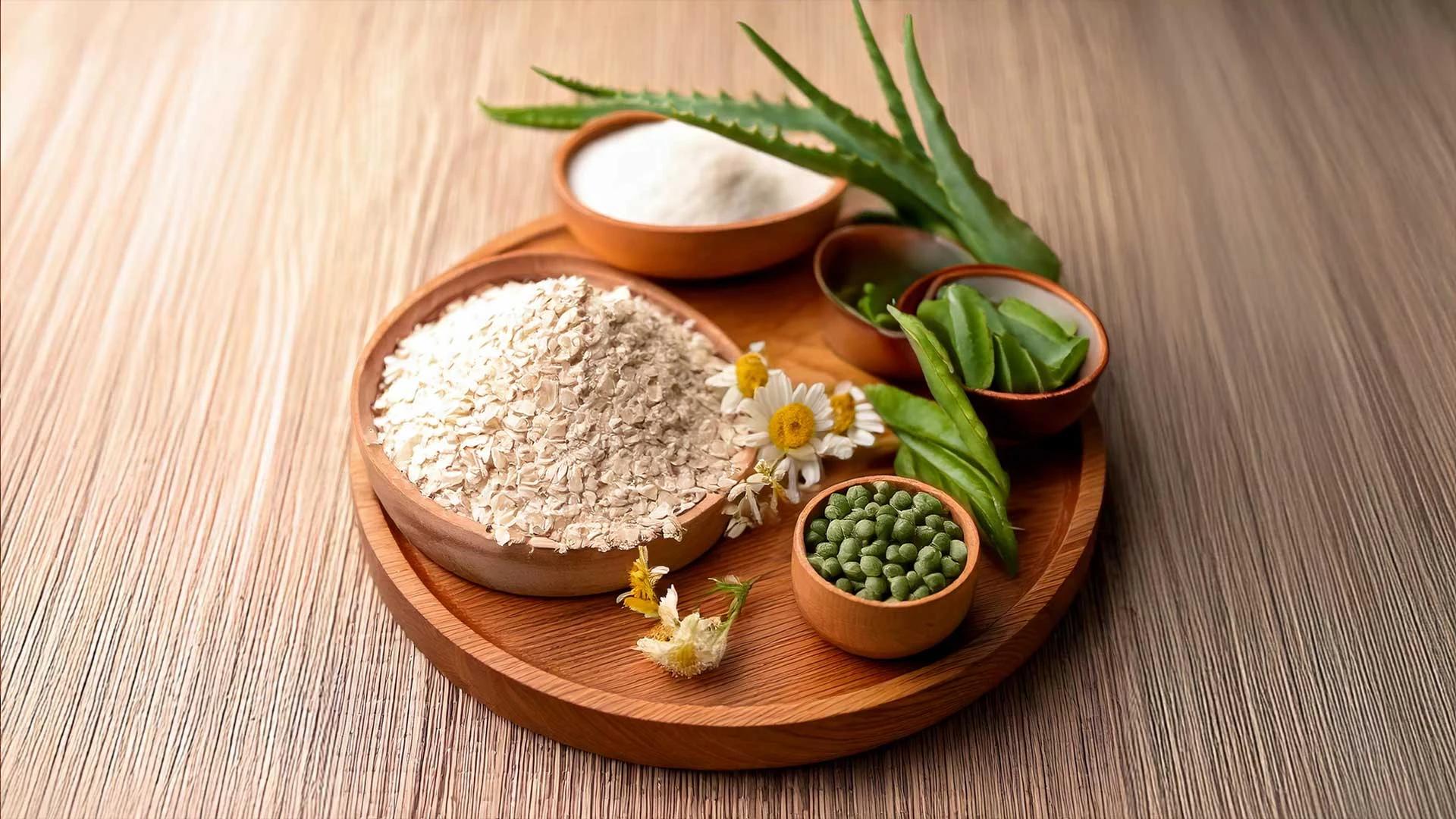

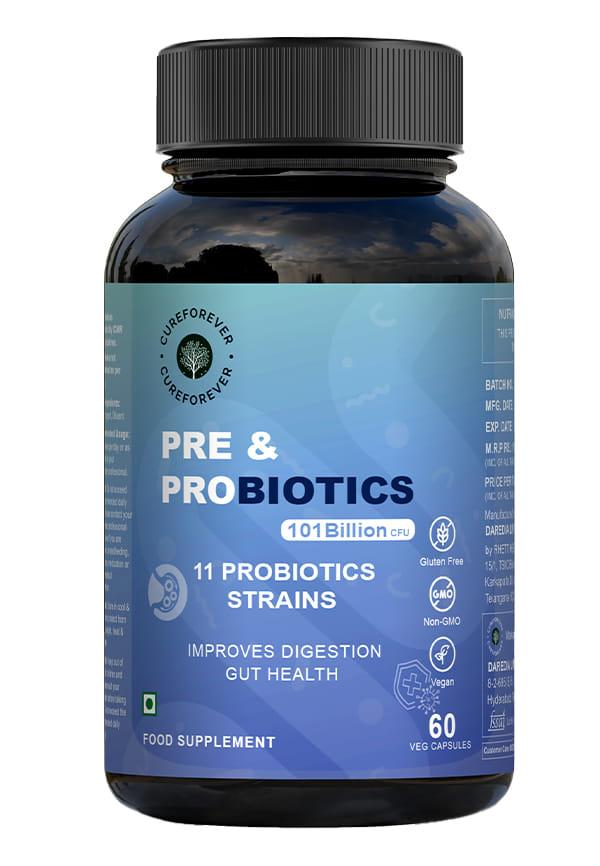
Prebiotics & Probiotics
Ever wondered why your skin acts up when your stomach feels off? That connection isn't just in your head—it's science. The relationship between gut health and skin is real, and it's changing how we think about achieving that glow we're all after. Your digestive system and skin are constantly chatting through what scientists call the gut-skin axis, and when that conversation goes smoothly, your skin shows it. Let's dive into how nurturing your gut microbiome might just be the secret to unlocking your best skin yet.
Your gut and skin are basically best mates who never stop texting each other. This communication highway, known as the gut-skin axis, is a fascinating network that links your digestive health directly to your skin health. Think of it as your body's internal group chat where your gut bacteria, immune system, and skin are constantly sharing updates.
The gut-skin axis is essentially a two-way street where your gut microbiome and skin microbiome influence each other through various pathways. Your gut bacteria produce metabolites—tiny chemical messengers—that travel through your bloodstream and affect your skin's barrier function. When your gut is happy with diverse, beneficial bacteria, it produces short-chain fatty acids that help keep inflammation in check and support your skin's natural defences.
When your gut microbiome is out of balance (scientists call this dysbiosis), it can trigger systemic inflammation throughout your body. This inflammatory response doesn't stay put—it travels to your skin, potentially causing breakouts, sensitivity, or other skin concerns. Research shows that people with diverse gut bacteria tend to have stronger skin barriers and less inflammatory skin conditions. Your gut bacteria also help regulate your immune system, which plays a crucial role in maintaining healthy skin.
Your skin often acts like a mirror, reflecting what's happening inside your digestive system. When your gut health is compromised, various skin conditions can pop up as your body's way of signalling that something needs attention.
That stubborn acne might be more connected to your gut than you think. High-sugar and dairy-heavy diets can disrupt your gut bacteria balance, leading to hormonal fluctuations that affect sebum production. When your gut microbiome is out of whack, it can increase insulin-like growth factor-1, which stimulates oil production and can contribute to clogged pores.
Conditions like eczema often have strong ties to gut health. When your gut barrier becomes compromised (sometimes called 'leaky gut'), it can allow particles to enter your bloodstream that shouldn't be there. This triggers an immune response that can manifest as skin inflammation, itching, and the characteristic patches associated with eczema. Studies have shown that people with eczema often have less diverse gut bacteria compared to those with clear skin.
Poor digestive health can also accelerate skin ageing. When your gut isn't absorbing nutrients properly, your skin misses out on the vitamins and minerals it needs for collagen production and cell regeneration. Chronic inflammation from gut imbalances can also break down existing collagen, leading to fine lines and loss of skin elasticity.
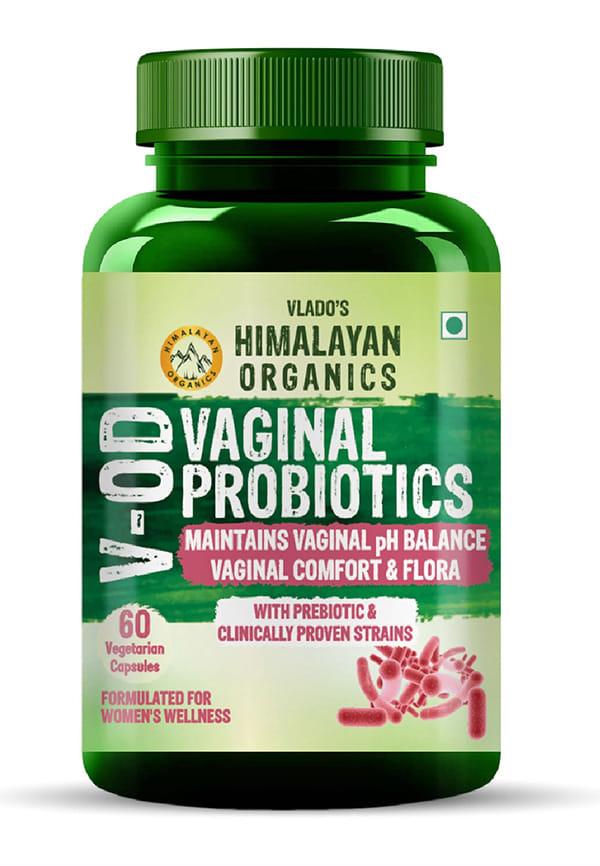
Vaginal Probiotics for Women pH Balance with Prebiotics
What you eat directly influences both your gut microbiome and skin health. The good news? Many foods that support your digestive system also happen to be brilliant for your complexion.
Fibre is basically food for your good gut bacteria. When you eat plenty of vegetables, fruits, and whole grains, you're feeding the beneficial bacteria that help keep your skin clear. Aim for at least 25-30 grams of fibre daily from sources like leafy greens, berries, and legumes. These prebiotic foods help your gut bacteria produce those skin-loving short-chain fatty acids we mentioned earlier.
Fermented foods are like sending reinforcements to your gut army. Yoghurt, kefir, kimchi, and sauerkraut contain live probiotics for skin health that can help restore balance to your microbiome. Start with small portions—about a tablespoon of fermented vegetables or half a cup of yoghurt daily—and gradually increase as your system adjusts.
Omega-3 rich foods like fatty fish, walnuts, and flaxseeds help reduce inflammation throughout your body, including your skin. Antioxidant-packed foods like berries, dark leafy greens, and green tea support both gut and skin health by fighting free radical damage and supporting your body's natural healing processes.
Whilst food should always be your first port of call, certain supplements can provide additional support for the gut-skin connection. The key is choosing evidence-based options that actually work.
Not all probiotics are created equal when it comes to skin benefits. Look for supplements containing Lactobacillus and Bifidobacterium strains, which have been specifically studied for their skin-supporting properties. These probiotics for skin can help restore gut balance and may reduce inflammation that contributes to skin concerns.
Digestive enzymes can help ensure you're properly breaking down and absorbing nutrients that your skin needs. L-glutamine supports gut lining repair, whilst zinc plays a dual role in both digestive and skin health. These supplements can be particularly helpful if you're dealing with digestive issues that might be affecting your skin.

Melts Healthy Gut - Plant Based Probiotic
Great for Digestion
 5
5“really good for your stomach thank you”
Omega-3 supplements can provide concentrated doses of skin-supporting fatty acids, especially if you don't eat fish regularly. Curcumin, the active compound in turmeric, has been shown to support both gut and skin health through its anti-inflammatory properties.
Ready to give your gut and skin the reset they deserve? This practical approach helps you implement changes gradually whilst monitoring how your body responds.
Start by identifying and reducing foods that might be disrupting your gut health. Common culprits include highly processed foods, excess sugar, and foods you might be sensitive to. Keep a simple food diary to track how different foods make you feel, both digestively and skin-wise.
Gradually add gut-supporting foods to your meals. Try bone broth for gut lining support, introduce one new fermented food, and focus on getting plenty of colourful vegetables. Remember to increase fibre intake slowly to avoid digestive discomfort.
Beyond food, consider how stress, sleep, and movement affect your gut-skin connection. Even gentle activities like walking can support digestive health, whilst stress management techniques help prevent the inflammation that can trigger skin issues.
Your daily habits play a massive role in maintaining the delicate balance between your gut and skin health. Small changes in these areas can make a significant difference.
Chronic stress is like kryptonite for your gut bacteria. When you're constantly stressed, your body produces cortisol, which can disrupt your microbiome balance and trigger skin inflammation. Simple stress-reduction techniques like deep breathing, meditation, or even just taking a proper lunch break can help support both your digestive and skin health.
Your gut bacteria follow a circadian rhythm just like you do. Poor sleep can disrupt this natural cycle, affecting both your microbiome diversity and your skin's ability to repair itself overnight. Aim for 7-9 hours of quality sleep and try to maintain consistent sleep and wake times.
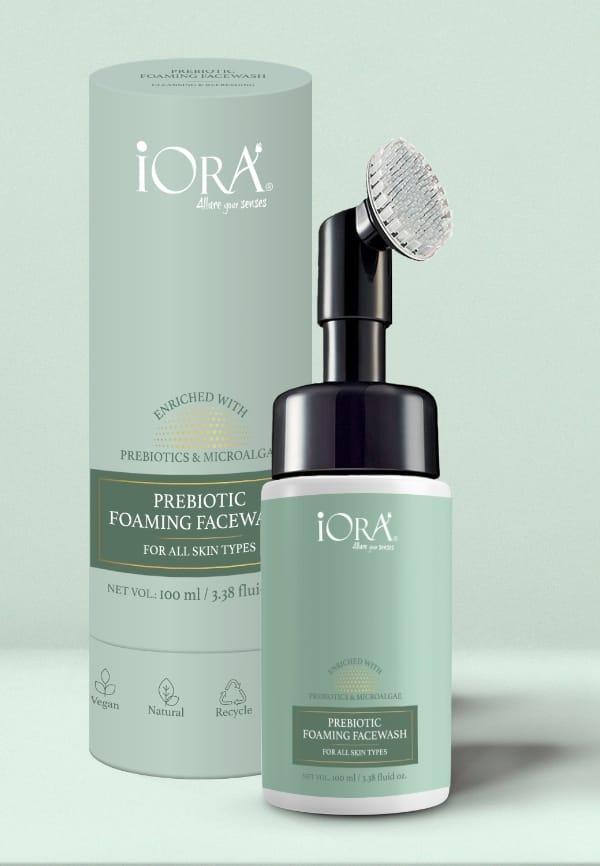
Prebiotic Foaming Facewash
Regular exercise promotes beneficial bacteria growth and helps reduce systemic inflammation. You don't need to become a gym fanatic—even moderate activities like brisk walking, yoga, or dancing can support your gut-skin axis. Just remember that too much intense exercise can sometimes increase stress hormones, so find your sweet spot. Whilst you're working on your gut health from the inside, don't forget that your skin also benefits from quality topical products. Smytten offers curated trial packs from over 1,500 trusted brands, letting you discover skincare products that work with your newly balanced skin without the commitment of full-size purchases. With options from brands like Cetaphil and Dot & Key, you can explore products that complement your gut-health journey whilst your skin adjusts to its new, healthier state.
Most people start noticing changes in their skin within 4-6 weeks of improving their gut health. However, this can vary depending on your starting point, the severity of any gut imbalances, and how consistently you stick to gut-supporting habits. Some people see improvements in just a few weeks, whilst others might need 2-3 months for significant changes.
Research suggests that certain probiotic strains can help with inflammatory skin conditions like acne and eczema. However, results vary from person to person, and probiotics work best as part of a comprehensive approach that includes dietary changes and proper skincare. It's worth trying for 8-12 weeks to see if you notice improvements.
Beyond skin improvements, you might notice better digestion, more regular bowel movements, less bloating, improved energy levels, and better mood. Your skin might become less reactive, breakouts may reduce, and you might notice a more even skin tone and texture.
Not necessarily. Whilst some people find that reducing dairy and sugar helps their skin, others can tolerate these foods just fine. The key is paying attention to your body's responses and making adjustments based on how you feel. If you suspect certain foods trigger skin issues, try eliminating them for 2-3 weeks and see if you notice improvements.
Absolutely. Chronic stress can significantly impact your gut microbiome and trigger skin inflammation. When you're stressed, your body produces hormones that can disrupt your gut bacteria balance and increase skin sensitivity. Managing stress through relaxation techniques, exercise, or other healthy outlets can genuinely improve both your digestive and skin health.
The connection between gut health and skin isn't just a wellness trend—it's backed by solid science. Your gut microbiome and skin microbiome are in constant communication, and when your digestive system is happy, your skin often follows suit. By focusing on gut-supporting foods, managing stress, getting quality sleep, and being patient with the process, you can support your skin health from the inside out. Remember, everyone's gut-skin journey is different. What works brilliantly for your mate might not be your cup of tea, and that's completely normal. The key is listening to your body, making gradual changes, and giving your system time to adjust. With over 25 million users discovering products that work for their unique needs, Smytten understands that finding the right approach—whether it's the perfect probiotic or a gentle cleanser for your newly balanced skin—shouldn't involve guesswork. After all, why settle for 'maybe' when you can try it all and find what truly works for your gut-skin journey?
