How to Boost Skin and Hair Health with Essential Vitamins
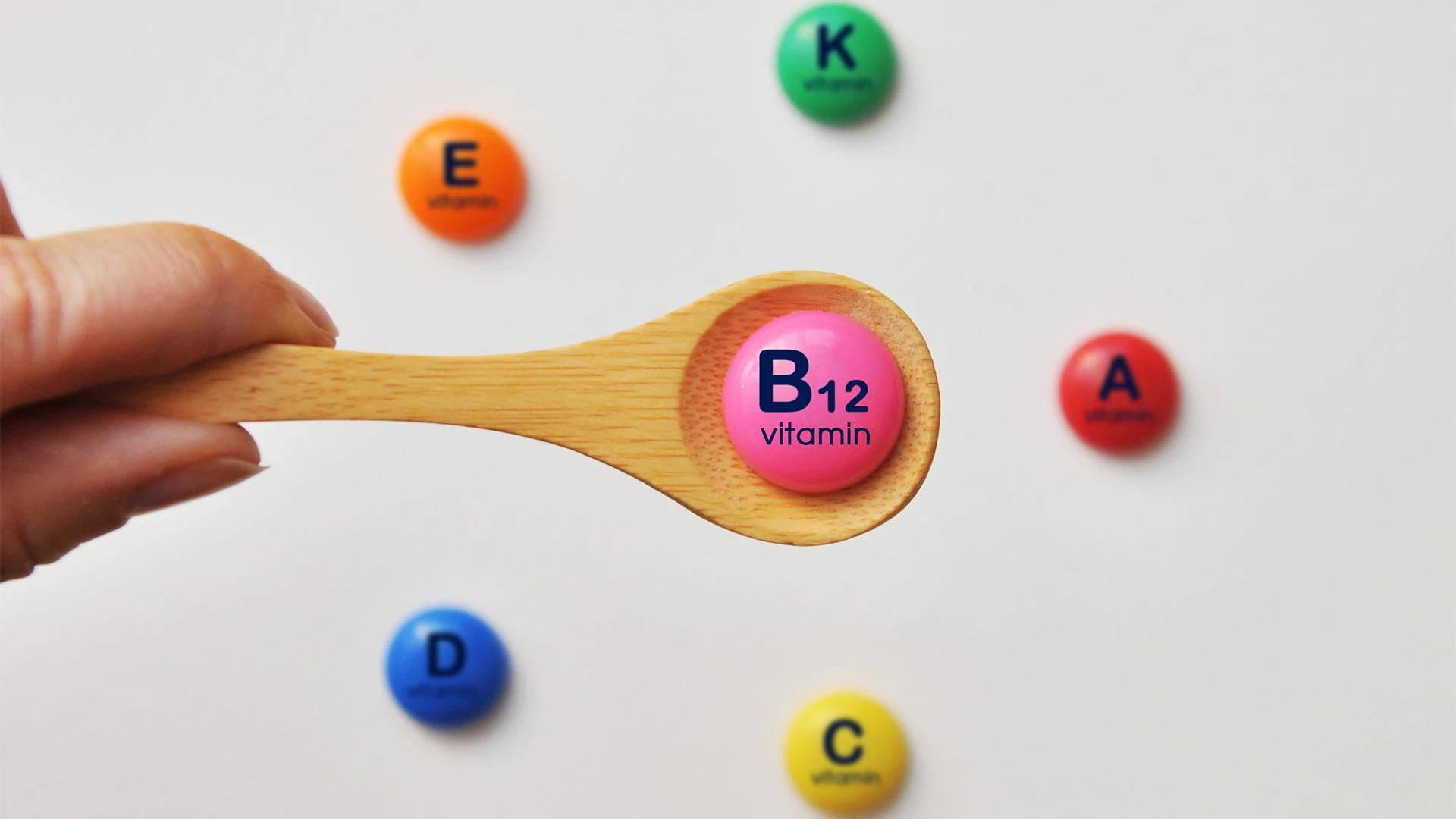

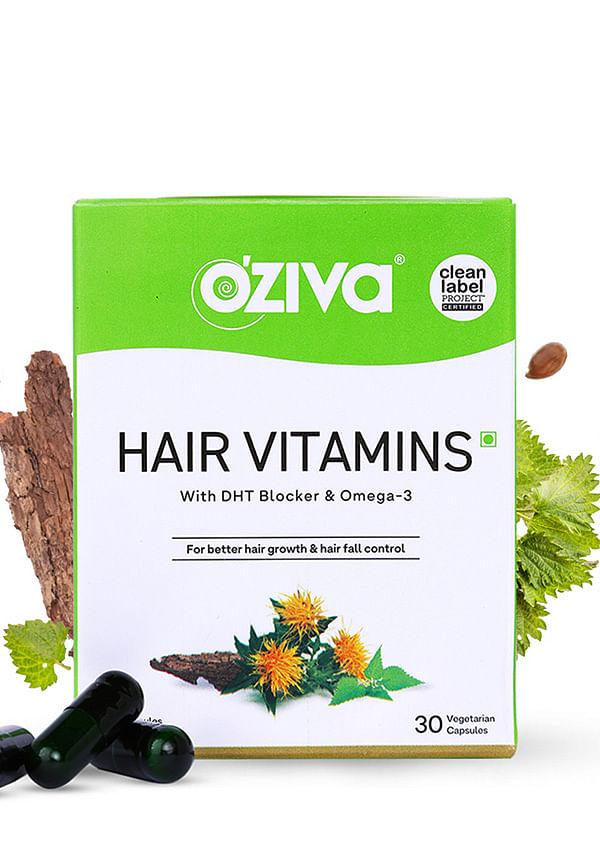
Hair Vitamins (DHT Blocker & Omega 3), Vegetarian Tablets for Hair Fall Control
Your skin's looking a bit dull lately, and your hair feels more like straw than silk? Before you blame it on stress or the weather, let's talk about what might actually be going on beneath the surface. The secret to that enviable glow and bouncy hair might just be sitting in your kitchen cabinet or missing from your daily routine entirely. We're diving into the world of essential vitamins for skin and hair – the nutrients that work behind the scenes to keep you looking fresh and feeling confident. Real talk: your beauty routine is only as good as what you're feeding your body from the inside.
Let's get one thing straight – your skin and hair are basically mirrors reflecting what's happening inside your body. When you're missing key nutrients, it shows up as breakouts, dryness, hair fall, or that general 'meh' feeling about your appearance. Vitamins for healthy skin and hair work at the cellular level, supporting everything from collagen production to the growth cycles that determine how thick and shiny your hair looks.
Think of vitamins as the construction crew for your beauty goals. Vitamin C builds collagen scaffolding, Vitamin A speeds up cell turnover, and B vitamins keep your hair follicles happy and productive. Without these essential players, even the most expensive serums and treatments can only do so much. Your body prioritises vital organs first, so when you're running low on nutrients, your skin and hair are often the first to suffer.
Ready to meet the MVPs of skin health? These vitamins for glowing skin are the ones dermatologists actually get excited about – and for good reason. Each one tackles different skin concerns, from acne to premature ageing, working together to give you that natural radiance everyone's after.
Vitamin A is basically the overachiever of the vitamin world when it comes to skin health. It speeds up cell turnover, which means your skin sheds dead cells faster and reveals fresh, healthy skin underneath. This makes it brilliant for tackling acne, reducing fine lines, and evening out skin tone.
You'll find this skin superhero in sweet potatoes, carrots, spinach, and liver. The recommended daily amount is around 700-900 micrograms, but be careful not to overdo it – too much Vitamin A can actually cause skin irritation and other issues.
If Vitamin A is the overachiever, then Vitamin C is the protective best friend who's always got your back. It's essential for collagen synthesis – that's the protein that keeps your skin plump and youthful. Plus, it's a powerful antioxidant that fights off free radical damage from pollution and UV rays.
Load up on citrus fruits, berries, bell peppers, and broccoli to get your daily dose. Aim for about 75-90mg daily, and here's a bonus tip: Vitamin C also helps your body absorb iron better, which is crucial for healthy hair growth.
Vitamin E is like your skin's personal bodyguard against environmental damage. It works alongside Vitamin C to protect cell membranes and supports wound healing – perfect if you're dealing with acne scars or just want to maintain healthy, resilient skin.
Nuts, seeds, avocados, and vegetable oils are your best sources. The magic happens when Vitamin E teams up with Vitamin C – they're stronger together, so try to get both in your daily routine.
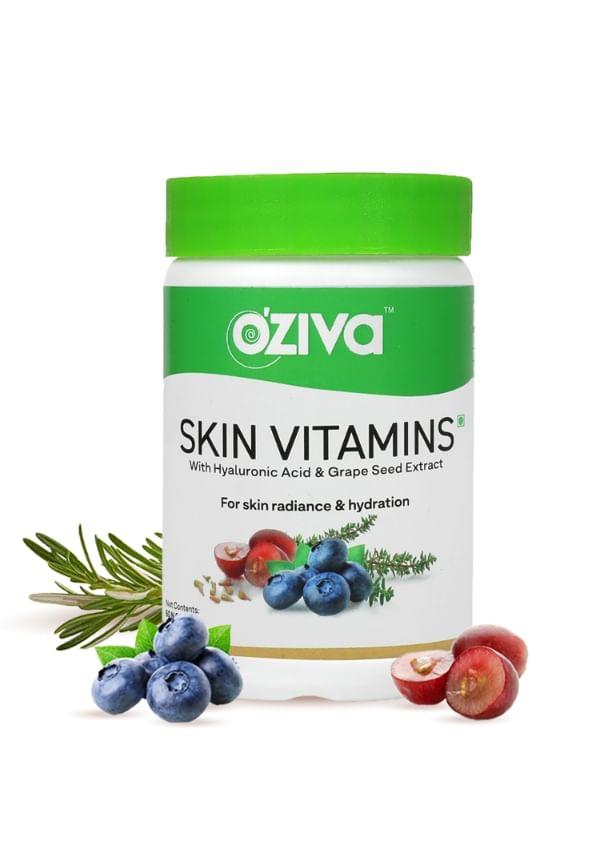
Skin Vitamins With Hyaluronic Acid & Grape Seed Extract for Skin Radiance & Hydration
Often called the sunshine vitamin, Vitamin D plays a crucial role in skin barrier function and helps regulate inflammation. Low levels have been linked to various skin conditions, including eczema and psoriasis.
While sunlight is the best source, you can also find it in fatty fish, egg yolks, and fortified foods. Most people need around 600-800 IU daily, but getting your levels tested is the smartest move to know where you stand.
Now let's talk hair – because who doesn't want locks that look like they belong in a shampoo advert? The best vitamins for hair work by nourishing your hair follicles, supporting the growth cycle, and ensuring each strand grows strong and healthy from the root.
Hair growth is a slow process, so patience is key. But with the right hair growth nutrients, you'll start noticing stronger, shinier hair that's less prone to breakage and thinning.
Biotin is probably the most famous vitamin when it comes to hair health, and there's solid science backing up the hype. It's essential for keratin production – that's the protein your hair is made of. Studies show that biotin deficiency can lead to hair thinning and brittle strands.
You'll find biotin in eggs, nuts, salmon, and sweet potatoes. Most people need about 30 micrograms daily, though if you're dealing with significant hair loss, your doctor might recommend higher doses.
Iron deficiency is one of the most common causes of hair loss, especially in women. Your hair follicles need iron to produce healthy hair, and when levels drop, your hair growth cycle gets disrupted.
Red meat, spinach, lentils, and dark chocolate are excellent sources. Pair iron-rich foods with Vitamin C to boost absorption – think spinach salad with strawberries or lentils with bell peppers.
While technically not a vitamin, omega-3s deserve a spot on this list because they're crucial for scalp health and hair texture. They help reduce inflammation around hair follicles and add natural shine to your strands.
Fatty fish like salmon and mackerel are your best bets, along with flaxseeds, chia seeds, and walnuts. Aim for at least two servings of fatty fish per week or consider a high-quality fish oil supplement.
Zinc plays a vital role in protein synthesis and hair follicle health. Low zinc levels can lead to hair loss and slow growth, plus it affects the oil glands around your hair follicles.
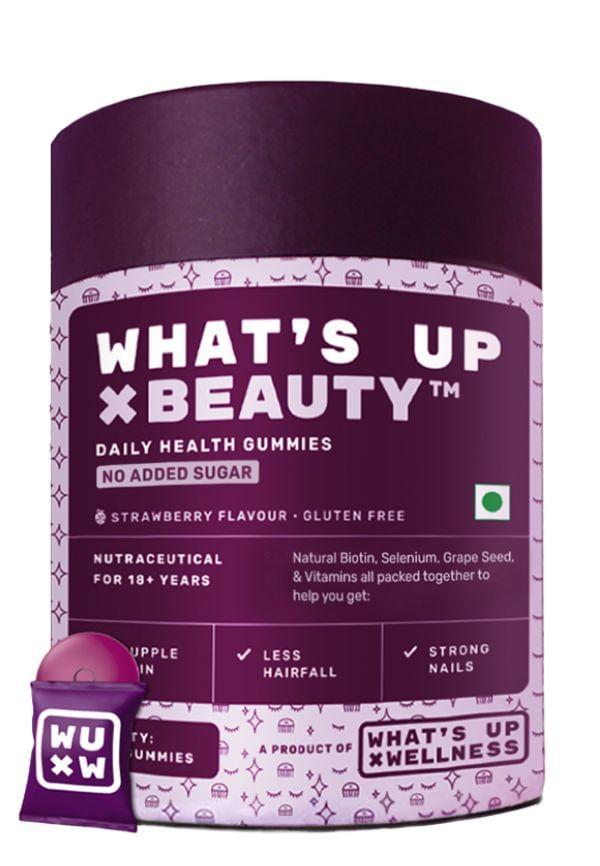
Natural Biotin Gummies 30-Day Pack No Added Sugar
Oysters are the ultimate zinc source, but you'll also find it in pumpkin seeds, chickpeas, and beef. Most adults need about 8-11mg daily, but don't go overboard – too much zinc can actually interfere with other mineral absorption.
Here's where things get interesting – vitamins work better as a team than flying solo. The best vitamins for skin and hair often have synergistic relationships, meaning they enhance each other's effects when taken together.
For example, Vitamin C boosts iron absorption, which is crucial for hair growth. Vitamin E protects Vitamin A from oxidation, making both more effective. And B vitamins work together to support cellular energy production, which benefits both skin and hair health.
Timing matters too. Fat-soluble vitamins (A, D, E, K) are best absorbed with meals containing healthy fats, while water-soluble vitamins (B complex, C) can be taken on an empty stomach. If you're taking iron supplements, avoid having them with calcium or coffee, as these can interfere with absorption.
The age-old question: should you get your nutrients for healthy hair and skin from food or pop a pill? The answer isn't as straightforward as you might think, and it often depends on your individual needs, lifestyle, and any existing deficiencies.
Getting your vitamins from whole foods is generally the gold standard. Foods provide vitamins in forms that your body recognises and can use efficiently, plus you get bonus nutrients like fibre, antioxidants, and minerals that work together synergistically.
A rainbow diet rich in fruits, vegetables, lean proteins, and healthy fats will cover most of your vitamin needs naturally. Think colourful salads, smoothie bowls packed with berries, and meals that include a variety of textures and flavours.
Sometimes, despite your best efforts, supplements become necessary. This might be due to dietary restrictions, absorption issues, increased needs during stress or illness, or simply living in a climate where certain vitamins (like D) are hard to get naturally.
The key is choosing high-quality supplements that are third-party tested and avoiding the temptation to mega-dose. More isn't always better, and some vitamins can be harmful in large amounts.
Let's be real – we've all made mistakes when it comes to vitamins and supplements. Maybe you've fallen for the 'more is better' trap or expected overnight results from a new supplement routine. Understanding these common pitfalls can save you time, money, and potential health issues.
Over-supplementation is surprisingly common and can actually interfere with your body's ability to absorb other nutrients. Taking massive doses of one vitamin can create imbalances that affect your skin and hair negatively. Similarly, expecting results within a few days or weeks sets you up for disappointment – real changes in skin and hair health take months to become visible.
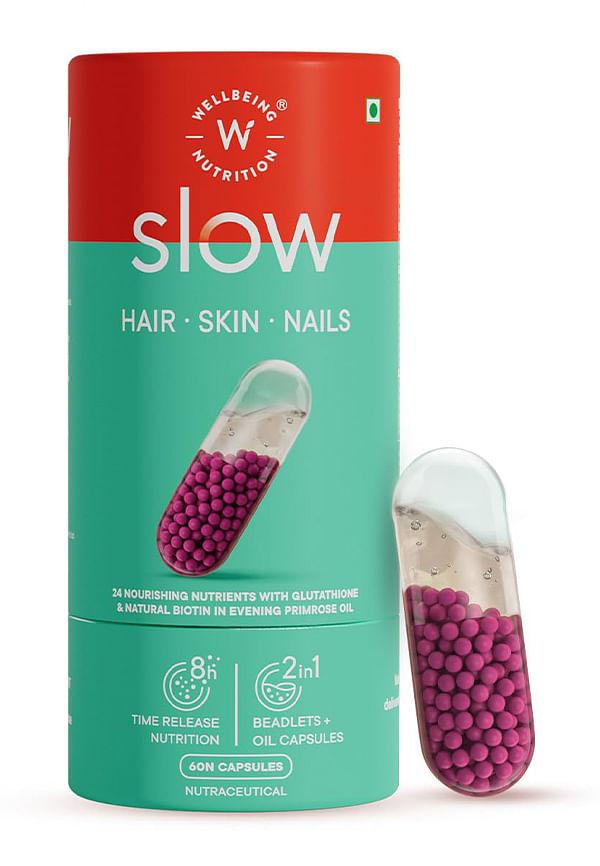
Slow Skin, Hair & Nails Capsule || Skin hair nail vitamins
Another major mistake is ignoring lifestyle factors that deplete your vitamin stores. Stress, lack of sleep, excessive alcohol consumption, and smoking all increase your body's need for certain vitamins while reducing absorption. No amount of supplementation can completely offset poor lifestyle choices.
When exploring new skin health supplements or hair health supplements, platforms like Smytten make it easier to discover quality products without the commitment of full-size purchases. With curated trial packs from over 1,500 trusted brands, you can explore different vitamin formulations and wellness products to find what works best for your unique needs. This approach lets you test various supplements and beauty products before investing in full-size versions, making your journey to better skin and hair health both affordable and risk-free.
Vitamin A is considered one of the most important vitamins for both skin and hair health, as it's essential for cell growth and regeneration. However, the best approach involves a combination of vitamins including A, C, E, biotin, and adequate iron levels.
The most effective vitamins include Vitamin A for cell turnover, Vitamin C for collagen production, Vitamin E for antioxidant protection, Biotin for hair growth, Iron for follicle health, and Omega-3 fatty acids for inflammation control.
Vitamin A is the gold standard for skin repair, promoting faster cell turnover and collagen production. Vitamin C also plays a crucial role in wound healing and collagen synthesis.
Biotin, Iron, Vitamin D, and Zinc are the most research-backed vitamins for hair growth. However, addressing any underlying deficiencies is more important than mega-dosing any single vitamin.
Skin improvements typically appear within 4-8 weeks, while hair growth changes take 3-6 months due to the hair growth cycle. Consistency is key for optimal results.
Your journey to healthier skin and hair doesn't have to be complicated or expensive. The essential vitamins for skin and hair we've covered work best when they're part of a balanced approach that includes good nutrition, adequate sleep, stress management, and a consistent skincare routine.
Remember, there's no magic pill that will transform your appearance overnight. Real, lasting changes come from consistency and patience. Start by focusing on a nutrient-rich diet, then consider targeted supplementation if you have specific deficiencies or concerns. Most importantly, listen to your body and don't hesitate to consult with healthcare professionals when needed.
The beauty industry is full of promises and quick fixes, but the most effective approach to skin and hair wellness is often the simplest one. Nourish your body with the right nutrients, be patient with the process, and celebrate the small improvements along the way. Your future self will thank you for taking the time to build healthy habits that support your natural beauty from the inside out.
