How to Boost Immunity Naturally with Powerful Herbs

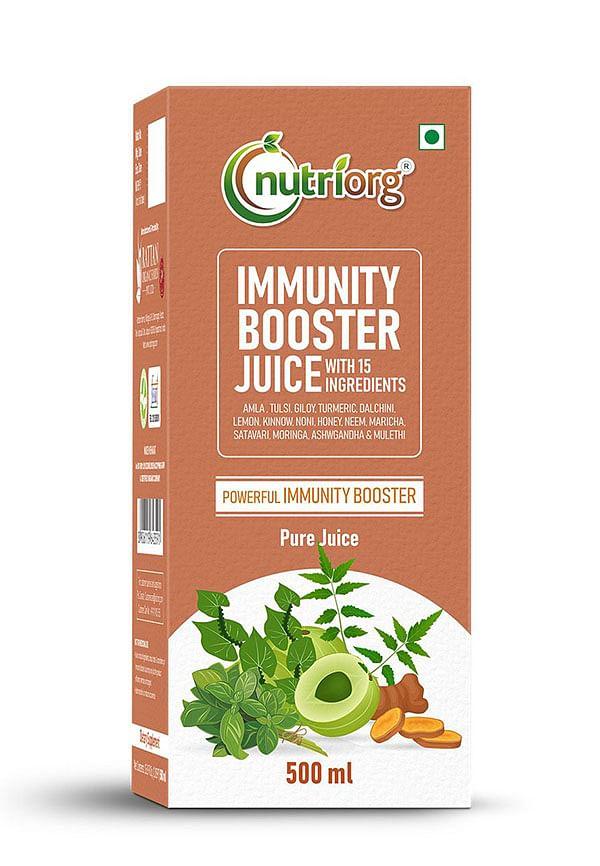
Immunity Booster Juice
Your immune system works round the clock, fighting off everything from seasonal bugs to daily stress. But here's the thing—you don't need to rely solely on synthetic supplements to give it a boost. Nature's been providing us with powerful herbs for natural immunity for centuries, and they're worth exploring if you want to support your body's defences naturally. From ancient Ayurvedic remedies to modern herbal research, there's a whole world of natural immune support waiting to be discovered. Let's dive into how these botanical powerhouses can become your wellness allies.
Your immune system is basically your body's personal security team—constantly scanning for threats and responding accordingly. Natural immune support works differently from quick fixes; it's about strengthening your body's existing defences rather than forcing a reaction. Think of it as training your immune system to be more efficient rather than just giving it a temporary boost. Herbs for healthy immune system support work on multiple levels. They provide antioxidants that protect your cells from damage, offer anti-inflammatory compounds that help reduce chronic stress on your system, and contain adaptogens that help your body manage stress more effectively. Unlike synthetic alternatives, herbs often come with a complex mix of beneficial compounds that work together—what scientists call the "entourage effect." Traditional medicine systems like Ayurveda, Traditional Chinese Medicine, and Indigenous healing practices have used immunity herbs for thousands of years. Modern research is now catching up, validating many of these traditional uses with scientific studies. The beauty of herbal immune support lies in its gentle, sustained approach—supporting your body's natural processes rather than overwhelming them.
When it comes to best herbs for immune system support, some standouts have earned their reputation through both traditional use and modern research. These aren't just trendy wellness ingredients—they're time-tested allies for your health.
Ashwagandha is probably the most talked-about adaptogen right now, and for good reason. This herb helps your body manage stress, which is crucial because chronic stress can seriously weaken your immune response. Studies suggest it may help increase white blood cell counts and improve your body's ability to fight infections. Tulsi, or holy basil, is like a gentle hug for your respiratory system. It's packed with compounds that support lung health and has natural antimicrobial properties. Many people swear by tulsi tea during cold season, and research backs up its immune-supporting benefits. Amla is basically nature's vitamin C bomb—containing more vitamin C than oranges. This little fruit supports collagen production, acts as a powerful antioxidant, and helps maintain healthy immune function. Plus, it's been used in Ayurveda for centuries as a general health tonic.
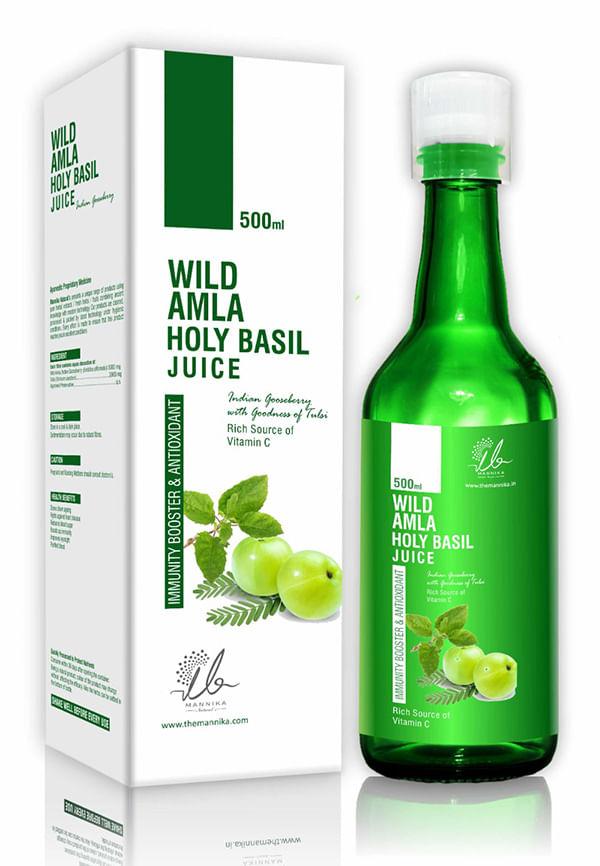
Natural'S Wild Amla Holy Basil Juice
Positive Product Experience
 4
4“Good product was using couple of days.”
Immunity Booster
5“I am in love really helping me in boosting immunity”
Healthy Juice
4“amla and basil juice is very good and healthy for all”
Echinacea is probably the most researched of all immune boosting herbs. Multiple studies suggest it may help reduce the duration and severity of cold symptoms when taken at the first sign of illness. It's like giving your immune system a gentle nudge when it needs it most. Turmeric brings serious anti-inflammatory power to the table. Its active compound, curcumin, helps reduce chronic inflammation that can weaken immune function over time. The golden spice also supports liver health, which is crucial for detoxification and overall immunity. Ginger does double duty—supporting digestion (where much of your immune system lives) whilst providing antimicrobial benefits. It's particularly helpful for respiratory health and can help your body fight off infections naturally.
Knowing about herbs for wellness is one thing, but actually using them consistently is where the magic happens. The key is finding ways to incorporate these natural immunity boosters into your routine without it feeling like a chore.
Creating a daily tea ritual is probably the easiest way to get your herbal immune support. Try blending tulsi with ginger and a pinch of turmeric for a warming morning brew. Echinacea tea works brilliantly when you feel something coming on, whilst ashwagandha is perfect for evening wind-down routines. For brewing, use about one teaspoon of dried herbs per cup of hot water. Let it steep for 5-10 minutes to extract the beneficial compounds properly. Fresh herbs need a bit more—about a tablespoon per cup.
If you're exploring herbal immune supplements, timing matters. Adaptogens like ashwagandha work best when taken consistently over time, whilst herbs like echinacea are more effective when used at the first sign of illness. Always start with lower doses to see how your body responds. Many people find success with cycling their herbs—using them for a few weeks, then taking a break. This prevents your body from getting too accustomed to any one herb and maintains their effectiveness.
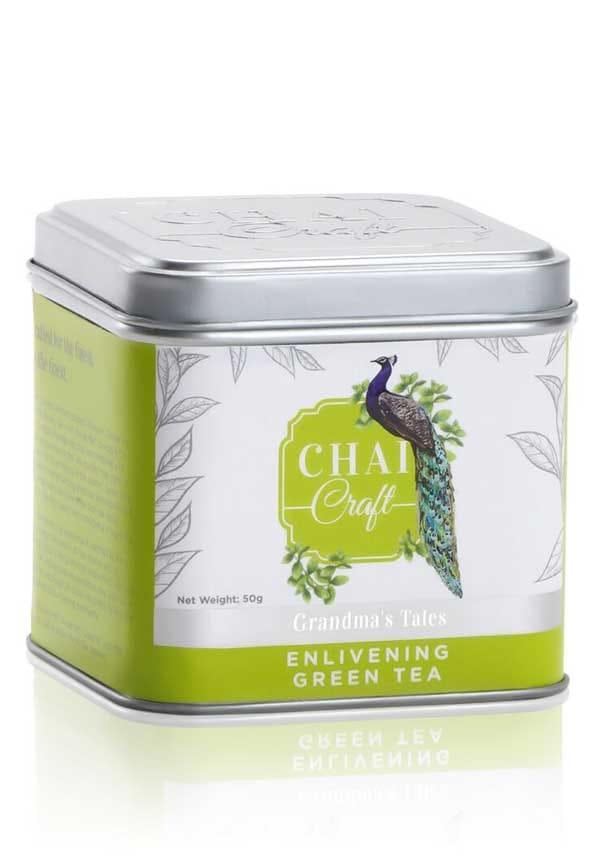
Enlivening Immunity Boosting Green Tea
Building an effective herbal immunity routine isn't about taking everything at once. It's about finding the right combination of immunity boosting plants that work for your lifestyle and health needs. Start with one or two herbs and see how you feel after a few weeks. Your body will tell you what's working—you might notice better energy, fewer seasonal sniffles, or improved stress resilience. From there, you can gradually add other herbs to create your personal wellness blend. Seasonal adjustments make sense too. You might lean more heavily on warming herbs like ginger and turmeric during colder months, whilst lighter, cooling herbs like tulsi work well in summer. Listen to your body and adjust accordingly. Consider your lifestyle factors as well. If you're dealing with high stress, adaptogens like ashwagandha might be your priority. If you're frequently around people (hello, office life), antimicrobial herbs like garlic and echinacea could be more beneficial. Smytten understands that wellness isn't one-size-fits-all. As India's largest product discovery platform, they connect you with over 1,500 trusted wellness brands, letting you explore different herbal supplements and natural immunity products through curated trial packs. With options to try up to 8 minis for just ₹249 and 100% cashback on trial purchases, you can discover what works for your unique needs without the commitment of full-size products.
Whilst herbal remedies for immunity are generally gentle, they're still powerful compounds that deserve respect. Some herbs can interact with medications, so it's crucial to chat with your healthcare provider before starting any new herbal routine, especially if you're on prescription drugs. Pregnancy and breastfeeding require extra caution. Many herbs that are perfectly safe for general use aren't recommended during these times. When in doubt, consult with a qualified herbalist or healthcare provider who understands both herbs and your specific situation. Quality matters enormously with herbal supplements. Look for products that are third-party tested, organically grown when possible, and from reputable manufacturers. The supplement industry isn't as tightly regulated as pharmaceuticals, so doing your homework pays off. Storage is often overlooked but crucial for maintaining potency. Keep dried herbs in airtight containers away from light and heat. Fresh herbs should be used quickly or properly preserved. Tinctures and extracts typically last longer but still have expiration dates worth respecting.
There isn't one "best" herb for immunity since everyone's needs are different. However, ashwagandha, echinacea, and tulsi are among the most researched for immune support. Ashwagandha excels at stress management (which directly impacts immunity), echinacea shows promise for reducing cold duration, and tulsi offers broad respiratory and antioxidant support.
Start with consistent daily use of gentle herbs like tulsi or turmeric through teas or supplements. Add stress-supporting adaptogens like ashwagandha, especially during busy periods. Use antimicrobial herbs like ginger and garlic regularly in cooking. The key is consistency rather than intensity—small daily doses work better than sporadic large amounts.
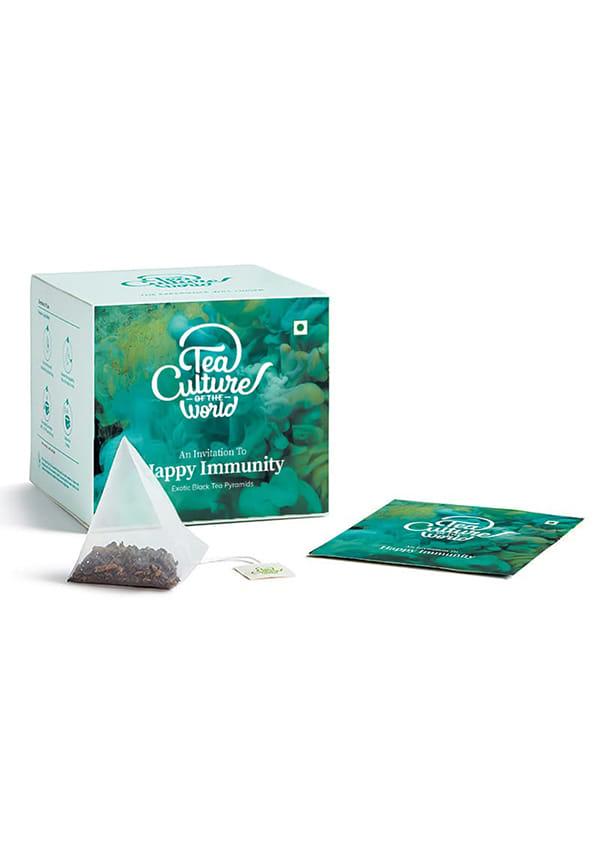
Happy Immunity Tea
Tulsi (holy basil) leaves are exceptional for immune support, offering antimicrobial, antioxidant, and respiratory benefits. Neem leaves are also powerful but quite bitter and better used externally or in very small amounts. Fresh curry leaves contain compounds that support overall health, whilst moringa leaves are nutrient-dense immunity supporters.
Combine 1 teaspoon each of dried tulsi and ginger with a pinch of turmeric. Pour hot (not boiling) water over the herbs and steep for 7-10 minutes. Strain and add honey if desired. For fresh herbs, use about double the amount. This blend offers antimicrobial, anti-inflammatory, and adaptogenic benefits.
Many herbs are safe for daily use, but it depends on the specific herb and your individual health situation. Gentle herbs like tulsi and turmeric are generally fine for most people daily. Stronger herbs like echinacea are often better used cyclically or when needed. Always consult healthcare providers, especially if you have health conditions or take medications.
Yes, many herbs work well together and can enhance each other's benefits. Popular combinations include turmeric with ginger (for enhanced absorption), ashwagandha with tulsi (for stress and respiratory support), or echinacea with elderberry during cold season. Start with smaller amounts when combining herbs to see how your body responds.
Building natural immunity with herbs isn't about finding a magic bullet—it's about supporting your body's existing wisdom with time-tested botanical allies. The herbs for natural immunity we've explored offer gentle, sustainable support that works with your body rather than against it. Start simple with one or two herbs that appeal to you, whether that's a daily tulsi tea ritual or adding turmeric to your cooking routine. Pay attention to how you feel, and gradually build your herbal toolkit based on what works for your unique needs and lifestyle. Remember that herbal immunity support works best as part of a broader wellness approach. Good sleep, regular movement, stress management, and nourishing food all play crucial roles in maintaining strong immunity. Herbs are powerful allies in this journey, but they work best when supported by healthy lifestyle choices. With platforms like Smytten making it easier to explore different wellness products through trial sizes, you can discover which herbal supplements and natural immunity boosters work best for you without the guesswork. After all, why settle for maybe when you can try different options and find what truly supports your health? Your immune system deserves that kind of thoughtful, personalised care.
