How to Boost Immunity Naturally for Women This Winter


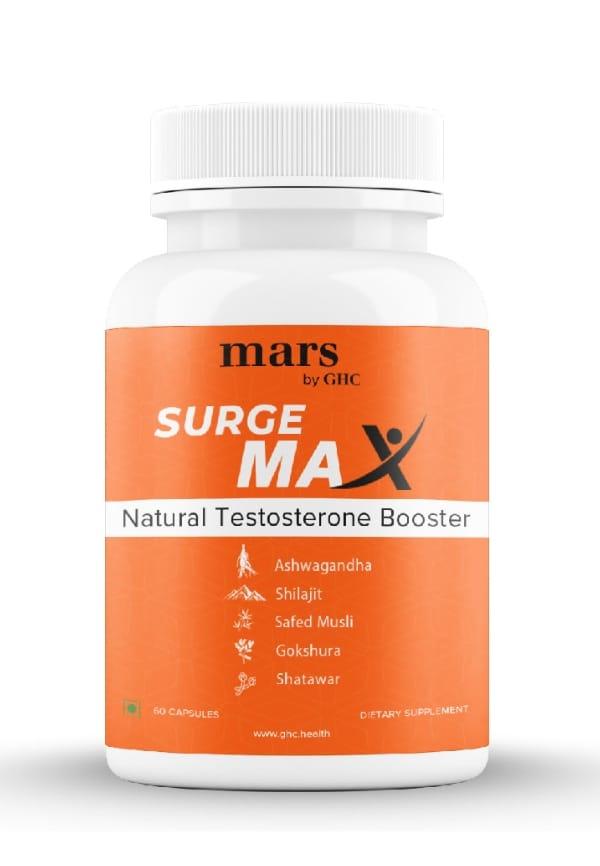
Natural Energy Booster
Winter's here, and your immune system might be feeling the chill. If you're like most women, you've probably noticed how easily you catch that office cold or feel run down during the colder months. Here's the thing—women face unique immunity challenges during winter, from hormonal fluctuations to increased stress levels during the holiday season. But before you resign yourself to a season of sniffles, let's talk about women's winter immunity boosters that actually work. Real talk: your body needs targeted support, and we've got the science-backed strategies to help you stay strong all season long.
Let's be honest—women's bodies work differently, especially when it comes to immune function during winter. Your hormonal cycles don't take a break just because it's cold outside, and these fluctuations can actually impact how well your immune system responds to threats. During winter, oestrogen and progesterone levels can affect your body's inflammatory response. When these hormones dip, particularly during certain phases of your cycle, you might find yourself more susceptible to seasonal bugs. Add to this the fact that many women experience iron deficiency—which directly impacts immune cell function—and you've got a recipe for feeling under the weather. Stress is another major player here. Between work deadlines, holiday planning, and family obligations, women often carry a heavier mental load during winter months. This chronic stress releases cortisol, which can suppress your immune system's ability to fight off infections. It's not just in your head—the connection between stress and immunity is well-documented, and immunity boosters for women need to address this reality. The shorter days and reduced sunlight exposure also hit women particularly hard. Vitamin D deficiency is more common in women, and this vitamin plays a crucial role in immune function. When you're spending most daylight hours indoors, your body's natural vitamin D production plummets, leaving your immune system without one of its key supporters.
Cold weather doesn't just make you reach for an extra jumper—it actually changes how your immune system functions. When temperatures drop, the blood vessels in your nose and upper respiratory tract constrict, reducing the flow of white blood cells to these areas. This makes it easier for viruses to take hold and multiply. Research shows that women's immune systems respond differently to seasonal changes compared to men's. Women generally have stronger immune responses, which is brilliant for fighting infections but can also mean more inflammation when things go wrong. During winter, this heightened response can sometimes work against you, leading to more severe cold symptoms or longer recovery times. Sleep patterns also shift during winter months, and this affects women more than men. The lack of natural light disrupts your circadian rhythm, making it harder to get quality sleep. Since your immune system does most of its repair work while you sleep, poor sleep quality directly impacts your ability to boost immune system naturally. Vitamin D deficiency becomes a real concern during winter months. Your skin produces vitamin D when exposed to UVB rays from sunlight, but in winter, the sun's angle means less UVB reaches the earth's surface. Women are already at higher risk for vitamin D deficiency due to factors like indoor lifestyles and dietary preferences, making winter wellness for women particularly challenging.
Food is your first line of defence, and certain immune boosting foods can give your system the support it needs to stay strong all winter long.
Oranges, grapefruits, lemons, and limes aren't just refreshing—they're vitamin C champions. Women need about 75mg of vitamin C daily, and one medium orange provides nearly your entire daily requirement. Vitamin C supports the production and function of white blood cells, your body's infection-fighting army. Try starting your day with warm lemon water or adding fresh grapefruit segments to your morning yoghurt. The key is consistency—your body doesn't store vitamin C, so you need regular intake throughout winter.
Bell peppers actually contain more vitamin C than citrus fruits, plus they're packed with beta-carotene, which your body converts to vitamin A. Spinach, broccoli, and sweet potatoes are also winter immunity superstars. Roasting these vegetables helps break down cell walls, making nutrients more bioavailable. Try roasted sweet potato and spinach salads or stir-fried bell peppers with garlic for maximum immune support.
Your immune system is essentially made of proteins, so adequate protein intake is crucial. Fatty fish like salmon and mackerel provide protein plus omega-3 fatty acids that help regulate immune responses. Eggs contain all essential amino acids your body needs to build immune cells. Greek yoghurt deserves special mention—it provides protein plus probiotics that support gut health, where about 70% of your immune system lives. Aim for at least 1.2 grams of protein per kilogram of body weight daily, slightly higher than the standard recommendation to support immune function.
While food should be your primary source of nutrients, certain immune support supplements can fill gaps in your winter wellness routine.
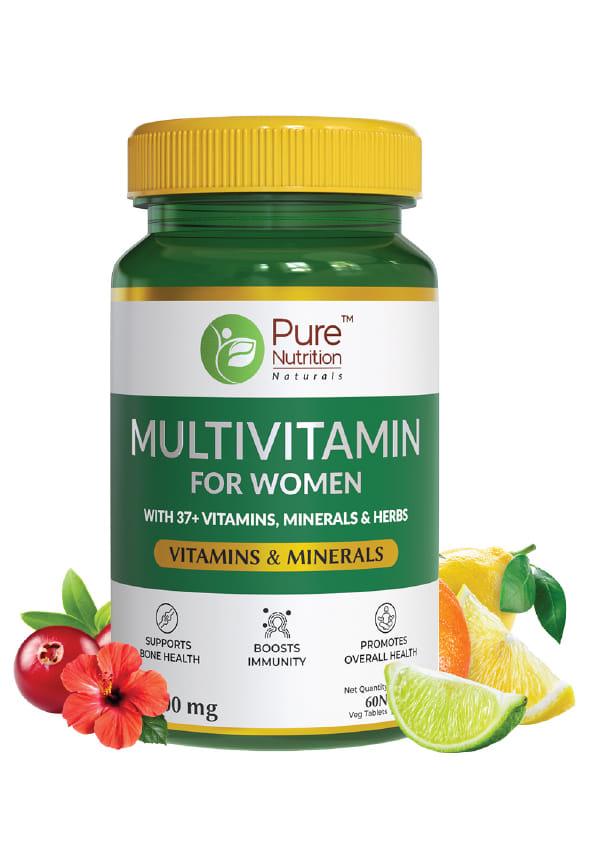
Multivitamin For Women For Energy and Immunity
Vitamin D is probably the most crucial women's health supplements for winter immunity. Most women need 1000-2000 IU daily during winter months, but it's worth getting your blood levels checked first. Vitamin D supports the function of T-cells, which are essential for adaptive immunity. Vitamin C supplements can be helpful if you're not getting enough from food, but don't go overboard—your body can only absorb about 200mg at a time. Vitamin E works synergistically with vitamin C, and vitamin B6 supports the production of antibodies.
Zinc deficiency is surprisingly common in women, especially those following plant-based diets. Zinc supports the development and function of immune cells, and even mild deficiency can impair immune response. Women need about 8mg daily, and oysters, beef, and pumpkin seeds are excellent sources. Selenium acts as an antioxidant and supports immune cell function. Brazil nuts are one of the richest sources—just two nuts provide your daily selenium needs.
Elderberry has gained popularity as a natural immunity booster, and research suggests it may help reduce the duration and severity of cold symptoms. Medicinal mushrooms like reishi and shiitake contain beta-glucans that support immune function. Probiotics deserve serious consideration for winter wellness. A healthy gut microbiome trains your immune system and helps it respond appropriately to threats. Look for supplements with multiple strains and at least 10 billion CFUs.
Sometimes you need fast-acting support when you feel something coming on. Here's how to give your immune system a quick boost.
Start your day with a warm drink that combines immune-supporting ingredients. Try hot water with fresh lemon, grated ginger, and a teaspoon of honey. This provides vitamin C, anti-inflammatory compounds, and antimicrobial properties to kickstart your day. Hydration is crucial for immune function—your lymphatic system, which transports immune cells throughout your body, relies on adequate fluid levels. Aim for at least 8 glasses of water daily, more if you're feeling under the weather.
Stress management becomes crucial when you're trying to support your immune system quickly. Even five minutes of deep breathing can lower cortisol levels and support immune function. Try the 4-7-8 breathing technique: inhale for 4 counts, hold for 7, exhale for 8. Gentle movement helps circulate immune cells throughout your body. A brisk 10-minute walk or some light stretching can boost circulation without overtaxing your system.
Your immune system does its heavy lifting while you sleep, so prioritise quality rest. Create a wind-down routine that includes dimming lights, avoiding screens, and perhaps some chamomile tea, which has mild sedative properties. Consider taking a warm bath with Epsom salts before bed. The magnesium can help relax your muscles and support better sleep quality, while the warm water helps regulate your body temperature for optimal sleep.
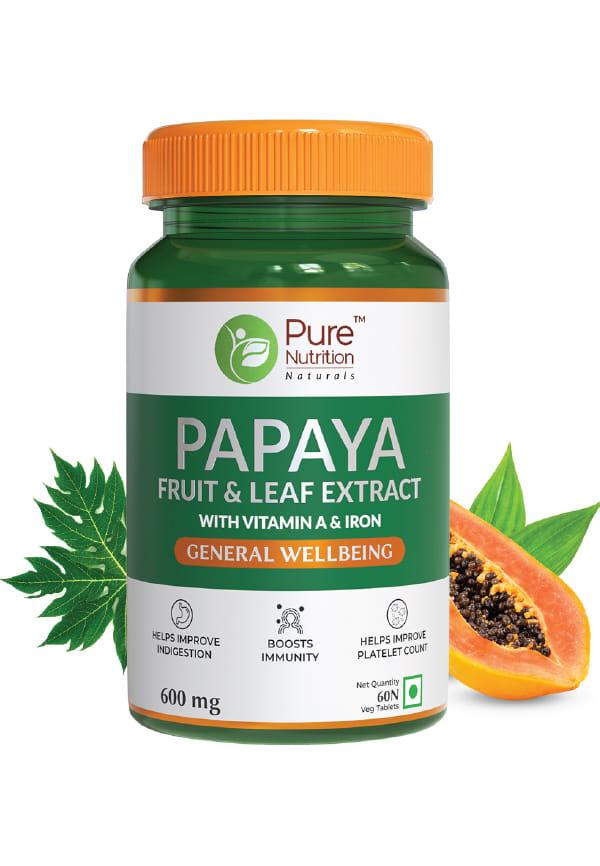
Papaya Leaf and Fruit Extract, Immunity & Platelet Booster
Your daily habits play a massive role in how well your immune system functions throughout winter. Small changes can make a big difference in your overall winter wellness.
Moderate exercise boosts immune function, but overdoing it can actually suppress immunity. For women, this balance is particularly important during winter when your body is already dealing with seasonal stressors. Indoor yoga, bodyweight exercises, or dance workouts can keep you moving without exposing you to harsh weather. Aim for 30 minutes of moderate activity most days, but listen to your body—if you're feeling run down, gentle movement is better than intense workouts.
Women often experience unique stressors during winter months, from seasonal affective symptoms to increased family responsibilities during holidays. Chronic stress suppresses immune function by elevating cortisol levels. Mindfulness practices, even just 10 minutes daily, can help regulate stress hormones. Journaling, meditation apps, or simply taking a few mindful breaths throughout the day can support both mental health and immune function.
Quality sleep is non-negotiable for immune health. During sleep, your body produces cytokines—proteins that help fight infection and inflammation. Women often struggle with sleep disruptions due to hormonal changes, making sleep hygiene even more important. Keep your bedroom cool (around 18-19°C), invest in blackout curtains, and maintain consistent sleep and wake times. If you're struggling with winter sleep issues, consider a light therapy lamp in the morning to help regulate your circadian rhythm.
Sometimes the old ways work best. Traditional remedies often have modern science backing up their effectiveness.
Turmeric contains curcumin, a powerful anti-inflammatory compound that supports immune function. Add it to warm milk with a pinch of black pepper (which enhances absorption) for a soothing evening drink. Ginger has antimicrobial properties and can help reduce inflammation. Fresh ginger tea or adding grated ginger to meals provides both flavour and immune support. Garlic contains allicin, which has antimicrobial properties—crush or chop it and let it sit for 10 minutes before cooking to maximise allicin production.
Proper hydration supports every aspect of immune function, from maintaining mucous membrane barriers to transporting nutrients and immune cells. Herbal teas like echinacea, green tea, or elderflower provide hydration plus additional immune-supporting compounds. Warm liquids are particularly beneficial during winter—they help maintain body temperature and can soothe irritated throat tissues. Bone broth provides hydration plus amino acids that support immune cell production.
Oil pulling—swishing coconut oil in your mouth for 10-15 minutes—may help reduce harmful bacteria in your mouth and support oral health, which is connected to overall immune function. Contrast showers (alternating between hot and cold water) may help stimulate circulation and potentially boost immune function, though the evidence is still emerging. Start slowly with just 30 seconds of cooler water at the end of your regular shower.

Immunzn Booster with natural Zinc
Focus on adequate sleep (7-9 hours nightly), regular moderate exercise, stress management, and a diet rich in fruits, vegetables, and lean proteins. Ensure adequate vitamin D intake through supplements or fortified foods, stay hydrated, and maintain good hygiene practices.
There's no single "strongest" booster, but vitamin D supplementation during winter months is crucial for most women. Combine this with adequate sleep, stress management, and a nutrient-dense diet for the most effective natural immune support.
Increase your fluid intake, get extra sleep, reduce stress, and consider zinc lozenges within 24 hours of symptom onset. Warm liquids, gentle movement, and avoiding alcohol can also help support your body's natural defences.
Citrus fruits like oranges and grapefruits are excellent for vitamin C, but kiwi fruit actually contains more vitamin C per serving plus vitamin E and folate. Berries provide antioxidants and are lower in sugar, making them ideal for sustained energy.
While you can't completely overhaul your immune system in 24 hours, you can support it quickly by prioritising sleep, staying hydrated, managing stress, eating nutrient-dense foods, and avoiding immune suppressors like excessive alcohol or sugar.
Warm lemon water with fresh ginger and a teaspoon of honey provides vitamin C, anti-inflammatory compounds, and antimicrobial properties. Green tea with lemon is another excellent option, providing antioxidants and vitamin C.
Women over 40 should pay special attention to vitamin D, B12, and iron levels, as deficiencies become more common with age. Probiotics become increasingly important for gut health, and adaptogens like ashwagandha may help manage stress-related immune suppression.
Building strong immunity isn't about quick fixes—it's about consistent, science-backed choices that support your body's natural defences. From prioritising sleep and managing stress to choosing the right vitamins for immune system support, every small step adds up to stronger winter wellness. Remember, your immune system is as individual as you are. What works for your friend might need tweaking for your lifestyle, stress levels, and health history. The key is finding sustainable practices that you can maintain throughout the winter months and beyond. Whether you're exploring new wellness products or looking for trusted brands to support your health journey, platforms like Smytten make it easier to discover what works for your body. With access to trial-sized products from over 1,500 trusted wellness and lifestyle brands, you can explore different natural immunity boosters and supplements without committing to full-size purchases. After all, when it comes to your health, why settle for 'maybe' when you can try it all and find what truly supports your winter wellness goals?
