How to Begin Healthy Living Habits Today
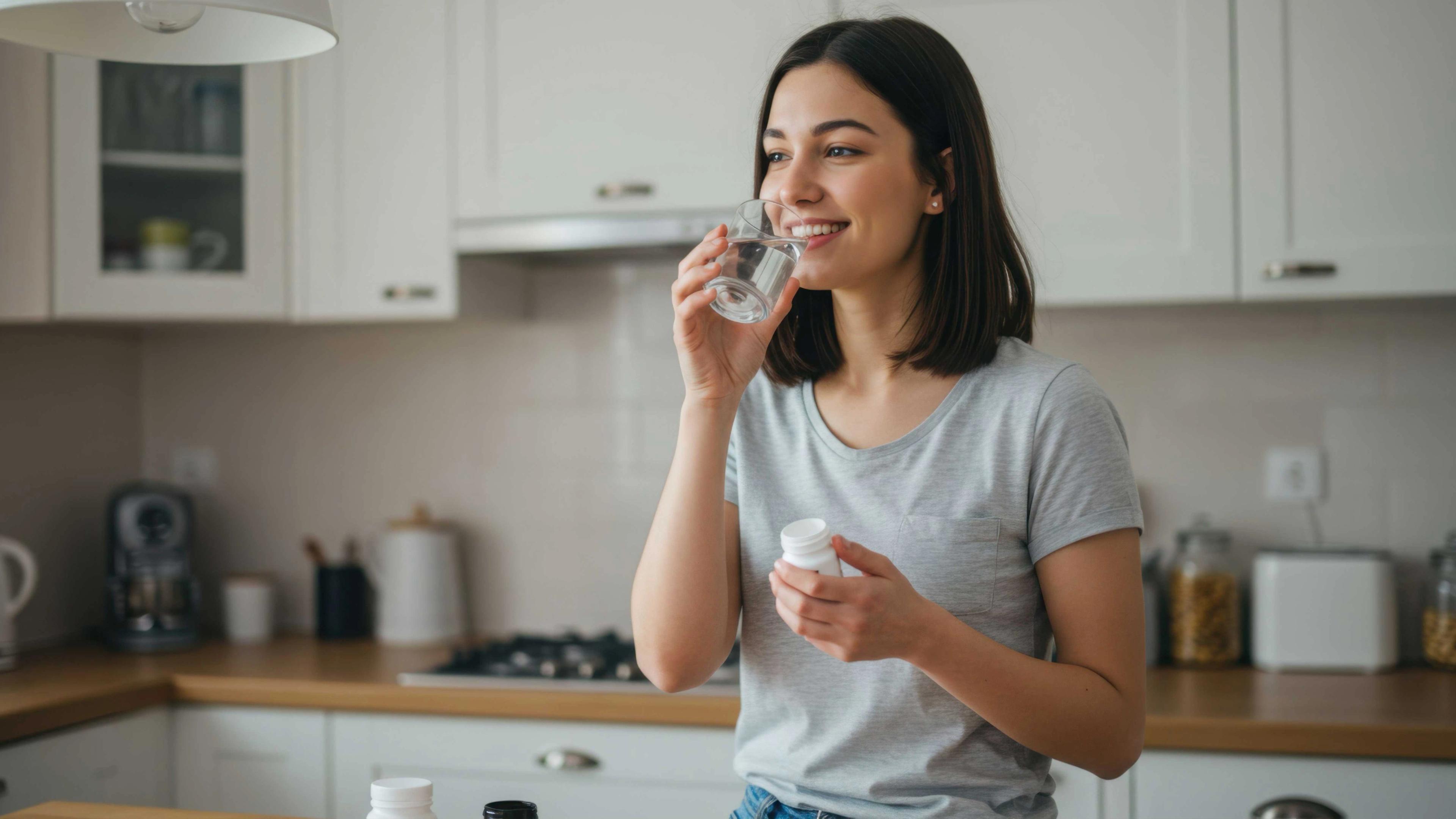

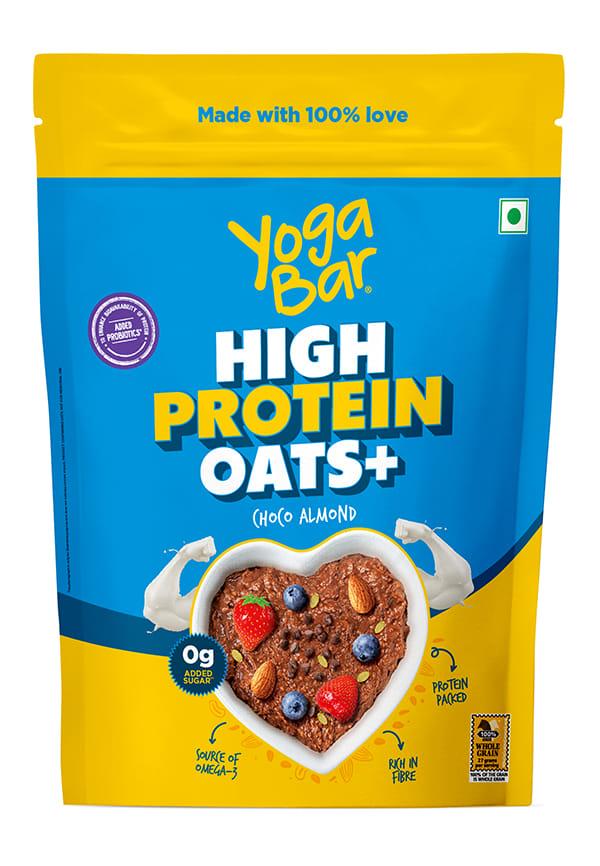
High Protein Oats | 20g Protein | Choco Almond Oatmeal |Breakfast cereal Pouch
Let's be real—we've all been there. You wake up one morning, look in the mirror, and think, "Right, today's the day I start living healthier." But then life happens, and before you know it, you're back to your old routines. The thing is, learning how to begin healthy living habits isn't about dramatic overnight changes or perfect meal prep Sundays. It's about making small, sustainable shifts that actually stick. Whether you're a complete beginner or someone who's tried and stumbled before, this guide will help you build healthy habits that work with your real life, not against it.
Healthy living habits aren't just trendy wellness tips you see on social media—they're consistent daily actions that support your physical, mental, and emotional wellbeing. Think of them as the building blocks of a healthy lifestyle that becomes second nature over time. The science behind these habits is pretty fascinating. Research shows that people who maintain healthy routines have lower rates of chronic diseases, better mental health, and increased longevity. But here's what's really interesting—it's not about being perfect. It's about consistency. Even small improvements in your daily wellness routine can compound over time, creating significant health improvement. One common misconception is that you need to overhaul your entire life at once. That's actually a recipe for burnout. The most successful approach to start healthy living involves gradual changes that your brain can adapt to without triggering resistance.
Here's something worth obsessing over—small positive habits create a ripple effect. When you start drinking more water, you might naturally crave healthier foods. When you begin moving your body regularly, your sleep quality often improves. These interconnected benefits make your wellness journey feel less like work and more like a natural progression.
Your brain loves efficiency, which is why it creates neural pathways for repeated behaviours. When you understand this, building wellbeing habits becomes less about willpower and more about strategy. The habit loop consists of three parts: cue, routine, and reward. For example, if you want to start a morning walk (routine), you might place your trainers by your bed (cue) and reward yourself with your favourite podcast during the walk (reward). This creates a positive association that your brain wants to repeat. Environment plays a massive role too. If you want to eat more fruits, keep them visible on your kitchen counter. If you want to reduce screen time before bed, charge your phone outside your bedroom. These environmental cues make healthy habits easier to maintain.
Before you can begin healthy living habits, you need to understand your current patterns. Spend a week tracking what you do without trying to change anything. Notice when you feel energised versus drained, what triggers stress eating, or when you naturally feel like moving your body. This self-awareness becomes your foundation for building a sustainable healthy lifestyle.
Ready to dive into the good stuff? These healthy habits form the cornerstone of sustainable wellbeing. The key is choosing one or two that resonate with you rather than trying to tackle everything at once.
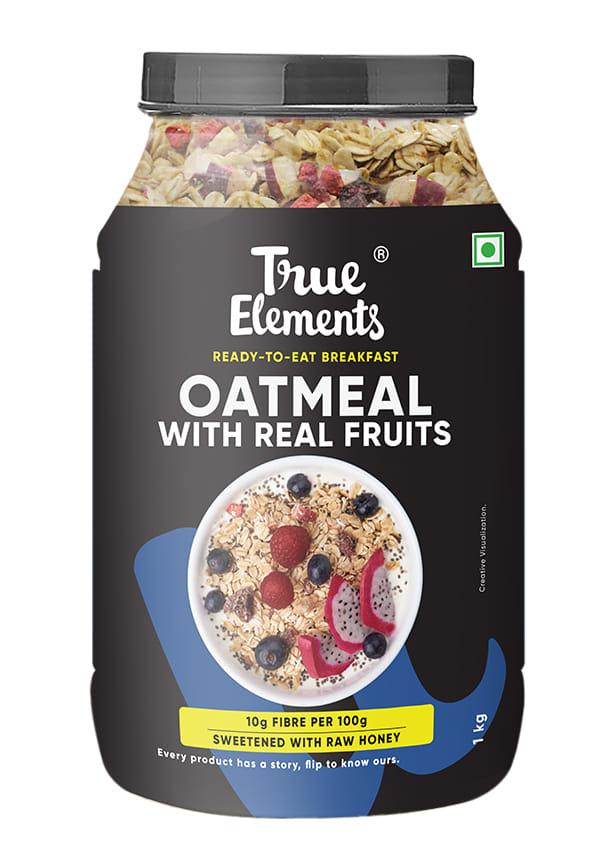
Oatmeal With Real Fruits
Movement That Feels Good: Forget the "no pain, no gain" mentality. Find physical activities you actually enjoy—dancing, walking, swimming, or even gardening. The goal is consistency, not intensity. Nourishing Your Body: Focus on adding nutritious foods rather than restricting everything you love. Try incorporating one extra serving of vegetables or fruits into your daily routine. Your taste buds and energy levels will thank you. Hydration Habits: Your body is roughly 60% water, so staying hydrated is non-negotiable for optimal function. Keep a water bottle nearby and aim to drink water first thing in the morning. Quality Sleep: Sleep isn't lazy—it's when your body repairs and your brain processes the day. Create a wind-down routine that signals to your body it's time to rest.
Mindful Moments: You don't need hour-long meditation sessions. Even five minutes of deep breathing or mindful observation can reduce stress and improve focus. Social Connections: Humans are wired for connection. Make time for meaningful relationships, whether that's a quick text to a friend or a proper catch-up over coffee. Nature Time: Spending time outdoors, even if it's just sitting in a park for ten minutes, can boost mood and reduce anxiety. Nature is basically free therapy.
Regular Check-ups: Prevention is always better than cure. Schedule those health screenings and dental appointments you've been putting off. Skincare Basics: Your skin is your largest organ, so treat it kindly. A simple routine with sunscreen, cleanser, and moisturiser goes a long way.
Now for the practical bit—how do you actually implement these healthy habits without overwhelming yourself? Here's a realistic timeline that works with real life.
Pick one or two keystone habits that will create positive ripple effects. Maybe it's drinking a glass of water first thing in the morning or taking a 10-minute walk after lunch. Start small and focus on consistency over perfection. Create environmental cues that make your new habits easier. If you want to eat healthier breakfasts, prep ingredients the night before. If you want to exercise in the morning, lay out your workout clothes.
Once your initial habits feel more natural, you can add complementary healthy routines. If you've been walking regularly, maybe add some stretching. If you've improved your morning routine, work on your evening wind-down. Track your progress, but don't obsess over perfection. Some days will be better than others, and that's completely normal. The goal is progress, not perfection.
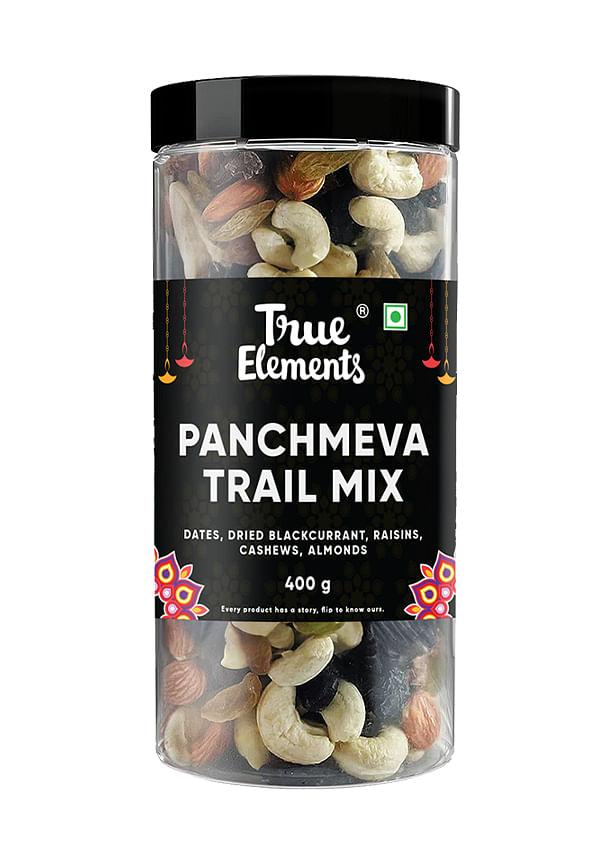
Panch Meva Trail Mix
By now, your initial habits should feel more automatic. This is when you can gradually expand your wellness journey by adding new elements or deepening existing ones. Create accountability systems—whether that's a workout buddy, a habit-tracking app, or simply checking in with yourself weekly.
Your approach to healthy habits might look different depending on where you are in life. Here's how to adapt your wellness journey to your current situation.
Student life comes with unique challenges—tight budgets, irregular schedules, and high stress levels. Focus on habits that don't require much time or money. Meal prep simple, nutritious options. Use study breaks for quick walks. Practice stress management techniques during exam periods.
Make wellness a family affair. Go for evening walks together, involve kids in meal preparation, or have device-free dinner times. When healthy habits become family traditions, they're easier to maintain.
Time-crunched? Focus on micro-habits that fit into your existing routine. Take the stairs instead of the lift, have walking meetings when possible, or practice deep breathing during your commute.
Let's address the elephant in the room—obstacles are inevitable when you're trying to begin healthy living habits. The key is anticipating them and having strategies ready. Time Constraints: Start with habits that take less than five minutes. You can always expand later, but consistency matters more than duration initially. Social Pressures: Not everyone will understand your wellness journey, and that's okay. Find your tribe—people who support your goals or are on similar paths. Motivation Dips: Motivation gets you started, but systems keep you going. Focus on creating routines that don't rely on feeling motivated every day. Budget Concerns: Many healthy habits are free or low-cost. Walking, drinking water, getting adequate sleep, and spending time in nature don't require expensive gym memberships or supplements. When it comes to wellness products like supplements, skincare, or healthy snacks, platforms like Smytten make it easier to explore without the financial commitment. With trial packs from trusted wellness brands, you can discover what works for your body before investing in full-size products.
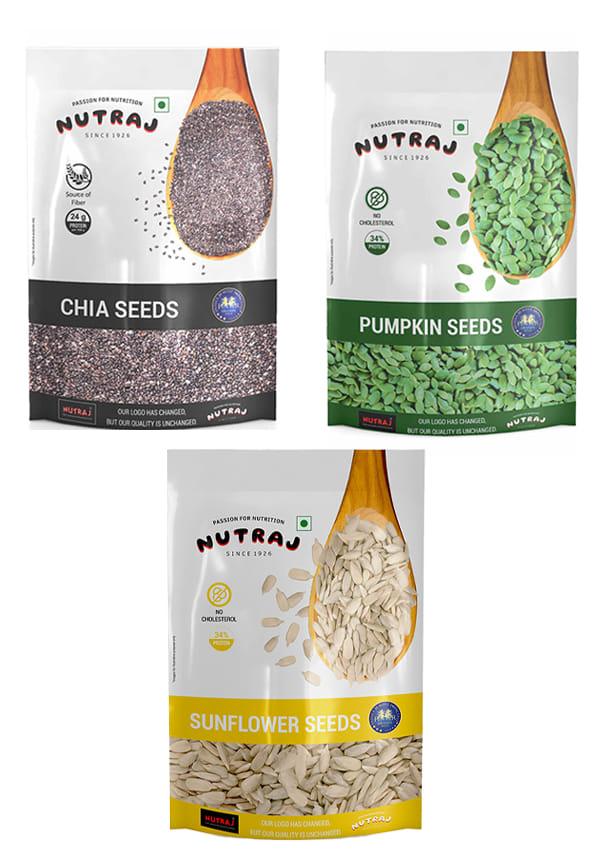
Seeds Combo Pack Pumpkin Seeds, Chia Seeds, Sunflower Seeds
Success in building healthy habits isn't just about the number on the scale or how many workouts you complete. Real success looks like having more energy, sleeping better, feeling less stressed, or simply enjoying the process of taking care of yourself. Set realistic milestones and celebrate small wins. Maybe it's drinking enough water for a week straight or choosing a nutritious snack over processed food. These victories build momentum for bigger changes. Regularly assess what's working and what isn't. Your healthy lifestyle should evolve with your needs and circumstances. What worked in your twenties might need adjusting in your thirties, and that's perfectly normal. Building support systems is crucial for long-term success. Whether it's joining online communities, finding workout partners, or simply sharing your goals with friends, having people who understand your wellness journey makes a significant difference.
The 10 essential healthy habits include eating a balanced diet, staying hydrated, exercising regularly, getting quality sleep, managing stress, maintaining social connections, spending time in nature, practising mindfulness, getting regular health check-ups, and avoiding harmful substances.
Start by understanding your current habits, then choose 1-2 small changes to focus on first. Create environmental cues that support your new habits, track your progress without obsessing over perfection, and be patient—habits typically take 21-66 days to form.
Seven habits you can start immediately: take a 10-minute walk, drink an extra glass of water, add one serving of fruits or vegetables to your meals, practice deep breathing for 5 minutes, connect with a friend, spend time outdoors, and go to bed 30 minutes earlier.
Research shows it takes anywhere from 21 to 66 days to form a new habit, with an average of about 66 days. The timeline depends on the complexity of the habit and individual factors. Simple habits like drinking water form faster than complex ones like regular exercise routines.
The biggest mistake is trying to change too much at once. This overwhelms your brain's ability to adapt and often leads to giving up entirely. Focus on one or two small changes at a time for better long-term success.
Learning how to begin healthy living habits is one of the best investments you can make in yourself. Remember, this isn't about perfection—it's about progress. Every small step towards a healthy lifestyle counts, even when it doesn't feel like much in the moment. Your wellness journey is uniquely yours. What works for your friend or favourite influencer might not work for you, and that's completely fine. The key is experimenting with different healthy habits until you find what feels sustainable and enjoyable. As you explore different wellness products and routines, platforms like Smytten can be incredibly helpful. With access to trial packs from over 1,500 trusted wellness brands, you can discover what truly works for your body and lifestyle before committing to full-size purchases. After all, why settle for 'maybe' when you can try it all and find what genuinely supports your health goals? Start small, be consistent, and trust the process. Your future self will thank you for taking that first step today.
