How to Balance Your Gut Microbiome Naturally

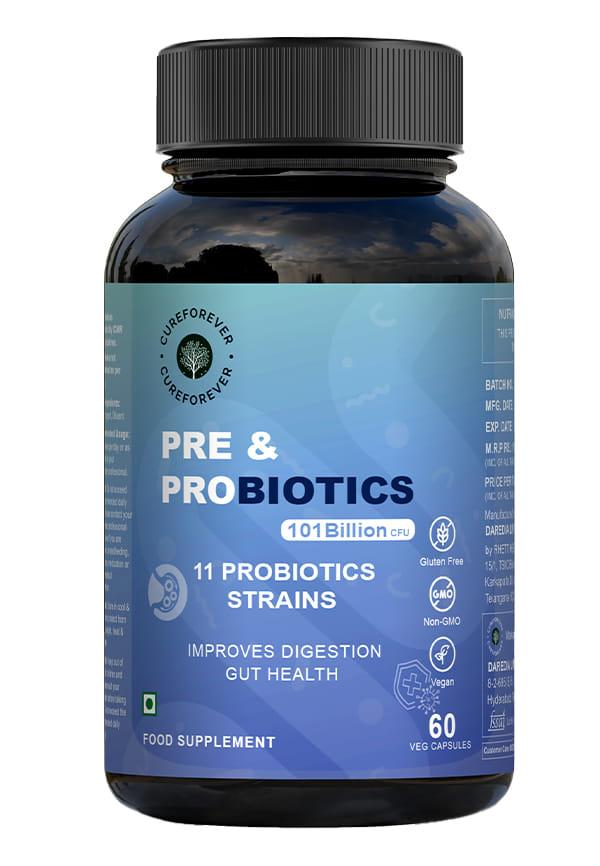
Prebiotics & Probiotics
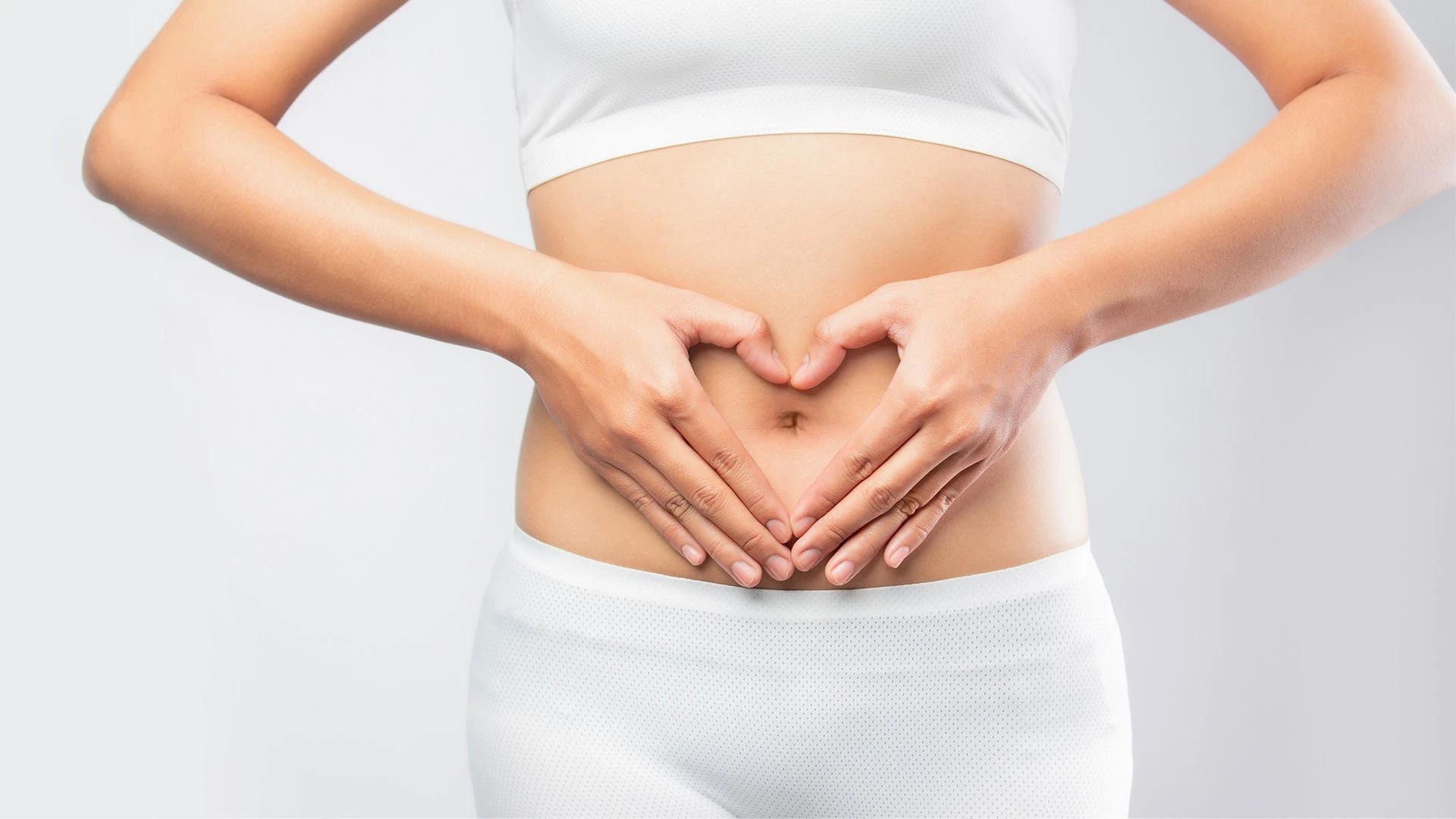
Your gut is basically the control centre for your entire body—and here's something that might blow your mind: about 70% of your immune system actually lives there. That tiny ecosystem in your belly, packed with trillions of bacteria, fungi, and other microorganisms, has more influence over your health than you probably realise. From your mood and energy levels to how well you fight off that office cold, it all comes back to gut health. The good news? You don't need expensive supplements or complicated protocols to transform your digestive health. With the right foods and lifestyle tweaks, you can start seeing real changes in just 2-4 weeks. Let's dive into how to balance gut microbiome naturally and get your digestive system working like the well-oiled machine it's meant to be.
Think of your gut microbiome as a bustling city with trillions of residents—bacteria, fungi, viruses, and other microorganisms all living together in a delicate balance. This microscopic community is actually more unique than your DNA fingerprint, and microbiome diversity is one of the strongest indicators of good health. When everything's working harmoniously, these little guys help digest your food, produce vitamins, regulate your immune system, and even influence your mood through the gut-brain connection.
Your body's pretty good at sending signals when your gut bacteria are out of whack. Here are the red flags to watch for:
Frequent bloating, gas, or stomach pain
Irregular bowel movements or digestive issues
Constant fatigue or brain fog
Skin problems like eczema or acne
Getting sick more often than usual
Mood swings or feeling anxious
Food cravings, especially for sugar
Trouble sleeping
Joint pain or inflammation
Unexplained weight changes
When your gut bacteria are imbalanced, it can trigger gut inflammation that doesn't just stay in your digestive system. This inflammation can contribute to everything from autoimmune conditions to mental health issues. The good news is that improving your digestive health can have a ripple effect throughout your entire body.
Real talk—your diet is the biggest game-changer when it comes to gut health. What you eat literally feeds the bacteria in your gut, so you get to choose whether you're feeding the good guys or the troublemakers. A healthy gut diet isn't about restriction; it's about abundance and variety.
Here's your new goal: aim for 30 different plant foods each week. Sounds intense, but it's easier than you think when you count herbs, spices, nuts, seeds, fruits, and vegetables. Different plants feed different types of beneficial gut bacteria, so variety is key for improving gut flora.
Berries, apples, and citrus fruits
Leafy greens, broccoli, and colourful vegetables
Nuts and seeds (almonds, walnuts, chia, flax)
Herbs and spices (turmeric, ginger, garlic)
Whole grains and legumes
Some foods actively work against your gut health by feeding harmful bacteria or damaging the gut lining. Ultra-processed foods, artificial sweeteners, and excess sugar are the main culprits. You don't need to go cold turkey, but gradually reducing these whilst adding more gut-friendly options will make a massive difference.
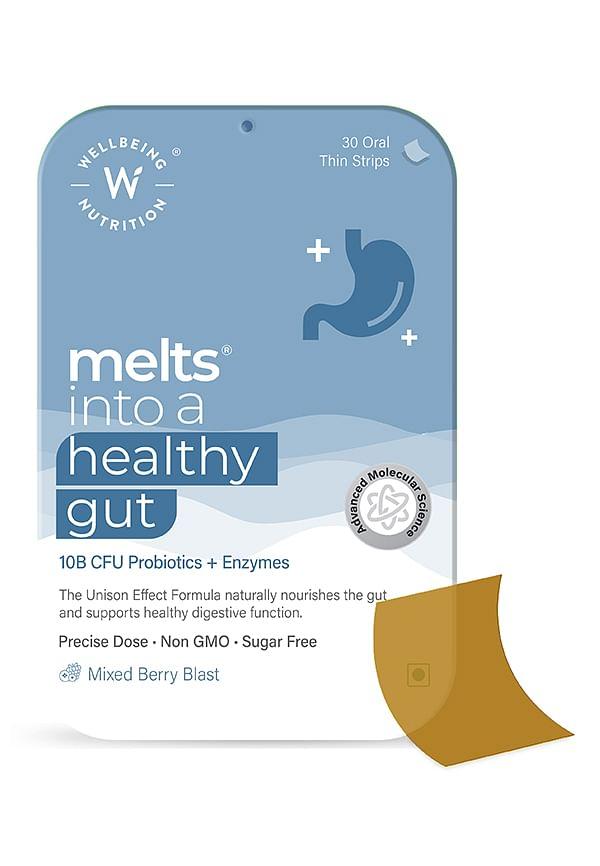
Melts Healthy Gut - Plant Based Probiotic
Great for Digestion
 5
5“really good for your stomach thank you”
Probiotics are basically reinforcements for your gut—live beneficial bacteria that help restore balance to your microbiome. The probiotics benefits go way beyond just digestive health; they can boost immunity, improve mood, and even help with skin conditions.
Fermented foods are nature's probiotics, and they're often more effective than supplements because they contain multiple strains of beneficial bacteria plus the nutrients they need to thrive.
Yoghurt with live cultures - Look for labels that say "contains live and active cultures"
Kimchi and sauerkraut - Choose unpasteurised versions from the chilled section
Kefir - This fermented milk drink is like yoghurt's more potent cousin
Miso paste - Perfect for soups and marinades
Kombucha - Just watch the sugar content
Tempeh - A brilliant plant-based protein source
If you're new to fermented foods, start small. Your gut needs time to adjust, and diving in too quickly might leave you feeling bloated or gassy. Begin with a tablespoon of sauerkraut or a small pot of yoghurt daily, then gradually increase as your system adapts.
Think of prebiotics as food for your probiotics. These special types of fibre can't be digested by your body, but they're absolute gold for your beneficial gut bacteria. Prebiotics foods help improve gut flora by giving the good bacteria exactly what they need to thrive and multiply.
The beauty of prebiotics is that they're found in everyday foods you probably already enjoy:
Garlic, onions, and leeks - The allium family is prebiotic royalty
Bananas - Especially slightly green ones with resistant starch
Apples - The pectin in apple skin is particularly beneficial
Jerusalem artichokes - Also called sunchokes, these are prebiotic superstars
Asparagus - Delicious and gut-friendly
Oats - Beta-glucan fibre feeds beneficial bacteria
Chicory root - Often found in coffee alternatives
The magic happens when you combine prebiotics with probiotics—this creates a synbiotic effect that's incredibly powerful for gut health. Try adding sliced banana to your yoghurt, or having kimchi with a meal that includes garlic and onions.
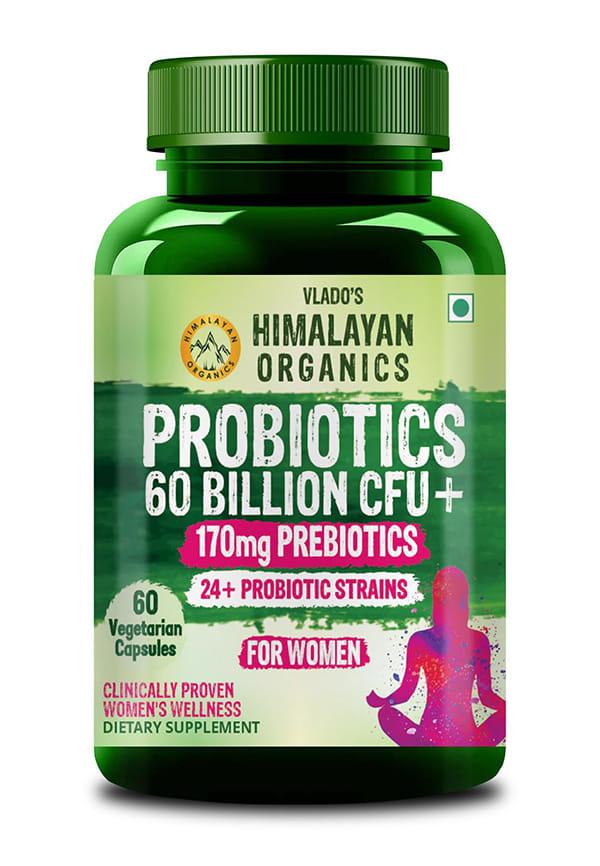
Probiotics Supplement 60 Billion CFU+ Gut Health Supplements
Food is crucial, but it's not the whole story. Your lifestyle choices can either support or sabotage your gut health efforts. The gut-brain connection means that stress, sleep, and movement all play massive roles in maintaining a healthy microbiome.
Chronic stress is like kryptonite for your gut bacteria. When you're stressed, your body produces cortisol, which can reduce the diversity of your microbiome and increase gut inflammation. Finding ways to manage stress isn't just good for your mental health—it's essential for digestive health too.
Try meditation or mindfulness apps for just 10 minutes daily
Practice deep breathing exercises
Consider yoga or gentle stretching
Spend time in nature when possible
Maintain social connections
Regular exercise increases microbiome diversity and helps beneficial bacteria flourish. You don't need to become a gym fanatic—even a daily 20-minute walk can make a difference. The key is consistency rather than intensity.
Let's be realistic about what to expect when you start focusing on how to balance gut microbiome naturally. Your gut didn't get out of whack overnight, and it won't fix itself immediately either. But the good news is that you can start feeling better relatively quickly.
Week 1-2: You might experience some initial adjustments as your gut bacteria start to shift. Some people feel a bit bloated or gassy as their system adapts to new foods. This is completely normal and usually settles down quickly.
Week 3-4: This is when the magic starts happening. You'll likely notice improvements in energy levels, digestion, and possibly even mood. Your bowel movements should become more regular, and that afternoon energy crash might disappear.
Month 2-3: By now, your new gut bacteria have had time to establish themselves properly. Many people report clearer skin, better sleep, fewer cravings, and improved immunity during this phase.
If you're experiencing bloating or gas when you first increase fibre and fermented foods, don't panic. Reduce the amount slightly and build up more gradually. Your gut bacteria need time to adjust to their new diet. Drinking plenty of water and gentle movement can help ease any discomfort.
Platforms like Smytten make it easier to explore wellness products that support your gut health journey. With over 1,500 trusted brands and the ability to try products before committing to full sizes, you can discover what works for your unique needs without the guesswork. Whether it's probiotics, digestive enzymes, or other wellness supplements, being able to trial products first takes the risk out of finding your perfect gut health routine.

Gut Cleansner
Start with diet changes: increase plant diversity, add fermented foods daily, and reduce processed foods. Focus on stress management and regular sleep patterns. Most people see improvements within 2-4 weeks of consistent changes.
There's no magic overnight fix, but combining probiotics and prebiotics foods whilst reducing sugar and processed foods can show results within a few weeks. Consistency is more important than speed for lasting changes.
Initial improvements often happen within 2-4 weeks, but full restoration can take 3-6 months depending on your starting point and how consistently you stick to gut-friendly habits.
Common signs include digestive issues, frequent illness, skin problems, mood changes, fatigue, food cravings, and sleep disturbances. These symptoms often improve as gut health improves.
Absolutely! Food-based approaches using fermented foods, diverse plants, and lifestyle changes are often more effective than supplements. Focus on whole foods first, and consider supplements only if needed.
Balancing your gut microbiome naturally isn't about perfection—it's about progress. Start with small, sustainable changes like adding one fermented food to your daily routine or aiming for more plant variety in your meals. Your gut bacteria are incredibly resilient and responsive to positive changes, so even small steps can lead to significant improvements in how you feel.
Remember, everyone's gut is unique, so what works brilliantly for your mate might need tweaking for you. Pay attention to how your body responds and adjust accordingly. With platforms like Smytten, you can explore wellness products and supplements to support your journey without the commitment of full-size purchases. The ability to try before you buy means you can find what truly works for your individual needs, making your path to better gut health both affordable and personalised.
The most important thing is to start somewhere. Your future self will thank you for taking that first step towards better digestive health today. After all, why settle for feeling 'okay' when you can discover what makes you feel absolutely brilliant?
