How to Achieve Sustainable Women's Weight Management


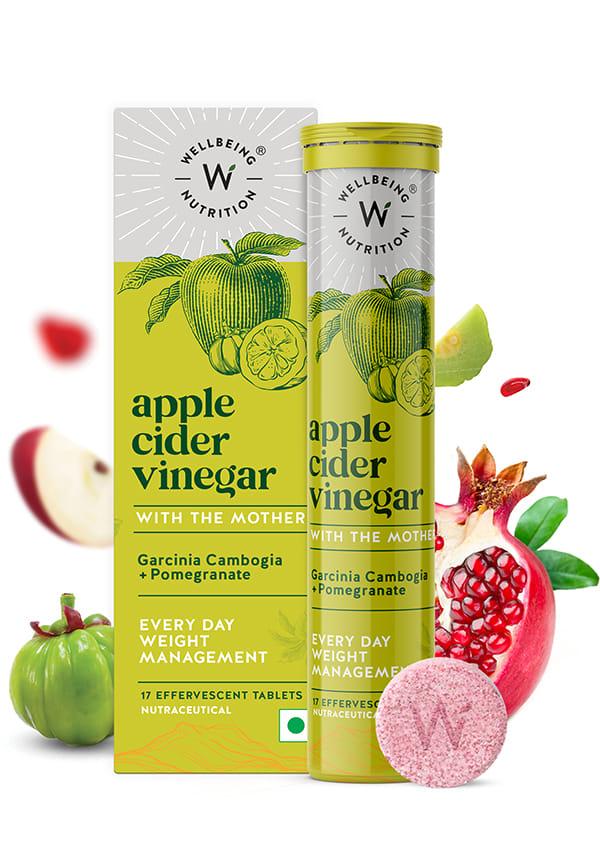
Apple Cider Vinegar with the Mother and Garcinia Cambogia , Pomegranate
Let's be real—women's weight management isn't just about eating less and moving more. Your body works differently than your mate's, your hormones have their own agenda, and what worked for your friend might leave you feeling frustrated. The good news? Once you understand how female physiology actually works, sustainable weight management becomes so much more achievable. We're talking about strategies that work with your body, not against it, and create lasting changes that fit into your actual life.
Here's something most diet plans won't tell you: women face completely different weight management challenges than men. Your hormones, metabolism, and even how you store fat are all uniquely female. Understanding these differences is your first step towards sustainable success.
Your hormones are basically running the show when it comes to weight management. Oestrogen affects where you store fat (hello, hips and thighs), whilst progesterone can make you feel hungrier during certain times of the month. Cortisol, your stress hormone, loves to encourage belly fat storage when you're overwhelmed.
During your menstrual cycle, you might notice weight fluctuations of 2-5 pounds—that's completely normal. The week before your period, progesterone peaks, which can increase appetite and water retention. Understanding this pattern helps you avoid the scale-induced panic that derails so many wellness journeys.
Most diet plans were designed with male physiology in mind. Women typically have 6-11% more body fat than men naturally, slower metabolisms, and different muscle-building capabilities. That "eat 1,200 calories and do cardio" approach? It often backfires for women by slowing metabolism and increasing cortisol.
The biggest mistake? Treating all women the same. A 25-year-old student has different needs than a 35-year-old working mum or a 45-year-old navigating perimenopause. Your approach needs to be as unique as you are.
Sustainable weight management for women isn't about quick fixes—it's about understanding how your body actually works and creating strategies that support your natural rhythms. The key is working with your female physiology, not fighting against it.
Women's basal metabolic rate is typically 5-10% lower than men's, even when accounting for size differences. This means you burn fewer calories at rest, but it doesn't mean you're doomed to struggle with weight management. It just means you need a smarter approach.
Rather than drastically cutting calories, focus on eating enough to fuel your metabolism. Most women need at least 1,500-1,800 calories daily for healthy function. Going too low triggers your body's survival mode, slowing metabolism and making weight loss harder.
Here's where things get exciting: muscle tissue burns calories even when you're sleeping. Women who include strength training in their routine see better long-term weight management results than those who only do cardio.
Building muscle doesn't mean getting bulky—women don't have enough testosterone for that. Instead, you'll develop lean, strong muscles that boost your metabolism and help you maintain your results long-term.
Forget restrictive diets that leave you hangry and obsessing over food. Sustainable healthy eating for women is about nourishing your body with foods that support your hormones, energy levels, and overall wellness.
Focus on nutrient-dense whole foods that support hormonal balance. Include protein at every meal to maintain muscle mass and keep you satisfied. Aim for colourful vegetables, healthy fats like avocados and nuts, and complex carbohydrates that provide steady energy.
Portion control doesn't mean tiny portions—it means eating the right amounts for your body and activity level. A good rule of thumb: fill half your plate with vegetables, one quarter with lean protein, and one quarter with complex carbs.
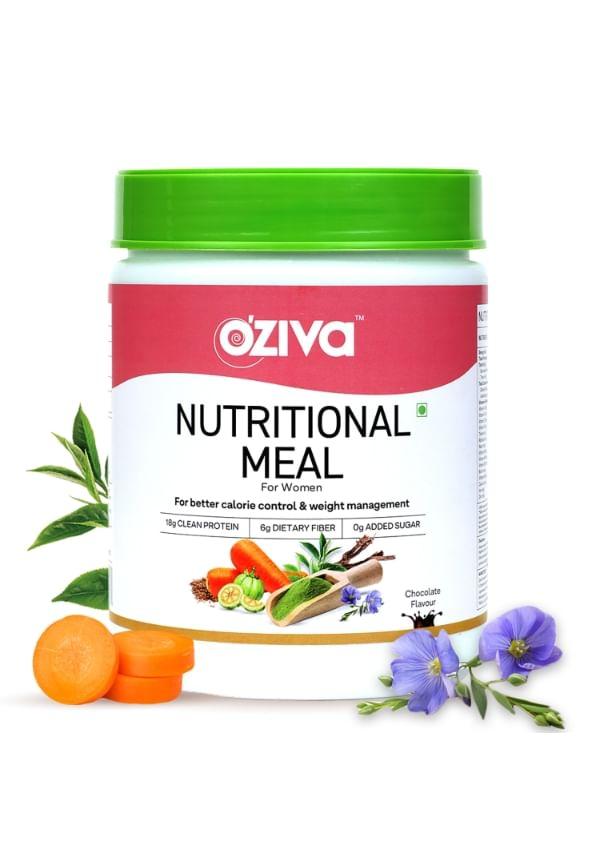
Nutritional Meal Women for Weight Management, Meal Replacement Shake, Chocolate
Breakfast options:
Greek yoghurt with berries and nuts
Vegetable omelette with whole grain toast
Smoothie with protein powder, spinach, and fruit
Lunch ideas:
Quinoa salad with chickpeas and vegetables
Grilled chicken with sweet potato and greens
Lentil soup with whole grain bread
Dinner options:
Baked fish with roasted vegetables
Stir-fried tofu with brown rice
Lean meat with quinoa and steamed broccoli
Refined carbohydrates and processed foods can wreak havoc on women's hormones and blood sugar levels. These foods cause rapid spikes and crashes in energy, leading to increased cravings and overeating.
Instead of completely eliminating foods, focus on crowding out processed options with whole food alternatives. Swap white bread for whole grain, choose fresh fruit over sugary snacks, and opt for home-cooked meals when possible.
The right exercise routine for women combines strength training, cardiovascular exercise, and flexibility work. This balanced approach supports weight management whilst building the strong, capable body you deserve.
Strength training is absolutely crucial for sustainable weight management in women. It builds lean muscle mass, increases metabolism, and helps maintain bone density—especially important as oestrogen levels change with age.
Start with bodyweight exercises like squats, push-ups, and planks. As you get stronger, add weights or resistance bands. Aim for 2-3 strength training sessions per week, focusing on all major muscle groups.
Cardiovascular exercise supports heart health and can aid weight management, but it doesn't have to mean hours on the treadmill. High-intensity interval training (HIIT) can be particularly effective for women, providing maximum benefits in minimal time.
Mix up your cardio routine with activities you actually enjoy—dancing, swimming, hiking, or cycling. The best exercise is the one you'll actually do consistently.
Targeted exercises can help strengthen and tone areas that are important to you. Core strengthening exercises improve posture and reduce back pain, whilst glute exercises support hip stability and lower body strength.
Remember, you can't spot-reduce fat from specific areas, but you can build strength and muscle definition that enhances your natural shape and makes you feel confident and strong.
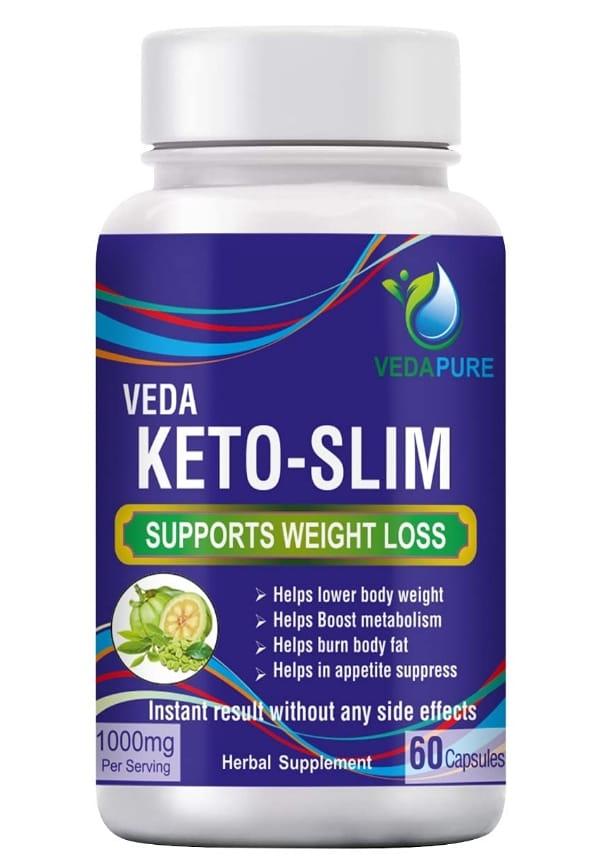
Keto Slim Supports Weight Loss Green Tea & Coffee
Sustainable weight management extends far beyond diet and exercise. Your sleep, stress levels, and daily habits all play crucial roles in your success. Let's explore how to optimise these factors for long-term wellness.
Poor sleep disrupts hormones that control hunger and satiety, making weight management significantly harder. When you're sleep-deprived, ghrelin (hunger hormone) increases whilst leptin (fullness hormone) decreases.
Aim for 7-9 hours of quality sleep nightly. Create a relaxing bedtime routine, keep your bedroom cool and dark, and avoid screens for at least an hour before bed. Your weight management efforts will thank you.
Chronic stress elevates cortisol, which encourages fat storage around the midsection and increases cravings for high-calorie comfort foods. Learning to manage stress isn't just good for your mental health—it's essential for sustainable weight management.
Try stress-reduction techniques like deep breathing, meditation, yoga, or simply taking regular walks in nature. Find what works for you and make it a non-negotiable part of your routine.
Proper hydration supports metabolism, helps control appetite, and can even boost energy levels. Sometimes what feels like hunger is actually thirst in disguise.
Aim for 8-10 glasses of water daily, more if you're active or live in a hot climate. Add lemon, cucumber, or mint for flavour without calories. Herbal teas also count towards your fluid intake.
Let's address some of the most common questions about women's weight management with evidence-based, sustainable answers that actually work long-term.
The healthiest rate of weight loss for women is 0.5-1 kg per week. This might seem slow, but it's the sweet spot for losing fat whilst preserving muscle mass and keeping your metabolism healthy.
Rapid weight loss often leads to muscle loss, metabolic slowdown, and eventual weight regain. Slow and steady truly does win the race when it comes to sustainable results.
Natural, permanent weight loss comes from creating sustainable lifestyle changes rather than following restrictive diets. Focus on building healthy habits you can maintain for life, not quick fixes that leave you feeling deprived.
The key is making small, consistent changes that add up over time. Replace one processed snack with fruit, add a 10-minute walk to your day, or swap sugary drinks for water. These small shifts create lasting transformation.
Whilst some supplements may support weight management, they're never magic bullets. Focus on getting nutrients from whole foods first, then consider supplements to fill specific gaps.
Be wary of products promising rapid results or containing stimulants that could affect your hormones. When in doubt, consult with a healthcare professional before adding supplements to your routine.
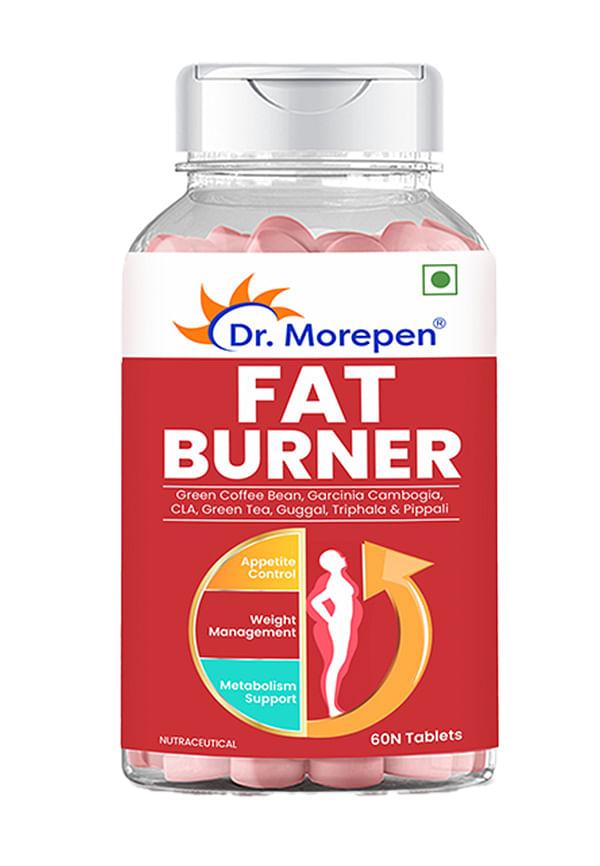
Fat Burner Tablets with Green Coffee, Garcinia Cambogia, CLA, Green Tea & Caralluma
Sustainable women's weight management is about creating a lifestyle that supports your goals whilst fitting into your real life. This means setting realistic expectations and building systems that work for the long haul.
Set SMART goals that are specific, measurable, achievable, relevant, and time-bound. Instead of "lose weight fast," try "walk 30 minutes daily for the next month" or "include protein at every meal this week."
Track progress beyond the scale—notice improvements in energy, sleep quality, strength, or how your clothes fit. These non-scale victories often matter more than the number on the scale.
Surround yourself with people who support your wellness goals. This might include workout buddies, online communities, or professional support from nutritionists or personal trainers.
Don't underestimate the power of accountability. Having someone to share your journey with makes the process more enjoyable and increases your chances of long-term success.
Maintenance is where the real work begins. Once you've reached your goals, the focus shifts from losing weight to maintaining your new healthy lifestyle. This requires ongoing attention to your habits and regular adjustments as your life changes.
Remember that your needs will evolve over time. What works in your twenties might need tweaking in your thirties or forties. Stay flexible and willing to adapt your approach as needed.
Speaking of discovering what works for you, platforms like Smytten make it easier to explore wellness products without the commitment of full-size purchases. With trial packs from trusted brands, you can experiment with different supplements, protein powders, or wellness products to find what supports your unique journey. After all, why settle for 'maybe' when you can try it all and discover what truly works for your body?
The safest and most effective approach for women is 0.5-1 kg per week through balanced nutrition, regular exercise, and lifestyle modifications that support hormonal health. Quick fixes often backfire by slowing metabolism and causing muscle loss.
Focus on whole foods, regular physical activity, adequate sleep, stress management, and proper hydration. These natural approaches support your body's natural weight regulation systems without restrictive dieting.
Women have different hormone profiles, typically slower metabolisms, and different fat storage patterns than men. These factors require tailored approaches that work with female physiology rather than against it.
Hormones like oestrogen, progesterone, and cortisol significantly impact appetite, metabolism, and fat storage in women. Understanding these fluctuations helps create more effective and sustainable weight management strategies.
Strength training is crucial for women as it builds lean muscle mass, which increases metabolism and helps maintain weight loss long-term. It also supports bone health and functional strength.
Sustainable women's weight management isn't about following the latest fad diet or punishing yourself with extreme restrictions. It's about understanding your unique female physiology and creating a lifestyle that supports your health, energy, and confidence.
Remember that your journey is uniquely yours. What works for your friend or favourite influencer might not be right for you, and that's perfectly okay. Focus on building habits that make you feel strong, energised, and confident in your own skin. The goal isn't perfection—it's progress, one sustainable choice at a time.
