How to Achieve Mindful Flow State for Enhanced Focus

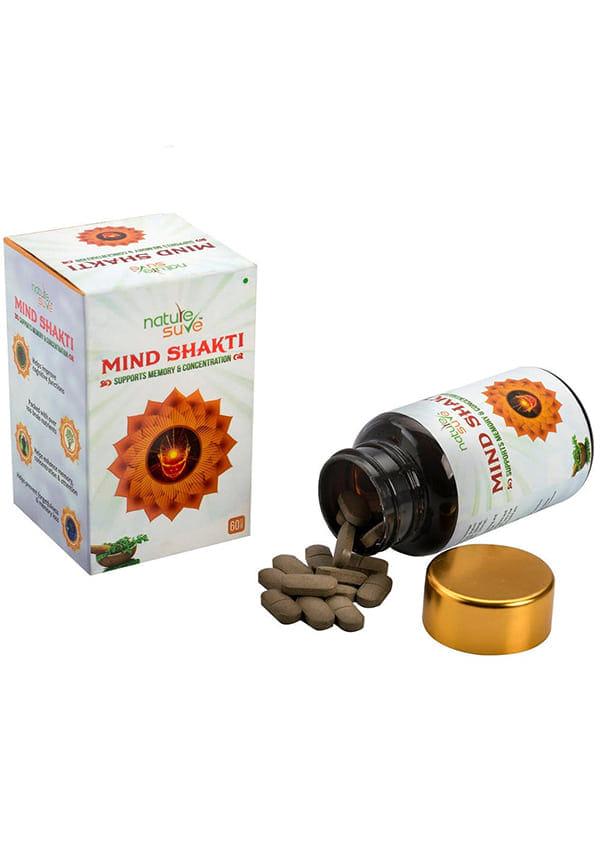
Mind Shakti Tablets for Memory & Concentration in Men & Women
Ever felt like you're moving through life on autopilot, struggling to focus on what truly matters? You're definitely not alone. In our hyperconnected world, finding that sweet spot where mindfulness meets peak performance feels almost impossible. That's where mindful flow state comes in—a game-changing approach that combines the awareness of mindfulness with the effortless focus of flow. Unlike traditional meditation where you sit still, mindful flow lets you find your zone while actively engaged in activities you love. Whether you're working on a project, practising yoga, or even cooking dinner, learning how to mindful flow can transform ordinary moments into deeply satisfying experiences. Smytten understands this journey of discovery, offering wellness products that support your mindful living goals through their trial-first approach.
TL;DR
Mindful flow state combines mindfulness awareness with flow's effortless focus for enhanced performance and wellbeing
Science shows flow state can improve focus by up to 40% while reducing stress and boosting creativity
Seven essential techniques help beginners achieve flow: breath-synchronized movement, attention focusing, and environmental preparation
A three-phase approach (preparation, entry, maintenance) provides a structured path to cultivating flow
Personalising your practice and overcoming common obstacles ensures sustainable long-term benefits
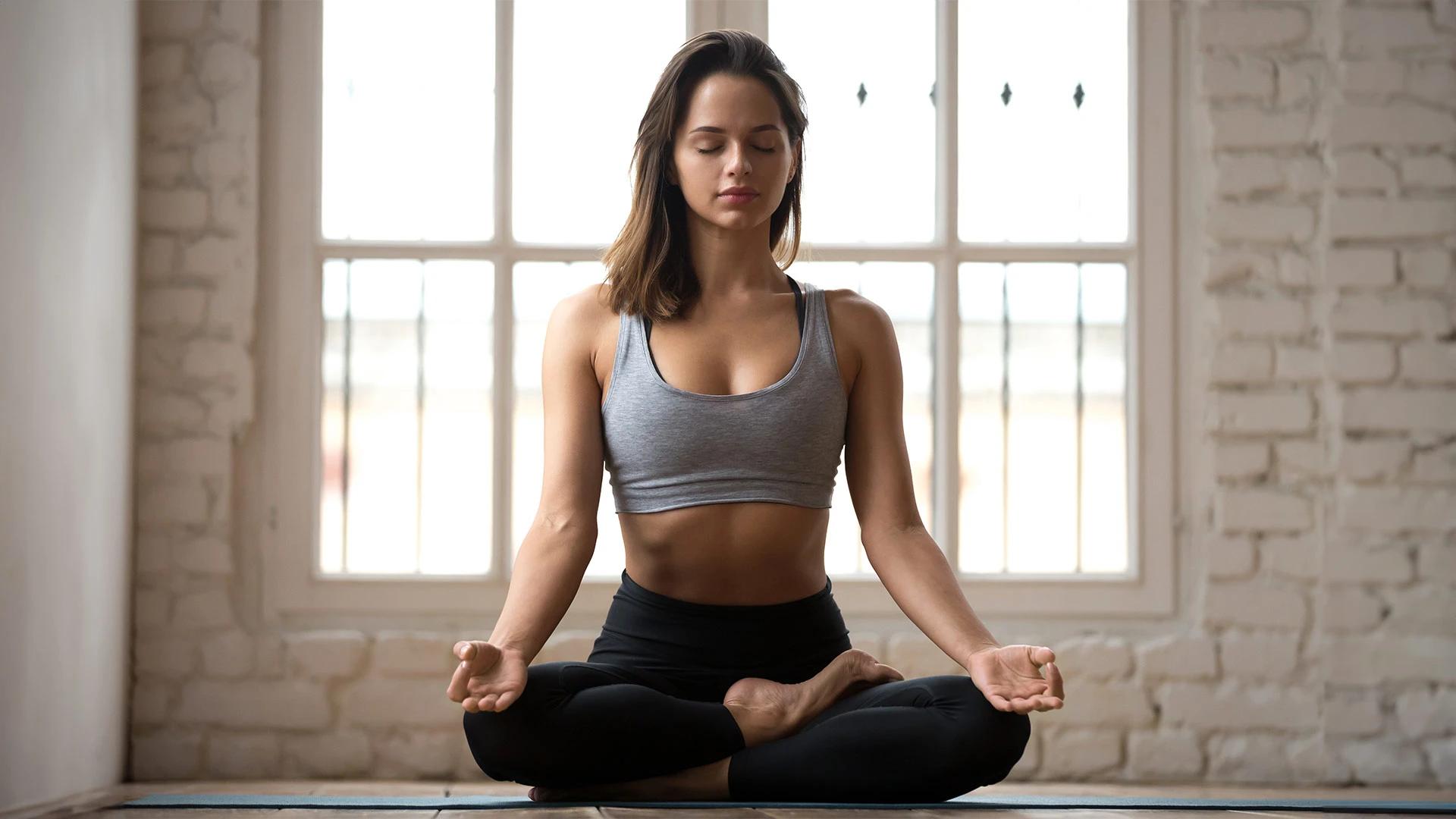
Think of mindful flow state as the perfect marriage between being present and being in the zone. While traditional flow state focuses purely on peak performance and losing yourself in an activity, mindful flow state adds a layer of conscious awareness. You're fully absorbed in what you're doing, yet simultaneously aware of your thoughts, feelings, and bodily sensations without getting caught up in them.
The neuroscience behind this is pretty fascinating. When you achieve flow state, your brain's prefrontal cortex—the area responsible for self-criticism and overthinking—actually downregulates. Meanwhile, areas linked to focus and pattern recognition light up. Adding mindfulness to this mix creates what researchers call "meta-cognitive awareness," where you can observe your mental state without disrupting your flow. This mindful flow state differs from sitting meditation because you're actively engaged while maintaining that observer consciousness.
Real-world applications go way beyond yoga studios. You might find your mindful flow while writing, coding, painting, or even washing dishes. The key is that balance between challenge and skill, paired with present-moment awareness. This combination leads to better emotional regulation, reduced anxiety, and that satisfying feeling of being fully alive and engaged.
Let's talk about what actually happens when you master this practice. Research from leading neuroscience labs shows some pretty impressive flow state benefits that go beyond just feeling good in the moment.
Studies indicate that people in flow state show up to 40% improvement in focus and concentration compared to their baseline performance. Your brain literally rewires itself for better attention control. The default mode network—that chatty inner voice that's always planning or worrying—quiets down significantly, giving you mental space you didn't know you had.
Stress reduction is another major win. When you're in mindful flow, cortisol levels drop while feel-good neurotransmitters like dopamine and norepinephrine increase. This isn't just temporary relief; regular flow state practice creates lasting changes in how your nervous system responds to stress. Your creativity gets a boost too, as the brain's pattern recognition abilities heighten and you start making connections you might normally miss.
Long-term practitioners often report improved problem-solving abilities, better emotional resilience, and increased life satisfaction. Unlike traditional mindfulness practices that primarily focus on acceptance and observation, mindful flow actively engages your skills and challenges, creating a more dynamic path to wellbeing.
Ready to dive into the practical stuff? These flow state techniques form the foundation of any successful practice. Think of them as your toolkit for finding your flow, whether you've got five minutes or an hour.
Start with simple activities where you can match your breathing to your movements. This could be walking where each step aligns with an inhale or exhale, or gentle stretching where you breathe into each pose. This synchronisation creates an immediate bridge between mind and body.
Begin with broad awareness of your entire environment, then gradually narrow your focus to specific sensations, sounds, or visual details. This technique trains your attention like a muscle, making it easier to slip into deeper states of concentration.
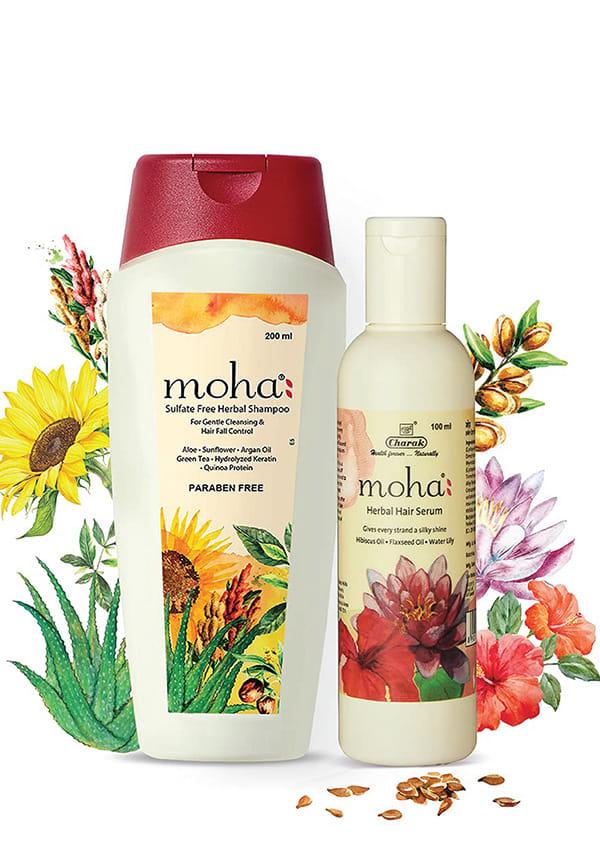
Sulfate Free Herbal Shampoo + Herbal Hair Serum
Choose activities that stretch your abilities without overwhelming you. Too easy and you'll get bored; too hard and you'll get anxious. The sweet spot is about 4% beyond your current comfort zone—challenging enough to engage you fully but manageable enough to maintain confidence.
Create a distraction-free zone. This means phones on silent, comfortable temperature, and removing visual clutter. Your environment should support rather than compete for your attention.
Set clear, specific objectives for your flow session. Instead of "I want to feel relaxed," try "I want to focus completely on this task for the next 20 minutes." Clarity of purpose helps your brain know what to prioritise.
Regularly check in with physical sensations while maintaining your activity. Notice tension, comfort, energy levels, and breathing patterns without trying to change anything—just observe.
Develop consistent pre-flow routines that signal to your brain it's time to shift gears. This might be three deep breaths, a specific playlist, or a brief intention-setting moment.
Now let's break down exactly how to achieve flow state with a structured approach that works whether you're a complete beginner or looking to deepen your existing practice.
Start by setting up your space and mindset. Remove distractions, set your phone to do not disturb, and choose your activity mindfully. Spend a moment clarifying your intention—what do you want to focus on and why? Take three conscious breaths to ground yourself in the present moment. This preparation phase is crucial because it creates the conditions for flow to naturally emerge.
Begin your chosen activity with gentle focus on your breathing. Don't force concentration; instead, allow your attention to naturally settle on the task at hand. Notice when your mind wanders and gently guide it back without judgment. Start with easier aspects of your activity before progressing to more challenging elements. This gradual entry helps your nervous system relax into the flow state rather than forcing it.
Once you feel settled and focused, maintain your awareness while allowing the activity to unfold naturally. Trust your instincts and let your skills guide you. If you notice your mind getting chatty or distracted, use your breath as an anchor to return to the present. The key is balancing effort with ease—you're engaged but not straining.
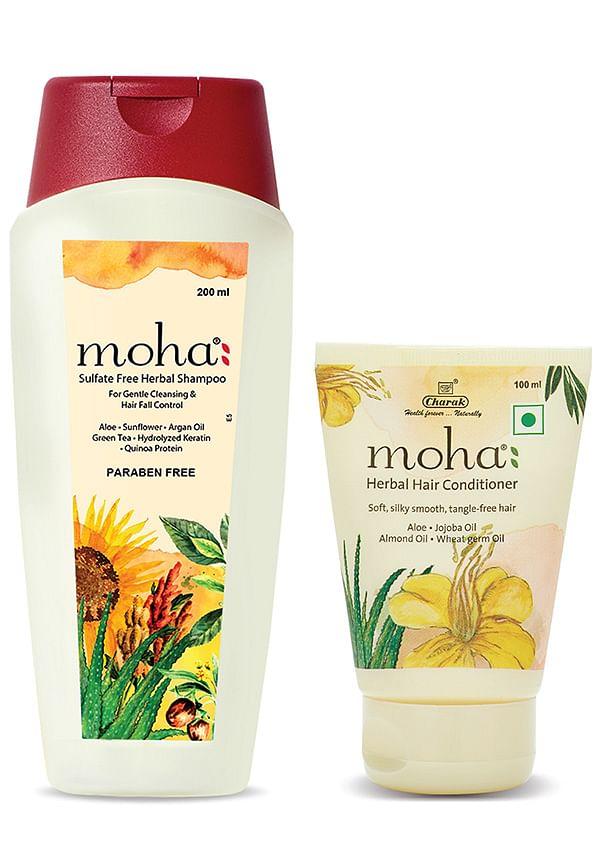
Sulfate Free Herbal Shampoo + Herbal Hair Conditioner
The beauty of combining mindfulness and flow is that you can practise almost anywhere. These flow state exercises fit into real life, making your daily activities opportunities for deeper engagement and presence.
Try flow state meditation through walking or gentle yoga. Focus on the rhythm of your steps or the transition between poses. Let your breath guide the pace rather than rushing through movements. This creates a moving meditation that's perfect for people who struggle with sitting still.
Transform your work tasks into flow opportunities. Choose one project and commit to single-tasking for a set period. Turn off notifications, clear your desk, and approach the work with curiosity rather than pressure. Notice how different this feels from multitasking chaos.
Whether you're writing, drawing, or problem-solving, start with a few minutes of mindful observation. Notice colours, textures, or ideas without immediately acting on them. Then begin creating with full attention on the process rather than the outcome.
Don't have hours to spare? Try five-minute flow sessions during daily activities like making tea, folding laundry, or even brushing your teeth. The key is bringing complete attention to simple tasks you normally do on autopilot.
Here's the thing about cultivating flow—it's deeply personal. What works for your mate might not work for you, and that's completely normal. The key is experimenting with different approaches until you find your unique flow triggers.
Start by noticing when you naturally lose track of time in a good way. Maybe it's while cooking, gardening, playing music, or working on puzzles. These activities give you clues about your personal flow preferences. Some people need complete silence; others thrive with background music. Some prefer morning sessions; others find their zone in the evening.
Create your own flow ritual that feels authentic to you. This might include specific scents, lighting, or even particular clothes that help you transition into a focused state. Track what works by keeping a simple flow journal—just note when you felt most engaged and what conditions supported that state.
Remember, building consistency doesn't mean forcing yourself into rigid schedules. Instead, look for natural opportunities throughout your week where you can practise mindful flow. The goal is integration, not perfection.
Let's be real—achieving mindful flow isn't always smooth sailing. Most people hit similar roadblocks, and knowing what to expect can help you navigate these challenges with more ease.
Overthinking is probably the biggest flow killer. When your inner critic starts commentating on your performance, acknowledge those thoughts without engaging with them. Think of them like background noise—present but not requiring your attention. Return to your breath or the physical sensations of your activity.
Perfectionism can also sabotage your flow practice. Remember, the goal isn't to achieve some ideal state; it's to engage fully with whatever you're doing right now. Some sessions will feel amazing, others might feel scattered, and both are completely normal parts of the process.
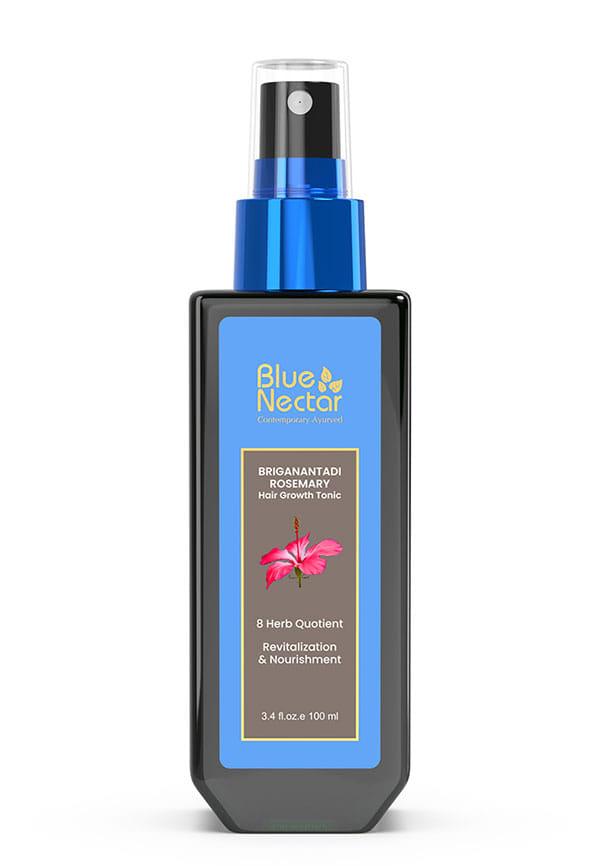
Hair Spray Tonic with Almond Rosemary Oil for smooth styling Hair Serum 8 herbs
Time constraints often stress people out before they even begin. Start with whatever time you have—even five minutes of mindful attention is valuable. Quality matters more than quantity, and short, consistent practices often yield better results than sporadic long sessions.
Physical discomfort can be distracting, but it doesn't have to end your flow session. Notice discomfort without immediately trying to fix it. Sometimes shifting position helps; other times, simply acknowledging the sensation allows you to continue with your practice.
The five key mindfulness steps for flow are: awareness of breath, present-moment attention, non-judgmental observation, acceptance of what arises, and gentle redirection when distracted. These create the mental conditions that allow flow to emerge naturally.
Most beginners can experience brief moments of flow within a few weeks of consistent practice. Deeper, more sustained flow states typically develop over 2-3 months of regular practice. Remember, even short glimpses of flow are valuable and worth celebrating.
Absolutely! While yoga is one pathway to mindful flow, you can achieve this state through any activity that engages your skills and attention. Walking, cooking, writing, or even cleaning can become flow practices when approached mindfully.
Traditional mindfulness meditation focuses on observing thoughts and sensations while remaining still. Flow state involves active engagement in challenging activities. Mindful flow combines both—you're actively doing something while maintaining present-moment awareness.
Common signs include losing track of time, feeling effortlessly focused, reduced self-consciousness, and a sense of being fully present. You might notice your breathing becomes natural and rhythmic, and your movements feel fluid and coordinated. Available wellness products on Smytten can support your mindful practices through their trial-first approach.
Mindful flow state offers a practical path to enhanced focus and wellbeing that fits into modern life. By combining the awareness of mindfulness with the engagement of flow, you create opportunities for deeper satisfaction and performance in daily activities. The science backs up what practitioners have long known—regular flow state practice literally rewires your brain for better attention, creativity, and stress resilience.
Start small with the seven essential techniques, focusing on breath-synchronized movement and environmental preparation. Use the three-phase approach to structure your sessions, but remember that personalisation is key. What matters most is consistent practice rather than perfect execution. Common obstacles like overthinking and perfectionism are normal parts of the journey, not signs that you're doing something wrong.
Whether you have five minutes or an hour, any activity can become a flow practice when approached with the right mindset. The goal isn't to escape from life but to engage with it more fully, finding those moments of effortless focus that make ordinary experiences extraordinary.
Discovering your personal path to mindful flow is a journey worth taking, and having the right support makes all the difference. Smytten is India's largest product discovery and trial platform, connecting you with top wellness brands that can enhance your mindful living practice. With curated trial packs from over 1,500 trusted brands, you can explore wellness products before committing to full-size purchases. Each mini is linked with Trial Points, and you can get up to 8 minis for just ₹249, plus enjoy 100% cashback on trials redeemable for future orders. Whether you're looking for aromatherapy products, mindfulness tools, or wellness supplements to support your flow practice, Smytten's authentic brand-verified minis let you try before you buy. With PAN-India delivery and over 25 million users trusting the platform, finding products that align with your mindful flow journey has never been easier. After all, why settle for 'maybe' when you can #TryItAll!
