How to Achieve Holistic Health: A Complete Guide


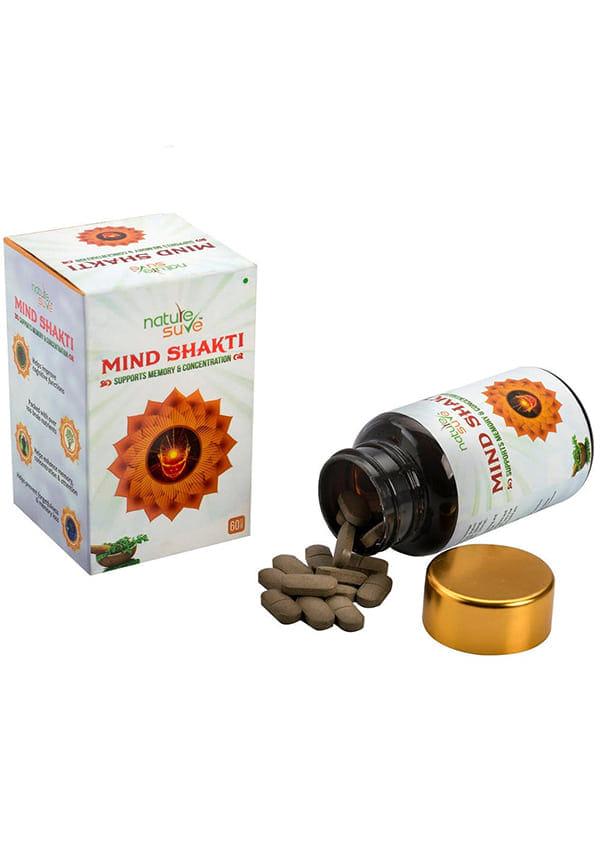
Mind Shakti Tablets for Memory & Concentration in Men & Women
Let's be real—when someone mentions achieving holistic health, it might sound like another wellness buzzword floating around your Instagram feed. But here's the thing: holistic health isn't about expensive retreats or complicated routines. It's about understanding that your mind, body, and spirit work together like the ultimate squad. When one's struggling, the others feel it too. Think of it as your personal wellness ecosystem where everything's connected. Whether you're dealing with stress from work, trying to build better habits, or simply wanting to feel more balanced, achieving holistic health is about creating harmony across all areas of your life. Ready to discover what this complete approach to wellbeing actually looks like?
Holistic health is basically the opposite of treating symptoms in isolation. Instead of just focusing on one issue at a time, it looks at you as a whole person. Your physical health affects your mental state, your emotional wellbeing impacts your relationships, and your spiritual connection influences everything else. The core principle is simple: true wellness happens when all parts of you are working in harmony. This means paying attention to your physical health through nutrition and fitness, nurturing your mental health with stress management and mindfulness, caring for your emotional wellbeing, building strong social connections, and finding spiritual meaning in your life. What makes this approach different from traditional healthcare is that it's proactive rather than reactive. Instead of waiting for problems to arise, holistic health focuses on prevention and balance. It's about creating a lifestyle that supports your overall wellbeing rather than just fixing things when they break. The benefits? You'll likely notice better energy levels, improved mood stability, stronger relationships, and a greater sense of purpose. Plus, when you're addressing root causes rather than just symptoms, you're setting yourself up for long-term success.
Think of achieving holistic health like building a house—you need a solid foundation in all five key areas. Each component supports the others, creating a strong structure for your overall wellbeing.
This is where most people start, and for good reason. Your physical health includes nutrition, fitness, sleep, and preventive care. When your body feels good, everything else becomes easier to manage.
Your mental health covers how you think, process information, and handle challenges. It's about maintaining cognitive function, managing stress, and keeping your mind sharp and resilient.

ACV Moringa Hot Mix | Control Cravings & Boost Metabolism |Desi Kahwa
Emotional wellness involves understanding and managing your feelings, developing emotional intelligence, and building resilience. It's about having healthy ways to express and process emotions.
Humans are social creatures, and our relationships significantly impact our wellbeing. Social health focuses on building meaningful connections, maintaining healthy boundaries, and feeling supported by your community.
Spiritual wellness isn't necessarily about religion—it's about finding purpose, meaning, and connection to something greater than yourself. This could be through nature, personal values, or spiritual practices that resonate with you.
Your physical health is like the foundation of your wellness house—everything else builds on top of it. The good news? You don't need to become a fitness influencer or follow the latest diet trend to create a solid foundation. Start with nutrition that actually works for your lifestyle. Focus on eating whole foods most of the time, staying hydrated, and listening to your body's hunger cues. Real talk: the best nutrition plan is one you can stick to long-term. This might mean meal prepping on Sundays, keeping healthy snacks handy, or finding simple recipes that don't require a culinary degree. Fitness doesn't have to mean gruelling gym sessions either. Find movement you actually enjoy—whether that's dancing, hiking, yoga, or playing with your pets. The goal is consistency, not perfection. Even a 20-minute walk daily can make a significant difference to your physical and mental health. Sleep is where the magic happens for recovery and restoration. Aim for 7-9 hours of quality sleep by creating a bedtime routine that signals to your body it's time to wind down. This might include limiting screen time before bed, keeping your room cool and dark, or trying some gentle stretches. Don't forget about preventive healthcare—regular check-ups, dental visits, and health screenings help catch potential issues early. Think of it as maintenance for your body, just like you'd service your car.

Kanchnar Guggulu by Ayurveda
Your mental and emotional health deserve the same attention you give to your physical wellness. The beautiful thing about mindfulness is that it bridges both areas, helping you develop awareness and resilience. Stress management starts with recognising your stress signals. Maybe you clench your jaw, feel tension in your shoulders, or notice your thoughts racing. Once you identify these patterns, you can implement coping strategies that work for you. This might include deep breathing exercises, progressive muscle relaxation, or simply taking a few minutes to step outside. Mindfulness doesn't require hours of meditation (though that's lovely if you enjoy it). You can practice mindfulness while washing dishes, walking to work, or eating your lunch. It's about being present in the moment rather than constantly thinking about the past or future. Building emotional resilience involves developing healthy ways to process and express your feelings. This might mean journaling, talking to trusted friends, or working with a mental health professional. Remember, seeking help is a sign of strength, not weakness. Cognitive strategies like challenging negative thought patterns and practising gratitude can help maintain mental clarity. When you notice yourself spiralling into worst-case scenarios, try asking yourself: "Is this thought helpful? Is it true? What would I tell a friend in this situation?"
Your relationships and sense of purpose play a massive role in your overall wellbeing. Strong social connections aren't just nice to have—they're essential for your health. Building meaningful relationships starts with being intentional about the people you spend time with. Quality trumps quantity every time. Focus on nurturing relationships that feel supportive, authentic, and reciprocal. This might mean scheduling regular catch-ups with close friends, joining groups based on your interests, or volunteering for causes you care about. Community involvement doesn't have to be overwhelming. Start small—maybe it's participating in a local book club, joining a fitness class, or helping out at community events. The goal is to feel connected to something larger than yourself. Spiritual wellness is deeply personal and looks different for everyone. For some, it's traditional religious practices. For others, it might be spending time in nature, practising meditation, or exploring personal values and beliefs. The key is finding what gives your life meaning and purpose. Work-life balance is crucial for maintaining these connections. Set boundaries around work hours, make time for relationships and activities you enjoy, and remember that saying no to some things means saying yes to what matters most. This is where platforms like Smytten can support your wellness journey. With access to trial packs from trusted wellness brands, you can explore different self-care products without the commitment of full-size purchases, making it easier to find what works for your unique needs.
Self-care isn't just bubble baths and face masks (though those can be lovely). It's about creating sustainable habits that support your overall wellbeing without burning you out. Daily wellness routines work best when they're simple and flexible. Start with just one or two habits—maybe it's drinking a glass of water when you wake up, taking three deep breaths before checking your phone, or writing down one thing you're grateful for each day. Once these become automatic, you can add more. Time management for wellness means treating your wellbeing like the priority it is. Schedule self-care activities just like you would any other important appointment. This might mean blocking out time for exercise, meal prep, or simply doing nothing. Creating supportive environments at home and work makes healthy choices easier. Keep nutritious snacks visible, set up a cosy reading corner, or add plants to your workspace. Small environmental changes can have a big impact on your daily choices. Technology can either support or hinder your wellness goals. Use apps that genuinely help you—maybe a meditation app, fitness tracker, or meal planning tool. But also set boundaries around social media and news consumption to protect your mental health. Wellness doesn't have to break the bank. Many effective strategies cost nothing—walking, breathing exercises, spending time with loved ones, or enjoying nature. When you do invest in wellness products, platforms like Smytten let you try before you commit, helping you make smarter choices with your wellness budget.
Start by choosing one area to focus on first—maybe improving your sleep or adding more movement to your day. Once that becomes a habit, gradually add other components. The key is consistency over perfection. Set realistic goals, track your progress, and celebrate small wins along the way.

Biotin+ Advanced Tablets for Hair Growth, Glowing Skin & Healthy Nails with Multivitamins & Natural Extracts - 60 Tablets
The five pillars are physical health (nutrition, fitness, sleep), mental health (cognitive wellness, stress management), emotional health (emotional intelligence, resilience), social health (relationships, community), and spiritual health (purpose, meaning). Each pillar supports the others, creating a balanced foundation for overall wellbeing.
Some changes, like improved energy from better sleep or mood boosts from exercise, can happen within days or weeks. Deeper changes, like building emotional resilience or establishing strong social connections, may take months. Focus on how you feel rather than just physical changes, and remember that progress isn't always linear.
Holistic health practices complement traditional medical care but shouldn't replace it. Always consult healthcare professionals for medical concerns, and view holistic approaches as supportive tools that work alongside conventional treatment. The best approach often combines both.
Start with simple practices like taking a 10-minute walk daily, practising gratitude, staying hydrated, connecting with a friend weekly, or spending a few minutes in nature. These small changes can create momentum for bigger lifestyle shifts without feeling overwhelming.
Achieving holistic health isn't about perfection—it's about progress and finding what works for your unique life. Remember that wellness is a journey, not a destination, and it's okay to have days when you're not firing on all cylinders. The beauty of holistic health is that small changes in one area often create positive ripple effects in others. When you start moving your body more, you might sleep better. When you manage stress effectively, your relationships might improve. When you feel connected to your purpose, everything else feels more manageable. Smytten understands that finding the right wellness products is part of this journey. With trial packs from over 1,500 trusted brands, you can explore different wellness solutions without the pressure of full-size commitments. Whether you're curious about new skincare routines, wellness supplements, or self-care products, the platform makes it easy to discover what supports your holistic health goals. After all, why settle for 'maybe' when you can try it all and find what truly works for you?
