How to Achieve Daily Wellness Goals Effortlessly



Nutritional Meal Women for Weight Management, Meal Replacement Shake, Chocolate
Let's be real—we all want to feel our best every single day, but sometimes it feels like achieving daily wellness goals requires a complete life overhaul. The good news? It doesn't have to be that complicated. Building a sustainable wellness routine is more about small, consistent actions than dramatic changes. Whether you're juggling work deadlines, family commitments, or just trying to find your groove, there are simple ways to weave well-being into your everyday life. The secret lies in making wellness feel effortless rather than overwhelming. Think of it as adding tiny upgrades to your day that compound into something pretty amazing over time.
Daily wellness goals are the small, actionable steps you take each day to support your overall well-being. Unlike those massive New Year resolutions that fizzle out by February, these are bite-sized habits that actually stick. We're talking about things like drinking an extra glass of water, taking a five-minute walk, or practising gratitude before bed. The magic happens in the compound effect. Just like how saving a small amount daily builds wealth over time, these mini wellness actions create significant changes in how you feel and function. Research shows that people who focus on daily habits are 42% more likely to achieve their long-term wellness goals compared to those who only think weekly or monthly.
Your brain loves patterns and predictability. When you repeat small wellness actions daily, they become automatic—requiring less willpower and mental energy. This is why brushing your teeth doesn't feel like a chore anymore; it's just what you do.
Daily wellness goals create a positive feedback loop. Each small win builds confidence and motivation for the next day. Before you know it, you've created a sustainable wellness routine that feels natural rather than forced.
Personal wellness isn't just about hitting the gym or eating salads (though those can be part of it). It's a holistic approach that touches every aspect of your life. Understanding these pillars helps you create a balanced wellness routine that actually works for your lifestyle.
This covers movement, nutrition, and sleep—the foundation of feeling good in your body. It doesn't mean becoming a fitness fanatic; even gentle stretching or choosing stairs over lifts counts.
Your cognitive health and stress management skills. This might involve learning something new, practising problem-solving, or simply giving your brain regular breaks from screens.
Understanding and managing your emotions effectively. This includes self-awareness practices, healthy ways to process feelings, and building emotional resilience.
Nurturing meaningful connections with others. Even introverts need some social interaction—it could be a quick chat with a neighbour or a video call with a friend.
Connecting with your sense of purpose and values. This doesn't have to be religious; it could be mindfulness, spending time in nature, or engaging in activities that feel meaningful to you.

Nutritional Meal Women for Weight Management, Meal Replacement Shake, Chocolate
Creating surroundings that support your well-being. This includes both your physical space and your relationship with the environment around you.
Here's where the rubber meets the road. These aren't pie-in-the-sky goals that require a complete lifestyle overhaul. They're practical, doable actions that can fit into even the busiest schedules.
• Take a five-minute walk during lunch break • Do desk stretches every hour • Park further away or get off the bus one stop early • Take phone calls standing up • Dance to one song whilst getting ready
• Add one extra serving of vegetables to any meal • Drink a glass of water first thing in the morning • Pack healthy snacks to avoid vending machine temptations • Eat mindfully for at least one meal per day • Try a new fruit or vegetable each week
• Write down three things you're grateful for • Practice deep breathing for two minutes • Spend five minutes in meditation or quiet reflection • Limit social media scrolling to specific times • Read something inspiring or educational for ten minutes
• Send one meaningful message to a friend or family member • Make eye contact and smile at strangers • Have one genuine conversation with a colleague • Call someone instead of texting • Practice active listening in conversations
• Create a consistent bedtime routine • Spend five minutes tidying your space • Practice saying no to one thing that drains your energy • Take three conscious deep breaths before stressful situations • Notice and appreciate something beautiful in your environment Exploring wellness products can also be part of your daily routine. Whether it's trying a new herbal tea, testing a calming essential oil, or discovering a supplement that supports your energy levels, small additions to your wellness toolkit can make a meaningful difference. Smytten makes this exploration effortless by offering curated trial packs from trusted wellness brands, so you can discover what works for your unique needs without the commitment of full-size purchases.
The key to an effortless wellness routine is integration, not addition. Instead of cramming new activities into an already packed schedule, look for ways to weave wellness into what you're already doing.
Start your day with intention rather than immediately reaching for your phone. This could be as simple as drinking a glass of water, doing some gentle stretches, or setting a positive intention for the day. The goal is to create a buffer between sleep and the demands of your day.
Your workday doesn't have to be a wellness-free zone. Take micro-breaks to stretch, practice desk yoga, or step outside for fresh air. Pack nutritious snacks to maintain steady energy levels. Use transition times—like walking to meetings or waiting for the kettle to boil—as opportunities for deep breathing or gratitude practice.

Teen Multivitamin Tablets - Daily Vitamins for Teenagers - Boost Energy & Immunity
Create a gentle transition from day to night. This might involve reflecting on the day's positive moments, preparing for tomorrow to reduce morning stress, or engaging in relaxing activities that signal to your body it's time to rest.
Weekends are perfect for slightly longer wellness activities whilst maintaining your daily habits. You might take a longer walk, try a new healthy recipe, or spend more time on hobbies that bring you joy. The key is consistency without rigidity—allow for flexibility whilst keeping your core habits intact.
Applying the SMART framework to your wellness goals transforms vague intentions into actionable plans. This approach significantly increases your chances of success because it provides clarity and structure.
Instead of "I want to be healthier," try "I will drink eight glasses of water daily." Specific goals eliminate guesswork and make it clear whether you've succeeded or not.
Choose goals you can track easily. This might be steps taken, glasses of water consumed, or minutes spent in meditation. Simple tracking helps you see progress and identify patterns.
Start smaller than you think you should. If you want to exercise daily, begin with five minutes rather than thirty. Success breeds success, and you can always increase the challenge later.
Your wellness goals should align with your values, lifestyle, and current circumstances. A goal that works for your friend might not work for you, and that's perfectly fine.
Daily goals naturally have built-in timeframes, but regular weekly assessments help you adjust and celebrate progress. This prevents small setbacks from derailing your entire routine.
Even the best-laid wellness plans hit bumps in the road. Anticipating these challenges and having strategies ready makes all the difference between temporary setbacks and complete derailment.
The "I don't have time" obstacle is real, but often it's about priorities rather than actual time scarcity. Look for five-minute opportunities throughout your day. Practice habit stacking—attaching new wellness habits to existing routines. For example, do calf raises whilst brushing your teeth or practice gratitude whilst your morning coffee brews.
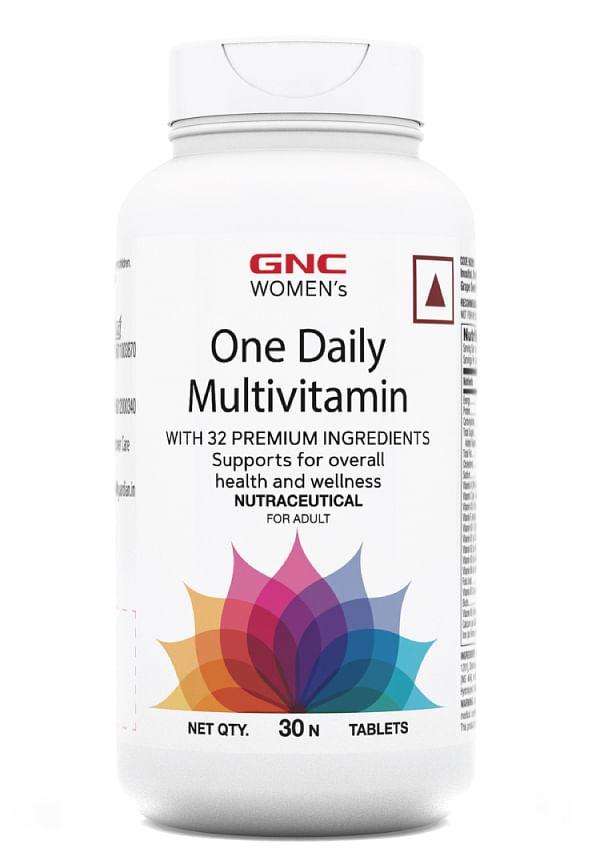
Womens One Daily Multivitamin - Improves Energy, Immunity, Skin and Overall Health
Motivation is unreliable—it comes and goes like the weather. Instead of relying on feeling motivated, build systems that work even when you don't feel like it. Make your wellness goals so small that doing them requires minimal motivation.
The all-or-nothing mindset is wellness enemy number one. Missing one day doesn't ruin everything. Progress over perfection should be your mantra. Celebrate small wins and view setbacks as learning opportunities rather than failures.
Not everyone will understand or support your wellness goals. Prepare responses for social situations that might challenge your habits. Remember, you don't need to justify taking care of yourself.
Sometimes progress stalls, and that's normal. Use these periods to reassess your goals, try new approaches, or simply maintain what you've already built. Plateaus often precede breakthroughs. With over 25 million users discovering new wellness products through trial packs, Smytten understands that wellness journeys are deeply personal. The platform's approach of letting you try before you commit mirrors the same philosophy that makes daily wellness goals successful—small experiments that lead to bigger discoveries about what works for you.
Start with one or two simple goals like drinking an extra glass of water daily or taking a five-minute walk. Focus on consistency over intensity. Good beginner goals include: drinking water upon waking, taking stairs instead of lifts, eating one extra serving of vegetables, or practising three deep breaths before meals.
Use micro-habits and habit stacking. Attach new wellness habits to existing routines—stretch whilst your coffee brews, practice gratitude whilst commuting, or do desk exercises during work breaks. The key is integration, not addition.
Realistic goals are specific, small, and aligned with your lifestyle. Examples include: walking for ten minutes daily, eating breakfast mindfully, sending one positive message to someone, spending five minutes tidying your space, or reading for ten minutes before bed.
You might notice improved mood and energy within a week, but lasting changes typically take 21-66 days to become automatic. Early indicators include better sleep, increased energy, improved mood, and a sense of accomplishment. Focus on how you feel rather than dramatic external changes.
Simply start again the next day without guilt or self-criticism. Missing one day doesn't erase your progress. Use it as information—was the goal too ambitious? Did something specific derail you? Adjust if needed, but don't abandon the entire routine.
Achieving daily wellness goals doesn't require a complete life transformation—it's about making small, consistent choices that compound over time. The most successful approach focuses on integration rather than addition, weaving wellness into your existing routine rather than creating an entirely new one. Remember that wellness is deeply personal. What works for others might not work for you, and that's perfectly fine. The goal is to create a sustainable routine that enhances your life rather than adding stress to it. Start small, be consistent, and celebrate progress over perfection. Just as Smytten believes you should never have to settle when it comes to discovering products that enhance your well-being, your wellness journey should be about finding what truly works for you. With curated trial packs from trusted wellness brands available for just ₹249, you can explore different supplements, teas, aromatherapy products, and wellness tools without the commitment of full-size purchases. After all, why settle for 'maybe' when you can try it all and discover what genuinely supports your daily wellness goals?
