How Sleep Cycles Work: Understanding Sleep Stages Explained


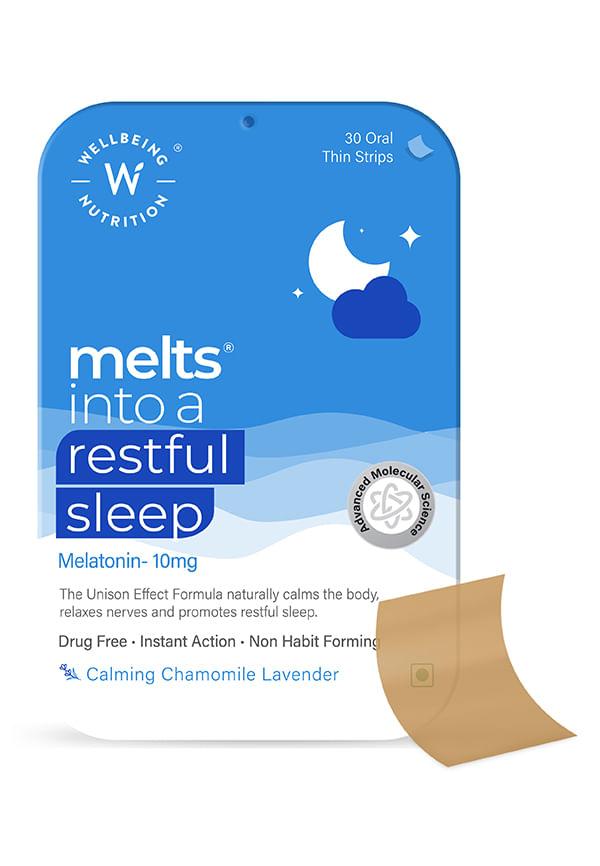
Melts Restful Sleep Melatonin 10mg with Tagara, Passion Flower, L-Theanine, Chamomile (30 Oral Strips)
Ever wondered why you sometimes wake up feeling refreshed after six hours but groggy after eight? The answer lies in understanding how sleep cycles work. Your brain doesn't just switch off when you hit the pillow—it follows a fascinating, predictable pattern of sleep stages that repeat throughout the night. Each cycle lasts roughly 90 to 120 minutes and includes four distinct phases, from light dozing to deep restorative sleep and vivid dreaming. Getting familiar with your sleep architecture can be a game-changer for your energy levels, mood, and overall wellness. Whether you're trying to optimise your bedtime routine or just curious about what happens when you're unconscious, exploring how sleep works reveals why quality rest is so much more than just lying still for eight hours. On Smytten, you'll find wellness products that support better sleep habits, making it easier to create the perfect wind-down routine.
Sleep cycles repeat every 90-120 minutes throughout the night, with 4-6 complete cycles being ideal for most adults
Each cycle includes four stages: light sleep (N1), deeper light sleep (N2), deep restorative sleep (N3), and REM dreaming sleep
Deep sleep dominates early cycles for physical recovery, while REM sleep increases in later cycles for mental processing
Your circadian rhythm acts as your body's natural clock, regulating when you feel sleepy or alert
Understanding your sleep architecture helps you time your bedtime and wake-up for better energy and mood
Think of sleep cycles as your brain's nightly maintenance schedule. Rather than staying in one state all night, your mind cycles through different phases of activity and rest in a predictable pattern. This sleep architecture consists of four distinct stages that your brain repeats roughly every 90 to 120 minutes throughout the night.
Most people experience between four to six complete cycles per night, depending on how long they sleep. Each cycle serves specific functions—some stages focus on physical restoration whilst others handle memory consolidation and emotional processing. Understanding sleep cycles matters because it explains why timing your sleep and wake times can make such a difference to how you feel.
Your circadian rhythm and sleep work together like a perfectly choreographed dance. This internal body clock doesn't just tell you when to feel sleepy—it also influences your body temperature, hormone release, and even digestion. When your sleep cycles align with your natural circadian rhythm, you're more likely to wake up feeling refreshed rather than groggy.
Sleep stages explained in simple terms: your brain moves through four distinct phases during each cycle, each with its own purpose and characteristics. These stages fall into two main categories—Non-REM (NREM) sleep, which includes the first three stages, and REM sleep, where most vivid dreaming occurs.
What makes sleep cycle phases so fascinating is how different each stage feels and functions. From the light dozing of Stage 1 to the deep, restorative sleep of Stage 3, your brain activity, breathing, and heart rate all change dramatically as you progress through each phase.
This is the drowsy, in-between state where you're not quite awake but not fully asleep either. Stage 1 typically lasts just 1 to 7 minutes and acts as the bridge between wakefulness and sleep. Your brain produces theta waves, which are slower than the beta waves of waking consciousness but faster than deeper sleep stages.
During this phase, your heart rate and breathing begin to slow down, and your muscles start to relax. You might experience those sudden jerking movements called hypnic jerks—completely normal and nothing to worry about.
Stage 2 makes up about 50% of your total sleep time, making it the longest phase of your sleep cycles. Your brain produces distinctive patterns called sleep spindles and K-complexes, which help protect your sleep from external disturbances like sounds or light.
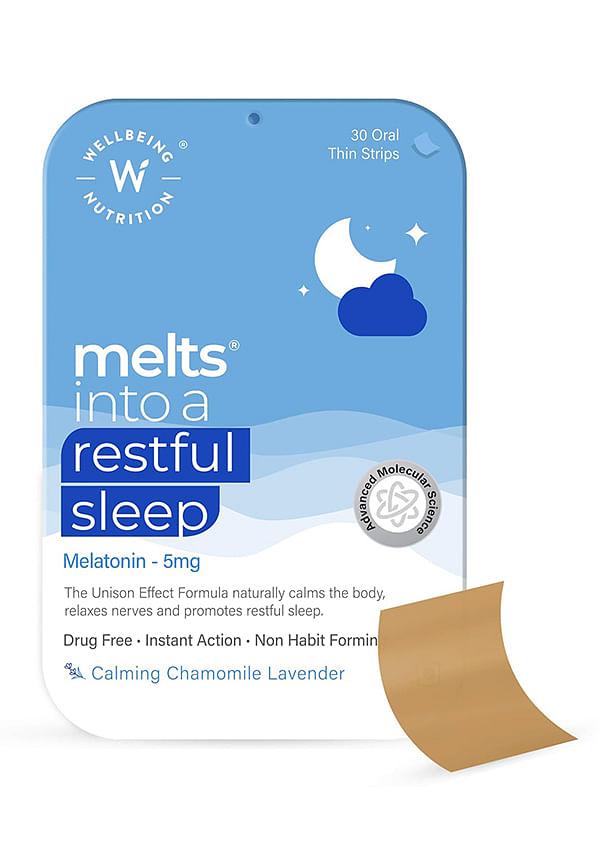
Melts Restful Sleep | Plant-Based Melatonin 5mg for Deep Sleep 30 Oral Strips
Your body temperature drops, and your muscles relax further. This stage serves as a gateway to deeper sleep whilst still allowing you to wake up relatively easily if needed.
Often called slow-wave sleep, Stage 3 is where the magic happens for physical restoration. Your brain produces delta waves—the slowest brain waves of sleep—and waking you during this stage is quite difficult. If someone does manage to rouse you from deep sleep, you'll likely feel disoriented and groggy.
This stage is crucial for physical recovery, immune system strengthening, and growth hormone release. Your body repairs tissues, consolidates memories, and clears metabolic waste from your brain during this restorative phase.
REM (Rapid Eye Movement) sleep typically begins about 90 minutes after you fall asleep. Despite your eyes moving rapidly beneath closed lids, your voluntary muscles become temporarily paralysed—a protective mechanism that prevents you from acting out your dreams.
Your brain activity during REM sleep resembles waking patterns, which explains why dreams feel so vivid and realistic. This stage handles memory consolidation, emotional processing, and creative problem-solving, making it essential for mental health and cognitive function.
Sleep cycle duration and composition shift dramatically as the night progresses. Early cycles prioritise deep sleep (Stage 3), whilst later cycles contain more REM sleep. This natural progression explains why you might remember dreams more clearly in the morning—you're spending more time in REM sleep during those final hours.
The first cycle of the night is often the shortest, lasting around 70 to 100 minutes. As the night continues, cycles gradually lengthen, with later cycles potentially lasting up to 120 minutes. Deep sleep dominates the first half of the night, providing the physical restoration your body needs most urgently.
By the second half of the night, REM periods become longer and more frequent. This shift supports the cognitive and emotional processing functions that REM sleep provides, preparing your mind for the challenges of the upcoming day.
Understanding sleep cycles becomes more interesting when you consider how they change throughout life. Newborns and infants have much shorter cycles—typically 50 to 60 minutes—and spend about 50% of their sleep time in REM, compared to 20-25% for adults.
Children and teenagers gradually develop adult sleep patterns, though teens often experience a natural shift towards later bedtimes and wake times. This isn't laziness—it's biology. Their circadian rhythms naturally shift during puberty, making early school start times particularly challenging.
Adults typically settle into the standard 90 to 120-minute cycles, whilst older adults often experience changes in sleep architecture. They may have less deep sleep and more frequent awakenings, though individual variations are significant. Some people naturally have shorter or longer cycles, and factors like stress, health conditions, and lifestyle choices can all influence cycle length.
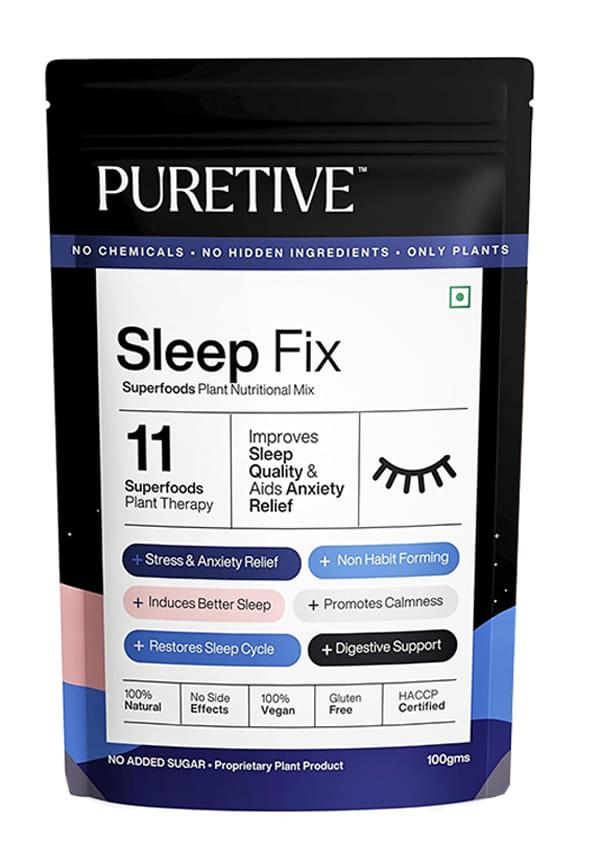
Sleep Fix Superfoods Mix | Natural Melatonin
Your circadian rhythm acts as the conductor of your sleep orchestra, coordinating when you feel alert or sleepy throughout a 24-hour period. This internal clock responds primarily to light and darkness, triggering the release of hormones like melatonin when it's time to sleep and cortisol when it's time to wake up.
Light exposure, particularly blue light from screens, can significantly impact your circadian rhythm and sleep quality. Your core body temperature also follows a circadian pattern, dropping in the evening to signal bedtime and rising in the morning to promote wakefulness.
Individual chronotypes—whether you're naturally a morning lark or night owl—are largely determined by genetics. Understanding your chronotype can help you work with your natural tendencies rather than against them, leading to better sleep quality and daytime energy.
The benefits of a healthy sleep cycle extend far beyond simply feeling rested. During deep sleep stages, your body releases growth hormone, repairs tissues, and strengthens your immune system. This physical restoration is why you often feel better after a good night's sleep when fighting off a cold.
Memory consolidation happens primarily during both deep sleep and REM stages. Your brain literally files away important information from the day whilst discarding unnecessary details. This process is crucial for learning new skills, retaining information, and making connections between different pieces of knowledge.
Emotional regulation also depends heavily on quality sleep cycles. REM sleep helps process emotional experiences and maintain mental health. Poor sleep can lead to increased irritability, anxiety, and difficulty managing stress. Additionally, healthy sleep cycles support hormone balance, including those that regulate appetite, metabolism, and stress response.
Improving sleep quality starts with consistent timing. Going to bed and waking up at the same time every day—yes, even on weekends—helps regulate your circadian rhythm and makes it easier to fall asleep and wake up naturally.
Creating the ideal sleep environment involves controlling light, temperature, and noise. Your bedroom should be cool (around 16-19°C), dark, and quiet. Consider blackout curtains, eye masks, or white noise machines if needed. The goal is to support your natural sleep architecture without disruptions.
Light exposure timing is crucial for maintaining healthy sleep cycles. Get bright light exposure in the morning and throughout the day, but dim the lights in the evening. Avoid screens for at least an hour before bedtime, or use blue light filters if you must use devices.
Exercise can significantly improve sleep quality, but timing matters. Regular physical activity helps deepen sleep and can help regulate your circadian rhythm. However, intense exercise close to bedtime can be stimulating and make it harder to fall asleep.
What you eat and when you eat it also affects your sleep cycles. Large meals, caffeine, and alcohol close to bedtime can disrupt your sleep architecture. If you're exploring wellness products to support better sleep, consider natural options like herbal teas or aromatherapy products that can help signal to your body that it's time to wind down.
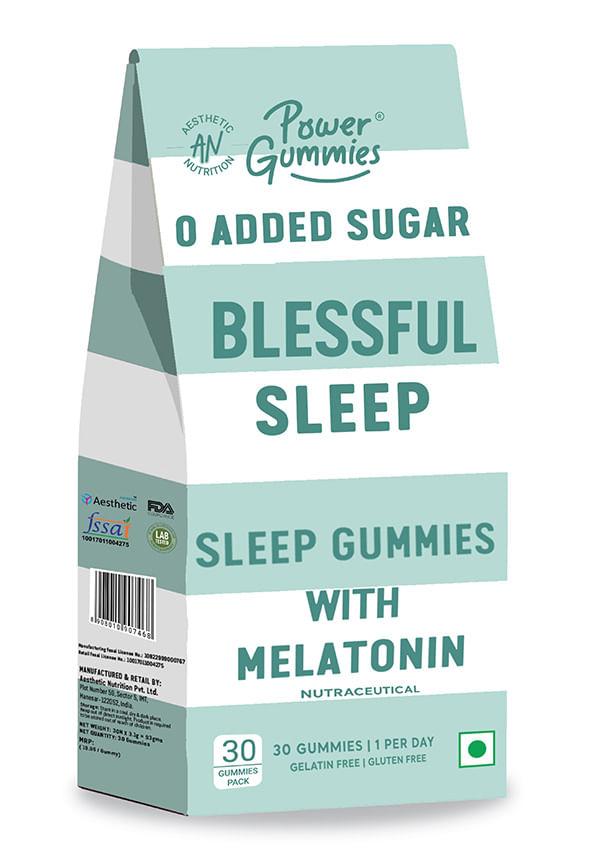
Blessful Beauty Sleep Gummies with Melatonin, Now with 0 Added Sugar
Four complete sleep cycles typically equal 6 to 8 hours of sleep, since each cycle lasts roughly 90 to 120 minutes. However, individual variation is significant—some people have naturally shorter cycles (around 70 minutes) whilst others have longer ones (up to 120 minutes). The key is focusing on sleep quality rather than just hitting a specific number of hours.
The 3-3-3 rule suggests avoiding three things in the 3 hours before bedtime: large meals, intense exercise, and work-related activities. This guideline helps your body prepare for sleep by reducing stimulation and allowing your circadian rhythm to naturally shift towards sleep mode. Following this rule can significantly improve how quickly you fall asleep and the quality of your sleep cycles.
Yes, sleep cycles are scientifically proven and well-documented through decades of sleep research. Brain wave monitoring, eye movement tracking, and other physiological measurements consistently show the four distinct stages of sleep repeating throughout the night. Understanding and working with your natural sleep cycles can genuinely improve sleep quality and daytime energy levels.
In a typical 90-minute cycle, you'll spend about 5% in Stage 1, 45-55% in Stage 2, 15-20% in Stage 3 (deep sleep), and 20-25% in REM sleep. However, these percentages shift throughout the night—early cycles contain more deep sleep, whilst later cycles have more REM sleep. Individual factors like age, health, and sleep quality can affect these distributions.
Absolutely! Smytten offers various wellness products that can support better sleep habits, from aromatherapy oils to herbal teas and relaxation aids. You can trial different sleep-supporting products through Smytten's mini packs to find what works best for your bedtime routine without committing to full-size purchases.
Understanding how sleep cycles work empowers you to make smarter choices about your bedtime routine and sleep environment. The four stages of sleep each serve specific purposes, from physical restoration during deep sleep to memory consolidation during REM sleep. Your sleep architecture naturally shifts throughout the night, prioritising different types of recovery at different times.
Consistency is your best friend when it comes to optimising sleep cycles. Regular sleep and wake times, combined with good sleep hygiene practices, can significantly improve both the quality and efficiency of your sleep. Remember that individual variations are normal—what matters most is finding a routine that works for your unique chronotype and lifestyle.
Small changes can make a big difference. Whether it's adjusting your light exposure, creating a cooler sleep environment, or timing your meals better, these modifications can help align your sleep cycles with your natural circadian rhythm for more restful nights and energetic days.
Quality sleep is one of the most important investments you can make in your overall wellness, and understanding your sleep cycles is the first step towards better rest. Just as Smytten believes you shouldn't settle for 'maybe' when discovering new products, you shouldn't settle for poor sleep when better rest is achievable. Smytten's trial packs let you explore wellness products that support healthy sleep habits—from calming teas to aromatherapy essentials—without the commitment of full-size purchases. With 100% cashback on trials and authentic products from trusted brands, you can experiment with different sleep-supporting products to find your perfect bedtime routine. After all, when it comes to discovering what helps you sleep better, why settle for guessing when you can try it all?
