How Movement Meditation Works for Mindful Movement Benefits
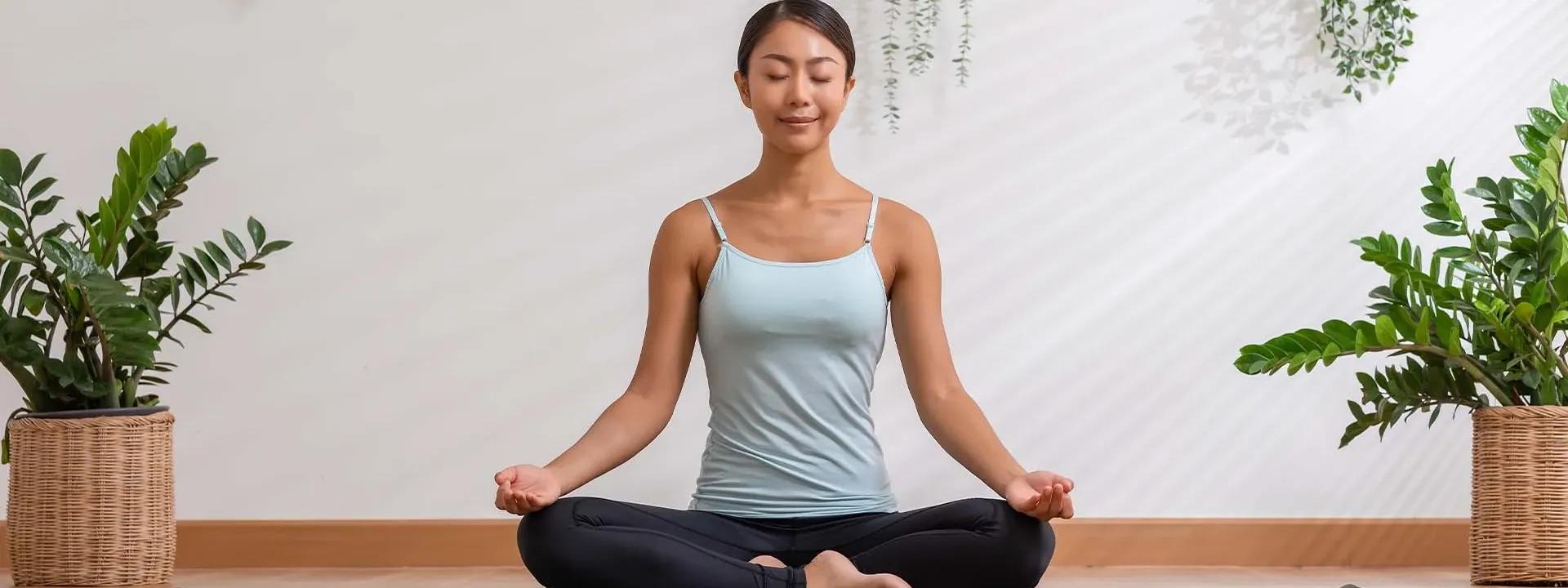

Ever wondered why some people swear by walking meditation or gentle yoga flows instead of sitting cross-legged for hours? Movement meditation might just be the mindful practice you've been searching for. Unlike traditional seated meditation, this approach combines conscious movement with mindful awareness, creating a powerful tool for stress relief and body connection. Whether you're curious about how movement meditation works or looking for practical ways to incorporate mindful movement benefits into your daily routine, this guide will walk you through everything you need to know. From the science behind somatic meditation techniques to simple practices you can try today, we'll explore how movement can become your gateway to deeper mindfulness. Plus, with wellness brands available on Smytten offering everything from aromatherapy oils to meditation accessories, you can easily discover the tools that support your mindful movement journey.
Movement meditation combines conscious movement with mindful awareness, activating the parasympathetic nervous system for stress relief
Proven benefits include reduced cortisol levels, improved body awareness, enhanced emotional regulation, and better cognitive function
Popular techniques include walking meditation practice, yoga for mindfulness, tai chi for stress relief, and qigong for energy flow
Beginners can start with gentle stretching meditation and conscious breathing exercises for 10-15 minutes daily
Regular practice develops embodied mindfulness, helping you stay present and connected to your body throughout the day
Movement meditation is an active form of mindfulness practice that combines conscious movement with present-moment awareness. Unlike traditional seated meditation where you remain still, this approach uses gentle, intentional movements to anchor your attention and cultivate mindfulness. Think of it as meditation in motion—where your body becomes both the object of focus and the vehicle for deeper awareness.
The magic happens in how movement meditation works with your nervous system. When you move mindfully, you activate your parasympathetic nervous system—the part responsible for rest and relaxation. This triggers a cascade of beneficial changes: your heart rate slows, stress hormones like cortisol decrease, and feel-good endorphins increase. Your brain also releases GABA, a neurotransmitter that promotes calm and reduces anxiety.
What makes movement meditation so effective is how it engages your entire being. As you move with awareness, you're simultaneously training your attention, releasing physical tension, and creating space for emotional processing. This integrated approach often feels more natural than sitting still, especially if you're someone who finds traditional meditation challenging.
Research shows that mindful movement activates multiple brain regions simultaneously. The motor cortex coordinates your movements, while the prefrontal cortex maintains awareness and attention. Meanwhile, the insula—your brain's body awareness centre—strengthens, improving your ability to sense internal signals like hunger, fatigue, or emotional states.
The mindful movement benefits extend far beyond what you might expect from a simple practice. Scientific studies have documented impressive changes in both physical and mental health markers among regular practitioners. Let's explore what research tells us about how this practice transforms your wellbeing.
Body awareness meditation, a key component of movement practices, has been shown to improve interoception—your ability to sense what's happening inside your body. This enhanced awareness helps you respond to stress more effectively and make better decisions about rest, nutrition, and self-care.
Stress Hormone Regulation: Regular practice significantly reduces cortisol levels, with some studies showing up to 30% reduction after just eight weeks of consistent practice.
Improved Circulation and Energy: Gentle movements promote blood flow and lymphatic drainage, helping your body eliminate toxins and deliver nutrients more efficiently.
Enhanced Flexibility and Tension Release: Unlike static stretching, mindful movement releases both physical and emotional tension stored in your muscles and fascia.
Anxiety and Depression Relief: Movement meditation has shown comparable results to traditional therapy for mild to moderate anxiety and depression, with the added benefit of improved body image and self-esteem.
Cognitive Enhancement: Regular practice improves focus, working memory, and cognitive flexibility—the ability to switch between different tasks or perspectives.
Emotional Regulation: By connecting movement with breath and awareness, you develop better tools for managing difficult emotions and stress responses.
Different somatic meditation techniques offer unique pathways to mindfulness, each with its own flavour and benefits. The beauty lies in finding what resonates with your body and lifestyle. From ancient practices like tai chi to modern approaches like conscious dance, there's a movement meditation style for everyone.
Let's explore the most accessible and well-researched techniques that you can start practising today, regardless of your fitness level or meditation experience.
Walking meditation transforms your daily steps into a mindfulness practice. Start by walking slower than usual, focusing on the sensation of your feet touching the ground. Coordinate your breath with your steps—perhaps inhaling for three steps, exhaling for three. You can practice indoors in a small space or outdoors in nature, each offering different benefits for your nervous system.
Mindful yoga differs from fitness-focused yoga by emphasising awareness over achievement. Move slowly between poses, noticing how your body feels in each position. Focus on breath-synchronised movements and hold poses only as long as feels comfortable. This approach transforms yoga from exercise into moving meditation.
Often called "meditation in motion," tai chi combines slow, flowing movements with deep breathing and mental focus. The gentle, circular motions help regulate your nervous system while improving balance and coordination. Even 10 minutes of basic tai chi movements can significantly reduce stress hormones.
Qigong focuses on cultivating and directing life energy through specific movements and breathing patterns. Simple exercises like "lifting the sky" or "carrying the moon" can be learned quickly and practised anywhere. The emphasis on energy awareness makes this particularly effective for those feeling depleted or stuck.
Starting a movement meditation practice doesn't require special equipment or extensive training. The key is approaching movement with conscious breathing exercises and embodied mindfulness. Here's a simple framework that works whether you have five minutes or an hour.
Remember, there's no "perfect" way to do this. Your practice will evolve as you become more comfortable with moving mindfully and listening to your body's wisdom.
Create Your Space: Choose a quiet area where you can move freely without obstacles. This could be your living room, garden, or even a small bedroom space.
Dress Comfortably: Wear clothes that allow easy movement. Remove shoes if possible to enhance your connection with the ground.
Set Your Intention: Take a moment to clarify why you're practising. This could be stress relief, body awareness, or simply giving yourself this gift of mindful movement.
Begin with Stillness: Stand quietly and take three deep breaths. Notice how your body feels right now—any tension, energy, or emotions present.
Start Moving: Begin with simple movements like gentle swaying, shoulder rolls, or slow arm circles. Let your body guide you rather than following a strict routine.
Maintain Awareness: Keep returning your attention to your breath and physical sensations. When your mind wanders, gently bring focus back to the present moment.
Return to Stillness: Gradually slow your movements and return to standing quietly. Notice any changes in how your body feels compared to when you started.
Express Gratitude: Take a moment to appreciate your body and the time you've given yourself for this practice.
Gentle stretching meditation offers the perfect entry point for those new to movement practices. These somatic meditation techniques focus on releasing tension while cultivating awareness, making them ideal for busy professionals or anyone dealing with physical stress. The key is moving slowly and listening to your body's signals.
This approach combines the benefits of physical release with mindfulness training, creating a practice that feels both therapeutic and meditative. You'll notice improvements in flexibility, stress levels, and body awareness within just a few sessions.
Begin by slowly rolling your shoulders backwards five times, then forwards five times. Notice the sensation of movement and any areas of tension. Next, gently tilt your head to one side, breathing into the stretch for 30 seconds before switching sides.
Stand with feet hip-width apart and slowly roll down vertebra by vertebra, letting your arms hang heavy. Breathe deeply as you hang forward, then slowly roll back up. This movement releases spinal tension while promoting mindful awareness of your body's centre.
Sit comfortably and bring one ankle to rest on the opposite knee. Gently lean forward while breathing deeply, noticing how the stretch changes with each exhale. Hold for 1-2 minutes before switching sides.
As your practice deepens, you might explore more sophisticated approaches to embodied mindfulness. Advanced techniques often involve longer sessions, more complex movement patterns, or integration with other mindfulness practices. These methods can profoundly shift your relationship with your body and stress response.
Advanced practitioners often develop their own movement rituals, combining elements from different traditions to create personalised practices that address their specific needs and preferences.
Dynamic meditation involves more vigorous movements like shaking, dancing, or rhythmic breathing. These practices help release deeply held tension and can be particularly effective for processing emotions or breaking through mental blocks.
Practising with a partner adds dimensions of connection and mirroring to your practice. Simple exercises like synchronised breathing or mirrored movements can deepen your awareness while building interpersonal connection.
Taking your practice outdoors amplifies the benefits through connection with natural elements. Walking meditation in forests, beach movements, or mountain stretching sessions combine the healing power of nature with mindful movement.
Start with 10-15 minutes daily and gradually increase as you feel comfortable. Even five minutes of mindful movement can provide benefits. Consistency matters more than duration—regular short sessions often prove more effective than occasional long ones.
Movement meditation offers unique benefits and can certainly be your primary practice. However, many people find combining both approaches creates a more well-rounded mindfulness practice. Try both and see what works best for your lifestyle and preferences.
The key difference lies in intention and awareness. While exercise focuses on physical outcomes, movement meditation emphasises present-moment awareness and the mind-body connection. The movements are typically slower and more intentional, with attention paid to breath and internal sensations.
Movement meditation activates your parasympathetic nervous system, reducing cortisol and increasing feel-good neurotransmitters. The combination of physical movement, breath awareness, and present-moment focus creates multiple pathways for stress relief. Many practitioners find it more effective than seated meditation for releasing physical tension.
Start in private and remember there's no "right" way to move. Your practice is personal and doesn't need to look like anyone else's. Focus on how movement feels rather than how it looks. Many people find that self-consciousness decreases quickly as they experience the benefits. You can also explore wellness products available on Smytten that support your practice, from aromatherapy oils to comfortable meditation wear.
Movement meditation can be adapted for virtually any physical condition. If you have injuries or chronic conditions, start very gently and consider consulting with a healthcare provider. Chair-based movements, gentle breathing exercises, or even visualised movement can provide similar benefits.
Movement meditation offers a powerful and accessible path to mindfulness that works particularly well for those who struggle with traditional seated practices. The science clearly shows that combining conscious movement with mindful awareness creates profound benefits for both physical and mental health. From reducing stress hormones to improving body awareness, the mindful movement benefits extend far beyond the practice session itself.
The beauty of this approach lies in its flexibility—whether you choose walking meditation practice, yoga for mindfulness, tai chi for stress relief, or gentle stretching meditation, you're developing embodied mindfulness that serves you throughout your day. Start small, be consistent, and trust your body's wisdom as you explore different somatic meditation techniques.
Remember that your practice will evolve over time. What matters most is showing up regularly and approaching movement with curiosity and kindness toward yourself. The conscious breathing exercises and body awareness you develop will gradually transform how you relate to stress, emotions, and daily challenges.
As you embark on your movement meditation journey, remember that wellness is deeply personal—what works for one person might not work for another. This is where Smytten's approach to product discovery becomes invaluable. Just as you can trial different movement practices to find your perfect fit, Smytten lets you explore wellness products before committing to full sizes. From aromatherapy oils that enhance your practice space to comfortable yoga wear and meditation accessories, you can discover what truly supports your mindful movement journey. With over 1,500 trusted wellness brands available and 100% cashback on trial packs, you can experiment with different products just as mindfully as you approach your movement practice. After all, why settle for maybe when you can try before you buy and find exactly what nurtures your path to embodied mindfulness?
