How Gut Health Impacts Your Mood and Energy Levels


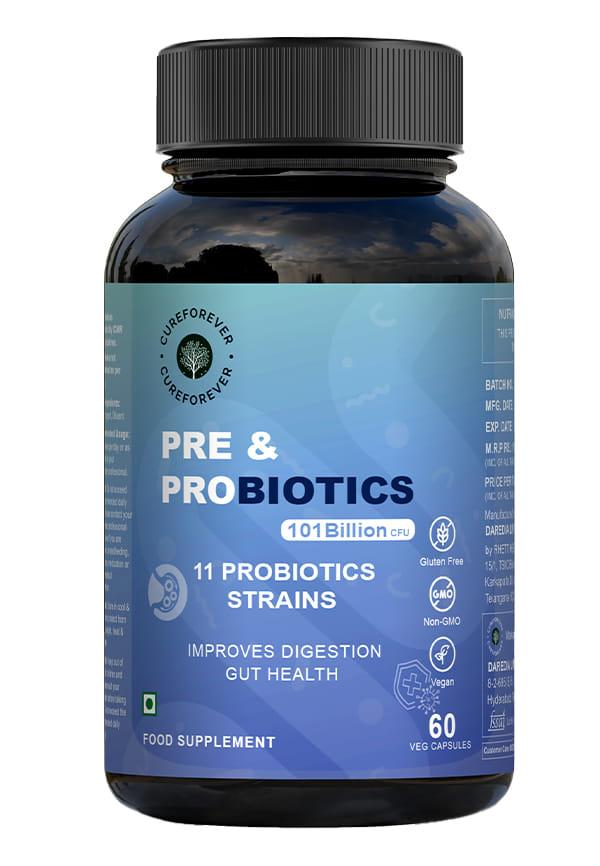
Prebiotics & Probiotics
Ever wondered why you feel sluggish after a heavy meal or why your mood dips when your stomach's upset? The answer lies in your gut—your body's second brain that's constantly chatting with your mind. Understanding how gut health impacts your mood and energy levels isn't just trendy wellness talk; it's backed by solid science that's changing how we think about mental and physical wellbeing. Your gut microbiome, home to trillions of bacteria, plays a massive role in everything from serotonin production to immune function. Whether you're dealing with afternoon energy crashes, unexplained mood swings, or just want to feel your best, your gut health might be the missing piece of the puzzle. Platforms like Smytten make it easier to explore wellness products that support your gut health journey, letting you trial before committing to full-size purchases.
Your gut produces 90% of your body's serotonin, directly affecting mood and energy levels through the gut-brain connection
Poor gut health shows up as digestive issues, fatigue, mood changes, skin problems, and frequent infections
Improving gut flora through probiotics, prebiotics, and lifestyle changes can boost both mental and physical energy
Gut healing follows four stages: remove, replace, reinoculate, and repair—with noticeable improvements in 2-4 weeks
Supporting your microbiome diversity is key to long-term mood stability and sustained energy levels
Your gut health refers to the balance and function of bacteria living in your digestive system, particularly in your large intestine. This complex ecosystem, called the gut microbiome, houses over 100 trillion microorganisms—that's more bacterial cells than human cells in your body. These tiny residents aren't just hanging out; they're working overtime to keep you healthy, happy, and energised.
The gut microbiome function extends far beyond digestion. These beneficial bacteria help break down food, produce essential vitamins like B12 and K, regulate your immune system, and even manufacture neurotransmitters that influence your mood. When your digestive system health is optimal, you'll notice better energy levels, clearer thinking, and more stable emotions throughout the day.
Scientists call your gut the "second brain" because it contains over 500 million neurons—more than your spinal cord. This enteric nervous system operates independently but stays in constant communication with your brain through various pathways, including the vagus nerve.
When your gut bacteria are diverse and balanced, you'll experience numerous gut health benefits. These include improved nutrient absorption, stronger immunity, better mood regulation, and sustained energy levels. The role of gut health in overall wellness is so significant that researchers now consider it a key factor in preventing chronic diseases and maintaining mental health.
The gut-brain connection is a sophisticated communication network that operates through multiple pathways. Your gut bacteria don't just influence digestion—they're actively involved in producing the chemicals that regulate your mood, energy, and cognitive function. This bidirectional relationship means your gut affects your brain, and your brain affects your gut.
Research shows that the impact of gut bacteria on mental health is profound. Your microbiome produces approximately 90% of your body's serotonin, the "happy hormone" that regulates mood, sleep, and appetite. Additionally, certain strains of gut bacteria manufacture GABA, a neurotransmitter that promotes calm and reduces anxiety, whilst others influence dopamine production, affecting motivation and pleasure.
The vagus nerve acts as the main communication highway between your gut and brain. When beneficial bacteria in your gut are thriving, they send positive signals through this pathway, promoting feelings of wellbeing and mental clarity.
Your gut microbiome function includes producing various neurotransmitters that directly influence your mood and energy. Lactobacillus species produce GABA, whilst Enterococcus and Streptococcus strains manufacture serotonin. When these bacteria are out of balance, neurotransmitter production suffers, leading to mood swings and energy crashes.
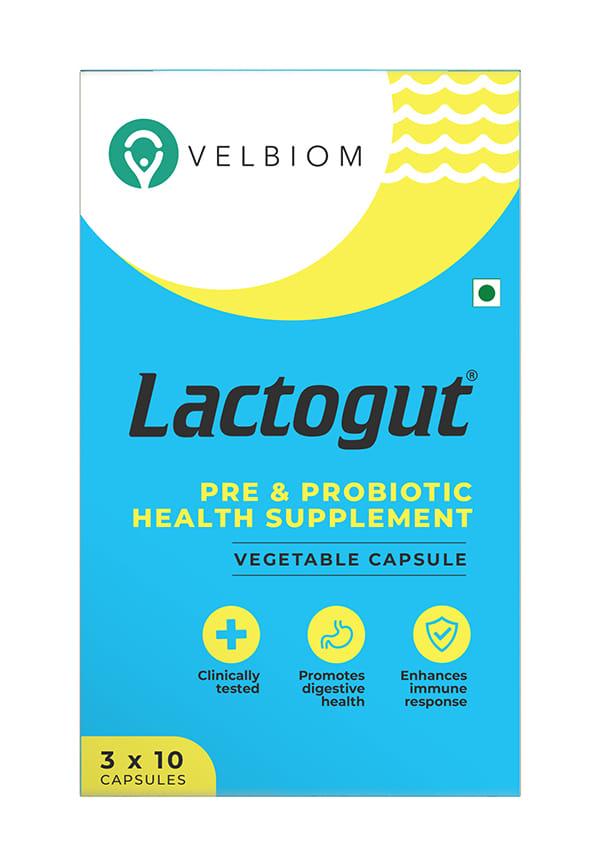
Lactogut | Probiotics Supplement for Gut & Digestive Health and Immunity | Pre+Probiotic Formula
Poor gut health triggers systemic inflammation, which can cross the blood-brain barrier and affect cognitive function. This inflammatory response is linked to depression, anxiety, and brain fog—explaining why digestive issues often coincide with mental health challenges.
The role of gut health in energy production goes beyond simple nutrient absorption. Your gut bacteria are metabolic powerhouses that influence how efficiently your body converts food into usable energy. When your microbiome is balanced, you'll experience steady energy levels throughout the day rather than the peaks and crashes associated with poor digestive system health.
Beneficial gut bacteria help break down complex carbohydrates into short-chain fatty acids, which serve as an important energy source for your cells. They also produce B vitamins essential for energy metabolism and help regulate blood sugar levels, preventing the energy dips that come with glucose spikes and crashes.
A healthy gut maximises nutrient absorption, ensuring your body gets the vitamins, minerals, and macronutrients needed for optimal energy production. Poor gut health can lead to nutrient deficiencies even when you're eating well, resulting in persistent fatigue and low energy.
Your gut houses approximately 70% of your immune system. When gut health and immunity are compromised, your body expends extra energy fighting inflammation and infections, leaving you feeling drained and exhausted.
The impact of gut bacteria extends to weight regulation and metabolic health. Certain bacterial strains help maintain healthy body weight and improve insulin sensitivity, both crucial for sustained energy levels and overall vitality.
Your body sends clear signals when your gut health is compromised. Recognising these signs early allows you to take action before minor imbalances become major health issues. Poor intestinal health manifests in various ways, often affecting multiple body systems simultaneously.
The connection between gut health and mood becomes apparent when digestive issues coincide with emotional symptoms. If you're experiencing several of these signs, it might be time to focus on improving gut flora and supporting your microbiome.
Bloating and gas: Excessive gas production often indicates bacterial overgrowth or food intolerances. Irregular bowel movements: Constipation or diarrhoea suggests imbalanced gut bacteria. Heartburn and acid reflux: May indicate low stomach acid or bacterial imbalances affecting digestion.
Anxiety and depression: Poor gut health directly affects neurotransmitter production, influencing mood stability. Brain fog: Difficulty concentrating or thinking clearly often stems from gut inflammation affecting brain function. Mood swings: Unstable blood sugar and neurotransmitter imbalances cause emotional volatility.

Probiotic + Prebiotic - Complete Digestive Balance - (Pack Of 4 )
Chronic fatigue: Poor nutrient absorption and systemic inflammation drain your energy reserves. Skin problems: Eczema, acne, or rashes often reflect internal inflammation starting in the gut. Frequent infections: Compromised gut immunity makes you more susceptible to colds and other illnesses. Sleep disturbances: Gut bacteria influence melatonin production and sleep quality.
Improving gut flora doesn't require expensive supplements or drastic lifestyle changes. Simple, natural approaches can significantly enhance your gut microbiome function and, consequently, your mood and energy levels. The key is consistency and patience, as meaningful changes typically occur over several weeks.
Focus on nourishing beneficial bacteria whilst creating an environment where harmful microorganisms can't thrive. This dual approach of feeding the good guys and starving the bad ones forms the foundation of effective gut health improvement.
Fermented vegetables: Kimchi, sauerkraut, and pickles provide diverse beneficial bacteria. Yoghurt and kefir: Choose varieties with live cultures and minimal added sugar. Fermented drinks: Kombucha and water kefir offer probiotics in liquid form. Miso and tempeh: These fermented soy products support microbiome diversity.
Fibre-rich vegetables: Artichokes, asparagus, and onions contain prebiotic fibres. Resistant starch: Cooled potatoes and green bananas feed beneficial bacteria. Whole grains: Oats, quinoa, and brown rice provide sustained prebiotic support.
Stress management: Chronic stress disrupts gut bacteria balance through cortisol production. Regular exercise: Physical activity promotes microbiome diversity and gut motility. Adequate sleep: Poor sleep quality negatively affects gut bacteria composition. Mindful eating: Eating slowly and chewing thoroughly improves digestion and nutrient absorption.
Understanding gut health and mood improvement requires a systematic approach. The four-stage gut healing protocol provides a clear roadmap for restoring digestive system health and optimising the gut-brain connection. Each stage builds upon the previous one, creating lasting improvements in both physical and mental wellbeing.
This evidence-based approach addresses the root causes of gut dysfunction rather than just managing symptoms. The role of gut health in overall wellness becomes apparent as you progress through each stage, with many people noticing improvements in mood and energy within the first few weeks.
The first stage focuses on eliminating factors that damage gut bacteria and intestinal health. This includes reducing processed foods, excess sugar, artificial additives, and potential food sensitivities. Consider limiting alcohol consumption and avoiding unnecessary antibiotics, which can disrupt microbiome balance.
Replace what your digestive system may be lacking, such as digestive enzymes, stomach acid, or bile salts. This stage ensures your body can properly break down and absorb nutrients, supporting the impact of gut bacteria on overall health.
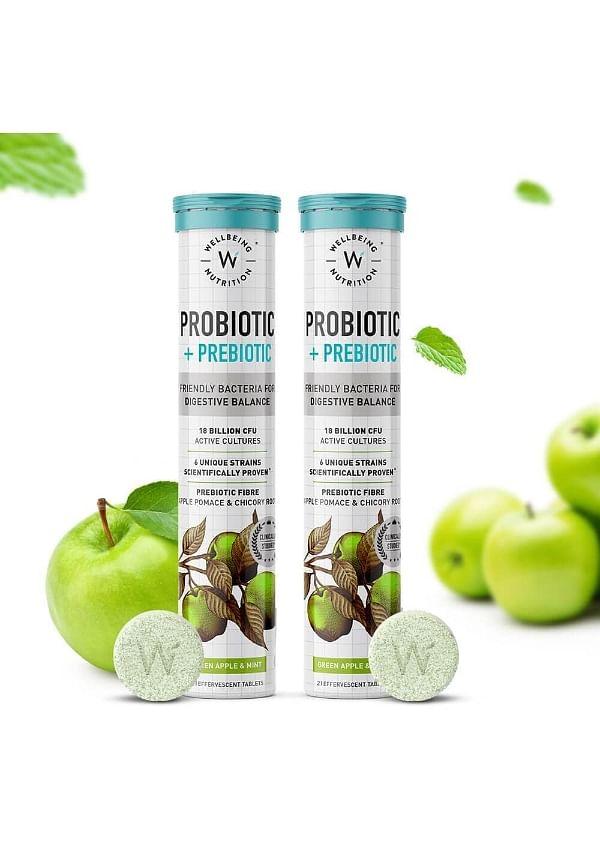
Probiotic + Prebiotic - Complete Digestive Balance - (Pack Of 2)
Introduce beneficial bacteria through probiotic foods and supplements. Focus on improving gut flora diversity by consuming various fermented foods and considering targeted probiotic strains based on your specific symptoms.
Support gut lining repair with nutrients like L-glutamine, zinc, and omega-3 fatty acids. Establish long-term habits that maintain gut health benefits, including stress management, regular exercise, and a diverse, fibre-rich diet.
Gut bacteria produce approximately 90% of your body's serotonin and other neurotransmitters that regulate mood and energy. The gut-brain connection means that when your microbiome is balanced, you experience better mood stability, clearer thinking, and sustained energy throughout the day. Poor gut health can lead to mood swings, anxiety, depression, and chronic fatigue.
Common signs include digestive issues like bloating and irregular bowel movements, mood changes such as anxiety or depression, chronic fatigue, skin problems, frequent infections, and sleep disturbances. These symptoms often occur together because gut health affects multiple body systems simultaneously.
Most people notice initial improvements in digestive symptoms within 1-2 weeks of making dietary and lifestyle changes. Significant improvements in mood and energy typically occur within 4-8 weeks, whilst complete gut healing can take 3-6 months depending on the severity of imbalance and consistency with healthy habits.
Yes, Smytten offers trial packs from various wellness brands that support digestive health. You can explore probiotics, digestive enzymes, and other gut health supplements through their trial programme, allowing you to test products before committing to full-size purchases.
Limit processed foods, excess sugar, artificial sweeteners, and foods high in additives. Reduce alcohol consumption and be mindful of potential food sensitivities like gluten or dairy. Focus on whole, unprocessed foods that support beneficial bacteria growth instead.
Understanding how gut health impacts your mood and energy levels empowers you to take control of your wellbeing through simple, natural approaches. The gut-brain connection is real and powerful—your microbiome directly influences neurotransmitter production, immune function, and energy metabolism. By recognising the signs of poor gut health and implementing the four-stage healing protocol, you can experience significant improvements in both physical and mental health.
Focus on nourishing beneficial bacteria through probiotic and prebiotic foods whilst eliminating factors that harm your microbiome. Remember that gut health improvement is a journey, not a destination. Consistency with healthy habits, stress management, and mindful eating will yield the best long-term results for your mood, energy, and overall quality of life.
Your gut health journey doesn't have to be overwhelming or expensive. Start with small, sustainable changes and be patient with the process. Smytten makes exploring wellness products easier by offering curated trial packs from trusted brands, letting you discover what works for your unique needs without the commitment of full-size purchases. With over 1,500 brands available and 100% cashback on trials, you can experiment with different gut health supplements, probiotics, and wellness products to find your perfect match. The platform's extensive collection includes everything from digestive enzymes to prebiotic supplements, all available for trial across India. After all, why settle for maybe when you can try it all and find what truly supports your gut health goals?
