How Gut Health Impacts Skin Health in India: A Complete Guide


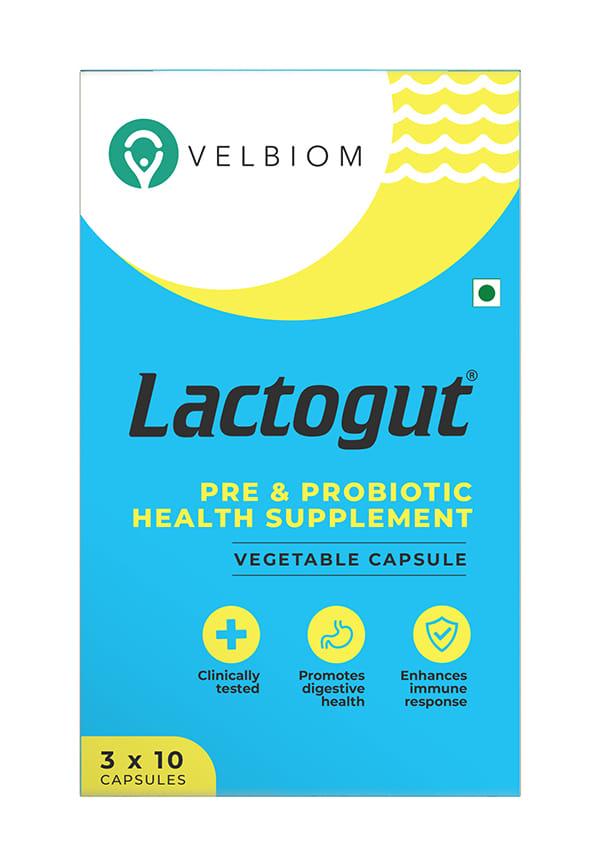
Lactogut | Probiotics Supplement for Gut & Digestive Health and Immunity | Pre+Probiotic Formula
Ever wondered why your skin breaks out after a particularly spicy weekend or why that glow seems to fade during stressful work weeks? The answer might be sitting right in your gut. The connection between gut health and skin isn't just wellness talk—it's backed by solid science that's particularly relevant for us in India. From the humidity of Mumbai to the pollution of Delhi, our unique lifestyle challenges make understanding this gut-skin axis even more crucial. Let's dive into how your digestive health directly impacts your skin and what you can do about it.
Your gut and skin are in constant conversation through what scientists call the gut-skin axis. Think of it as a WhatsApp group where your digestive system and skin cells are constantly updating each other about what's happening in your body.
The gut-skin axis works through multiple pathways. Your gut microbiome—the trillions of bacteria living in your digestive tract—produces metabolites that travel through your bloodstream to your skin. When your gut bacteria are happy and balanced, they produce beneficial compounds that support skin health. But when things go wonky, inflammation kicks in, and your skin pays the price.
Research shows that gut bacteria influence skin barrier function, collagen production, and even how your skin responds to environmental stressors. It's like having an internal skincare routine that works from the inside out.
Living in India comes with its own set of gut health challenges. Our traditional diet, rich in spices and fermented foods, can be brilliant for gut health. But modern urban lifestyles often disrupt this balance. Late-night street food runs, irregular meal times due to long commutes, and increased stress from city life all impact our digestive wellness.
Add to this the climate factor—humidity affects how our skin behaves, while seasonal changes can throw our gut bacteria off balance. It's no wonder that many of us struggle with skin issues that seem to come and go without obvious triggers.
Your body is pretty good at sending signals when something's not right. Here are the red flags that suggest your gut might be behind your skin troubles.
Bloating after meals, especially after eating dal or roti, could indicate poor digestion. Gas, irregular bowel movements, or that uncomfortable feeling after your favourite chole bhature might seem normal, but they're actually your gut asking for help.
Food intolerances are becoming increasingly common in urban India. If you notice skin flare-ups after consuming dairy, gluten, or even certain spices, your gut might be struggling to process these foods properly.
Persistent acne, especially around your jawline and chin, often points to gut imbalances. Eczema, dry patches, or sudden skin sensitivity can also trace back to digestive issues. Even that dull, tired-looking skin might be your gut's way of saying it needs attention.
Premature ageing, uneven skin tone, or increased sensitivity to products you've used for years are all potential signs that your gut-skin axis needs some TLC.
Let's get real about how digestive issues show up on our faces and what we can do about it.
That stubborn acne might not be about the face wash you're using—it could be about what's happening in your gut. When your digestive system is inflamed, it triggers a cascade of hormonal changes that can lead to breakouts. The connection between dairy consumption and acne is particularly relevant in India, where milk, curd, and paneer are dietary staples.
Spicy foods, while delicious, can sometimes aggravate gut inflammation in sensitive individuals. This doesn't mean you need to give up your favourite biryani, but understanding your triggers helps you make smarter choices.
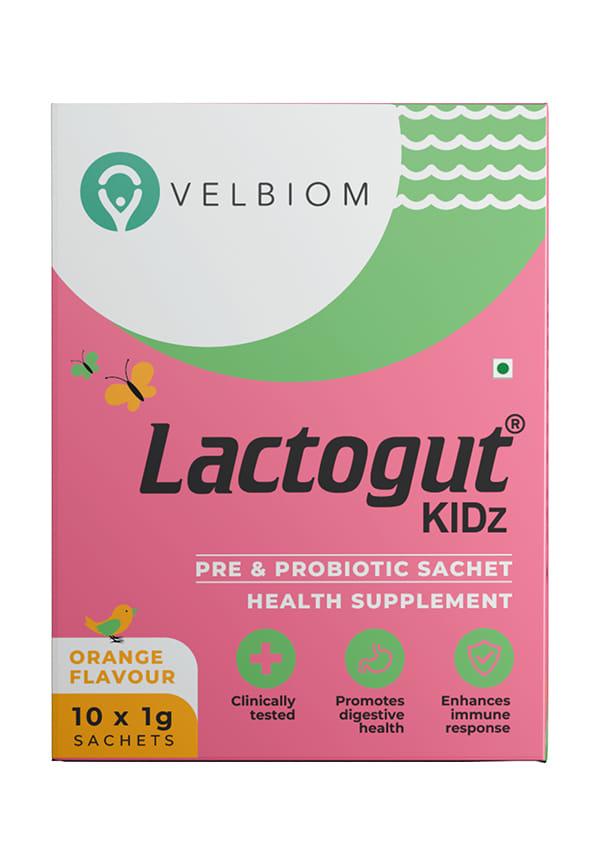
Lactogut Kidz Probiotics| Children Gut Health, Wellness and Immunity | Pre+Probiotic+Zinc Formula
Eczema and gut health are closely linked through something called intestinal permeability or 'leaky gut.' When your gut lining becomes compromised, it allows particles to enter your bloodstream that shouldn't be there, triggering immune responses that often show up as eczema or other inflammatory skin conditions.
Common food triggers in Indian cuisine include certain lentils, tomatoes, or even specific spice combinations. The key is identifying your personal triggers while maintaining the nutritional benefits of our diverse food culture.
Rosacea and general skin sensitivity often have gut microbiome imbalances at their root. Environmental factors like pollution and humidity in Indian cities can worsen these conditions, making gut health even more crucial for managing symptoms.
Anti-inflammatory approaches that focus on healing the gut can provide significant relief for sensitive skin conditions, often more effectively than topical treatments alone.
The good news? Some of the best foods for gut and skin health are already part of traditional Indian cuisine. Let's rediscover these nutritional powerhouses.
Curd and buttermilk aren't just cooling summer drinks—they're probiotic powerhouses that support both gut and skin health. The fermentation process in idli and dosa batter creates beneficial bacteria that help maintain a healthy gut microbiome.
Traditional pickled vegetables, when made with minimal oil and natural fermentation, provide diverse probiotic strains. Even that small portion of achaar with your meal can contribute to gut health when consumed mindfully.
Prebiotics feed the good bacteria in your gut, and Indian cuisine is rich in these fibre-packed foods. Vegetables like okra, bottle gourd, and bitter gourd might not be Instagram-worthy, but they're incredible for gut health.
Millets, which are making a comeback in urban Indian kitchens, provide excellent prebiotic fibres. Lentils and legumes offer both protein and the kind of fibre that keeps your gut bacteria happy and your skin glowing.
Turmeric isn't just trendy—it's genuinely anti-inflammatory and supports both gut healing and skin health. Ginger aids digestion while providing antioxidants that protect skin cells. Cumin, often overlooked, has impressive gut-healing properties.
Ayurvedic herbs like neem, tulsi, and ashwagandha can be incorporated into your healthy skin diet through teas, supplements, or even fresh preparations when available.
Understanding how to use probiotics and prebiotics effectively can transform both your gut health and skin appearance.
Specific probiotic strains like Lactobacillus rhamnosus and Bifidobacterium longum have shown particular benefits for acne treatment and overall skin health. In the Indian context, getting these through natural fermented foods is often more sustainable than expensive supplements.
Timing matters too—consuming probiotic-rich foods on an empty stomach or between meals can improve their effectiveness. A glass of buttermilk mid-morning or a small bowl of curd before dinner can work wonders.

Melts Healthy Gut - Plant Based Probiotic
Creating synbiotic combinations—foods that contain both probiotics and prebiotics—maximises benefits. Think curd with banana, or fermented rice with vegetables. These combinations are not only traditional but also scientifically sound.
Seasonal eating plays a role too. Summer foods like cucumber and watermelon provide hydration and prebiotic fibres, while winter vegetables like carrots and radishes offer different beneficial compounds.
If you're considering supplements, look for multi-strain probiotics with at least 10 billion CFUs. In the Indian market, quality can vary, so choose reputable brands and check for proper storage requirements.
Complementary nutrients like omega-3 fatty acids, zinc, and vitamin D support the gut-skin connection. However, getting these through food sources like fish, nuts, and sunlight exposure is often more effective than supplements alone.
Ready to give your gut and skin a fresh start? This practical plan uses easily available Indian ingredients and fits into busy urban lifestyles.
Start by removing obvious inflammatory foods—processed snacks, excessive sugar, and any foods you suspect trigger your skin issues. This doesn't mean starving yourself; replace these with simple, home-cooked meals.
Traditional Indian remedies like warm water with lemon and ginger in the morning can support gentle detoxification. Focus on hydration and getting adequate rest during this phase.
Introduce gut-healing foods gradually. Start your day with a probiotic-rich breakfast like idli with coconut chutney, or curd with fruits. Include prebiotic-rich vegetables in your lunch and dinner.
This is also the time to incorporate stress management through yoga or meditation. Even 10 minutes of pranayama can positively impact your gut-skin axis.
Focus on creating sustainable patterns you can maintain long-term. Plan your meals to include a variety of gut-friendly foods without making it feel restrictive or complicated.
Monitor how your skin responds and note any improvements in digestion, energy levels, or overall well-being. These changes often happen gradually, so patience is key.
While food plays a crucial role, other lifestyle factors significantly impact the gut-skin connection, especially in the Indian context.
Chronic stress disrupts gut bacteria and triggers inflammation that shows up on your skin. In India's high-pressure urban environment, stress management isn't luxury—it's essential for skin health.
Traditional practices like yoga, meditation, or even simple breathing exercises can help. Even a 15-minute evening walk or listening to calming music can make a difference to your gut-skin axis.
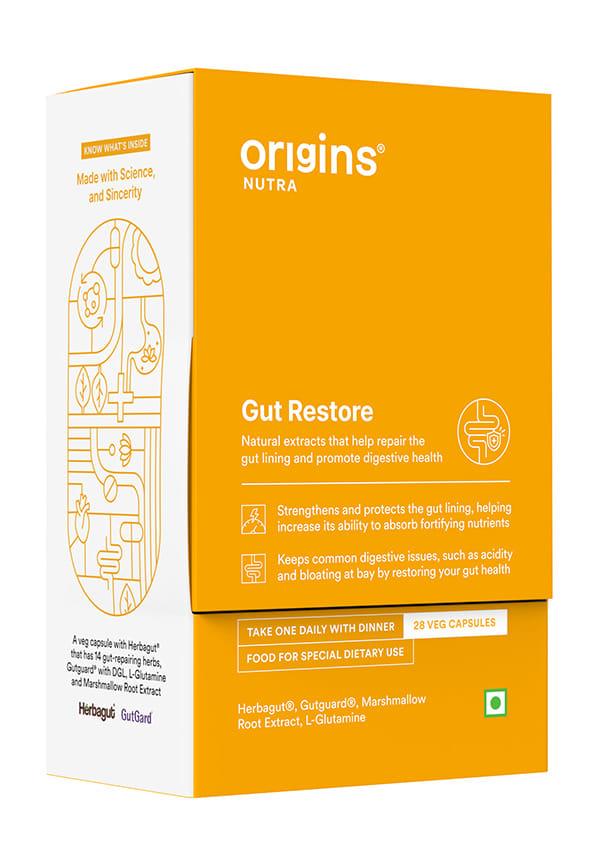
Origins Nutra Gut Restore For Men&Women 28 Veg Capsules Pack of 1
Your gut bacteria follow circadian rhythms just like you do. Irregular sleep patterns, common in Indian cities due to long commutes and work pressures, can disrupt gut health and consequently affect your skin.
Regular exercise, particularly yoga, supports healthy digestion and improves circulation to the skin. Even 20 minutes of daily movement can significantly impact your gut-skin health.
Pollution in Indian cities affects both gut and skin health. While we can't control air quality, we can support our body's natural detoxification processes through proper nutrition and lifestyle choices.
Natural protection strategies using Indian ingredients like neem face packs or turmeric masks can complement internal gut healing efforts. Seasonal adjustments—lighter foods in summer, warming spices in winter—help maintain optimal wellness year-round.
Discovering the right products for your skin journey becomes easier when you understand what works for your unique needs. Smytten, India's largest product discovery and trial platform, connects you with top skincare and wellness brands through curated trial packs. With mini-sized products from over 1,500 trusted brands, you can explore and experience products before committing to full-size purchases, making it easier to find what truly works for your skin.
Absolutely! A balanced gut microbiome significantly improves skin health by reducing inflammation, strengthening the skin barrier, and promoting nutrient absorption essential for clear, radiant skin. Many people notice improvements in acne, eczema, and overall skin texture within weeks of improving their gut health.
Key signs include persistent bloating, irregular bowel movements, food intolerances, chronic fatigue, mood changes, frequent skin breakouts, and recurring infections. In the Indian context, difficulty digesting traditional foods you previously enjoyed can also indicate gut health issues.
Traditional fermented foods like curd, buttermilk, idli, and naturally fermented pickles are excellent for gut health. Fibre-rich vegetables, millets, and anti-inflammatory spices like turmeric also support a healthy gut microbiome while being easily available and affordable.
A structured plan involving elimination of inflammatory foods, introduction of gut-healing nutrients, and establishment of healthy lifestyle habits to restore optimal gut-skin balance. It's designed to be practical and sustainable using commonly available Indian ingredients.
Focus on probiotic and prebiotic-rich Indian foods, manage stress through traditional practices like yoga, maintain regular sleep patterns, and include anti-inflammatory spices in daily meals. Consistency matters more than perfection in this journey.
The journey to healthy skin through gut wellness isn't about following the latest trend—it's about returning to the wisdom of traditional Indian nutrition while adapting to modern lifestyle realities. Your gut and skin are partners in this wellness journey, and supporting one inevitably benefits the other.
Remember, changes in gut health and skin appearance take time. Be patient with the process and focus on sustainable changes rather than quick fixes. Whether you're dealing with persistent acne, eczema, or simply want that natural glow, addressing gut health provides a foundation that topical treatments alone can't match.
The beauty of this approach is that it works with your body's natural processes rather than against them. By choosing gut-friendly foods, managing stress, and maintaining healthy lifestyle habits, you're not just improving your skin—you're investing in your overall wellness. After all, true beauty starts from within, and a healthy gut is where that journey begins.
