Healthy Lifestyle Habits India FAQ: Your Questions Answered



My Prash Chyawanprash For Daily Health
Building healthy lifestyle habits in India comes with its own unique set of challenges and opportunities. From navigating traditional wisdom alongside modern wellness trends to finding budget-friendly solutions that work for Indian families, the journey to better health often feels overwhelming. Whether you're a student trying to maintain good habits in a hostel, a working professional juggling long hours, or someone looking to incorporate Ayurveda into your daily routine, you're not alone in having questions. That's where platforms like Smytten come in handy—offering trial packs of wellness products so you can discover what works for your lifestyle without the commitment of full-size purchases.
TL;DR
Essential healthy lifestyle habits India include traditional practices like yoga and Ayurveda combined with modern nutrition and fitness approaches
The 5-4-3-2-1 framework provides a simple structure: 5 servings of fruits/vegetables, 4 hours of social time, 3 balanced meals, 2 litres of water, 1 hour of activity
Indian nutrition advice focuses on seasonal eating, traditional superfoods, and balanced thali composition for optimal health
Mental well-being India strategies blend ancient practices like pranayama with contemporary stress management techniques
Sustainable habit formation requires gradual implementation, family support, and culturally relevant approaches to wellness
When it comes to healthy lifestyle habits India, the magic lies in blending time-tested traditions with evidence-based modern practices. The Indian approach to wellness has always been holistic, considering not just physical health but mental and spiritual well-being too. Let's break down the essential habits that can transform your daily routine.
Starting your day with traditional rituals sets the tone for overall wellness. Oil pulling with coconut or sesame oil for 10-15 minutes helps remove toxins and improves oral health. Follow this with tongue scraping using a copper scraper to eliminate bacteria and enhance taste sensitivity.
Seasonal eating according to Ayurveda for health India principles means consuming cooling foods like cucumber and mint during summers, while warming spices like ginger and cinnamon work best in winters. This approach helps your body adapt naturally to climate changes and maintains digestive balance.
Hydration forms the foundation of good health, especially in India's varied climate. Aim for 8-10 glasses of water daily, but remember that this includes fluids from coconut water, buttermilk, and herbal teas. Your body's water needs increase during summers and when you're physically active.
Balanced nutrition with Indian superfoods means incorporating turmeric, amla, moringa, and millets into your meals. These nutrient-dense foods provide antioxidants, vitamins, and minerals that support immunity and overall health. Regular physical activity doesn't always mean hitting the gym—it could be as simple as taking stairs, walking to nearby markets, or dancing to your favourite Bollywood songs.
Meditation and yoga for beginners India doesn't require hours of practice. Even 10-15 minutes of deep breathing or simple asanas can significantly reduce stress levels. Start with basic poses like child's pose, mountain pose, and gentle twists that can be done at home.
Stress management India techniques include setting boundaries with technology, especially before bedtime. Create a digital sunset routine where you switch off devices an hour before sleep, allowing your mind to unwind naturally.
This simple framework provides structure to wellness tips India without overwhelming your schedule. It's designed to be flexible enough to adapt to Indian lifestyles while ensuring you cover all aspects of health. The beauty of this system lies in its simplicity—you can track your progress easily and make adjustments as needed.
Five servings of fruits and vegetables daily might sound challenging, but think of it as adding colour to every meal. Include a fruit with breakfast, vegetables in your lunch dal, evening snacks like carrot sticks, and a mixed vegetable curry for dinner. Four hours of quality family or social time strengthens emotional bonds and provides natural stress relief—something deeply valued in Indian culture.
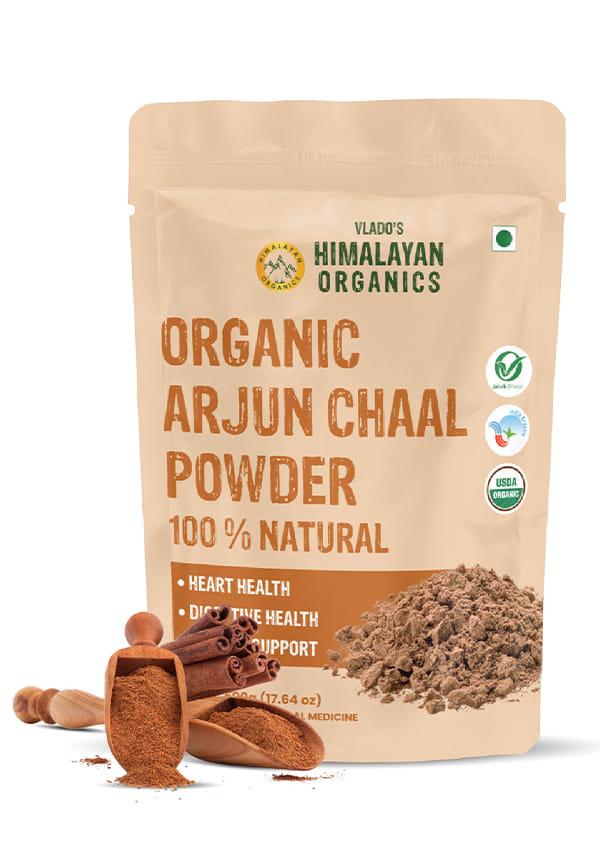
Arjun Chaal Powder | Natural & Pure Herbal Arjun Ki Chaal Powder For Men & Women | USDA Organic | Support Heart Health
Three balanced meals with proper timing help regulate your metabolism and energy levels throughout the day. Two litres of water minimum keeps you hydrated, though this can include herbal teas, coconut water, and other healthy beverages. One hour of physical activity can be split into smaller chunks—20 minutes of morning yoga, a 20-minute evening walk, and 20 minutes of household chores.
Indian families often eat together, making the social time component natural. Use this to your advantage by involving family members in meal preparation and choosing nutritious recipes together. Climate-appropriate fitness routines India means indoor activities during extreme weather and outdoor exercises during pleasant seasons.
Indian healthy living revolves around the concept of food as medicine. Our traditional cuisine already incorporates many principles of balanced nutrition, but modern lifestyles sometimes pull us away from these wisdom-filled practices. The key is rediscovering these principles and adapting them to contemporary needs.
Turmeric, ginger, and traditional spices aren't just flavour enhancers—they're powerful health boosters. Turmeric contains curcumin, which has anti-inflammatory properties, while ginger aids digestion and boosts immunity. Regional seasonal produce like mangoes in summer, guavas in winter, and monsoon greens provide nutrients when your body needs them most.
Traditional cooking methods like steaming, slow cooking in clay pots, and tempering with minimal oil preserve nutrients better than modern high-heat cooking. These methods also enhance the bioavailability of nutrients, making them easier for your body to absorb.
A balanced thali composition includes one-quarter protein (dal, paneer, or lean meat), one-quarter whole grains (brown rice, millets, or whole wheat roti), and half the plate filled with vegetables and salad. This traditional approach automatically ensures balanced nutrition without complex calculations.
Healthy snacking alternatives to processed foods include roasted chana, homemade trail mix with nuts and dried fruits, or fresh fruit chaat with chaat masala. Portion control with Indian serving styles means using smaller bowls and plates, eating slowly, and stopping when you feel 80% full.
Diabetes prevention with Indian diet focuses on complex carbohydrates like millets, quinoa, and brown rice instead of refined grains. Include bitter vegetables like karela and methi, which help regulate blood sugar naturally. Heart health benefits from traditional foods like oats, barley, and omega-3 rich foods like walnuts and flaxseeds.
Physical fitness doesn't require expensive gym memberships or fancy equipment. India's rich tradition of physical practices offers numerous options that can be adapted to modern lifestyles. The key is finding activities you enjoy and can sustain long-term, whether that's traditional yoga or contemporary workout routines.
Yoga for beginners India starts with basic breathing exercises and simple poses. Begin with 15-20 minutes daily, focusing on poses like Surya Namaskara (Sun Salutation), which provides a complete body workout. Classical dance forms like Bharatanatyam, Kathak, or even Bollywood dance provide excellent cardiovascular exercise while connecting you to cultural roots.
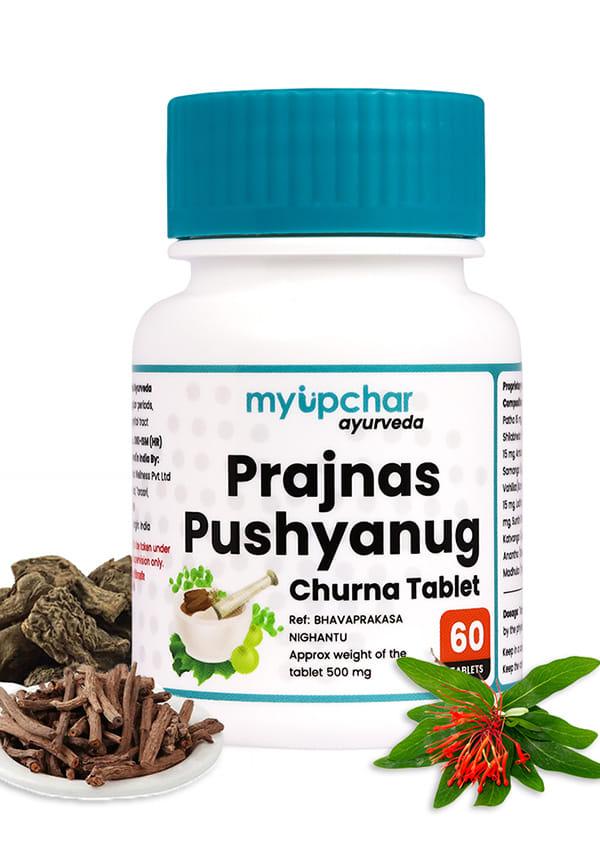
Ayurveda Prajnas Pushyanug Churna Tablets | Women Health Supplements
Walking remains one of the most accessible forms of exercise. Early morning or evening walks in parks, along beaches, or even in your neighbourhood provide fresh air, vitamin D, and gentle cardiovascular exercise. Outdoor activities like cycling, badminton, or cricket with friends combine fitness with social interaction.
Home workout routines work perfectly for small Indian homes. Bodyweight exercises like squats, lunges, push-ups, and planks require no equipment and can be done in minimal space. Online fitness videos and apps provide guided workouts that you can follow at your convenience.
Gym alternatives for budget-conscious Indians include community centres, local sports clubs, or group fitness activities in parks. Many residential societies have basic gym facilities or organise group activities like morning walks or yoga sessions. Seasonal exercise adaptations mean indoor activities during monsoons and extreme summers, while pleasant weather calls for outdoor sports and activities.
Fifteen-minute daily movement goals are more sustainable than hour-long workout sessions that you can't maintain. Start small and gradually increase duration and intensity. Family fitness activities like evening walks, weekend hikes, or playing with children in the park make exercise enjoyable and strengthen family bonds.
Mental health awareness in India is growing, but the stigma still exists. The good news is that our traditional practices offer excellent tools for mental well-being India. Combining ancient wisdom with modern understanding creates a comprehensive approach to emotional health that's both culturally relevant and scientifically sound.
Pranayama breathing techniques like Anulom Vilom (alternate nostril breathing) and Bhramari (bee breath) activate the parasympathetic nervous system, naturally reducing stress and anxiety. These practices require no special equipment and can be done anywhere—at your desk, in traffic, or before important meetings.
Meditation practices for beginners can start with just five minutes of focused breathing. Apps and guided meditations in regional languages make the practice more accessible. Ayurvedic approaches to mental health emphasise the connection between mind, body, and spirit, using herbs like ashwagandha and brahmi alongside lifestyle modifications.
Work-life balance in the Indian context often means managing extended family responsibilities alongside professional commitments. Setting boundaries becomes crucial—learn to say no to non-essential commitments and delegate household tasks when possible. Technology can be both a blessing and a curse for mental health, so create tech-free zones and times in your daily routine.
Community support systems play a vital role in Indian society. Don't hesitate to reach out to family, friends, or community groups when you're struggling. Sometimes, a simple conversation over chai can provide the emotional support you need.
Mindfulness in daily routines means being present during activities like eating, walking, or even washing dishes. This practice helps reduce anxiety about the future and regrets about the past. Positive thinking practices include gratitude journaling, celebrating small wins, and reframing negative thoughts into learning opportunities.
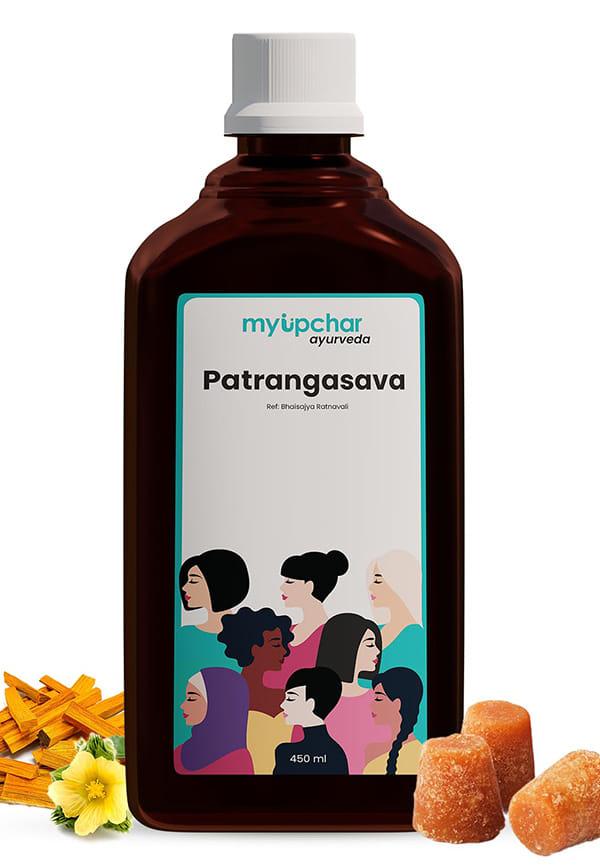
Ayurveda Patrangasava Tonic | Improve Digestion | Specially For Women
The seven essential daily habits include starting your day with warm water and lemon, practicing 15 minutes of yoga or exercise, eating seasonal fruits and vegetables, staying hydrated throughout the day, taking short walking breaks, practicing gratitude or meditation, and maintaining consistent sleep schedules. These habits align with both traditional Indian wellness practices and modern health recommendations.
Begin with micro-habits that take less than 5 minutes—like drinking a glass of water upon waking, taking stairs instead of lifts, or doing desk stretches during work breaks. Meal prep on weekends, keep healthy snacks handy, and use commute time for breathing exercises. Remember, consistency matters more than perfection, so start small and gradually build up your routine.
Include millets like jowar and bajra, which are high in fibre and protein. Traditional foods like dal, vegetables cooked with minimal oil, buttermilk, and seasonal fruits work excellently for weight management. Spices like turmeric, cumin, and coriander boost metabolism naturally. Avoid processed foods and stick to home-cooked meals with proper portion control.
Absolutely! Practice portion control during festival meals, balance indulgent foods with healthier options, stay hydrated, and maintain your exercise routine even if it's shorter during festival days. You can also try healthier versions of traditional sweets using dates, nuts, and minimal sugar. The key is moderation, not deprivation, so you can enjoy festivities while maintaining your wellness goals.
Smytten offers trial packs of wellness products from trusted brands, allowing you to test supplements, health foods, and wellness items before committing to full-size purchases. This approach helps you find products that genuinely work for your body and lifestyle without wasting money on unsuitable items. With 100% cashback on trials, you can explore various wellness options affordably.
Family support is crucial for sustainable healthy lifestyle habits India. When family members participate in meal planning, exercise routines, and wellness activities together, it creates accountability and makes healthy choices easier. Indian families can leverage their collective strength by cooking nutritious meals together, going for evening walks as a group, and supporting each other's health goals during challenging times.
Building sustainable healthy lifestyle habits India requires a balanced approach that honours traditional wisdom while embracing modern convenience. The most successful wellness journeys combine time-tested practices like yoga and Ayurveda with contemporary nutrition science and fitness routines. Remember that small, consistent changes create lasting results better than dramatic overhauls that are difficult to maintain.
Focus on habits that fit naturally into your Indian lifestyle—whether that's incorporating more vegetables into your dal, taking evening walks with family, or practicing breathing exercises during your commute. The 5-4-3-2-1 framework provides structure without rigidity, allowing you to adapt wellness practices to your unique circumstances and preferences.
Your wellness journey is deeply personal, and what works for others might need tweaking to suit your lifestyle, preferences, and health goals. Smytten understands this challenge and offers curated trial packs from over 1,500 trusted wellness brands, letting you explore and experience products before committing to full-size purchases. With trial packs covering everything from nutrition supplements to wellness teas, you can discover what truly supports your healthy lifestyle habits without the guesswork. The platform's 100% cashback on trials makes product discovery both affordable and rewarding, ensuring you never have to settle for products that don't align with your wellness goals. After all, why settle for 'maybe' when you can #TryItAll and find what genuinely works for your unique path to health and happiness!
