Hair Growth Diet: A Step-by-Step Eating Guide

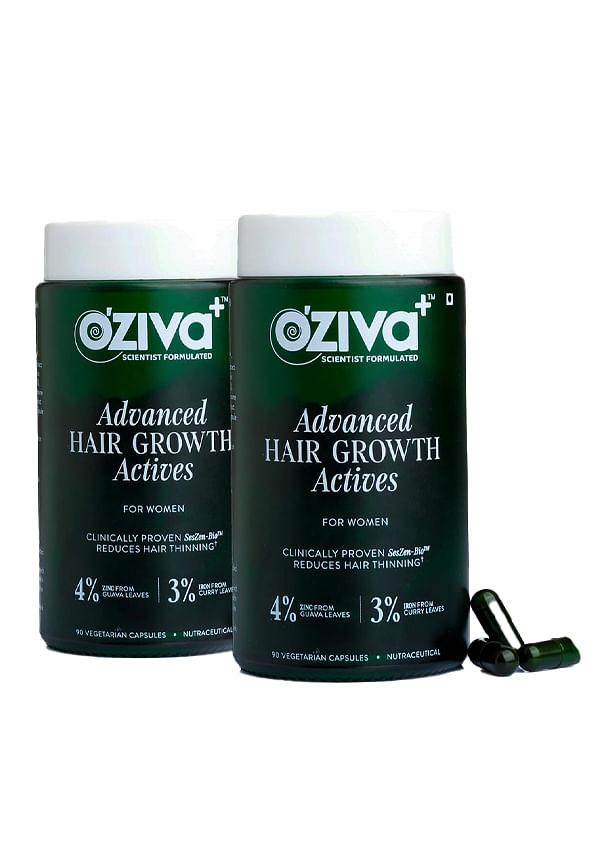
Advanced Hair Growth Actives | Anti-Thinning Hair Formula for Women
Good Product
 5
5“good product”
Good product, I like it
5“good product i like it it feels when I use it”
Nice Product
4“nice product.....thank you smytten”
Let's be real—your hair is basically broadcasting your health status to the world. If you've been wondering what to eat for hair growth, you're asking the right question. Your locks need proper nutrition just like the rest of your body, and the good news is that you can totally transform your mane from the inside out. Think of your hair follicles as tiny factories working round the clock, and they need the right raw materials to create those gorgeous strands. Ready to discover how food can be your secret weapon for enviable hair? Let's dive into this step-by-step guide that'll have you eating your way to better hair days.
Your hair doesn't just randomly decide to grow—it follows a pretty organised three-stage cycle. First comes the anagen phase, where your hair is actively growing (this lasts 2-7 years). Then there's the catagen phase, a brief transitional period where growth slows down. Finally, the telogen phase is when hair rests before eventually falling out to make room for new growth. Here's where nutrition gets interesting: every stage of this cycle depends on specific nutrients. During the anagen phase, your hair follicles are working overtime and need a steady supply of protein, vitamins, and minerals. Poor nutrition can push more hairs into the resting phase too early, leading to thinning and slower growth. When you feed your body the right scalp-nourishing foods, you're essentially giving your hair follicles the fuel they need to stay in that productive growth phase longer.
Your hair is basically a reflection of your overall nutritional status, and certain nutrients play starring roles in creating strong, healthy strands. Think of these as your hair's non-negotiables—the nutrients that can make or break your growth game. The brilliant thing about focusing on nutrient-rich foods for hair is that you'll probably notice improvements in your skin and overall energy levels too.
Your hair is made up of about 95% protein, specifically keratin. Without enough protein sources for healthy hair, your body will prioritise other functions over hair growth. Eggs, fish, lean meats, lentils, and Greek yoghurt are your best mates here. Even if you're vegetarian, quinoa, hemp seeds, and chickpeas have got your back.
Vitamins are like your hair's personal cheerleaders. Vitamin A helps produce sebum (your scalp's natural oil), whilst Vitamin C aids iron absorption and collagen production. Vitamin D creates new hair follicles, and Vitamin E protects against damage. But the real star? Biotin (Vitamin B7). Biotin-rich foods like eggs, nuts, and sweet potatoes can seriously upgrade your hair game.
Iron is crucial because it carries oxygen to your hair follicles. An iron-rich diet for hair health should include spinach, red meat, and lentils. Zinc is equally important—it helps with hair tissue growth and repair. Low zinc levels often lead to hair loss, so load up on pumpkin seeds, chickpeas, and shellfish.
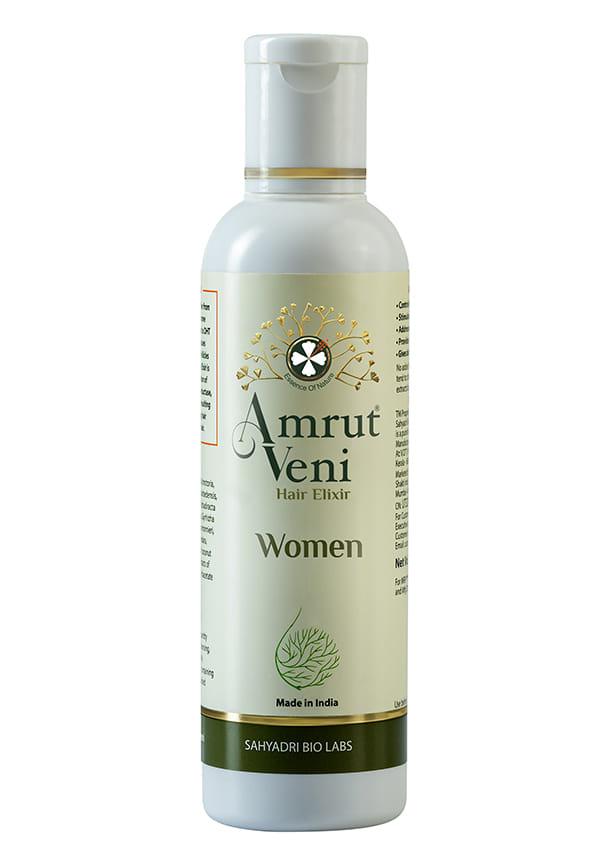
Hair Elixir Women
These healthy fats add shine and support scalp health. Omega-3 fatty acids and hair go hand in hand—they keep your scalp moisturised and can even help with hair density. Fatty fish like salmon, walnuts, chia seeds, and flaxseeds are your go-to sources.
Now for the fun part—actually building your hair-friendly eating plan. This isn't about completely overhauling your diet overnight (nobody has time for that drama). Instead, we're talking strategic tweaks that'll have your hair thanking you in a few months. Remember, consistency beats perfection every time.
Take a honest look at what you're eating regularly. Are you getting enough protein at each meal? Do you eat colourful fruits and vegetables daily? If your diet is heavy on processed foods and light on whole foods, that's your first clue about potential nutritional gaps affecting your hair health.
Start adding these hair-loving foods to your weekly shop: • Salmon and sardines for omega-3s • Spinach and kale for iron and folate • Eggs for biotin and protein • Berries for antioxidants • Nuts and seeds for zinc and healthy fats • Sweet potatoes for beta-carotene
Aim for about 0.8-1.2 grams of protein per kilogram of body weight daily. Mix it up with both animal and plant sources. Greek yoghurt with berries for breakfast, lentil soup for lunch, and grilled chicken with quinoa for dinner gives you variety whilst covering your protein bases.
Biotin deficiency is rare, but getting extra through food certainly doesn't hurt. Try avocado toast topped with sunflower seeds, or blend bananas into your morning smoothie. Mushrooms, cauliflower, and nuts are also brilliant sources that easily fit into most meals.
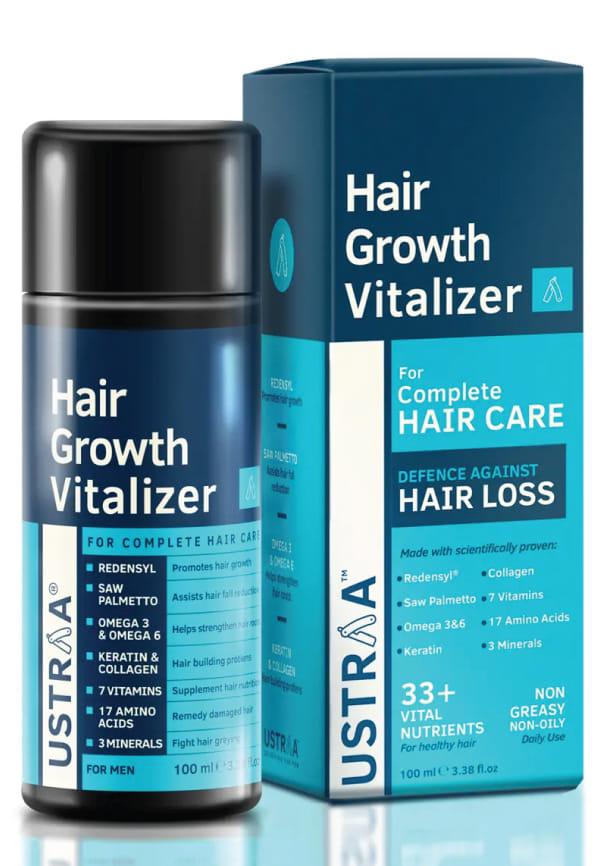
Hair Growth Vitalizer
Pair iron-rich foods with vitamin C for better absorption. Think spinach salad with orange segments, or lentil curry with tomatoes. If you're vegetarian, soaking beans and grains beforehand helps your body absorb more iron.
Pumpkin seeds make a great snack, whilst chickpeas can be roasted with spices for a crunchy treat. Oysters are zinc powerhouses if you're into seafood, and dark chocolate (yes, really!) contains decent amounts too.
Antioxidants for hair strength come from colourful fruits and vegetables. Blueberries, pomegranates, and dark leafy greens protect your hair follicles from damage caused by free radicals. Green tea is another brilliant source that's easy to work into your daily routine.
Whilst you can't eat collagen directly, certain foods help your body produce more of it. Bone broth, citrus fruits, and bell peppers support natural collagen production. Collagen-boosting foods work alongside vitamin C to maintain hair structure and strength.
Here's what a hair-healthy day might look like on your plate. Breakfast: Scrambled eggs with spinach and avocado on wholegrain toast, plus a handful of berries. Lunch: Quinoa salad with grilled salmon, mixed greens, pumpkin seeds, and lemon dressing. Dinner: Lentil and sweet potato curry with brown rice. Snacks: Greek yoghurt with walnuts, or hummus with bell pepper strips. This combination hits all your hair nutrition targets whilst keeping things varied and tasty. Feel free to swap similar foods based on your preferences—the key is maintaining that balance of protein, healthy fats, and vitamins throughout the day.
Hydration is honestly just as important as the food you eat. Your hair shaft is about 25% water, so aim for 8-10 glasses daily. Herbal teas and water-rich foods like cucumbers and watermelon count towards this goal. Try to limit processed foods, excess sugar, and alcohol—they can interfere with nutrient absorption and create inflammation that disrupts hair growth. Also, remember that results take time. Hair grows about half an inch per month, so give your new eating habits at least 3-4 months before expecting dramatic changes.
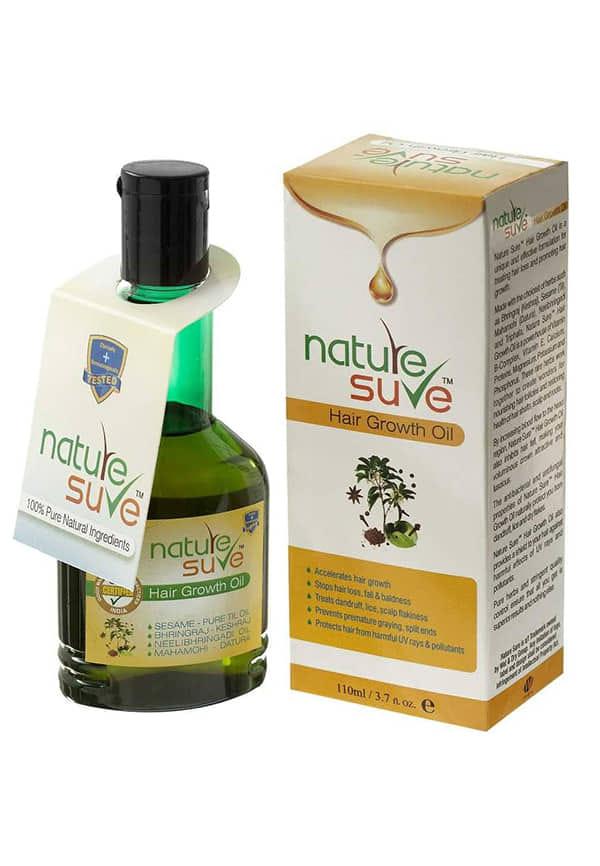
Hair Growth Oil for Darker and Stronger Hair in Men and Women
Don't fall into the trap of obsessing over one "superfood" or supplement. Your hair needs a variety of nutrients working together, not just massive amounts of biotin or protein. Balance is everything. Another common mistake is expecting overnight miracles. Hair growth is a slow process, and nutritional changes take time to show up in your strands. Also, don't neglect other factors like stress management and gentle haircare—diet alone won't fix everything, but it's definitely a crucial piece of the puzzle.
No single food can dramatically speed up hair growth, but protein-rich foods like eggs and fish, along with iron sources like spinach and lentils, support optimal growth rates. Consistency with a balanced diet matters more than any one ingredient.
Berries are fantastic because they're packed with vitamin C and antioxidants. Oranges and kiwis also support collagen production, whilst avocados (technically a fruit!) provide healthy fats that nourish your scalp.
Water is your best friend for hair health. Green tea provides antioxidants, whilst smoothies with protein powder, berries, and leafy greens can be a convenient way to pack in hair-loving nutrients.
You'll typically notice changes in new hair growth after 3-6 months of consistent healthy eating. Existing hair might feel stronger and shinier within 6-8 weeks, but length changes take patience.
Whilst good nutrition supports hair health, sudden hair loss often has multiple causes including stress, hormones, or medical conditions. A healthy diet is important but might not be an instant fix for all hair concerns.
Feeding your hair from the inside out isn't just about following a strict meal plan—it's about making sustainable choices that support your overall health. When you consistently eat nutrient-rich foods for hair, you're investing in stronger, healthier strands that'll grow at their optimal rate. Remember, your hair journey is unique, and what works brilliantly for your friend might need tweaking for you. Start with small changes, stay consistent, and give your hair the nutritional love it deserves. Your future self (and your hair) will definitely thank you for it.
