Habit Stacking for Wellness FAQ: Your Questions Answered


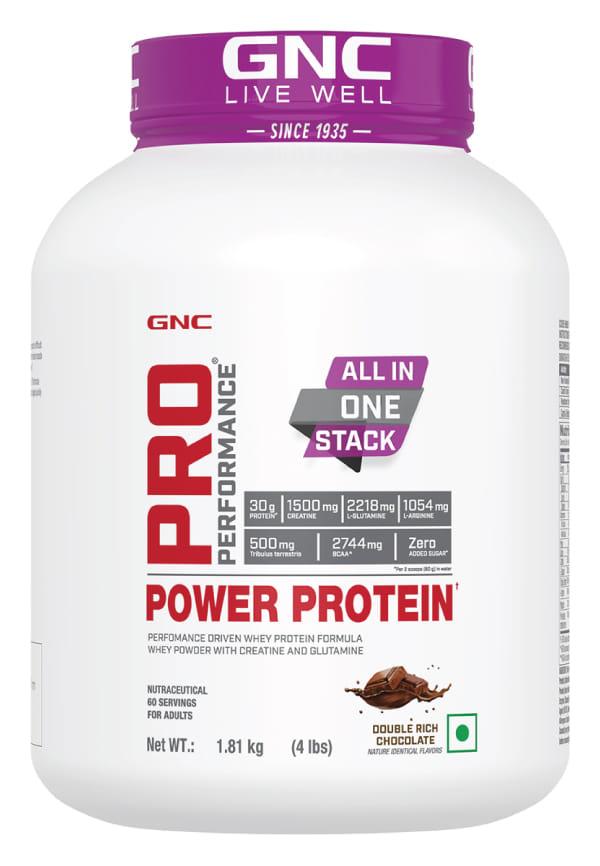
Pro Performance Power Protein - 6-in-1 Stack for Increased Strength, Recovery & Muscle Mass
Building healthy habits feels like climbing a mountain sometimes, doesn't it? You start with the best intentions, maybe even nail it for a few days, then life happens and everything falls apart. That's where habit stacking for wellness comes in—a game-changing approach that makes building healthy habits feel less like a battle and more like a natural flow. Instead of relying on willpower alone, this technique links new wellness habits to ones you already do automatically. Think of it as creating a domino effect where one good habit naturally triggers the next. Whether you're trying to squeeze in more movement, prioritise self-care, or build a mindful morning routine, habit stacking might just be the missing piece you've been looking for. At Smytten, we've seen how small changes in daily routines can lead to big transformations in overall wellness.
Habit stacking for wellness links new healthy habits to existing automatic behaviours, making them easier to stick to
The technique works by using the "After I [existing habit], I will [new habit]" formula to create natural triggers
Start small with 2-minute wellness habits and gradually build complexity over time
The 3-3-3 rule suggests 3 days to start, 3 weeks to establish, and 3 months to fully integrate new habits
Success depends on choosing stable anchor habits and designing your environment to support the new behaviours
Habit stacking for wellness is a behavioral change strategy that connects new healthy habits to existing automatic behaviours in your daily routine. Rather than trying to remember to do something completely new, you're essentially piggybacking on habits that are already hardwired into your brain. The habit stacking technique works because your existing habits act as natural cues or triggers for the new wellness behaviours you want to adopt.
The science behind this approach is rooted in how our brains form neural pathways. When you perform an existing habit, specific neural circuits fire in your brain. By immediately following this with a new wellness habit, you're creating a stronger neural connection between the two actions. Over time, this linking process makes the new habit feel as automatic as the original one.
Your brain loves efficiency, which is why habits exist in the first place. When you stack wellness habits onto existing routines, you're working with your brain's natural tendency to automate behaviours rather than against it. This approach to wellness habit formation is far more sustainable than relying on motivation or willpower alone.
Most people approach building healthy habits by setting ambitious goals without considering the practical mechanics of behaviour change. Habit integration for health works differently—it focuses on the systems and triggers that make healthy choices inevitable rather than optional.
The habit stacking technique follows a simple but powerful formula: "After I [existing habit], I will [new habit]." This creates what behavioural scientists call an "implementation intention"—a specific plan that links a situational cue to a desired behaviour. The key is choosing the right anchor habit and pairing it with an appropriately sized new wellness habit.
When linking new habits to existing ones, timing and sequence matter enormously. The new habit should flow naturally from the anchor habit, both logically and practically. For instance, "After I brush my teeth, I will do 10 deep breathing exercises" works because both activities happen in the bathroom and the transition feels seamless.
The best anchor habits are those you do consistently without thinking. These might include making your morning coffee, checking your phone when you wake up, or washing your hands before meals. The more automatic and reliable your anchor habit, the stronger foundation it provides for your new wellness behaviour.
Many people choose anchor habits that aren't actually consistent or try to stack habits that are too large or complex. Another frequent mistake is creating logical connections that don't work practically—like trying to meditate immediately after an energising workout when you're still buzzing with adrenaline.
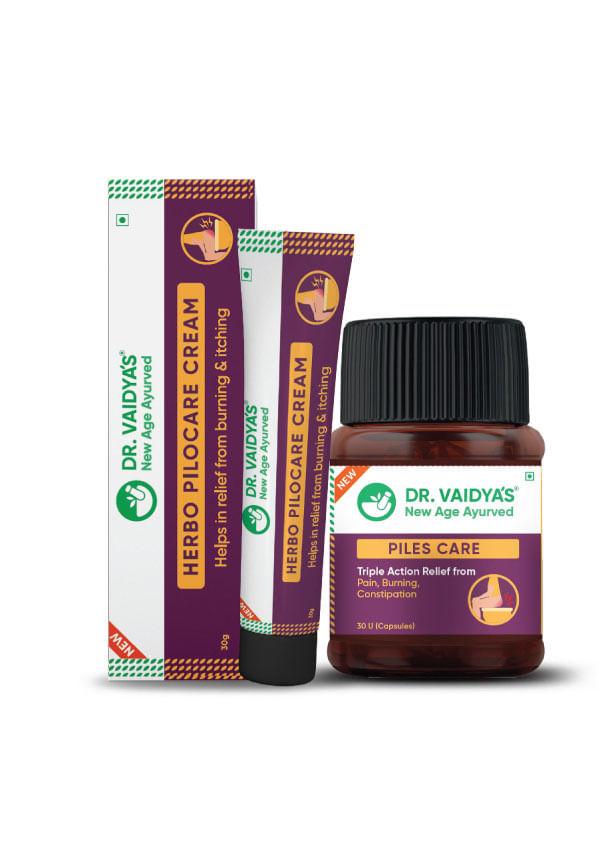
Piles Management Combo
The beauty of building healthy habits through stacking lies in how personalised it can be. What works brilliantly for your flatmate might feel completely wrong for your lifestyle and preferences. However, certain patterns tend to work well for most people when it comes to daily routine optimization.
Morning wellness stacks often prove most successful because your willpower is typically strongest early in the day, and morning routines tend to be more predictable than evening ones.
"After I start the kettle for my morning tea, I will do 2 minutes of stretching while it boils." This works because you're already waiting anyway, and gentle movement helps wake up your body. Another popular option: "After I check the weather on my phone, I will write down three things I'm grateful for."
"After I finish dinner, I will spend 5 minutes tidying one area of my living space." This creates a sense of closure for the day while maintaining your environment. Or try: "After I brush my teeth before bed, I will apply a face mask or moisturiser mindfully."
"After I finish my lunch, I will take a 10-minute walk outside." This combats the afternoon energy slump while getting you away from screens. Another effective option: "After I close my laptop at the end of the workday, I will do 5 minutes of breathing exercises to transition out of work mode."
The 3-3-3 rule provides a realistic timeline for behavioral change strategies, breaking habit formation into three distinct phases. This framework helps set proper expectations and provides clear milestones for creating consistent habits without the pressure of perfectionism.
The first phase focuses on simply showing up for three days in a row. During this initiation period, your only goal is to perform the new habit, however imperfectly. The second phase extends this to three weeks, where you're building consistency and working through the inevitable obstacles that arise.
These first three days are about proving to yourself that the habit stack is doable. Keep the new habit ridiculously small—even 30 seconds counts. The goal is momentum, not perfection. If you miss a day, simply restart the 3-day count.
During weeks one through three, you're strengthening the neural pathway between your anchor habit and new wellness behaviour. This is when you'll face the most resistance and when environmental design becomes crucial for success.
By month three, the habit should start feeling automatic. This is when you can begin to expand the habit or add complexity. Many people find that what started as a 2-minute wellness habit naturally grows into something more substantial once it's truly integrated.

Teen Multivitamin Tablets - Daily Vitamins for Teenagers - Boost Energy & Immunity
Great Value Product
 5
5“good quality product... affordable”
Creating effective wellness habit stacks requires thoughtful planning and a deep understanding of your own patterns and preferences. The process starts with honest self-assessment about which existing habits are truly reliable and which new wellness behaviours would make the biggest positive impact on your life.
Mindful habit building means paying attention to the subtle factors that influence your success. This includes everything from the physical environment where the habit takes place to the emotional state you're typically in when performing your anchor habit.
When starting any new wellness habit, make it so small that it feels almost silly not to do it. "After I sit down at my desk in the morning, I will take three deep breaths" is more likely to stick than "After I sit down at my desk, I will meditate for 20 minutes."
Your environment should make the new habit easier to perform than to skip. If your wellness stack involves drinking more water, place a filled water bottle next to your coffee maker the night before. If it involves stretching, lay out a yoga mat in your path.
Simple tracking helps maintain awareness without creating pressure. A basic tick on a calendar or a note in your phone can provide valuable feedback about which stacks are working and which need adjustment.
While traditional habit stacking can focus on any type of behaviour—productivity, organisation, or skill-building—wellness stacking specifically targets habits that support your physical, mental, and emotional health. This approach to wellness habit formation considers the interconnected nature of different aspects of wellbeing.
Wellness stacking often involves creating synergistic combinations where habits support and amplify each other. For example, a morning stack might include hydration, movement, and mindfulness—three elements that work together to create an energised, centred start to your day.
Unlike productivity-focused habit stacking, wellness stacking considers how habits affect your entire system. A habit that boosts physical energy might be paired with one that supports mental clarity, creating compound benefits that extend throughout your day.
Habit chaining for self-improvement in the wellness context means thinking beyond individual behaviours to consider how they contribute to your overall sense of vitality and life satisfaction. This might mean stacking a physical habit with an emotional or spiritual practice.
Most people notice the new behaviour becoming easier within the first week, but true automation typically takes 2-3 months. The 3-3-3 rule provides a realistic timeline: 3 days to start, 3 weeks to establish consistency, and 3 months for full integration.
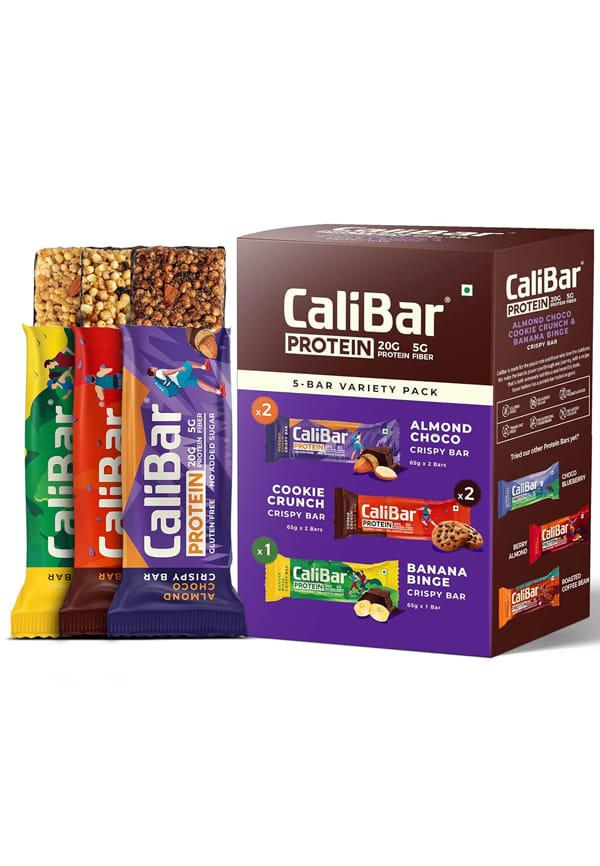
Protein Bar - Variety Bars - Almond Choco, Cookie Crunch, Banana Binge
It's generally better to focus on one new habit stack at a time until it feels automatic. However, you can create multiple small stacks throughout your day rather than trying to add several new behaviours to a single anchor habit.
Choose a different anchor habit that you perform more reliably. The strength of your habit stack depends entirely on the consistency of your anchor behaviour. If you only make coffee on weekdays, it won't work as an anchor for a daily wellness habit.
Focus on anchor habits that remain consistent regardless of your schedule, such as waking up, eating meals, or going to bed. You might also create multiple mini-stacks for different types of days rather than trying to force one routine to fit all situations.
The best habits to stack first are highly individual, but commonly successful ones include: drinking water upon waking, taking deep breaths before meals, doing light stretching after sitting for long periods, expressing gratitude before bed, taking short walks after eating, and spending a few minutes in natural light each morning. Trial different wellness products on Smytten to discover what resonates with your routine.
Yes, habit stacking is far more sustainable than relying on willpower alone. Willpower is a finite resource that depletes throughout the day, while habit stacking leverages your brain's natural tendency to automate behaviours, making healthy choices feel effortless rather than forced.
Simply begin again with the 3-day initiation phase. Don't try to make up for lost time or punish yourself with a more intense version. Treat the break as valuable data about what might need adjusting in your approach rather than as a personal failure.
Absolutely. Mental health habits like gratitude practice, breathing exercises, or brief mindfulness moments work exceptionally well with habit stacking because they can be easily attached to existing daily activities and don't require special equipment or locations.
Habit stacking for wellness transforms the challenging process of building healthy habits into something that feels natural and sustainable. By linking new wellness behaviours to existing automatic habits, you're working with your brain's natural patterns rather than against them. The key to success lies in starting small, choosing reliable anchor habits, and being patient with the process.
Remember that effective habit stacking isn't about perfection—it's about creating systems that make healthy choices easier and more automatic over time. The 3-3-3 rule provides a realistic framework for expectations, while environmental design and mindful tracking support your success without creating additional pressure.
Whether you're looking to add more movement to your day, create better sleep hygiene, or build a consistent self-care routine, habit stacking offers a practical path forward. The beauty of this approach is its flexibility—you can adapt it to any lifestyle, schedule, or wellness goal.
Building lasting wellness habits doesn't have to feel like an uphill battle. With the right approach and tools, creating positive change can become as natural as your morning cup of tea. Smytten understands that wellness is deeply personal, which is why we offer curated trial packs from over 1,500 trusted wellness brands. Whether you're exploring new supplements, skincare routines, or self-care products to support your habit stacking journey, our platform lets you try before you buy with 100% cashback on trials. From aromatherapy products that could enhance your evening routine to energy-boosting supplements that might support your morning stack, you can discover what truly works for your unique wellness goals. With authentic brand-verified minis available on Smytten and PAN-India delivery, building your perfect wellness routine has never been more accessible. After all, why settle for guessing what might work when you can #TryItAll and find what actually transforms your daily habits into lasting wellness wins?
