Gut Health FAQ: Your Questions on Digestion Answered
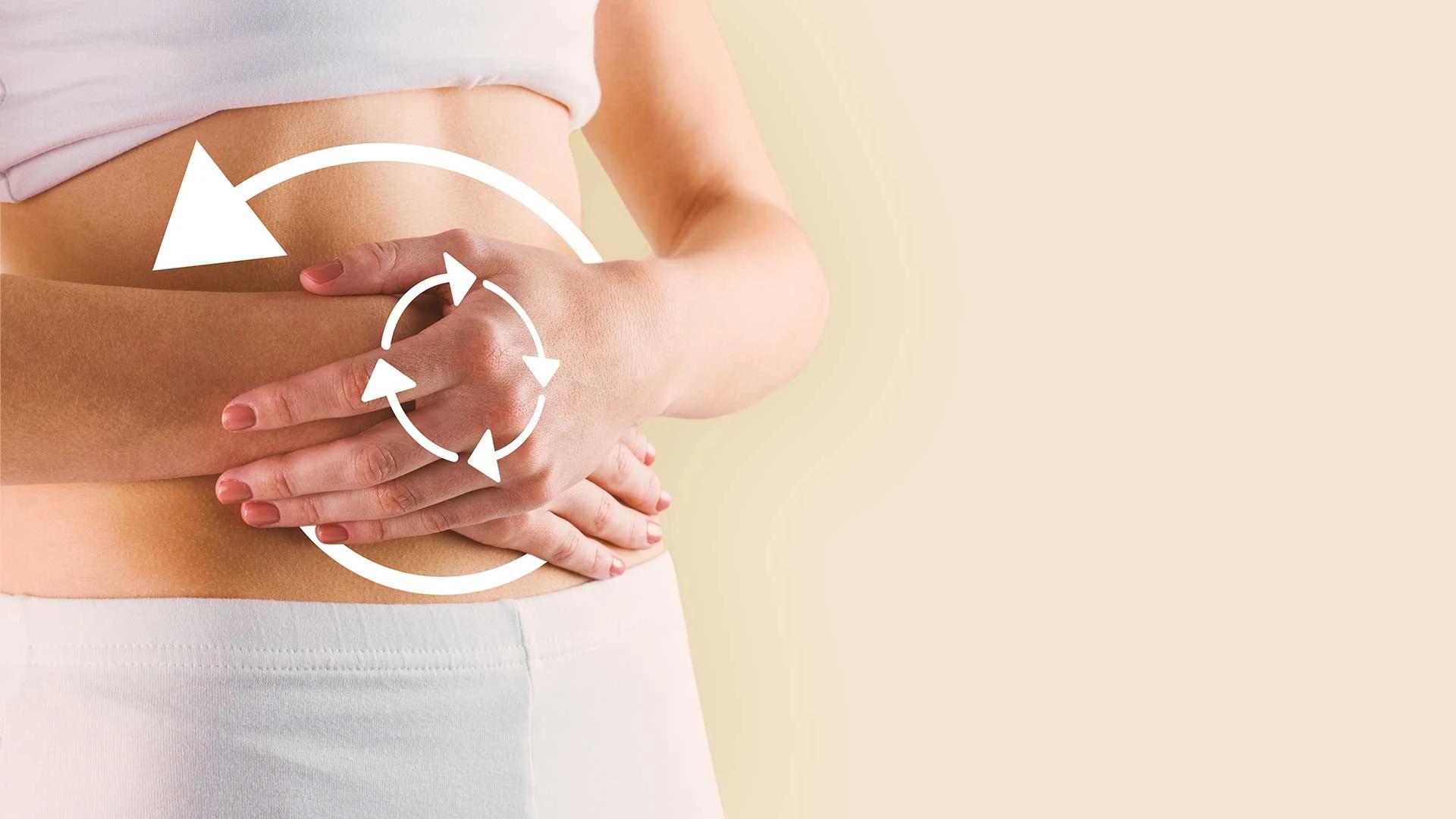


Gut Cleansner
Your gut health affects everything from your energy levels to your mood, yet most of us don't really know how to take proper care of our digestive system. If you've been dealing with bloating, irregular digestion, or just want to feel better overall, you're not alone. The good news? Small changes can make a massive difference to your gut microbiome and overall digestive health. Whether you're curious about probiotics, wondering about the best foods for your gut, or looking for natural bloating remedies, we've got the answers you need. Think of this as your friendly guide to understanding your gut better—because when your digestive system is happy, you feel it everywhere. Plus, with platforms like Smytten making it easier to try wellness products before committing to full sizes, there's never been a better time to explore what works for your unique needs.
Your gut microbiome affects everything from digestion to mood, and simple dietary changes can transform your gut health in weeks
Focus on eating diverse plant foods, staying hydrated, and including both probiotics and prebiotics in your daily routine
Natural bloating remedies include mindful eating, gentle movement, and identifying trigger foods through elimination
Stress management and quality sleep are just as important as diet for maintaining healthy digestion
Most gut health improvements take 2-4 weeks to notice, but some changes can be felt within days
Let's be real—your gut is basically your second brain, and it's got opinions about everything you eat, drink, and even think about. Your gut microbiome is home to trillions of bacteria that work around the clock to keep your digestive health on track. When this ecosystem is balanced, you'll notice better digestion, clearer skin, more stable moods, and higher energy levels.
The gut-brain connection isn't just wellness speak—it's actual science. Your gut produces about 90% of your body's serotonin, which explains why digestive issues often come with mood swings or anxiety. A healthy gut microbiome communicates with your brain through the vagus nerve, influencing everything from your stress response to your sleep quality.
Signs of an unhealthy gut include frequent bloating, irregular bowel movements, food cravings (especially for sugar), frequent infections, skin issues, and that general feeling of being "off." On the flip side, a thriving gut microbiome shows up as regular, comfortable digestion, stable energy throughout the day, clear skin, and better resilience to stress. The brilliant thing about gut bacteria is that they're incredibly responsive to changes in your diet and lifestyle, which means you can start feeling better relatively quickly.
Here's where the magic happens—your daily food choices are literally feeding either the good or bad bacteria in your gut. The most effective tips for healthy gut maintenance start with what's on your plate, and the good news is that these changes don't have to be complicated or expensive.
Diversity is your gut's best friend. Aim to eat 30 different plant-based foods each week—this includes fruits, vegetables, nuts, seeds, legumes, and whole grains. Your gut bacteria thrive on variety, and different types of fiber feed different beneficial bacteria. Think of it as creating a bustling, diverse neighbourhood in your digestive system rather than a boring monoculture.
Fibre intake guidelines: Most of us need between 21-38 grams of fibre daily, but if you're currently eating a low-fibre diet, increase gradually to avoid uncomfortable bloating. Start by adding one extra serving of vegetables or a handful of berries to your meals. Whole foods like oats, apples, beans, and leafy greens are your gut's favourite fuel sources.
Hydration strategy: Your digestive system needs adequate water to function properly—aim for 4-6 cups daily, but listen to your body. Proper hydration helps with nutrient absorption and keeps things moving smoothly through your digestive tract. Room temperature water is often easier on sensitive stomachs than ice-cold drinks.
Meal timing matters: Try to leave 4-5 hours between meals to give your digestive system time to rest and reset. This allows your gut to complete its cleaning cycles and prevents the constant stress of processing food. Late-night eating can disrupt both your sleep and your gut health, so aim to finish eating 2-3 hours before bed.
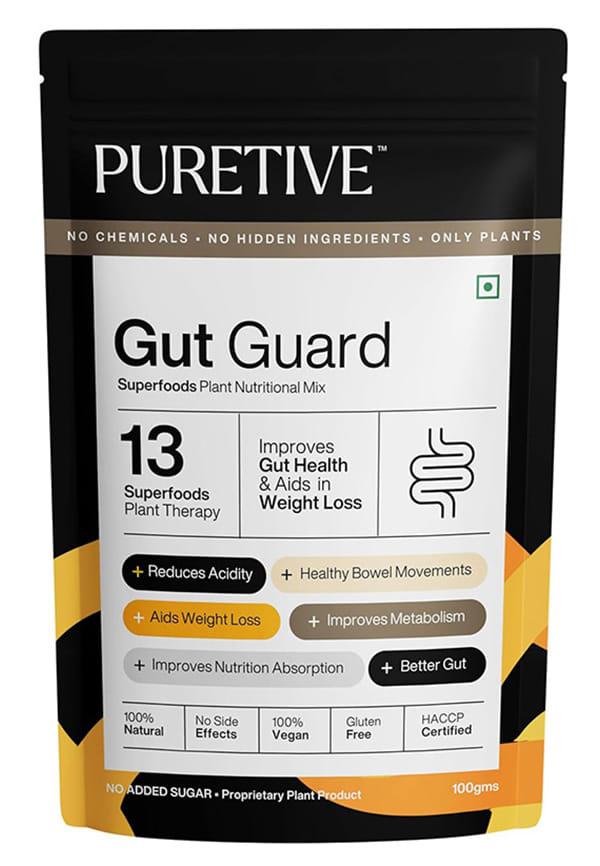
Gut Health Superfoods Nutritional Mix
Think of probiotics as the beneficial bacteria themselves, while prebiotics are the food that keeps them happy and thriving. You need both for optimal gut health, and the best approach is getting them from whole foods rather than relying solely on supplements.
Probiotic-rich foods are like sending reinforcements to your gut army. Natural yoghurt, kefir, kimchi, sauerkraut, and kombucha all contain live beneficial bacteria that can help restore balance to your gut microbiome. Start with small amounts—a few spoonfuls of sauerkraut or half a cup of kefir—and gradually increase as your system adjusts.
Prebiotics are essentially fertiliser for your good gut bacteria. Garlic, onions, leeks, asparagus, oats, bananas, and Jerusalem artichokes are all excellent sources. These foods contain specific types of fibre that your beneficial bacteria love to munch on, helping them multiply and crowd out harmful bacteria.
While whole foods should be your first choice, high-quality probiotic supplements can be helpful, especially after antibiotics or during times of high stress. Look for supplements with multiple strains, at least 10 billion CFUs, and proper storage requirements. However, remember that supplements work best alongside a gut-friendly diet, not as a replacement for it.
Your gut microbiome is incredibly sensitive to what you feed it, and some foods can trigger gut inflammation while others actively promote healing. Understanding which foods support your digestive health and which ones might be causing issues can be a game-changer for how you feel day-to-day.
Ultra-processed foods are your gut's worst enemy. Artificial sweeteners, emulsifiers, and preservatives can disrupt your gut microbiome balance and increase intestinal permeability. This doesn't mean you can never enjoy treats, but aim for the 80/20 rule—80% whole, unprocessed foods and 20% flexibility for life's pleasures.
Common inflammatory triggers include excessive caffeine (more than 3-4 cups daily), very spicy foods if you're sensitive, fried foods, and foods high in added sugars. Pay attention to how your body responds to these foods—everyone's gut is different, and what bothers one person might be fine for another.
Anti-inflammatory choices include foods rich in polyphenols like berries, green tea, dark leafy greens, and olive oil. These compounds feed beneficial bacteria and help reduce gut inflammation. Omega-3 rich foods like fatty fish, walnuts, and flaxseeds also support gut health by reducing inflammation throughout your digestive system.

Probiotics Supplement 60 Billion CFU+ Gut Health Supplements
Bloating can be frustrating, but there are plenty of natural bloating remedies that actually work. The key is identifying whether your bloating is from eating too quickly, food sensitivities, or an imbalanced gut microbiome.
Mindful eating practices can dramatically reduce bloating. Chew each bite thoroughly—aim for 20-30 chews—and put your fork down between bites. This simple change helps your stomach produce adequate digestive enzymes and signals your brain when you're actually full. Eating while stressed or distracted can worsen bloating, so try to create a calm environment for meals.
Immediate bloating relief can come from gentle movement like walking, yoga poses that massage your digestive organs, or sipping warm herbal teas like peppermint or ginger. For longer-term relief, consider keeping a food diary to identify trigger foods and gradually eliminate them to see if your symptoms improve.
Your gut health isn't just about what you eat—your lifestyle choices play a massive role in maintaining a healthy gut microbiome. Stress, sleep, exercise, and daily routines all influence your digestive health in ways you might not expect.
Chronic stress is one of the biggest disruptors of gut health. When you're stressed, your body diverts energy away from digestion, which can lead to bloating, irregular bowel movements, and an imbalanced gut microbiome. Simple stress management techniques like deep breathing exercises, meditation, or even just taking a few minutes to eat without distractions can make a real difference.
Sleep optimization is crucial for gut health. Your gut microbiome follows a circadian rhythm just like you do, and poor sleep can disrupt this natural cycle. Aim for 7-9 hours of quality sleep and try to maintain consistent sleep and wake times. Your gut does important repair work while you sleep, so skimping on rest directly impacts your digestive health.
Regular exercise promotes healthy gut motility and increases the diversity of your gut microbiome. You don't need intense workouts—even a 20-30 minute daily walk can improve digestion and reduce bloating. Exercise also helps manage stress and improves sleep quality, creating a positive cycle for your gut health.
Circadian rhythm support means eating your largest meals earlier in the day when your digestive fire is strongest, and avoiding large meals close to bedtime. Your gut bacteria are most active during certain times of day, so working with your natural rhythms rather than against them supports better digestive health.
While lasting gut health changes take time, you can start feeling better within a few days by focusing on hydration, eating slowly, and adding one probiotic food daily. Most people notice significant improvements in 2-4 weeks of consistent healthy habits. Quick wins include drinking more water, chewing food thoroughly, and taking a short walk after meals.
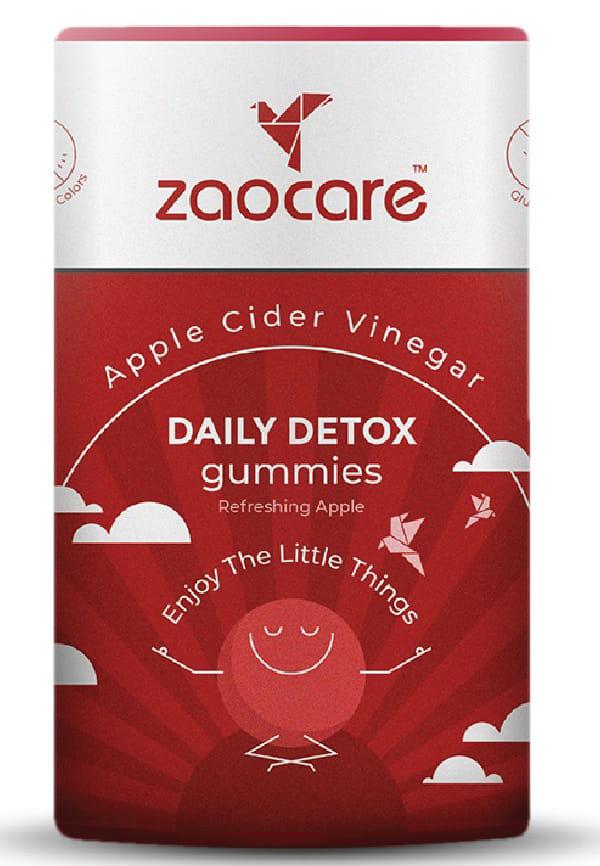
Daily Detox Gummies For Fat Loss & Digestion|With Apple Cider Vinegar|100% Vegan
A gut reset typically involves eliminating common trigger foods (processed foods, excess sugar, alcohol) while focusing on whole foods, plenty of water, and stress reduction. However, true gut healing takes longer than a week. Use a 7-day period to establish healthy habits rather than expecting a complete transformation. Focus on adding beneficial foods rather than just restricting.
The 5 R's are Remove (harmful foods and stressors), Replace (digestive enzymes and stomach acid if needed), Reinoculate (with beneficial bacteria through probiotics), Repair (the gut lining with nutrients like L-glutamine), and Rebalance (lifestyle factors like stress and sleep). This framework provides a comprehensive approach to addressing gut health issues.
For most people, getting probiotics from food sources daily is beneficial and safe. Probiotic supplements can be helpful short-term or during specific situations like antibiotic use, but they're not necessarily needed long-term if you're eating a diverse, gut-friendly diet. Quality matters more than quantity when it comes to probiotics available on Smytten and other platforms.
Signs of improving gut health include more regular, comfortable bowel movements, reduced bloating, better energy levels, improved mood, clearer skin, and fewer food cravings. Keep a simple diary tracking your symptoms, energy, and mood to notice patterns and improvements over time.
Consult a healthcare provider if you experience persistent abdominal pain, significant changes in bowel habits, blood in stool, unexplained weight loss, or if digestive issues are significantly impacting your quality of life. These could indicate conditions that need professional diagnosis and treatment beyond basic lifestyle changes.
Improving your gut health doesn't require expensive supplements or extreme dietary changes—it's about consistent, gentle shifts towards supporting your gut microbiome. Start with increasing your water intake, eating more diverse plant foods, and paying attention to how different foods make you feel. Remember that your gut bacteria respond quickly to positive changes, so even small improvements in your diet and lifestyle can lead to noticeable benefits within weeks.
The most effective approach combines dietary changes with lifestyle factors like stress management and adequate sleep. Focus on adding beneficial foods rather than just restricting everything you enjoy, and be patient with the process. Your gut health journey is personal, and what works for others might need tweaking to suit your unique needs and preferences.
Taking care of your gut health is one of the best investments you can make in your overall wellbeing, and the journey doesn't have to be overwhelming or expensive. Whether you're exploring new wellness products, trying different probiotic foods, or simply wanting to understand your body better, having access to trial-sized options can make all the difference. Smytten is India's largest product discovery and trial platform, connecting consumers with top lifestyle, beauty, wellness, and grooming brands through curated trial packs from over 1,500 trusted brands. This approach lets you explore and experience wellness products before committing to full-size purchases, making it easier to find what truly works for your gut health journey. With 100% cashback on trials and the convenience of trying before you buy, you can discover your perfect gut health routine without the guesswork. After all, why settle for 'maybe' when you can #TryItAll!
