Gut Health FAQ: Your Questions Answered

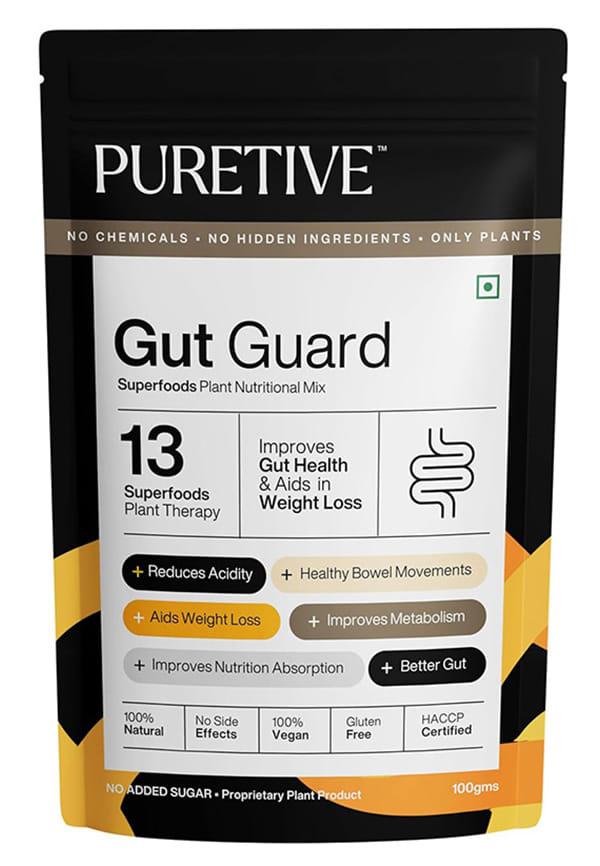
Gut Health Superfoods Nutritional Mix
Your gut is basically your body's control centre, and honestly, it's about time we gave it the attention it deserves. The importance of gut health goes way beyond just avoiding that post-meal bloat—we're talking about everything from your mood to your immunity to how well you sleep at night. With all the wellness trends floating around, it's easy to get overwhelmed, but gut health isn't just another fad. It's the foundation that keeps everything else running smoothly. Whether you're dealing with digestive issues or just want to feel your best, understanding your gut microbiome is your first step towards better health. And the best part? You don't need to completely overhaul your life to see real changes. Smytten's wellness category offers trial-sized products that let you explore gut-supporting supplements and foods without the commitment of full-size purchases.
Your gut health affects everything from immunity (70% lives in your gut) to mental health through the gut-brain axis
Signs of poor gut health include bloating, mood swings, frequent infections, and unexplained weight changes
Fermented foods, prebiotics, and probiotics are your gut's best friends for maintaining healthy digestion
Simple lifestyle changes like stress management and better sleep can dramatically improve your gut microbiome
Most people see improvements in gut health within 2-4 weeks of consistent changes
Let's start with the basics. Your gut health refers to the balance of microorganisms living in your digestive tract—think of it as a bustling city of bacteria, both good and bad. This gut microbiome contains trillions of bacteria that work around the clock to keep you healthy. When this ecosystem is balanced, everything flows smoothly. When it's not, well, that's when things get interesting (and not in a good way).
The importance of gut health extends far beyond just digestion. Your gut is responsible for about 70% of your immune system, produces around 90% of your body's serotonin (hello, mood regulation), and even influences how your body stores fat. It's like having a personal health assistant that never takes a day off.
Enhanced Digestion and Nutrient Absorption: Your gut bacteria help break down food and extract nutrients your body needs. Without proper gut bacteria, you could be eating all the right foods but still missing out on their benefits.
Immune System Support: A healthy gut acts as your first line of defence against harmful pathogens. Those beneficial gut bacteria literally crowd out the bad guys, keeping you healthier overall.
Mental Health Regulation: The gut-brain axis is real, and it's powerful. Your gut produces neurotransmitters that directly affect your mood, anxiety levels, and even cognitive function.
Metabolism and Weight Management: Certain gut bacteria help regulate how your body processes and stores fat, making gut health crucial for maintaining a healthy weight.
Disease Prevention: A balanced gut microbiome helps reduce inflammation throughout your body, potentially lowering your risk of chronic diseases.
Your body is pretty good at sending signals when something's off, and your gut is no exception. These signs might seem unrelated, but they're often connected to your digestive health in ways you might not expect.

Gut Cleansner
Digestive symptoms are the obvious ones—bloating, gas, constipation, or diarrhea that just won't quit. But gut health issues can also show up as unexpected weight changes, even when your diet and exercise routine haven't changed. Sleep disturbances and constant fatigue might also point to gut problems, as your gut bacteria play a role in producing sleep-regulating hormones.
Skin issues like breakouts, eczema, or general irritation often have gut connections. Food intolerances that seem to pop up out of nowhere? That's your gut telling you something's wrong. Frequent infections, mood swings, brain fog, and even joint pain can all trace back to intestinal health problems.
If you're constantly craving sugar or struggling with appetite control, your gut bacteria might be calling the shots. Bad breath that doesn't improve with oral hygiene and unexplained body odour can also signal gut imbalances.
Here's where things get really fascinating. Your gut and brain are in constant communication through what scientists call the gut-brain axis. This isn't just some wellness buzzword—it's a legitimate biological pathway that affects how you think, feel, and behave.
Your gut produces about 90% of your body's serotonin, the neurotransmitter responsible for mood regulation. When your gut microbiome is out of balance, it can directly impact your mental health. Studies have shown connections between gut health and conditions like depression, anxiety, and even autism spectrum disorders.
Stress doesn't just make you feel rubbish—it actively damages your gut bacteria. When you're stressed, your body produces cortisol, which can reduce the diversity of your gut microbiome and increase inflammation. It's a vicious cycle: stress hurts your gut, and poor gut health makes you more susceptible to stress.
If you've been struggling with weight management despite eating well and exercising, your gut bacteria might be the missing piece of the puzzle. Different bacterial strains in your gut influence how your body processes food, stores fat, and regulates blood sugar.
People with diverse, healthy gut microbiomes tend to have better metabolic health and find it easier to maintain a healthy weight. Certain bacteria help produce short-chain fatty acids that improve insulin sensitivity and reduce inflammation—both crucial for healthy metabolism.
Chronic inflammation from poor gut health can lead to insulin resistance, making it harder for your body to process carbohydrates effectively. This can result in increased fat storage, particularly around your midsection. By improving your gut health, you're essentially giving your metabolism a tune-up.

Everyday Fiber, Enhance Your Digestive Health With Plant Based Fiber
The good news is that your gut is incredibly resilient and responds well to positive changes. You don't need expensive supplements or extreme diets—just consistent, gut-friendly choices that support your microbiome's natural balance.
Start with fermented foods, which are packed with beneficial probiotics. Think yoghurt, kefir, sauerkraut, kimchi, and kombucha. These foods introduce helpful bacteria directly into your system. But don't forget about prebiotics—the food that feeds your good bacteria. Whole grains, vegetables, fruits, and legumes provide the fibre your gut bacteria need to thrive.
Probiotic Powerhouses: Natural yoghurt with live cultures, kefir, miso, tempeh, and traditional pickled vegetables. These introduce beneficial bacteria directly into your gut.
Prebiotic Fibre Sources: Garlic, onions, leeks, asparagus, bananas, oats, and flaxseeds. These feed the good bacteria you already have.
Anti-inflammatory Foods: Fatty fish rich in omega-3s, berries packed with antioxidants, and leafy greens that reduce gut inflammation.
Managing stress is crucial for gut health. Try meditation, yoga, or even just regular walks in nature. Quality sleep is equally important—aim for 7-9 hours per night to give your gut time to repair and regenerate.
Regular exercise increases the diversity of your gut microbiome, but you don't need to become a fitness fanatic. Even moderate activity like brisk walking can make a significant difference. Stay hydrated too—water helps maintain the mucosal lining of your intestines and supports healthy digestion.
Your gut health affects virtually every system in your body. It controls 70% of your immune function, produces most of your serotonin for mood regulation, influences your metabolism, and even affects your skin health. When your gut microbiome is balanced, everything else tends to fall into place more easily.

Date Powder| Low Glycemic Sugar| High Fiber Content
Most people notice some changes within 2-4 weeks of making consistent gut-friendly choices. Digestive symptoms like bloating relief often improve first, followed by energy levels and mood. However, completely rebalancing your gut microbiome can take several months of consistent effort.
Probiotics are live beneficial bacteria that you consume through fermented foods or supplements. Prebiotics are the food that feeds these bacteria—mainly fibre from fruits, vegetables, and whole grains. You need both for optimal gut health, but prebiotics are often more important for long-term gut balance.
Absolutely. The gut-skin axis is well-documented in research. Poor gut health can lead to inflammation that manifests as acne, eczema, or other skin conditions. Many people find their skin improves significantly when they focus on healing their gut through diet and lifestyle changes.
While whole foods are generally the best source of probiotics, supplements can be helpful in certain situations. If you've recently taken antibiotics, have specific digestive issues, or struggle to include fermented foods in your diet, a quality probiotic supplement might be worth trying. You can explore various wellness supplements available on Smytten to find what works best for your needs.
Highly processed foods, excessive sugar, artificial sweeteners, and foods high in unhealthy fats can disrupt your gut bacteria balance. You don't need to eliminate these completely, but reducing them will help your gut microbiome thrive. Focus on adding gut-healthy foods rather than just restricting.
The importance of gut health cannot be overstated—it's the foundation of your overall wellness. Your gut microbiome affects everything from your immune system to your mental health, making it worth the investment in time and attention. The good news is that improving your gut health doesn't require drastic changes or expensive interventions.
Start with simple swaps: add more fermented foods to your diet, increase your fibre intake, manage stress better, and prioritise quality sleep. Pay attention to how your body responds to different foods and lifestyle changes. Remember, everyone's gut is unique, so what works for others might need tweaking for you.
Most importantly, be patient with the process. Your gut microbiome didn't become imbalanced overnight, and it won't heal overnight either. Consistent, gentle changes will yield the best long-term results for your digestive health and overall wellbeing.
Taking care of your gut health is one of the best investments you can make in your overall wellness journey. Whether you're looking to improve your digestion, boost your mood, or simply feel more energetic, supporting your gut microbiome is a brilliant place to start. Smytten makes it easier to explore gut-supporting products without the commitment of full-size purchases. With curated trial packs from trusted wellness brands, you can try before you buy and discover what works best for your unique needs. From probiotics to digestive supplements, Smytten's India's largest minis collection lets you experiment with different approaches to gut health. Plus, with 100% cashback on trials, you can explore various options affordably while building a wellness routine that actually sticks. After all, why settle for maybe when you can Try It All and find what truly supports your gut health goals?
